
Best AA Powered Cameras of 2026: Complete Buying Guide
Disclosure: We may earn a commission when you buy through links on this page, at no extra cost to you. As an Amazon Associate I earn from qualifying purchases. Learn more
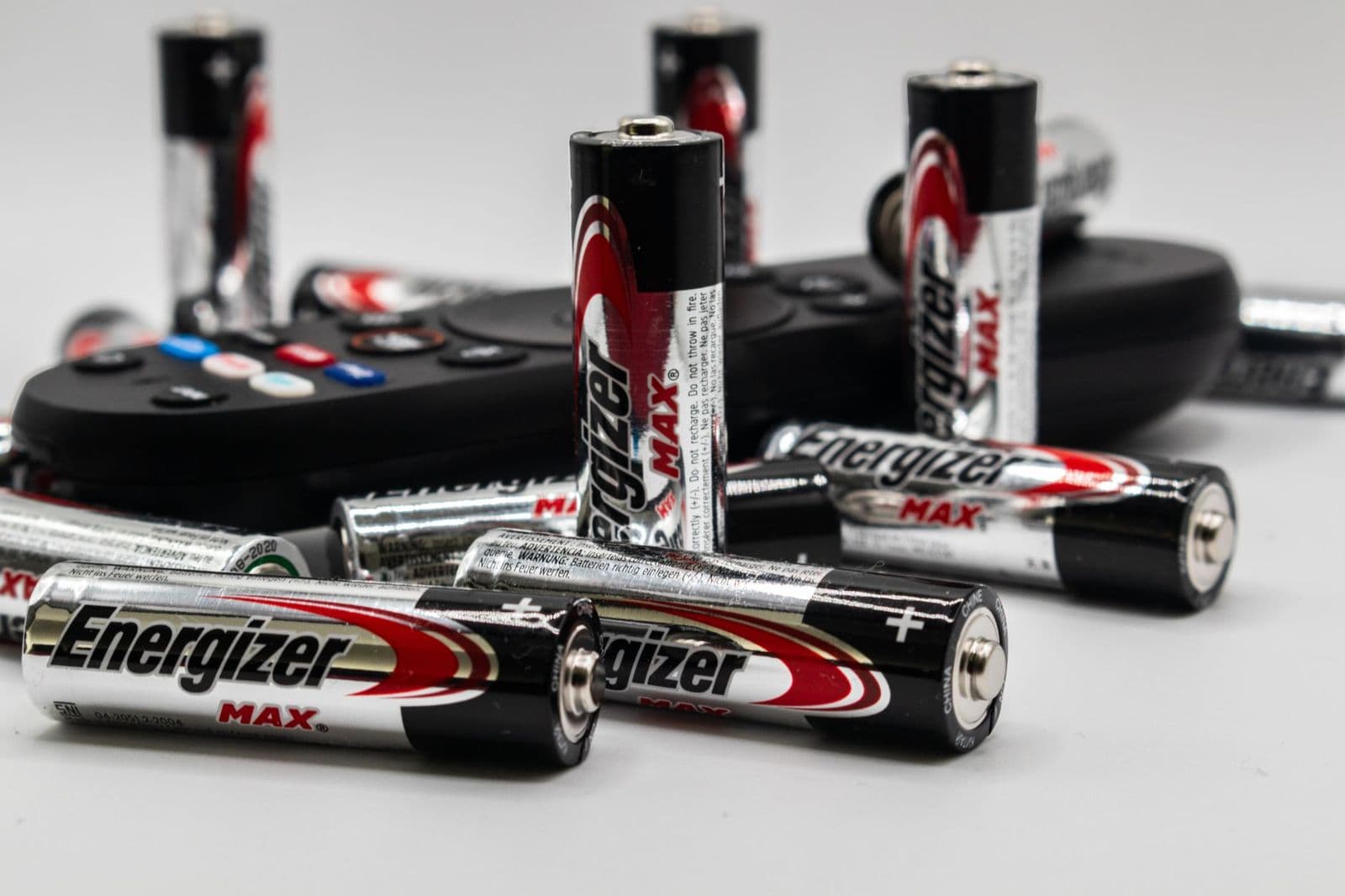
Compare AA powered cameras by battery life, optical zoom, sensor size and video, with a clear checklist for travel, trail use and family photos.
Some trips have no free outlet, no spare charger and no second chance at the photo. That is where the best aa powered cameras still earn a place in your bag, because a fresh set of AA cells from any small shop can put you back to work in a minute. This guide explains how battery choice, sensor and zoom change your results, so you can buy with clear priorities.
Buyers choose this format for freedom more than for raw power. You give up the slim body of a rechargeable model, and in return you get simple power that travels and stores well.
Who Should Buy an AA Powered Camera?
Start with where you will shoot and how long you will spend away from a charger. That answer decides whether AA power suits you.
Travelers Who Cannot Charge Every Night
You move through cabins, camps and small towns where outlets are shared or scarce. A camera that runs on two or four AA cells suits you because spares weigh little and are sold almost everywhere. Carry one set in the camera and one sealed set in your bag, and you can shoot through a long weekend.
Trail and Property Watchers Outdoors
You leave a camera on a tree or post for weeks and check it only when you collect the card. Trail models built for AA cells fit this work, since eight or twelve cells can run a long watch and lithium cells hold up in cold weather. Look for a weatherproof case and infrared light for night visits. If unattended power matters more than still photos, see our guide to the best solar powered cameras.
Families Who Want Simple Power and Controls
You want a camera a grandparent, a teen or a guest can pick up and use without lessons or a charger routine. AA power helps because a dead camera at a birthday is fixed by swapping cells, not by ending the day. Choose large buttons and a clear auto mode.
Key Features to Compare
When you compare the best aa powered cameras side by side, judge power first and headline megapixels last. A camera that dies early will frustrate you long before a small gap in resolution does.
Battery Chemistry and Shots Per Set
Most AA models run on two or four cells, while trail cameras may take eight or more for a longer watch. Alkaline cells are cheap and easy to find, but their voltage falls as they drain, so flash recycling slows near the end. Nickel metal hydride rechargeable cells hold a steadier voltage and suit daily use, while lithium AA cells cost more yet last longer in cold weather and storage. For help picking cells, see our guide to the best aa batteries for cameras.
Sensor Size and Honest Image Quality
Sensor size shapes detail and grain more than the megapixel count on the box. Most AA compacts use a small sensor of about 1/2.3 inch, which gives clean results in daylight and grainier files indoors. A larger sensor gathers more light at dusk, but it adds size and price. If image quality tops your list and AA power does not, see our guide to the best digital cameras.
Optical Zoom and Lens Brightness
Optical zoom moves real glass to bring a subject closer, so detail stays sharp in a way digital zoom, which only crops the image, cannot match. A range of about 4x to 10x suits family and travel photos, while bridge models reach much farther for birds. Lens brightness matters too, shown as the lowest f number offered. A lower number lets in more light at dusk and keeps shutter speeds fast enough to avoid blur.
Autofocus and Image Stabilization
Autofocus on AA models is built for ease, with face detection and a focus area that locks on when you press the shutter halfway. It handles still subjects well, but it can hunt in dim light. Image stabilization shifts the lens or the sensor to calm hand movements, which helps most at long zoom and in shade. Turn it off on a tripod, because the system may drift and soften a still shot.
Video, Screen and Everyday Controls
Expect most AA powered models to record at 720p or 1080p, with simple sound from a built in microphone and no socket for an external one. A claim of 4K video on a low priced AA model deserves a close look at frame rate before you trust it. Creators who need a flip screen and clean audio are better served by dedicated vlogging cameras, while AA models suit short family clips.
Build, Grip and Weather Resistance
A camera that lives in a coat pocket or a trail bag needs a grip you can hold with one hand and a battery door that stays shut when bumped. Standard compacts are not weatherproof, so keep them dry and use a padded case in rain. Trail and underwater models carry a stated water resistance rating, and you should match that rating to your use rather than trusting one splash as proof.
Types of AA Powered Cameras Compared
The AA label covers three quite different tools. Picking the right type first saves you from comparing zoom numbers across cameras meant for different jobs.
Point and Shoot Compacts for Daily Carry
These small cameras run on two AA cells, slip into a jacket pocket and wake up ready in auto mode. They suit school events, travel days and a glove box backup role. Their limits are a small sensor and slow focus in dim rooms. Expect to pay about $100 to $250 for a current model with optical zoom and stabilization.
Bridge Cameras With Long Zoom Reach
Bridge models look like small versions of larger cameras, with a deep grip and zoom that can reach across a field or a lake. Four AA cells give them more working time per set than a compact gets. They suit wildlife watchers and sports parents who want reach without changing lenses. Buyers who plan to grow their skills can also see our guide to the best cameras for photography.
Trail Cameras for Wildlife and Property
Trail cameras are weatherproof boxes that wake when motion crosses their sensor, take a photo or short clip, then sleep again to save power. They run on larger sets of AA cells and store files on a memory card you collect later. They suit watching a feeder, a gate or a garden pest route, and they trade fine detail for months of watch time.
Common Mistakes to Avoid
- Mixing old and new AA cells in one set makes the camera shut down early and can leak inside the compartment.
- Trusting digital zoom numbers leads to soft, cropped photos that look poor when printed.
- Leaving alkaline cells inside during long storage risks leaks that corrode the contacts.
- Judging a camera by megapixels alone buys grainy indoor photos when the sensor is small.
- Using the flash beyond about 10 to 15 feet leaves subjects dark.
- Forgetting a spare memory card means a full card ends your shooting day with no easy fix.
Care and Maintenance for AA Powered Cameras
Remove the batteries when you store the camera for more than a few weeks, and keep cells and camera in the same dry case. Wipe battery contacts with a dry cloth if the camera shuts off with cells that still test well. Store spare cells in their pack, so loose metal cannot touch both ends at once.
Clean the lens with a soft lens cloth and a blower, not a shirt, because grit in fabric can scratch the coating. Format the memory card in the camera after you copy your photos. Set the date again after long storage.
AA Powered Cameras: Your Questions Answered
How many photos can an AA powered camera take on one set of batteries?
A compact AA powered camera often takes about 200 to 400 photos on one set of alkaline cells. Your real count depends on habits the rating cannot see, such as reviewing every shot on the screen or shooting in cold air. Letting the camera sleep between groups of shots can add a useful margin to a busy day.
Can an AA powered camera use rechargeable AA batteries safely?
Yes, most AA powered cameras can use rechargeable nickel metal hydride cells safely, and the manual will list them if they are approved. Charge cells as a matched set and retire a set when one cell runs out far sooner than the others, because an uneven set confuses the battery gauge.
Is an AA powered camera better than a smartphone for travel photos?
An AA powered camera beats a smartphone when you need true optical zoom or a flash that reaches across a room. A phone still wins for instant sharing and for night shots that blend several frames into one. Many travelers carry both, so a dead phone battery never means a day with no photos at all.
Which AA powered camera type works best in low light?
A bridge camera with a brighter lens works best in low light among AA powered types. Its larger grip helps you hold the longer exposures that dim rooms demand. Raise the sensitivity setting only as far as you must, because each step adds grain, and brace the camera on a table when your subject can stay still.
How much should a first time buyer spend on an AA powered camera?
A first time buyer should plan on about $100 to $250 for a compact AA powered camera. The lower end covers simple auto models for family snapshots, while the upper end adds stronger zoom and a better screen. Leave room in the budget for two sets of good cells and a memory card, because a camera without power or storage is not ready on arrival.
Our Verdict
Choose AA power when easy battery swaps matter more than a slim body or fast charging. Put battery chemistry and shots per set first, then optical zoom and sensor size, and let video claims come last.
With those points settled, the best aa powered cameras are easy to sort, because the right one fits your trips, your watch post or your family days without ever waiting on a charger.


