
Best AA Circuit Speakers: Our 2026 Checklist and Buying Guide
Disclosure: We may earn a commission when you buy through links on this page, at no extra cost to you. As an Amazon Associate I earn from qualifying purchases. Learn more

Use our checklist to find the best aa circuit speakers, with clear guidance on room coverage, voice clarity, battery life, pairing, and durability.
When you travel the AA speaker circuit, your voice has to reach the back row of every hall, church basement, and community room you visit, and the house equipment is never guaranteed. A dependable portable speaker of your own removes that uncertainty. This guide gives you a clear evaluation checklist for the best aa circuit speakers, built around voice clarity, room coverage, battery endurance, and gear that survives life in a car trunk.
Score every candidate against the same criteria below before you spend anything. Once your thresholds are set, the comparison table below is quick work, because most speakers will fail at least one test that matters to a traveling speaker.


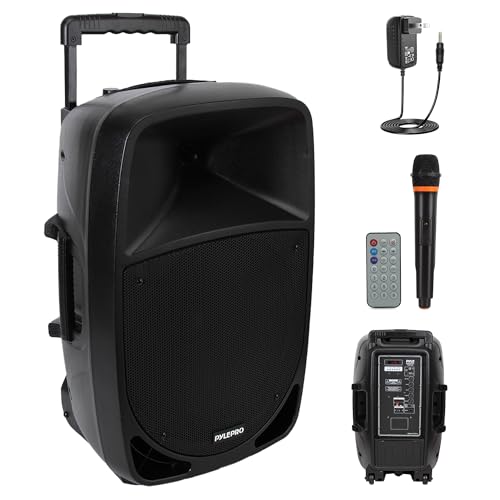
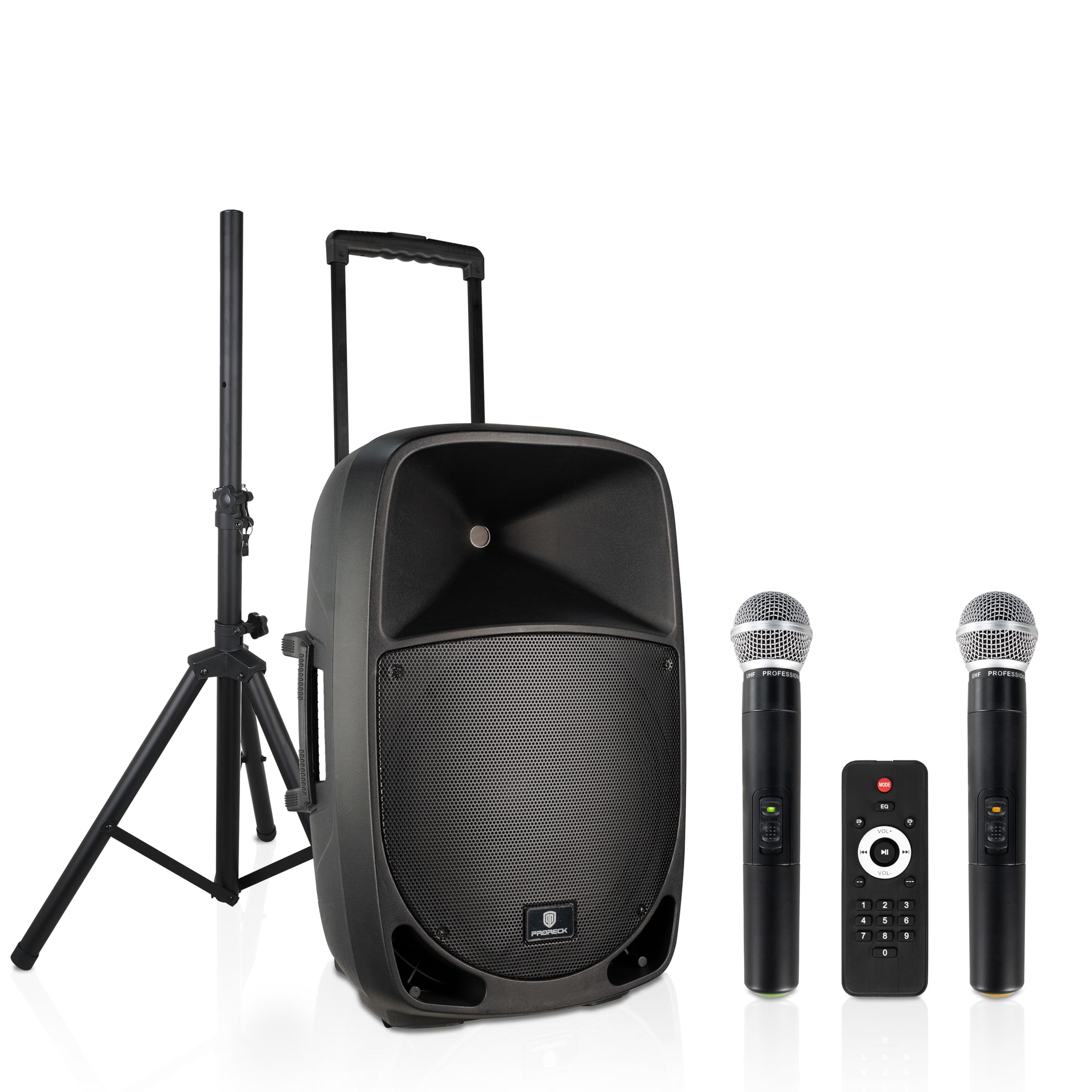
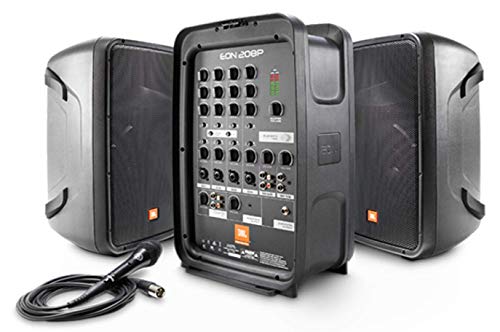
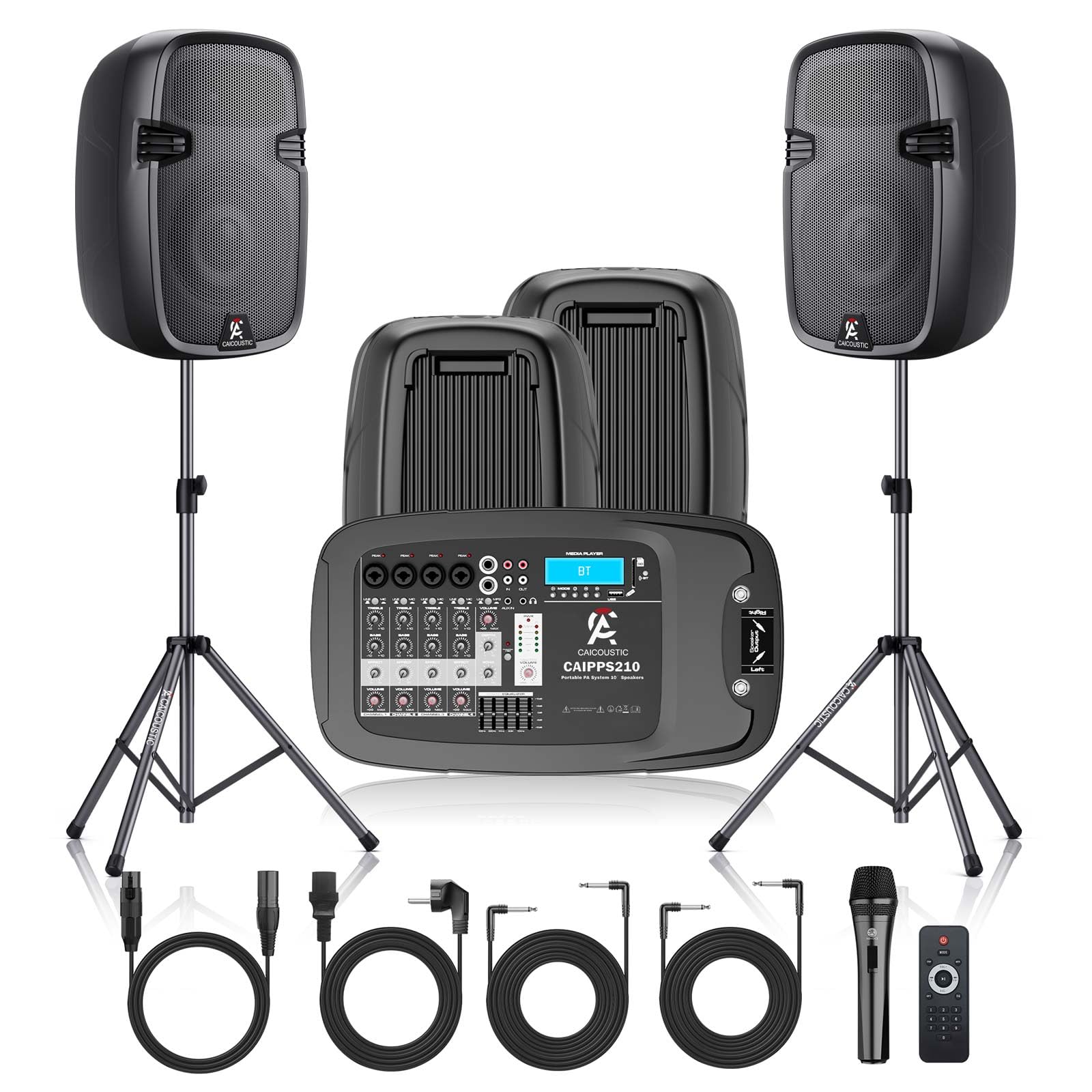
How We Evaluate AA Circuit Speakers
Our checklist weights spoken word performance above everything else. Music demos in a store tell you almost nothing about how a speaker handles a single voice in a reflective hall for an hour. If you are new to portable audio entirely, our guide to the best aa speakers gives wider background on the category before you score models against the seven criteria below.
Sound Quality and Tuning
For talks, the midrange is the whole game: that is where the human voice lives. Favor speakers tuned for clarity over booming bass, because excess low end turns speech muddy in echoing rooms. A driver in the 3 to 5 inch range with a stated frequency response reaching down to about 80 Hz handles voice comfortably. If a speaker offers simple treble and bass controls or a vocal preset in its app, that is a genuine plus for adapting to different halls.
Microphone Quality
Two microphone questions matter. First, if the speaker has a microphone input, you can plug in a handheld or headset mic and walk the room while you talk, which transforms a large meeting. Second, if you take calls or join hybrid meetings through the speaker, the built in microphone should capture your voice clearly from a few feet away. Test both at realistic distances, because a mic that only works at arm length will fail you in a real room.
Noise Handling in Busy Rooms
Meeting rooms come with humming lights, rattling air conditioning, and chairs scraping on hard floors. Active noise cancellation belongs to headphones, not room speakers, so judge this category differently: how cleanly does the speaker project voice above ambient noise without distortion? A speaker that stays clear at moderate volume beats a louder one that strains. Good placement, covered in a later criterion, does more for intelligibility than any electronic feature at this price level.
Durability and Water Resistance (IP Rating)
Circuit speakers travel, and travel means knocks, rain, and spilled coffee. An IP67 rating means the speaker shrugs off dust and brief immersion, while IPX4 covers splashes only. Rubberized corners and a metal or reinforced grille matter as much as the rating. Check that port covers seal properly and that the charging connector is a standard USB C, so a forgotten cable is easy to replace on the road rather than a trip ending problem.
Connectivity: Bluetooth Version, Codecs, and Wired
Bluetooth 5.3 gives you stable range across a hall and multipoint pairing, so your phone and laptop can both stay connected. Codec support such as AAC improves phone audio modestly, but spoken word is forgiving; stability matters more than codec badges. A wired input, either USB or a 3.5 mm jack, is your insurance policy for rooms with interference or a house laptop that must play a recording. Our guide to the best bt speakers explains pairing quirks and range claims in more detail.
Portability, Size, and Weight
You will carry this speaker farther than you expect, from parking lots to third floor meeting rooms. Under about 3 lb it disappears into a tote; above 6 lb it becomes luggage you plan around. A built in handle or strap earns its keep quickly. Match size to your typical room, though: a tiny speaker that strains in a hall of eighty people is not portable in any useful sense, just small.
Placement and Room Size
Placement decides half of what your audience hears. A speaker raised to about head height on a stand or shelf, aimed at the middle of the seating, covers a room far better than a stronger unit sitting on the floor. Small rooms of twenty people need modest output; halls of a hundred need real power or a stereo pair. Our guide to the best portable speakers covers stereo pairing and outdoor coverage if your circuit includes picnics and retreats, and our guide to the best mobile speakers suits speakers who travel light between small meetings.
What Each Price Tier Delivers
Use these tiers to judge any model in the product table above instead of chasing named recommendations. US prices below are approximate.
The All Round Tier
Speakers around $100 to $200 hit the circuit sweet spot: clear and confident voice projection for rooms of fifty to a hundred people, battery life of roughly 15 to 24 hours, Bluetooth 5.3 with multipoint, and build quality that tolerates weekly travel. Many in this tier add a microphone input or strong speakerphone performance. If you speak most weekends, this is the tier to start from, because it removes the common failure points without paying for concert level power you will never use in a meeting.
The Value Tier
Value speakers around $40 to $100 serve small meetings and home use well. Expect honest voice clarity at close range, battery life around 10 to 15 hours, and simpler builds with lower water resistance ratings. Coverage is the limit: a value speaker fills a living room or a small meeting of twenty, then runs out of headroom. For a home group host or an occasional speaker at small meetings, the saving is sensible. Just avoid the very cheapest units with unstated battery and driver specifications.
The Heavy Use Tier
Spending about $200 to $400 buys output for genuinely large halls, rugged sealed builds, and batteries rated at 24 hours or more, sometimes with enough reserve to charge your phone. These speakers often support pairing two units for wide stereo coverage and accept proper microphone inputs for a presenter setup. The cost is weight, often 6 lb or more. Choose this tier if your circuit regularly includes big anniversary meetings, conventions, or outdoor events where a smaller speaker would simply be outmatched.
Quick Buyer Checklist
- Does the tuning favor clear midrange voice over heavy bass?
- Will it fill your largest typical room without audible strain?
- Does the battery cover a full day of travel and speaking?
- Is it rated at least IPX4, and preferably IP67, for life on the road?
- Does it offer Bluetooth 5.0 or newer plus a wired input as backup?
- Can you carry it comfortably for five minutes at a time?
- Does it accept a microphone input if you use a handheld mic?
- Is the warranty at least one year with reachable support?
Red Flags to Watch For
Wild wattage claims are the classic warning: a speaker the size of a soda can promising concert power is quoting meaningless peak numbers. Vague battery claims such as all day playtime without hours stated deserve the same suspicion. Watch for missing IP ratings on speakers marketed for outdoor use, unknown Bluetooth versions, and proprietary charging cables you cannot replace on the road. A pattern of reviews mentioning pairing dropouts matters more for a speaker than for almost any other product, because a dropped connection mid talk is the failure you cannot afford.
Setup and Care Tips
Keep the firmware updated through the companion app, because updates commonly improve pairing stability and battery reporting. Charge the battery before long trips even if it showed half full, and avoid storing the speaker fully drained for months, which shortens battery life. Wipe the grille and casing with a slightly damp cloth after outdoor events, and store the speaker in a padded case in the trunk so heat and knocks do not age it early. Arrive ten minutes early and do a short sound check from the back row.
AA Circuit Speakers: Your Questions Answered
Is ANC worth the extra cost?
For a room speaker, no: active noise cancellation is a headphone technology and does nothing for an audience listening across a hall. Spend that money on clearer midrange tuning and better placement instead. The one exception is your own travel listening between meetings, where noise cancelling headphones help you rest. Keep the two purchases separate and judge each by what it actually does for the people listening.
How long does the battery last?
Expect about 10 to 15 hours from value models and 15 to 24 hours from midrange and heavy use speakers, measured at moderate volume. Speaking volume for a hall draws more than quiet home listening, so assume the lower half of any claim on speaking days. A practical habit: if the battery indicator is not full on the morning of an event, bring the charging cable and locate an outlet during setup.
What IP rating do I need for outdoor use?
IPX4 is enough for a covered pavilion and light splashes at retreats or picnics. Choose IP67 if the speaker will sit near pools, boats, or uncovered ground where rain can arrive mid event, since that rating covers dust and brief immersion. Remember the rating assumes port covers are closed, so seat them properly before the event starts. No rating makes a speaker safe to leave outdoors overnight, so bring it in.
Wired or wireless: which sounds better?
At speaking volumes, a stable Bluetooth connection sounds effectively identical to wired for voice. Wired wins on reliability: no pairing surprises, no interference, and no battery drain on the source device. Many circuit speakers carry a cable as their backup plan for exactly that reason. If you play recordings of other speakers during your talk, test the wired path at home first so the meeting itself holds no surprises.
Do I need a special codec?
No special codec is required for spoken word. Standard Bluetooth audio handles voice clearly on any modern phone or laptop. AAC can add a small polish for music from Apple devices, and low latency codecs help if you show videos, where lip sync matters. For talks, connection stability and speaker placement shape what the audience hears far more than the codec badge on the box.
The Bottom Line
Judge circuit speakers by voice clarity, honest room coverage, and a battery that outlasts your longest day, in that order. Match the tier to your biggest regular room rather than your smallest, and keep a wired backup in the bag. Chosen that way, the best aa circuit speakers stop being a gamble. Compare your shortlist with the product table above and let the back row test make the final decision.


