
Best 90s Watches: What Actually Matters Before You Buy for 2026
Disclosure: We may earn a commission when you buy through links on this page, at no extra cost to you. As an Amazon Associate I earn from qualifying purchases. Learn more

Use a clear checklist for the best 90s watches, covering movement, case size, water resistance, and materials, so you can buy with more confidence.
Watches with 1990s character are easy to love and surprisingly easy to buy badly, because age, condition, and vague listings all hide problems. This guide gives you one clear checklist for judging the best 90s watches, whether you are looking at an original piece from the decade or a modern watch built in that style.
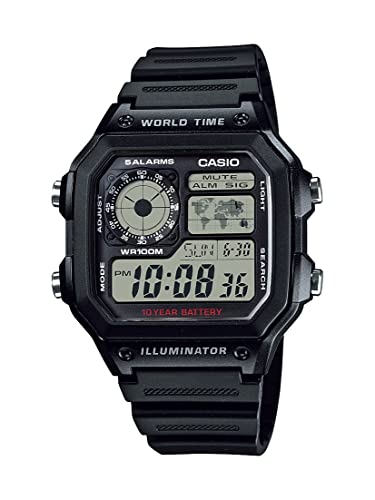
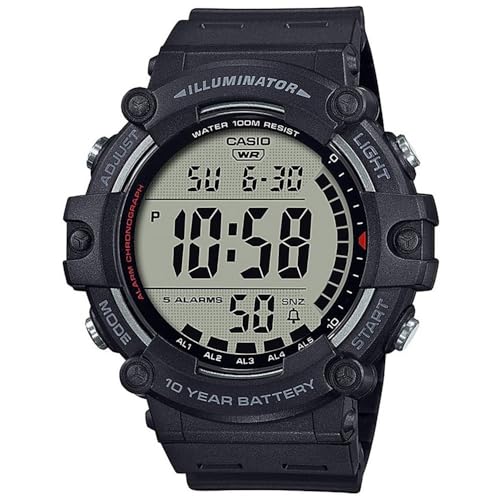
The checklist below is the same one used throughout this article. Learn the six checks, apply them to the profiles and warnings that follow, and you will know more than most sellers expect. The comparison table below shows the current candidates in one place, so keep it open as you score each option.



How We Evaluate 90s Watches
Each check below includes a simple good and poor threshold. A watch does not need to ace all six, but it should never fail the ones tied to your actual use, such as water resistance for a watch you plan to swim in.
Movement Type (Quartz, Automatic, Solar, Smart)
Quartz ruled the 1990s, and a good quartz movement should keep time within about 15 seconds a month and run one to three years on a battery. Automatic movements add mechanical charm and daily winding by wrist motion, but they drift more and need servicing. Solar charging suits a watch worn in daylight, while smart features belong to modern retro styled pieces rather than originals. Score quartz highest for accuracy and low upkeep, and choose automatic only if you enjoy the ritual and accept the service costs that come with it.
Case Size and Wrist Fit
Most 1990s cases run about 36 mm to 42 mm, though the decade also produced oversized sport models. Measure case diameter, thickness, and lug to lug length, because lug to lug decides whether the watch overhangs your wrist. A good fit keeps the lugs inside the width of your wrist and the case flat, not rocking. Thick cases around 13 mm or more catch on shirt cuffs, so if you dress formally, score thinner cases higher. When in doubt, trace your current watch and compare dimensions before ordering.
Brand Reputation, Warranty, and Value
A known maker with a long service network is worth real money in this category, because original 1990s pieces eventually need gaskets, batteries, and movement work. For a new retro styled watch, look for at least a two year warranty and US based service options. For a used original, value depends on documented service history more than cosmetics. Shoppers comparing makers across eras will find our overview of the best quality watches useful for judging which brands support their older pieces well.
Water Resistance Rating
Ratings confuse buyers, so translate them into real life. A 30 m rating means splash protection only, never swimming. At 100 m you can swim and shower with confidence, and 200 m with a screw down crown suits diving and rough water use. On any original 1990s watch, treat the printed rating as history rather than fact, because aged gaskets leak. If water use matters, budget for a pressure test and fresh seals, and score a watch down until that work is done.
Crystal and Case Materials
Sapphire crystal resists scratches best and appears on better pieces from the decade, while mineral glass is common and scratches more easily, and acrylic on some period models polishes clear again with mild abrasive paste. Stainless steel cases wear well and can be refinished; resin cases are light and tough but age into brittleness. Check spring bars and the strap or bracelet too, because a quick release strap on a modern reissue makes home changes simple, while an original bracelet with stretched links may cost more to fix than the watch.
Smart and Fitness Features
True 1990s watches predate modern fitness tracking, though the decade offered timers, alarms, altimeters, and early data storage on digital sport models. If step counting, GPS routes, or heart rate data matter to you, you are really shopping for a modern watch with retro looks, and our guide to the best workout watches covers that field properly. Remember that watch sensors are wellness tools, not medical devices, so score these features as conveniences and never as a substitute for proper health equipment or medical advice.
Three Buyer Profiles That Pass Our Checklist
Best Overall
The strongest all around profile is a quartz sport watch around 38 mm to 40 mm with a steel case, sapphire or clean mineral crystal, and a rating of 100 m backed by fresh gaskets. It passes on accuracy, fit for most wrists, and daily water use, and it pairs with casual and office clothing alike. Expect to pay around $150 to $400 for a sound original or a quality reissue. Its limitation is character: this sensible middle path skips the wild colors and oversized shapes that make the decade fun, so collectors may find it a little tame.
Best Value
The value profile is a clean digital or simple quartz analog model from a major maker, bought used with a fresh battery and a new strap, often around $40 to $120. Digital models from the decade are plentiful, parts are cheap, and the look is unmistakably of the era. Score it highly when the display is crisp, all buttons respond, and the case shows no cracks near the lugs. The limitation is lifespan on resin parts, since aged resin can crumble without warning, so inspect closely and avoid any case that feels chalky or sticky.
Best Premium Pick
The premium profile is a serviced automatic chronograph or a flagship dive watch from the decade, with papers or a documented recent service, typically around $600 and up. You are paying for movement quality, finishing, and the confidence that seals, lubricants, and worn parts were already addressed. Strong examples hold value well and wear like modern luxury pieces. The limitation is ongoing cost, because automatic servicing every 5 to 7 years is part of ownership, and skipping it quietly converts your premium watch into a future repair bill.
Quick Buyer Checklist
Run through these questions for any candidate, including the ones in the product table above. Three or more no answers should slow you down.
- Does the case size, including lug to lug length, suit my wrist?
- Is the movement type clear, and do I accept its upkeep?
- Has a used watch had a battery change or service that the seller can document?
- Does the water rating match my real use, with fresh gaskets if I plan to swim?
- Is the crystal free of deep scratches and chips at the edge?
- Do all buttons, the crown, and the bezel work smoothly?
- Is lume still visible in a dark room, if night reading matters to me?
- Does the total price leave room for a strap, seals, or a service?
Red Flags to Watch For
- Vague movement descriptions. A listing that hides whether a watch is quartz or automatic often hides other facts too.
- Moisture under the crystal. Fog or droplets mean failed seals and possible movement damage already in progress.
- Too good pricing on serviced claims. A full automatic service costs real money, so a premium watch priced like an unserviced one deserves hard questions.
- Odd feedback patterns. Sellers with clusters of complaints about accuracy or dead arrivals are telling you the ending in advance.
- Missing warranty or returns. Short or absent coverage on a modern reissue shifts all the risk to you. Many guides to the best watches for guys stress the same point: buy the seller as much as the watch.
How to Make Your 90s Watch Last Longer
Treat maintenance as a schedule, not a surprise. Service automatic watches every 5 to 7 years, even if they still run, because old lubricants dry out and cause wear. Rinse any watch exposed to saltwater under fresh water, then dry it fully. Store watches away from magnets, including bag clasps and speakers, since magnetism makes mechanical movements run fast and confuses some digital sensors. Replace straps before they crack through, keep spare spring bars on hand, and change quartz batteries promptly, because a dead battery left sitting can leak and ruin a movement that survived three decades.
FAQs
What case size fits my wrist?
Measure your wrist circumference, then match lug to lug length to your wrist width rather than chasing diameter alone. Wrists under about 6.5 inches usually suit 36 mm to 38 mm cases, midsize wrists handle 38 mm to 42 mm, and larger wrists can carry the oversized sport styles of the decade. If the lugs hang past your wrist edges, the watch will feel top heavy no matter how light it is.
Is a smartwatch worth it over a classic watch?
It depends on whether you will use the tracking and notifications daily. A smartwatch adds health and training data but needs charging every day or two and becomes obsolete as software support ends. A classic quartz watch from the 1990s style asks almost nothing of you and keeps its look for decades. Many owners end up with both, wearing the smartwatch for exercise and the classic piece for everything else.
How water resistant should a watch be?
For hand washing and rain, 30 m to 50 m is enough on a new watch with sound seals. For swimming, choose 100 m, and for diving or surfing, 200 m with a screw down crown is the sensible floor. On any original 1990s piece, assume the rating has expired until a watchmaker pressure tests it, since gaskets harden with age even on watches that were never worn.
How long does a watch battery last?
A typical quartz battery lasts about 18 months to 3 years, depending on features. Chronograph use, alarms, and backlights shorten that span, while a simple three hand analog watch sits at the long end. Many movements signal a dying battery when the second hand starts jumping in steps. Replace it soon after that warning, because waiting risks leakage that costs far more than the battery itself.
Quartz or automatic: which is better?
Quartz is better for accuracy, price, and low upkeep, which is why it dominated the decade and still suits most buyers. Automatic is better if you value mechanical craft, a sweeping second hand, and a watch that never needs a battery. Neither answer is wrong, but the costs differ: quartz asks for a cheap battery every few years, while automatic asks for periodic servicing that can exceed the price of an entry level quartz watch.
Wrapping Up
Judge every candidate with the same six checks: movement, fit, support, water resistance, materials, and features. Buy the profile that matches your wrist and your habits, and leave budget room for the seals or service a thirty year old watch honestly needs. Do that, and the best 90s watches stop being a gamble and become what they should be: character you can wear every day. Start with the product table above, score your top two against the checklist, and choose the one with fewer compromises.


