
Best 9 X 5 Loaf Pans (2026): Buying Guide and Top Options
Disclosure: We may earn a commission when you buy through links on this page, at no extra cost to you. As an Amazon Associate I earn from qualifying purchases. Learn more

A practical guide to the best 9 x 5 loaf pan: sizes, features, budget ranges, and mistakes to avoid before you buy.
Picture a small kitchen on a Sunday morning. The counter holds a mixing bowl and a bag of flour, the one cabinet shelf is already full, yet the family wants a warm loaf for lunch and slices left for Monday. That mix of tight space, several mouths, and a modest budget is what this guide is built around. You will find the best 9 x 5 loaf pan for your home by matching material and upkeep to the way you bake, and the comparison table below sums up the main types at a glance.
This article walks through three types that suit different homes, then gives you a checklist for finish, temperature limits, and price. If you are still weighing sizes, start with our broader guide to the best loaf pan and come back once the 9 x 5 size looks right.

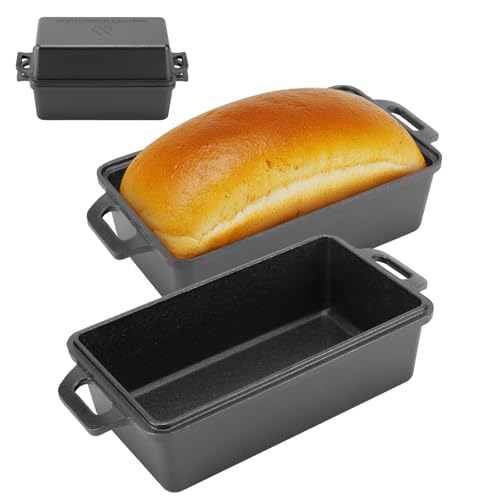


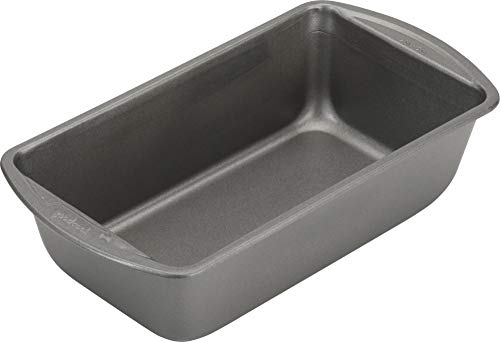


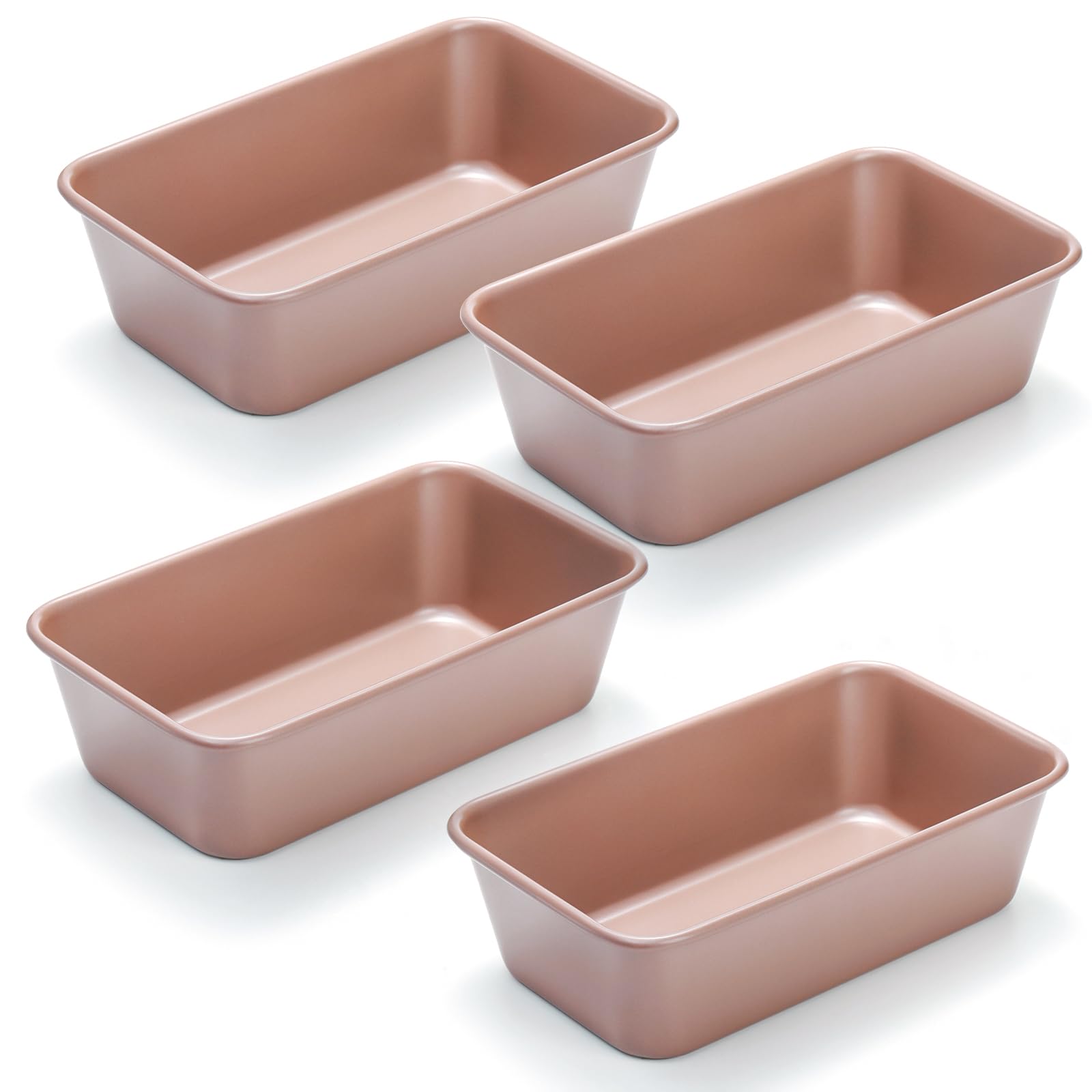
Quick Answer: Three Types That Cover Most Homes
Most households land on one of three types. A plain aluminum pan is the light, low cost workhorse for weekly sandwich bread and quick breads. A stoneware or ceramic pan holds heat gently and looks good enough to carry to the table, which suits slower weekend baking. A cast iron pan is the heavy, buy it once option for bakers who want deep browning and a pan that can serve for decades.
Before You Buy: A Quick Checklist for Choosing a Loaf Pan
Size: Match It to Your Space
The 9 x 5 pan is the standard loaf size in most American recipes, holding roughly 8 cups of batter or dough. A smaller 8.5 x 4.5 pan gives taller slices from the same recipe but can overflow with rich quick bread batters. A 1 lb pan suits small households, while 1.5 lb and 2 lb pans and long 13 inch pans serve big batch baking. Before you order, measure your oven and shelf, since wide handles can add an inch or more on each end.
Which Type Fits Your Routine
Material decides how a pan behaves day to day. Aluminum heats and cools fast, which helps if you bake several loaves in a row. Glass lets you watch browning on the sides but needs a small temperature drop for many recipes. Silicone releases food with ease yet feels floppy when full, so it needs a tray under it. Carbon steel sits between aluminum and cast iron in weight and browning. Pullman pans add a sliding lid for square sandwich slices, and our guide to the best pullman loaf pan covers that style in depth.
Features Worth It, and Ones to Skip
A lid is worth it only if you bake sandwich bread often, since it shapes a flat top and fine crumb but adds washing and storage bulk. Sturdy rolled rims are worth it on thin metal pans because they resist bending when you lift a full pan. Skip novelty shapes and bundled extras you will never use, such as tiny spatulas or recipe cards. Also skip very thin pans sold in large multipacks if you bake weekly, since they dent easily and brown unevenly.
Light vs Dark Finish and Browning
Finish changes crust color more than many bakers expect. Light colored metal reflects some heat, so crusts stay paler and bake more gently, which helps sweet breads that scorch easily. Dark finishes absorb more heat and give deeper color and crisper edges, but the bottom of a banana bread can overbrown before the center sets. If you own a dark pan, pull the loaf a few minutes early and check doneness with a thin skewer rather than trusting the timer alone.
Oven Safe Temperature
Every pan has a heat limit, and it usually comes from the coating or the handles rather than the base material. Plain aluminum, steel, and cast iron tolerate the highest heat you will use for bread, while many coated pans carry a stated ceiling you should respect to protect the finish. Glass and stoneware dislike sudden temperature swings, so let them warm with the food rather than moving them from a cold counter into a blazing oven. Check the maker guidance for your exact pan before using it under a broiler.
Nonstick Coating vs Uncoated
A coated pan releases sticky batters with little fuss and wipes clean fast, which matters on busy weeknights. The trade off is lifespan, since coatings wear with metal tools, stacked storage, and high heat. Uncoated metal asks for a little grease or a parchment sling, but it can serve for many years and tolerates any utensil. If you bake acidic tomato based meatloaf often, uncoated or enameled surfaces also shrug off staining better than a tired coating does.
Realistic Budget Ranges
Price bands for this size are simple. A single aluminum or coated pan for occasional baking costs under about $15. About $15 to $25 brings thicker metal, better rims, or a two pan set. About $25 to $50 covers stoneware, enameled cast iron, and lidded pullman styles, where you pay for weight, looks, and longevity rather than faster baking. Let your routine, not the price tag, lead the choice.
Three Types Compared: Which One Earns Its Shelf Space
Aluminum
For a family that bakes once or twice a week, plain or coated aluminum is the easiest pan to live with. It is light enough to lift with one oven mitt, preheats quickly, and stores in a thin slot beside your baking sheets. Crust color stays even and predictable, which helps new bakers learn timing. The main trade off is durability, since thin versions can warp or dent if dropped. Choose a thick pan with a rolled rim and it will handle years of banana bread and sandwich loaves.
Stoneware and Ceramic
Stoneware holds heat long after the oven turns off, so loaves finish gently and stay warm at the table. The glazed surface releases most breads well and cleans with a short soak, and the pan doubles as a serving dish for meatloaf. It suits homes with room for a heavier piece and bakers who value looks as much as function. The trade offs are weight, slower preheating, and the risk of cracks if the pan meets a cold wet counter while still hot.
Cast Iron
Cast iron is the pan you buy when you are tired of replacing thin metal. It browns crusts deeply and evenly, works for crusty doughs, and shrugs off high heat that would trouble a coating. Bakers who love crisp edges often reach for it first, and it pairs well with the methods in our guide to the best loaf pan for sourdough. The costs are real, though. It is heavy when full, needs drying right after washing to guard the seasoning, and costs more up front than any aluminum option.
How the Options Are Compared
We judge pans in this size on five criteria drawn from maker specifications and patterns in verified buyer feedback: even heat distribution, clean food release, resistance to warping, material safety for food contact, and how simple the pan is to clean and store.
Is a 9 X 5 Loaf Pan the Right Size for You?
Choose 9 x 5 if most of your recipes are written for a standard loaf, which covers the majority of banana bread, zucchini bread, pound cake, meatloaf, and sandwich bread formulas. A full recipe fills the pan about two thirds deep, leaving room for rise without spillover. If you bake mostly mini loaves for gifts, a set of small pans serves you better. If your household eats two loaves a week, two 9 x 5 pans let one cool while the other bakes.
One more check matters for small homes. A 9 x 5 pan fits most toaster ovens only if the handles are short, so measure first. Our explainer on what size loaf pan do i need walks through capacity swaps for the other common size.
Common Buying Mistakes to Avoid
- Buying by outer length alone, so handles keep the oven door from closing.
- Picking a dark coated pan for sweet breads when bottoms scorch.
- Paying for a lidded pullman style when you never bake sandwich bread, so the lid lives unused in a drawer.
- Ignoring replacement cost, since a cheap thin pan replaced yearly can cost more than one sturdy pan kept for a decade.
- Forgetting release basics, because even a good pan sticks if you skip greasing, which is why our steps for how to grease a loaf pan matter.
Cost of Ownership and Care
A loaf pan has almost no running cost beyond parchment, a little oil or butter for greasing, and shelf space. What changes the total cost is replacement. A sturdy uncoated pan can serve for decades with washing and dry storage, while a coated pan may need replacing once release fades and food starts to cling. Wash pans by hand when you can, dry metal fully before stacking, and place a cloth between stacked pans so rims and coatings do not rub.
For daily bakers, a second pan pays off by removing the wait for cooling and washing between batches.
Your Questions, Answered
What is the most reliable loaf pan material for everyday baking?
For everyday baking, thick aluminum is the most forgiving choice. It heats evenly, suits sweet and savory loaves, and asks for no special care beyond normal washing. Stoneware and cast iron are just as dependable but add weight and slower heat changes. Reliability depends on thickness more than brand, so a pan that feels rigid, with no flex when you press the base, will usually outlast a flimsy one.
How do you clean a loaf pan without damaging it?
Start by soaking the empty pan in warm water with a drop of dish soap for about 15 minutes, which loosens most baked on residue without scrubbing. Use a soft sponge, and lift stubborn corners with a plastic scraper rather than a metal edge. For plain metal with darkened patches, a paste of baking soda and water restores much of the surface. Dry the pan fully before storing, since trapped moisture dulls metal and troubles cast iron seasoning.
Is a 9 x 5 loaf pan worth it if you already own an 8.5 x 4.5 pan?
It can be, because the two sizes behave differently with the same batter. The smaller pan gives a taller loaf and a longer bake, while the 9 x 5 spreads batter thinner for a shorter bake and wider slices that fit a toaster. If recipes keep overflowing the small pan or slices feel skimpy for sandwiches, the larger size earns its space. If you bake one small loaf a week and love the tall shape, save your money.
How long does a loaf pan last?
An uncoated metal, stoneware, or cast iron pan can last for decades, often outliving the oven it bakes in. Coated pans have a shorter life because the release layer wears with heat and utensils, and most bakers notice sticking after a few years of weekly use. You will know a pan is done when loaves stick in the same spot every time or the surface shows deep scratches. Retire a worn coated pan to dry goods like granola bars.
Can you bake meatloaf and bread in the same loaf pan?
Yes, one pan can handle both, and many households do exactly that to save space. The only adjustment is cleanup, since meatloaf leaves fat and juices that need a thorough wash and full drying before the pan goes back to sweet baking. Some bakers keep a second inexpensive pan for savory dishes so flavors never cross. Our comparison of glass vs metal loaf pan explains which surface handles meatloaf juices with the least staining.
Final Thoughts
For most homes, a thick aluminum pan covers weekly bread, quick loaves, and meatloaf with the least weight, cost, and fuss, while stoneware suits unhurried weekend baking and cast iron rewards bakers who want one pan for the long haul. Match the pan to your shelf space, household size, and cleaning habits, and the best 9 x 5 loaf pan for your kitchen becomes an easy call. Compare finalists against the product table above before you order.


