Best 9 ft Patio Umbrellas in 2026: Buying Guide and Top Options
Disclosure: We may earn a commission when you buy through links on this page, at no extra cost to you. As an Amazon Associate I earn from qualifying purchases. Learn more

A practical guide to the best 9 ft patio umbrella: sizes, features, budget ranges, and mistakes to avoid before you buy.
A 9 ft canopy sounds like a simple choice until you stand under one at noon and find the shade lands beside your table instead of over it. Pole placement, tilt range, fabric weight, and base weight all change how much usable shade you actually get. This guide walks you through the best 9 ft patio umbrella options by type, so you can match the design to your table, deck, or pool edge before you spend anything.
You will find the main types compared first, then the features that separate a canopy that lasts one summer from one that lasts several. Use the comparison table below to line up canopy size, pole style, and tilt method side by side, and see our guide to the best patio umbrella if you are still weighing other sizes.

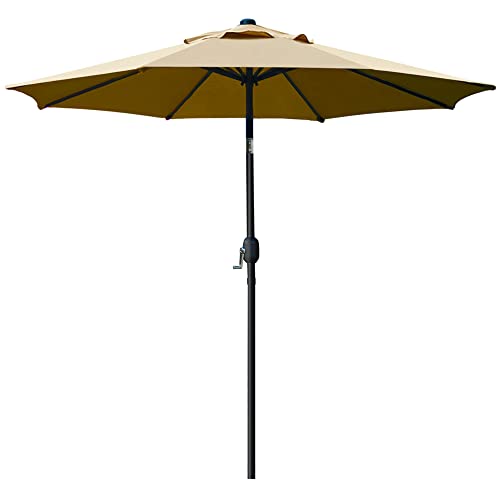

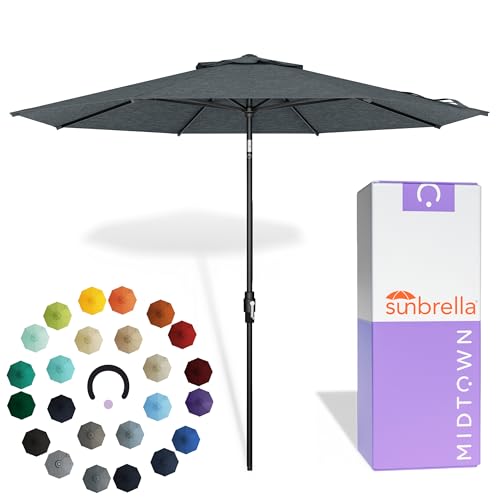

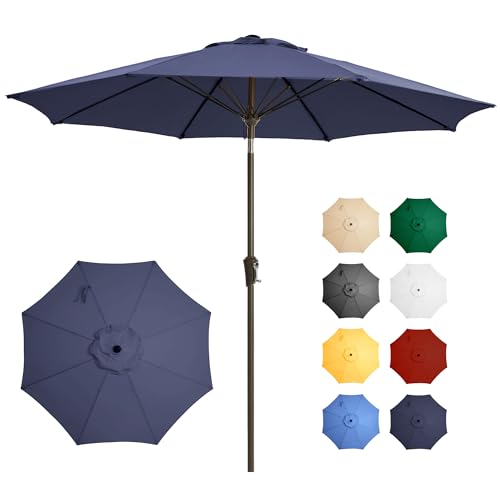
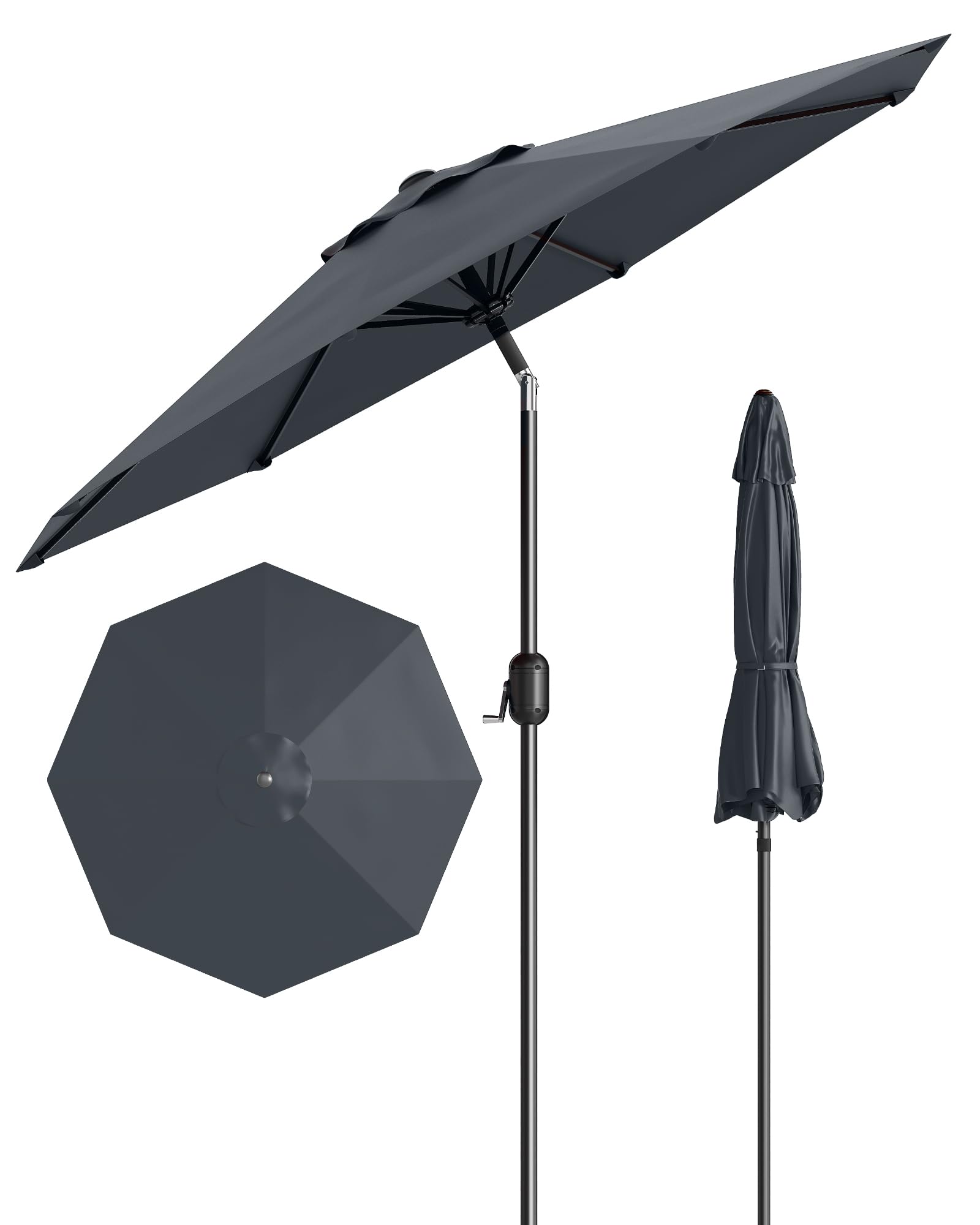
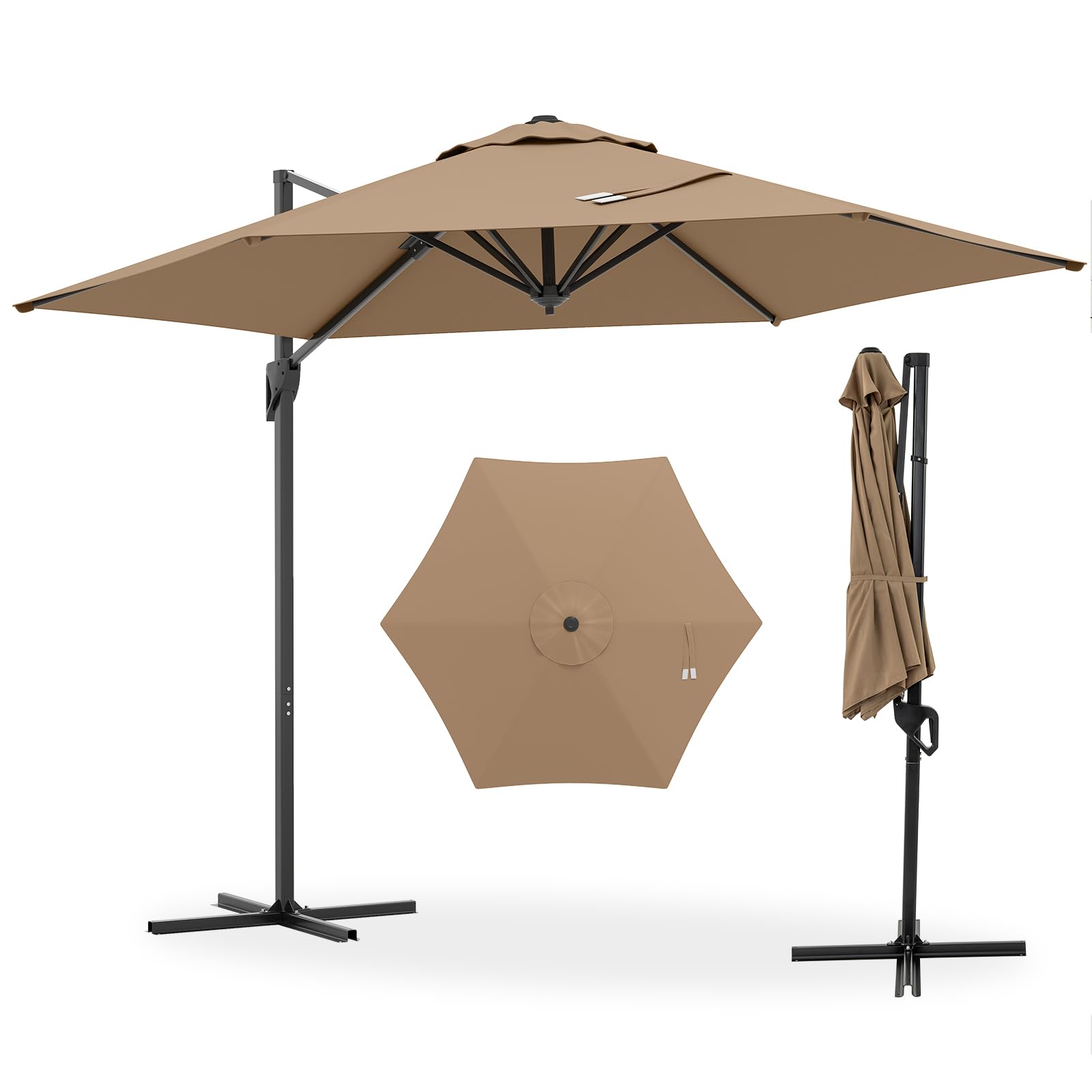
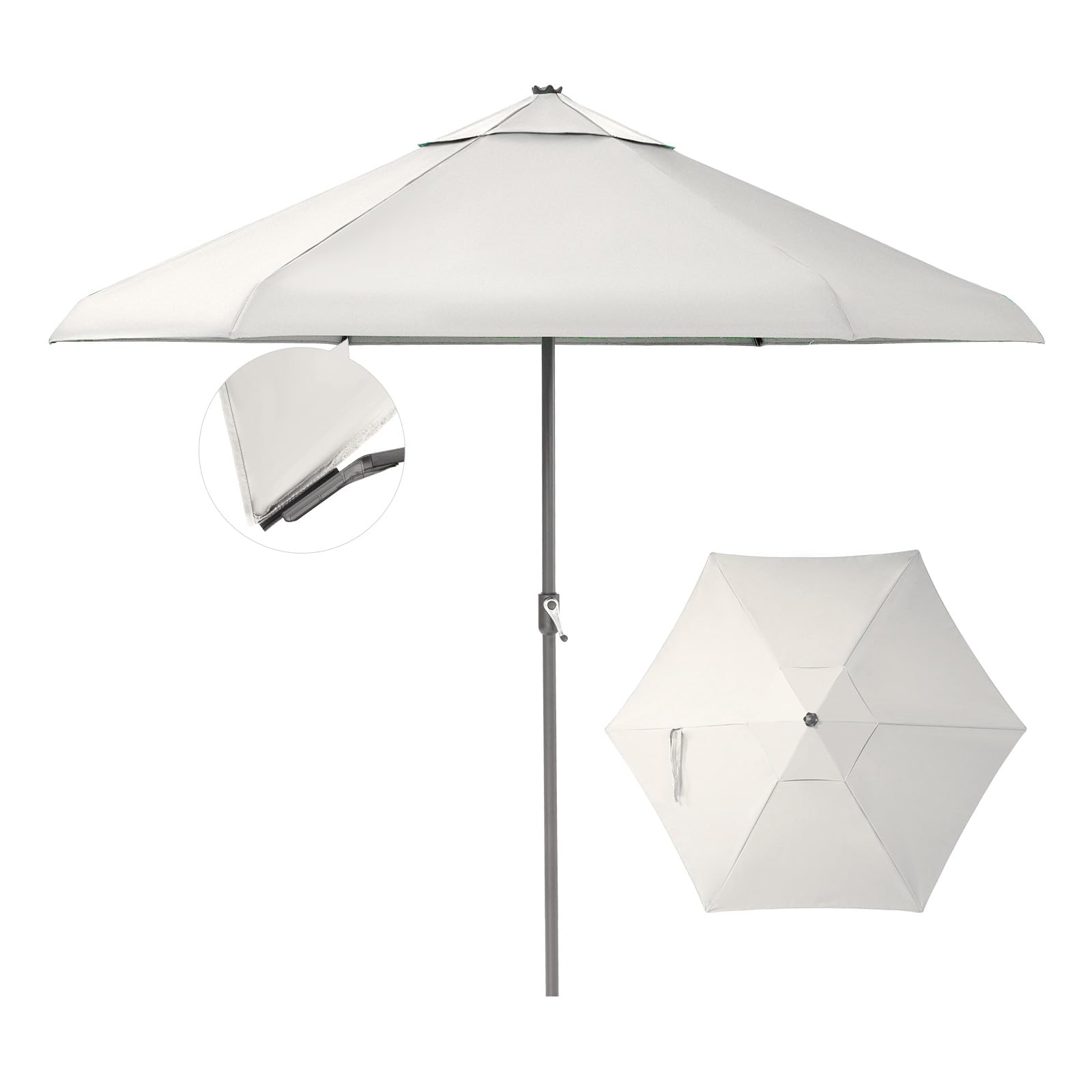


Types Compared for a 9 ft Shade Footprint
Three designs dominate this size, and each solves a different layout problem. A market style umbrella drops its pole through the center of a table. An offset design hangs the canopy from an arm so the pole stands clear of your seating. A tilting market umbrella adds an angled canopy for low sun. None of them is best for every yard, so start with your layout.
Market Umbrellas for Tables and Small Decks
The classic market umbrella uses a straight center pole, usually wood or aluminum, with ribs that open above a table or a small seating group. It suits round tables about 42 to 54 inches across and seats four to six people in shade when the sun is high. A crank lift makes opening easy, while a push button tilt helps later in the day. Choose this type if your table has a center hole and you want the simplest setup with the fewest parts to store.
Offset and Cantilever Umbrellas for Open Seating
An offset umbrella moves the pole to the side and suspends the canopy over a lounge set, a sectional, or a pool deck where no table hole exists. That clear space underneath is the main reason to pay more for this design. The trade off is a larger base footprint and a frame that catches more wind, so placement and anchoring matter more here. Our breakdown of cantilever vs market umbrella layouts explains the space each style needs, and the guide to the best cantilever patio umbrella covers larger hanging models.
Tilting Umbrellas With Added Features
Some 9 ft market umbrellas add tilt joints, vented tops, or small solar powered lights along the ribs for evening use. Tilt is the most useful of these extras because morning and late afternoon sun arrives at a low angle and a vertical canopy leaves half the table in glare. Lights add pleasant glow but little task brightness, and they add a battery and panel to maintain. A vented top is worth more than lights if your yard gets gusty afternoons, since the vent lets air escape instead of lifting the canopy.
How to Choose the Right Patio Umbrella
Once you know the type you need, compare the details below in order. Size and fit come first, then the frame and fabric, then the extras. Spending on a feature you will rarely use while skimping on fabric weight is the most common way buyers end up disappointed with an otherwise sound umbrella.
Size and Form Factor
A 9 ft canopy is measured across the canopy from edge to edge when open, and it shades a circle a little smaller than that in practice because the fabric curves at the edges. Round canopies fit round and square tables best, while rectangular canopies at this class suit narrow decks and long tables where a round shape would overhang a railing. Plan about two feet of clearance beyond your table edge on each side, and measure the path the open canopy will swing through if you plan to tilt it near a wall or fence.
Type and Pole Placement
Pole placement decides where people can sit. A center pole works when a table supports it and everyone sits around that table. An offset pole works when furniture sits in an open group with no single center point. Also check pole diameter before you order, since most 9 ft market poles measure about 1.5 inches and must pass through your table hole and fit your base tube. A pole that is too loose will wobble and knock against the table, while one that is too thick simply will not pass through.
Features Worth Paying For
A crank lift is worth paying for because you will open and close the umbrella often, and a smooth crank spares the pulley cord wear that comes with manual lifts. Tilt, either push button or collar style, earns its cost on west facing decks where evening sun is the whole reason you bought shade. A vented canopy top adds stability in light gusts. Skip fragile extras you cannot replace, such as complex light strings woven into the fabric, because one failed strand can mean replacing the whole canopy rather than a single part.
Materials That Handle Weather
Canopy fabric does most of the work. Solution dyed acrylic resists fading longest and handles seasons of strong sun, while polyester costs less and suits shaded or covered patios where ultraviolet exposure is lower. Olefin sits between them on price and fade resistance. For the frame, powder coated aluminum resists rust at the coast and near pools, wood gives a classic look but needs oiling, and steel is strong yet heavy and prone to rust once the finish chips. Fiberglass ribs flex in gusts instead of snapping, which suits exposed yards.
Assembly and Anchoring
Most market umbrellas arrive in two pole sections that join above the table, plus a separate base you fill or weight yourself. Offset models take longer, with a cross base, a rotating arm, and several bolts to align. Weight matters more than base shape. A table supported market umbrella can sit in a base of about 50 pounds, while a freestanding one needs notably more to stay calm in a breeze. The guide to the best patio umbrella with base explains fill options, and sand filled bases resist tipping better than water filled ones in freeze prone areas because sand does not expand.
How Much Should You Spend?
Under $50 usually buys thin polyester, a steel pole, and a simple lift, fine for a rental or a single season of light use. About $50 to $100 adds a crank lift, tilt, and better stitching. About $100 to $200 is where thicker fade resistant fabric, aluminum frames, and vented tops become common, and this band suits most owners who use shade daily. About $200 to $500 covers offset frames, solution dyed acrylic, and stronger ribs. Pay for fabric and frame first, because those decide how long the umbrella stays pleasant to use.
Is a 9 ft Patio Umbrella the Right Size for You?
For most four to six seat outdoor tables, yes. A 9 ft canopy covers a 42 to 54 inch table with enough overhang that diners at the edge are not sitting in a stripe of sun. It also works over two lounge chairs and a side table. It starts to feel small over a six foot rectangular table, where the ends poke out, and it feels oversized on a tiny balcony where the canopy nearly touches both railings.
Step down to 7.5 ft only for a two seat bistro set or a narrow balcony. Step up when your seating group is wide or your table seats eight, and look at the best large patio umbrella options in 10 ft and 11 ft sizes instead of forcing one 9 ft canopy to cover everything. Two smaller umbrellas can also beat one large one on an L shaped deck, since each zone gets shade placed where people actually sit rather than where a single pole happens to stand.
Care and Off Season Storage
Brush loose dirt off the canopy while it is dry, then wash it with mild soap and lukewarm water using a soft brush, working from the seams outward. Rinse fully and leave the umbrella open until the fabric is completely dry before closing it. The full step by step method in our guide on how to clean a patio umbrella covers mildew spots and frame washing in more detail. Check rib bolts and the crank cord each spring, and tighten anything that has worked loose over winter.
Store the closed umbrella upright in a dry garage or shed, ideally inside a storage bag that keeps dust off while letting air move. Bring it in before storms and during months when you will not use it, because winter wind does more damage than winter cold. If the base holds water, drain it before freezing weather arrives so the shell does not crack as the water expands.
FAQ
What size base does a 9 ft patio umbrella need on a windy deck?
On a deck that catches regular gusts, go heavier than the minimum you would use in a sheltered corner. A market umbrella held by a table can manage with about 50 pounds, but a freestanding 9 ft canopy on an exposed deck often needs about 75 to 100 pounds to stay steady. Flat paver weights that stack on a cross base add that weight without a bulky footprint, and they let you add or remove pounds as the season changes.
Can a 9 ft patio umbrella stay open during strong wind?
No design in this size is built to stay open in strong wind, even models sold as wind resistant. Close the canopy when gusts start lifting the fabric edges or rocking the pole, because a vented top only helps with light and moderate breezes. Tying the closed canopy with its strap also protects the ribs in storage, since loose fabric flapping against a wall or railing wears thin spots into the cloth over a single stormy night.
Does a 9 ft patio umbrella fit a standard patio table hole?
Most do, since standard table holes and most 9 ft market poles are both built around about 1.5 to 2 inches. Measure your hole and the pole before ordering anyway, because decorative tables sometimes have smaller openings and some offset poles are far thicker. If the pole fits loosely, a simple sleeve insert in the base tube removes the rattle without changing the table, and it keeps the pole from wearing the paint around the hole edge.
Can you replace just the canopy or a rib on a 9 ft umbrella?
Often yes for market styles, where the canopy lifts off the rib tips and makers sell spare fabric in the same size. Ribs on many aluminum frames also unbolt for swapping. Before buying, check that the maker lists spare canopies for your exact frame shape, since a canopy cut for eight ribs will not sit right on a six rib frame. Keeping the model details from your receipt makes finding the right spare much easier later.
How far should a 9 ft umbrella sit from a pool edge?
Place the base so the open canopy edge clears swimmers entering and leaving the water, which usually means the pole stands at least a few feet back from the coping. Shade should fall across the shallow steps or a lounger zone rather than the main swim lane. Chlorine splash will fade fabric faster near the water, so a rinse with clean water after heavy pool use helps the canopy keep its color through the season.
Final Thoughts
Start with your layout, not the fabric chart. A market umbrella through a table, an offset frame over open seating, and a tilting canopy for low evening sun each solve a clear problem, and the right type makes every other choice easier. Spend first on fabric weight, frame material, and enough base weight, then add tilt or lights only if your routine calls for them. Compare your shortlist in the product table above, pick the best 9 ft patio umbrella for how your space is actually used, and you will get shade that feels planned rather than improvised.