Best 8x32 Binoculars for Birding: Matching the Right Model to Your Routine for 2026
Disclosure: We may earn a commission when you buy through links on this page, at no extra cost to you. As an Amazon Associate I earn from qualifying purchases. Learn more

Choose the best 8x32 binoculars for birding by field of view, close focus, eye relief and weight.
There is no single pair that suits every birder, because the way you bird shapes what matters most. A wide view helps in woods, a light body helps on long walks, and close focus helps when birds land nearby. The best 8x32 binoculars for birding for you are the ones that match your habitat, your hands, and your eyes, not simply the most expensive option in the comparison table below.
This format gives you 8 times magnification with a 32 mm objective lens, a balance that feels steady, travels easily, and still shows real detail. The guide below explains how to judge field of view, focus, comfort, and clarity so you can choose with confidence.
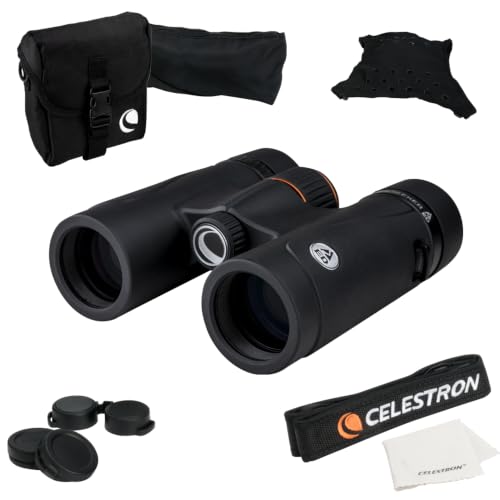

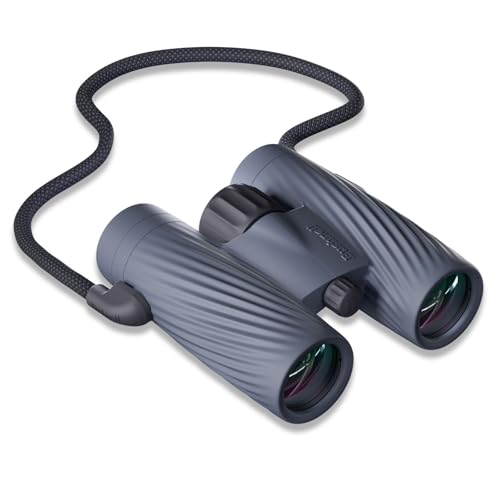
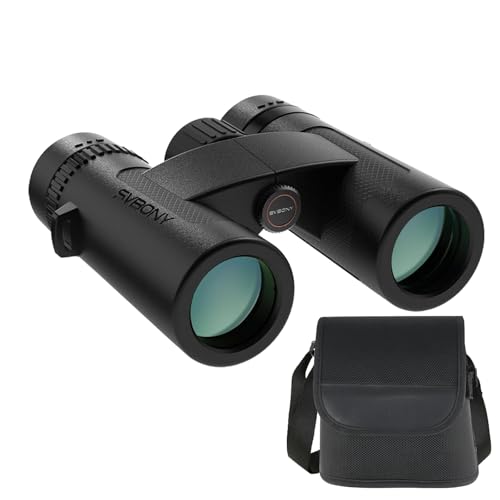
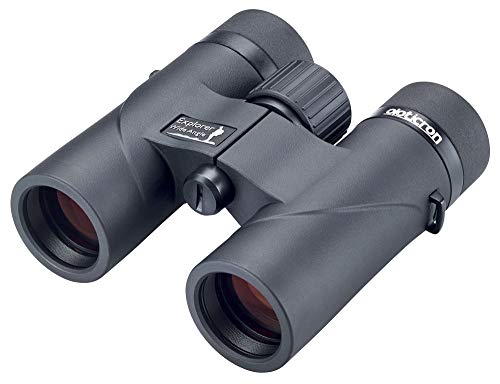
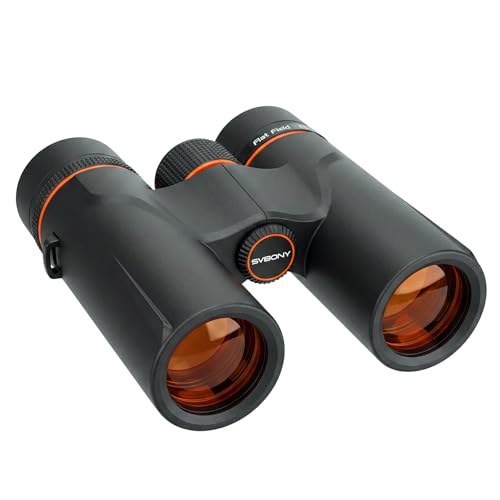
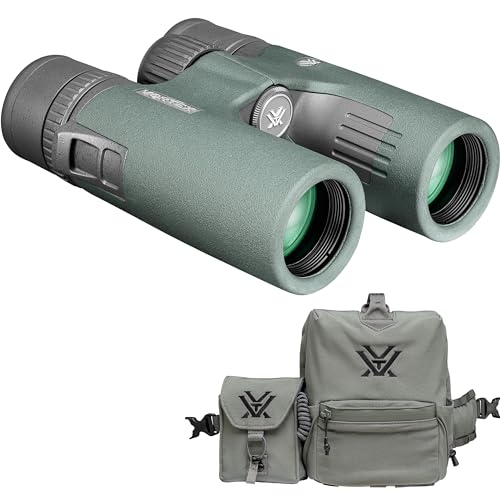

Who Should Buy Which 8x32 Binoculars?
Start with your routine rather than a spec sheet. Where you walk, how long you stay out, and whether you wear glasses will point you toward different priorities, even though every pair here shares the same 8x32 layout. If you want a broader starting point, see our guide to the best binoculars birding choices that cover larger and smaller formats as well.
Woodland Walkers Who Need a Wide View
In woods and dense brush, birds appear briefly between branches and move again before you settle on them. You benefit most from a wide field of view and a smooth central focus wheel. Prioritize width over extra magnification, because finding the bird quickly matters more than a slightly larger image once you have already lost its position in the leaves.
New Birders Learning to Find Birds Fast
When you are still training your eyes and ears together, ease of use matters more than advanced glass. Look for forgiving eye placement, simple diopter adjustment, and a focus wheel that turns without stiffness. A forgiving view helps you stay on a moving bird while you learn field marks. For a gentler starting path, see our guide to the best birding binoculars for beginners and note how the advice there overlaps with this size.
Travelers and Hikers Who Pack Light
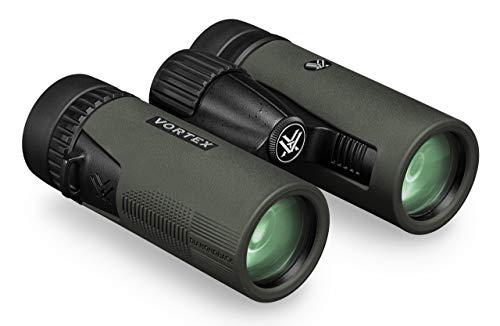
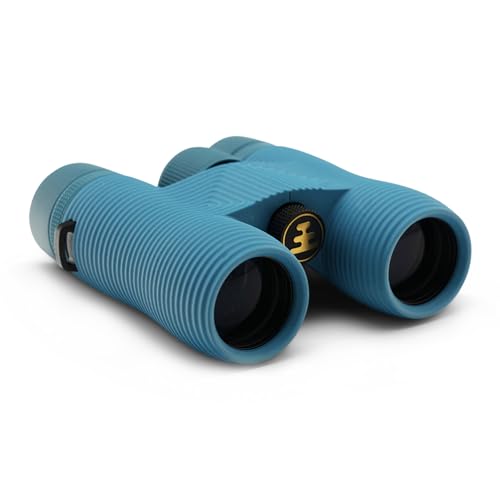
If your binoculars share a bag with water, layers, and a field guide, weight and bulk decide whether you bring them at all. Compact 8x32 models shine here because they hang lightly and fit in a jacket pocket or a small daypack side pocket. If small size is your top priority, see our guide to the best small binoculars for birding for how this format compares with even tinier options.
Backyard Watchers and Daily Walkers
For feeders, park ponds, and neighborhood walks, you need a pair that is ready in seconds and pleasant to hold for short, frequent outings. Close focus, comfortable eyecups, and a strap that does not twist are worth more than extreme low light strength. A comfortable pair gets used daily, while an awkward pair stays at home.
Key Features to Compare
The product table above lists headline numbers, but numbers alone do not show how a pair feels in the field. When you compare the best 8x32 binoculars for birding, use the factors below to judge what you will notice when a warbler darts across a trail or a hawk circles overhead.
Field of View and How Fast You Find the Bird
Field of view describes how wide an area you see at 1000 yards, often listed in feet or in degrees. A wider view makes it far easier to locate a bird after you first spot it with your naked eye, and it helps you follow birds in flight without constant correction. For woodland and general birding, favor the wider end of the range in this size. A narrow view can feel like looking through a tube, even when the center looks sharp.
Close Focus for Nearby Birds and Butterflies
Close focus is the shortest distance at which the binoculars can still form a sharp image. Many birding moments happen close, at a feeder, along a hedge, or when a bird drops to the ground a few steps away. A close focus of about 6 feet or less lets you enjoy feather detail at short range and also works well for butterflies and dragonflies. Longer distances force you to step back and can cost you the moment.
Eye Relief, Eyecups, and Glasses Comfort
Eye relief is the distance from the eyepiece where you can still see the full view. If you wear glasses, you need longer eye relief, often around 15 mm or more, paired with eyecups that retract fully so your lenses sit at the right distance. Without enough relief, the edges turn black and the effective field shrinks. Firm eyecup clicks also help, because the cups stay where you set them during a walk.
Glass, Coatings, and Image Clarity
Clear identification depends on contrast and color accuracy as much as on magnification. Glass described as extra low dispersion helps reduce color fringing around high contrast edges, such as a dark bird against a bright sky. Coatings on lenses and prisms improve light transmission and cut reflections, which keeps plumage colors true and helps you separate similar species. A step up here is often visible in dull or backlit conditions.
Brightness, Exit Pupil, and Low Light Limits
Divide the objective size by the magnification and you get the exit pupil, which is 4 mm for every 8x32 pair. That size handles daylight and open shade well, but it gathers less light than a larger objective at dawn and dusk. Good coatings help make the most of available light, yet no coating changes the basic physics. If most of your birding happens in bright or mixed light, this trade is sensible because you gain a lighter body in return.
Size, Weight, and Handling on Long Walks
Most 8x32 models weigh roughly 14 to 22 ounces, light enough for hours around your neck with a decent strap. Shape matters as much as weight. A body that fills your hands without forcing your fingers to stretch, balanced weight between the barrels, and a focus wheel you can reach with one finger all reduce fatigue. A wide padded strap or a simple harness spreads the load and stops swinging against your chest.
How to Check Fit and Focus Before You Commit
Set the barrel hinge so both circles of view merge into one clean image with no black edges, which means matching the spacing to your interpupillary distance. Next, use the diopter dial, usually on the right eyepiece, to balance any difference between your eyes. Cover one lens, focus with the central wheel, then cover the other lens and adjust the diopter until that side is sharp.
Once fit is set, test focus travel by moving from a near sign to a distant tree line. The wheel should move smoothly without loose play or tight spots, and it should take only a modest turn to go from close to far. Fast, smooth travel helps with birds that shift distance quickly. If you also use this size for general nature viewing, see our guide to the best 8x32 binoculars for how the same fit checks apply outside birding.
Better focus mechanics and eyecups often arrive as price rises. If cost is your main limit, see our guide to the best budget binoculars for birding and spend first on field of view and comfort.
Common Mistakes to Avoid When Buying 8x32 Binoculars
- Choosing higher magnification instead of this size and then struggling with a narrower view and more hand shake on every bird.
- Ignoring field of view, which makes birds in woods and in flight much harder to find and follow from the first moment.
- Skipping the glasses test, so short eye relief cuts off the edges of the view whenever you wear eyeglasses or sunglasses.
- Judging only by price, which can mean paying for premium glass while getting a stiff focus wheel you dislike using.
- Forgetting close focus, so feeder birds and nearby perched birds stay blurry until you step far back and scare them off.
- Buying without checking waterproofing, so a light rain or morning mist leaves internal fog that ruins the view for the day.
How to Make Your 8x32 Binoculars Last Longer
Clean the lenses only with a soft lens cloth or a lens brush, never with a shirt or a paper tissue, because grit dragged across the glass can leave fine scratches. Blow loose dust off first, breathe lightly on the lens if needed, and wipe gently in a small circle from the center outward. Keep both lens caps on whenever the pair is not in use.
Store the binoculars in a dry, padded case away from heat and damp, and let a wet pair air dry at room temperature before you seal it away. Check the strap regularly for wear after coastal trips. Never attempt to open the body yourself, because the sealed gas filling that prevents internal fog will escape and the alignment can shift.
Frequently Asked Questions About 8x32 Binoculars for Birding
What features matter most in 8x32 binoculars for birding?
A wide field of view matters most in 8x32 binoculars for birding, followed closely by smooth focus and comfortable eye relief. Those three traits decide whether you find the bird and stay on it with ease. One extra point to weigh is focus wheel speed, since some birders prefer a slower wheel for fine control on perched birds at middle distance in good light on calm mornings.
Can a smartphone replace 8x32 binoculars for birding?
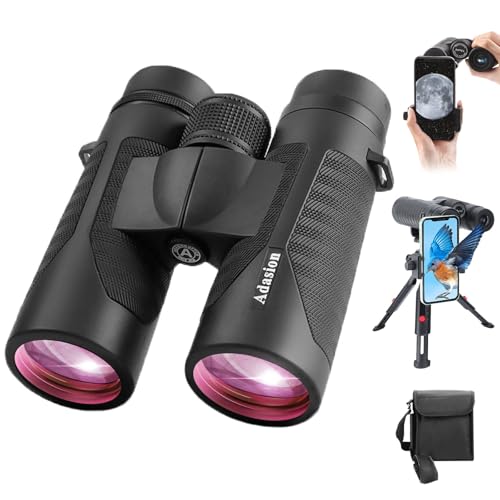
A smartphone cannot replace 8x32 binoculars for birding for most field use, because digital zoom crops the image and loses detail quickly. Phones are handy for recording a bird you have already found or for noting a location, and holding a phone to an eyepiece can capture a rough record shot. For scanning treetops, following flight, and judging subtle plumage, a dedicated optical view remains faster and clearer.
How much should you spend on a first pair of 8x32 birding binoculars?
You should spend enough on a first pair of 8x32 birding binoculars to get reliable focus, decent coatings, and solid waterproofing, which often means a budget in the lower hundreds of dollars. Spending more mainly improves edge clarity and low light contrast rather than basic usability. A useful extra to budget for is a comfortable strap or harness, which can make a modest pair feel far better on long morning walks.
What does 8x32 mean on birding binoculars?
On birding binoculars, 8x32 means the image appears eight times closer than with your naked eye and each front lens measures 32 mm across. That pairing is popular because it balances steadiness, width of view, and compact size in one package. The second number also affects how bulky the barrels feel in small hands, which is why this size suits many younger birders and travelers who dislike heavy gear.
Are 8x32 binoculars or 8x42 binoculars better in low light for birding?
8x42 binoculars are better in low light for birding because their larger front lenses deliver a larger exit pupil and a brighter image at dawn and dusk. The difference shows most in deep shade and in the final minutes of light, less so on open water or fields. If you choose the smaller size anyway, pick a model with strong coatings and plan most outings for fuller daylight hours.
What specs matter most for beginners choosing 8x32 binoculars?
For beginners choosing 8x32 binoculars, the specs that matter most are field of view, eye relief, close focus, and weight, in that general order. Those numbers shape daily comfort more than small differences in glass type at entry prices. Beginners should also check warranty terms and the return policy, because a generous return window lets you test eye comfort at home under real viewing conditions before you commit fully.
Final Thoughts
Judge this size by how you actually bird. Give the most weight to field of view, focus smoothness, and eye comfort, then let glass quality and price refine the choice. Use the product table above to compare those traits side by side, and remember that the best 8x32 binoculars for birding are the ones you will happily carry on every walk, in every season, without hesitation.