Best 8x25 Binoculars for 2026: Everything to Know Before Your First Purchase
Disclosure: We may earn a commission when you buy through links on this page, at no extra cost to you. As an Amazon Associate I earn from qualifying purchases. Learn more

Shopping for the best 8x25 binoculars for the first time? Learn the terms, compare options, and avoid rookie mistakes with this easy beginner guide.
A compact binocular is often the first optic people buy, and the 8x25 size is the one that actually gets carried. It slips into a jacket pocket, hangs light around the neck, and still shows a clear, steady view at a ball game, on a trail, or from a hotel balcony. If you are shopping for the best 8x25 binoculars for the first time, the terms matter more than the badges, and this guide teaches them in plain English.
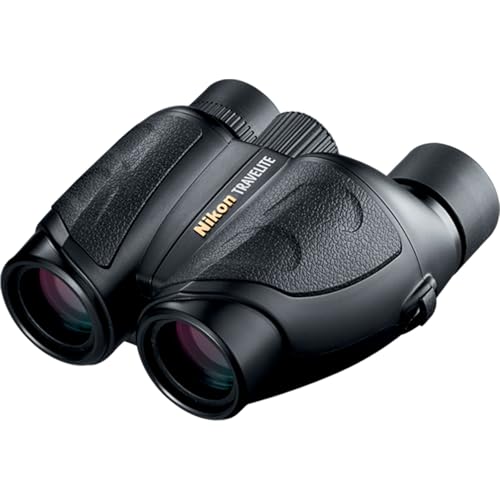
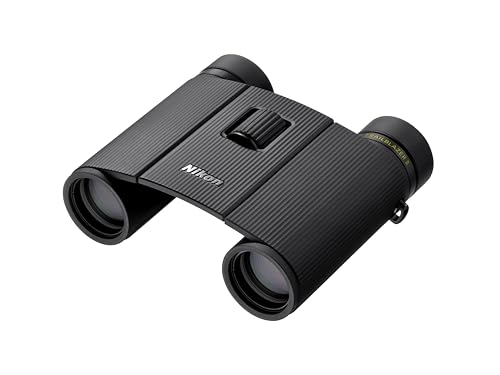
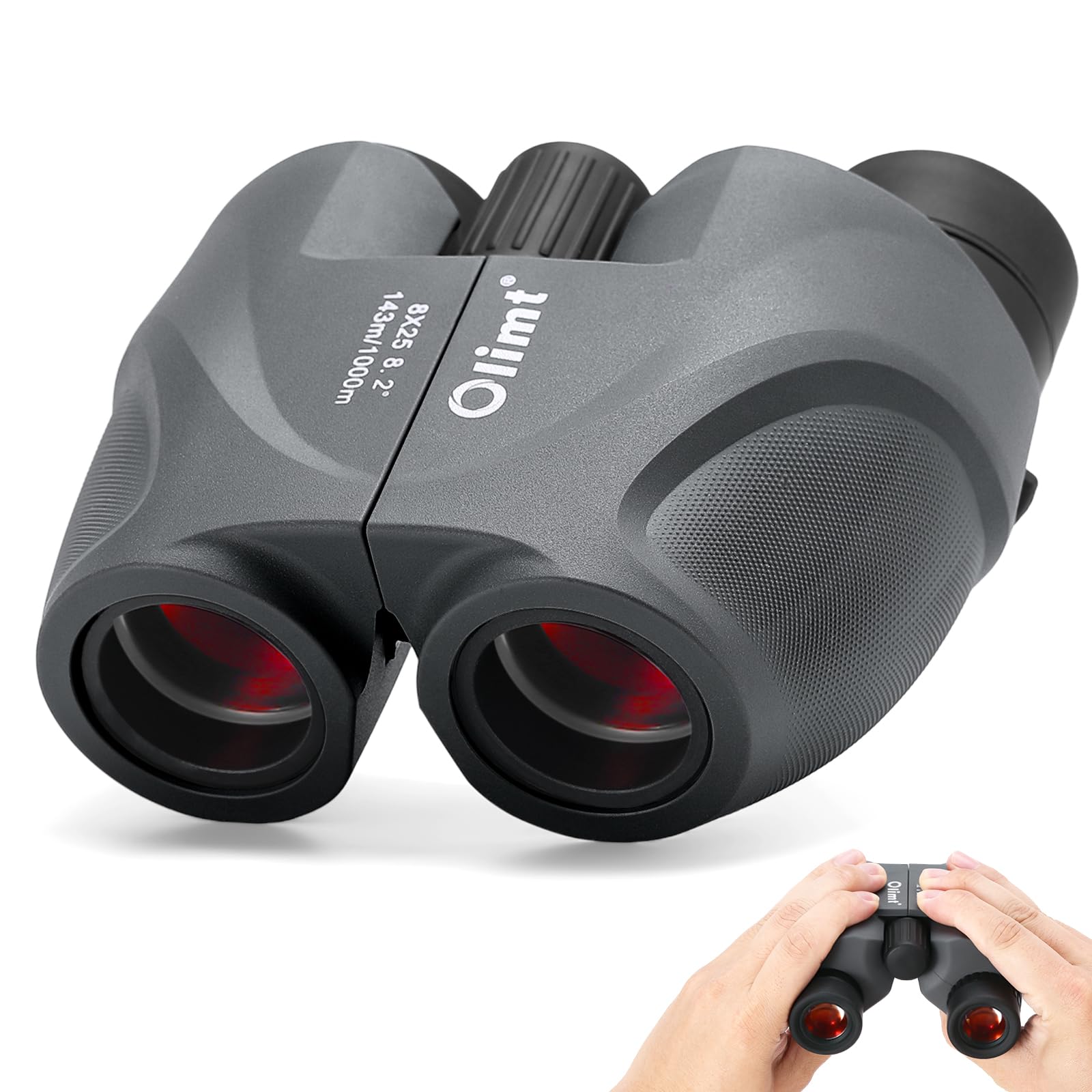
We will start with what the numbers mean, then walk through the handful of specs that change what you see, the mistakes new buyers make, and how to set up a new pair in a few minutes. The comparison table below collects the main options so you can see the field before we slow down and explain it.


8x25 Binoculars 101: The Basics
The two numbers describe the whole instrument. The first, 8x, is the magnification: objects look eight times closer than with the naked eye. The second, 25, is the diameter of the front lenses in millimeters, and it controls how much light the binocular gathers.
Most 8x25 models use a roof prism design, which keeps the barrels straight and slim instead of the bent shape of older field glasses. A center focus wheel sharpens both barrels at once, and a small diopter ring fine tunes one side for your own eyes.
That small lens makes the 8x25 a daylight instrument, happiest between sunrise and sunset in open light. Travelers carry one for sightseeing, hikers for trail finding and wildlife, and sports fans for following play from high seats. Many birders also keep a compact as a spare in the car, and our best binoculars birding guide covers the larger glasses most of them use as a main pair. Understanding those two numbers is the fastest way to compare the best 8x25 binoculars with the bigger formats beside them.
Key Specs Explained in Plain English
Six specs decide whether a compact feels bright and easy or dim and fiddly. Star scores are a weak shortcut here: lists of best rated binoculars simply gather shopper reports, not measured optical tests, so learn the numbers below instead.
Exit Pupil and Brightness
The exit pupil governs how bright a compact binocular can ever look, so learn it first. Divide the lens size by the magnification and you get the width of the light beam that reaches your eye: 25 divided by 8 gives about 3.1 mm on an 8x25. Your own pupil opens to about 2 to 3 mm in daylight, so the match is good and the view looks full and bright.
At dusk your pupil stretches toward 5 mm or more, and a beam of about 3.1 mm cannot fill it, which is why an 8x42, delivering about 5.3 mm, looks clearly brighter at dawn. Hunters who glass fields at first light often browse lists of best rated binoculars for hunting, but those ratings are shopper opinions rather than test results, and most of those hunters end up with a larger lens for exactly this reason.
Size, Weight, and Pocket Fit
Size is the reason this class exists, so weigh it honestly against the bigger formats. A typical 8x25 weighs about 8 to 12 ounces and folds to roughly the size of a paperback, which means it rides in a jacket pocket, a glove box, or a small belt pouch without complaint. The pair you carry takes better pictures in your memory than the finer pair left at home because it was bulky. Roundups of best rated compact binoculars rank models by shopper ratings, which say more about popularity than about how a given pair fits your hands and eyes, so handle one in a store when you can.
Field of View
Field of view is the width of the scene you can take in at once, usually quoted in feet at 1,000 yards. Compact 8x25 models typically show about 300 to 360 feet, and a wider figure makes it far easier to follow a moving bird, a runner, or a boat without losing it at the edge. Birders feel this most, and our guide to the best binoculars for birdwatching explains why watchers often trade a little magnification for a wider view. For travel and stadium use, a generous field also means less hunting around for your subject.
Focus Wheel and Close Focus
The focus wheel is the control your finger lives on, so it should turn smoothly through its full range without grit or stiffness. A large, textured wheel is easier to use with cold hands or light gloves. Close focus is the nearest distance the binocular can sharpen, and on compacts it runs about 4 to 8 feet. That matters more than most beginners expect, because it decides whether you can watch a butterfly, a dragonfly, or a bird on the nearest feeder in fine detail.
Eye Relief and Glasses
Eye relief is the distance your eye can sit behind the eyepiece and still see the whole picture. Compacts offer about 10 to 16 mm, which is tight if you wear glasses, because the glass itself holds your eye farther back. Glasses wearers should look for about 15 mm or more and choose twist up eyecups that stay where they are set. Too little relief cuts the edges of the view into a narrow tunnel, even when the optics themselves are good.
Durability and Weather Sealing
Read sealing claims carefully, because waterproof and water resistant are different promises. A waterproof pair is sealed with rings and filled with nitrogen, so it shrugs off rain and will not fog inside when you step from cold air into a warm room. A water resistant pair survives splashes but should not be used in steady rain. Rubber armor over the barrels absorbs the knocks that travel gear always collects, and it also gives cold hands a surer grip.
Rookie Mistakes to Avoid
- Choosing by magnification alone, when a higher power in a small body shakes more and shows a dimmer, narrower scene.
- Expecting a compact to match a full size binocular at dusk, then blaming the brand when the small lens gathers less light.
- Skipping the diopter setup and judging sharpness with one eye effectively out of focus.
- Buying an unsealed pair for boat trips or wet climates, where one rainy afternoon can fog the inside for good.
- Judging by star ratings alone instead of checking whether the size and eye relief suit your own face.
Getting Started: Setup and First Use
Five minutes of setup makes a new pair feel twice as sharp. First, bend the hinge until the two circles merge into one round view with no dark edges. Next, pick a distant sign, cover the right lens, and turn the center wheel until the left view is crisp. Then cover the left lens and use only the diopter ring to sharpen the right view, and note that setting, because it rarely needs changing again.
Clean the lenses with a soft lens cloth rather than your shirt, since grit on fabric scratches coatings. Finally, fit the neck strap before the first outing, because the one drop a strap prevents is the one that ends a binocular.
FAQs
Are 8x25 binoculars good in low light?
They are fair in mild low light and poor in deep shade. Lit stadiums, stages, and harbors at dusk are fine, because artificial light does the work the small lens cannot. In a dark forest the view fades early, and bracing your elbows on a rail or post helps more than any setting on the binocular. If most of your watching happens near dawn, a larger lens size is the honest answer rather than a different compact.
What specs matter most for a first time binocular buyer?
After the exit pupil and field of view covered above, check the interpupillary range, which is how narrow or wide the barrels can spread to match your eyes. Most compacts span about 56 to 72 mm, and smaller faces or younger users need the low end of that range. Also buy from a seller with easy returns, because binocular fit is personal in a way the spec sheet cannot capture. A pair that feels wrong in your hands will stay home.
How much should I spend on my first 8x25 binoculars?
Expect about $25 to $60 for a basic pair, about $60 to $150 for the range most first time buyers should target, and about $150 to $300 for premium compacts. The jump from budget to midrange buys better lens coatings and a smoother focus wheel far more than it buys extra features. Spending past that range mostly refines the edges of the view and the build quality. One good midrange pair outlasts two cheap ones.
Can a smartphone replace 8x25 binoculars?
Not for sustained watching. A phone zoom is mostly a digital crop, so detail thins out fast, and holding a phone up for ten minutes drains the battery you need for maps and photos. A binocular gives a steady two eye view that is comfortable for a full match, a long trail stop, or an hour of sightseeing. Phones win for sharing a quick photo, and that is a different job.
What do the numbers 8x42 and 10x42 mean on binoculars?
The first number is magnification and the second is the front lens size in millimeters, so an 8x42 magnifies eight times with a 42 mm lens, and a 10x42 magnifies ten times through the same glass. The larger lens gathers far more light than a 25 mm lens, which is why these formats rule at dawn and dusk. The cost is bulk: most weigh about 20 to 28 ounces and need a neck strap or harness rather than a pocket. Choose by how you will carry them, not by which looks more serious.
Final Thoughts
For a first purchase, judge an 8x25 by its exit pupil, its field of view, and whether it truly fits your pocket and your eyes. Those three checks filter out nearly every bad buy, and the setup steps above make a good pair feel sharp from day one. The best 8x25 binoculars are simply the ones that match your daylight habits at a price that feels fair. Compare the pairs in the product table above, and pick the one you know you will carry.