Best 8x10 Rugs: Sizing, Materials and Room Placement Guide
Disclosure: We may earn a commission when you buy through links on this page, at no extra cost to you. As an Amazon Associate I earn from qualifying purchases. Learn more

Room placement, materials, pile, and rug pads explained to help you choose the best 8x10 rugs.
An 8x10 rug is one of the most useful sizes: large enough to anchor a living room, wide enough for a queen or king bed, and common enough that you can find it in almost every style and fiber. The best 8x10 rugs are the ones sized correctly for the room, made from a material that fits your household, and backed so they stay flat.
Use the product table below to compare styles and materials, then read on for sizing rules, how to place the rug in each room, and what to check before you order.





Where an 8x10 Rug Works
Living Rooms
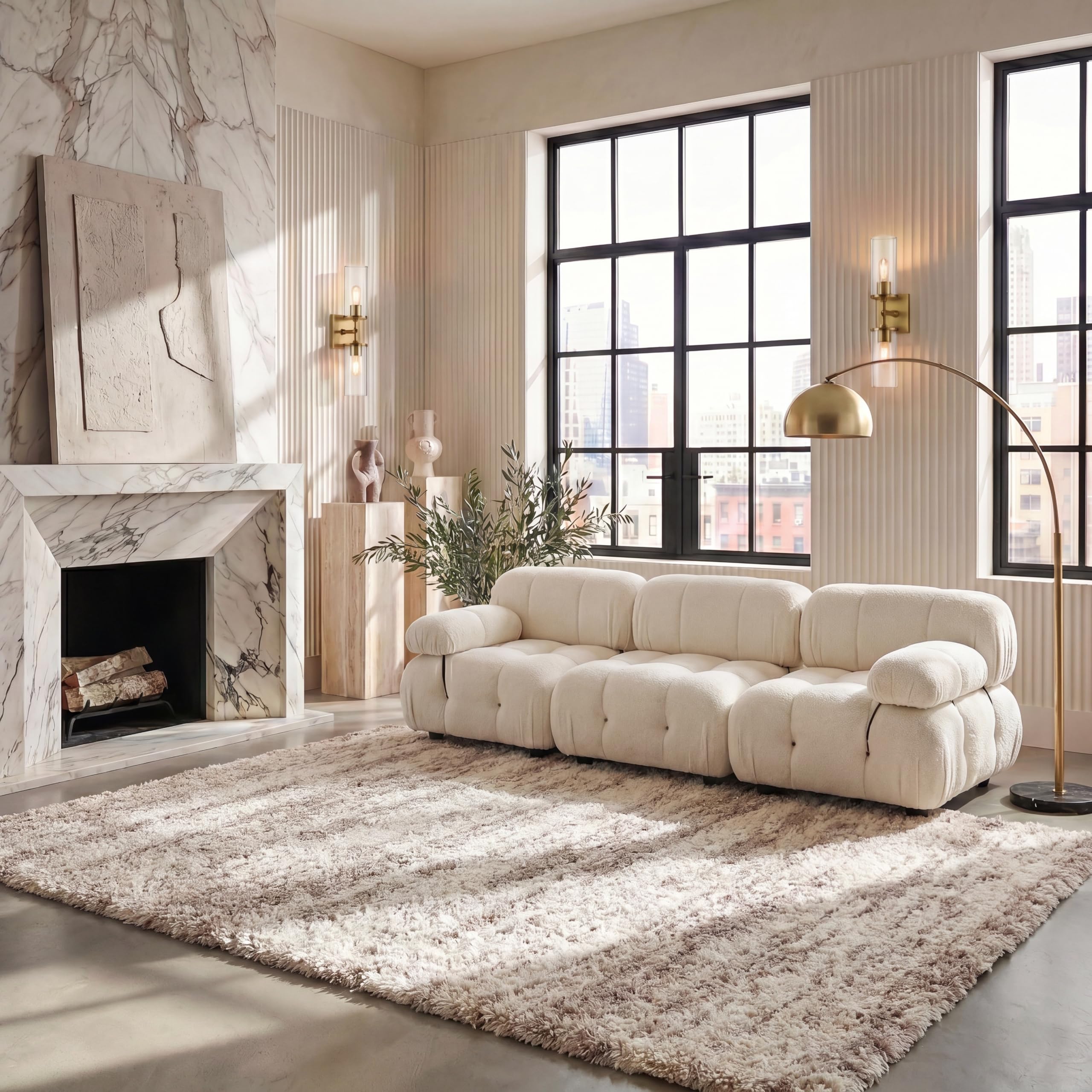
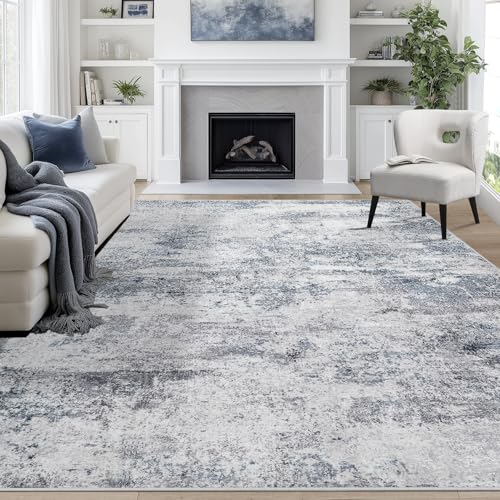
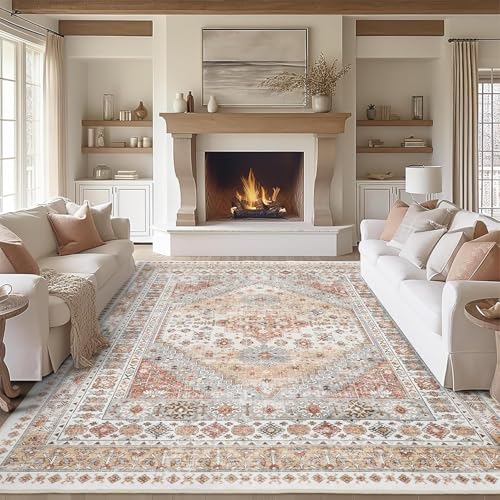
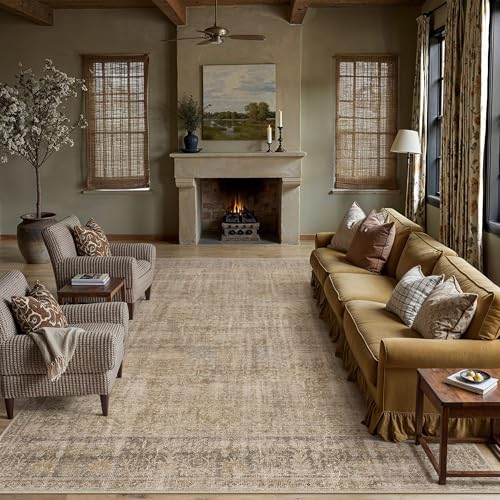
In a living room, an 8x10 rug lets the front legs of the sofa and chairs sit on the rug, which pulls the seating into one group. Leave about 12 to 18 inches of bare floor between the rug edge and the walls. In a small room this size can look too large, so measure first and mark the shape with painter's tape.
Bedrooms
Under a queen bed, an 8x10 rug placed two thirds of the way under the bed gives soft footing on both sides and at the foot. With a king bed, an 8x10 still works, but a larger rug leaves more border at the sides. Make sure the rug does not run into dressers or door swings.
Dining Rooms
A dining rug must be big enough that chairs stay on it when pulled out, which usually means the rug extends at least 24 inches past the table on every side. An 8x10 suits a table that seats four to six. A low pile or flatweave rug lets chairs slide easily.
Open Plan Spaces
In an open plan room, an 8x10 rug defines the lounge area without trapping the walkway. Pick a color that links to the sofa or the wall tones so the zone feels planned.
Choosing the Best 8x10 Rugs by Material
Wool
Wool is resilient, soft, and naturally stain resistant. It holds its shape under furniture, and it suits living rooms and bedrooms where you want comfort and durability. It costs more, may shed at first, and needs careful cleaning.
Synthetic Fibers
Polypropylene and polyester rugs are budget friendly and resist spills and fading. They suit busy homes and entryways. The feel is less rich than wool, but modern weaves look good and clean easily.
Washable Rugs
Washable rugs have thin pile and a backing that goes in the washing machine or can be cleaned in sections, depending on the maker. They suit homes with young children and pets. Check the care label, because large rugs may need a commercial machine or hand cleaning.
Jute and Natural Fibers
Jute and sisal add a natural texture and layer well under a softer rug. They are firm underfoot and are best in low spill spaces, because moisture can stain them.
Pile Height and Pad
Low pile suits dining rooms, entryways, and homes with pets, because it vacuums easily and does not catch furniture legs. Medium and high pile feels softer in bedrooms. Whatever you choose, add a rug pad. A pad stops sliding, adds cushioning, and protects the floor and the rug backing. Cut the pad about one inch smaller than the rug on every side.
What to Spend
Washable and synthetic 8x10 rugs usually cost about $80 to $200 and suit busy rooms. Wool and hand woven rugs run from about $250 into the high hundreds and last for many years when cared for. A mid priced rug with a good pad often beats a cheap rug that curls at the edges or loses shape in the first year. Check the pile weight and the backing description in the listing, because a thin, light rug usually wears faster under furniture and foot traffic.
Color, Pattern, and Cleaning
Neutral rugs in beige, cream, and gray make a room look larger and pair easily with other colors. Patterns and mixed tones hide dirt and wear. Dark solid colors show lint and pet hair. Vacuum weekly, rotate the rug every few months to even out wear and sun fading, and blot spills at once instead of rubbing.
Layering and Runners
An 8x10 rug also works as a base for layering. A smaller patterned rug on top of a neutral jute or flatweave base adds texture and color without the cost of a large patterned piece. In a bedroom, a runner on each side of the bed can stand in for a full rug when the budget is tight, although a single 8x10 keeps the room calmer and easier to vacuum. Whichever route you choose, keep the pile height of stacked rugs low so edges do not become a tripping point.
Common Mistakes to Avoid
The most common mistake is buying a rug that is too small, so that furniture sits half on and half off. Another is ignoring door clearance with a thick pile. A third is skipping the pad, which lets the rug creep and wear. Finally, check the return terms, since large rugs can arrive folded and need time to relax.
Frequently Asked Questions
Is an 8x10 rug big enough for a living room?
For many rooms, yes. It fits a seating group where the front legs of the furniture sit on the rug. Larger rooms may need a 9x12.
Should the rug go under a queen bed?
Yes, an 8x10 under a queen bed works well. Place it so about two thirds of the rug sits under the bed.
What pile height is best for an 8x10 rug?
Low pile for dining rooms and pets, medium pile for living rooms, and higher pile for bedrooms where you want softness.
Do I need a rug pad?
Yes. A pad stops sliding and extends the life of the rug and the floor under it.
Can I wash an 8x10 rug at home?
Only if the label says it is machine washable. Many large washable rugs need a large capacity machine or a laundromat.
Final Thoughts
Measure the room, pick a material that fits your household, and add a good pad. Use the product table above to compare the best 8x10 rugs by fiber, pile, and price. For a related guide, see the best 8x10 area rugs.