Best Bohemian Rugs for 2026 Made Simple: A Clear Buying Guide
Disclosure: We may earn a commission when you buy through links on this page, at no extra cost to you. As an Amazon Associate I earn from qualifying purchases. Learn more

Shopping for the best bohemian rugs for the first time? Learn the key terms, compare materials and sizes, and avoid rookie mistakes with this easy guide.
Buying your first bohemian rug is exciting and a little confusing. The patterns are bold, the terms are unfamiliar, and two rugs that look alike in photos can feel completely different under your feet. Learning a few basics first will help you pick the best bohemian rugs for your room instead of guessing from a thumbnail image.
This guide starts with what makes a rug bohemian, explains each spec in plain English, and ends with setup steps and answers to common first buyer questions. Browse the comparison table below for sizes and materials as you read, and measure your room before you fall in love with any pattern.





Bohemian Rugs 101: The Basics
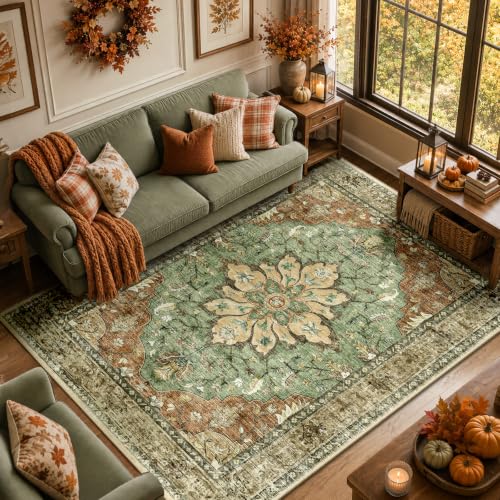
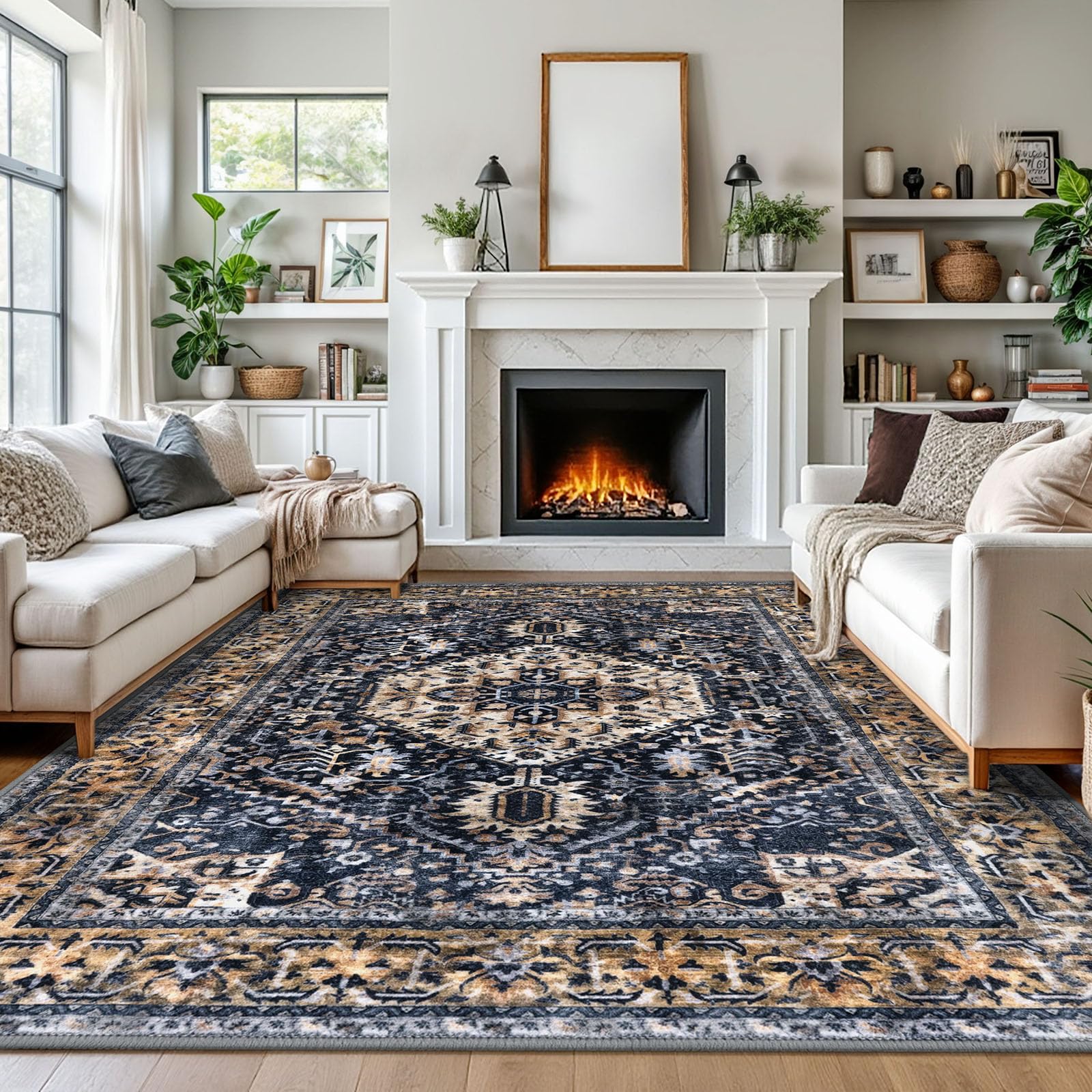
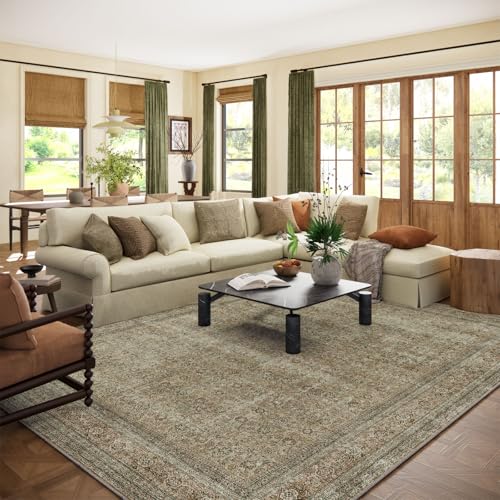
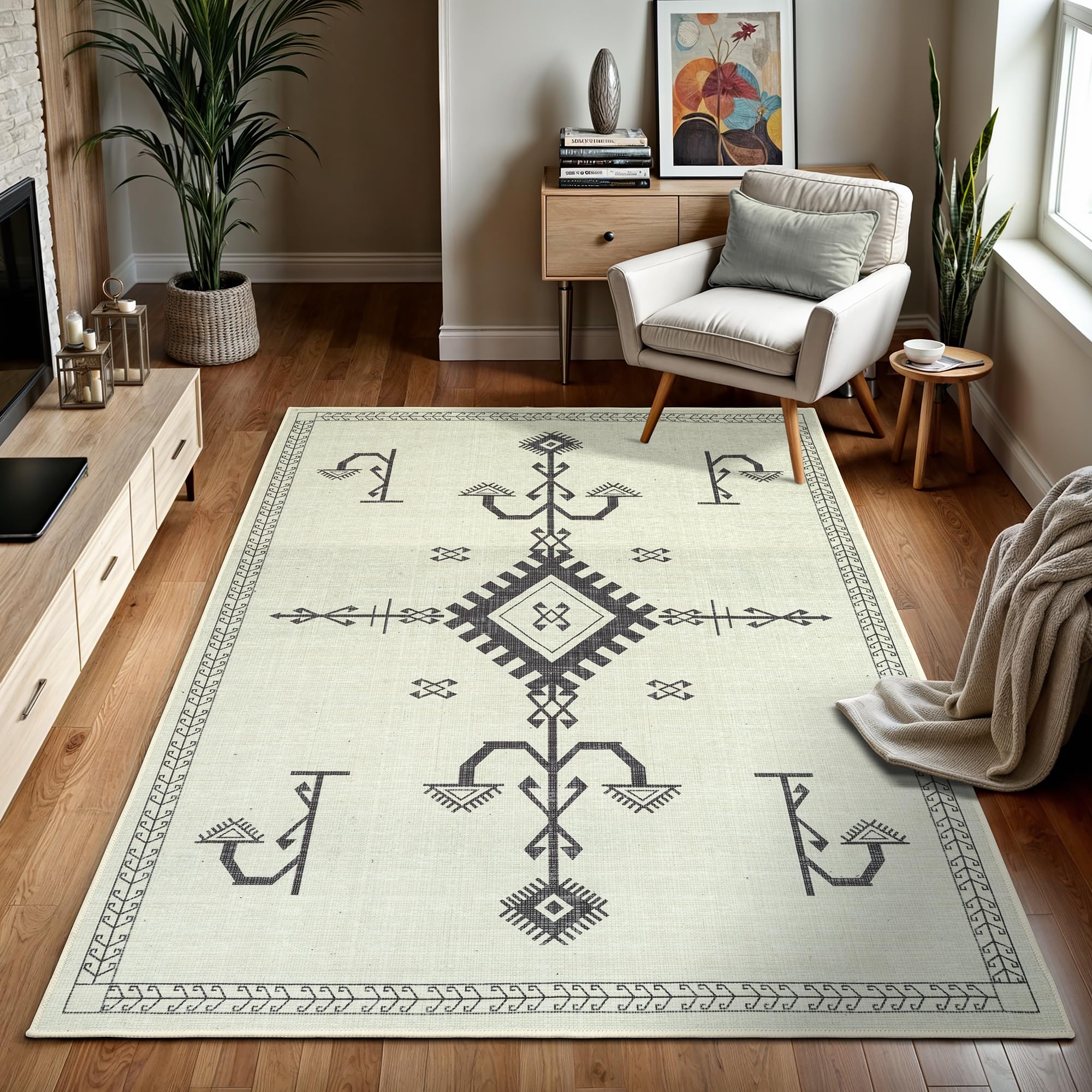
A bohemian rug is a floor rug with a free and layered look: mixed patterns, warm earthy colors, vintage style motifs, and often a slightly worn or faded finish on purpose. Common designs borrow from Persian, Moroccan, and tribal weaving traditions, then blend them in one relaxed piece. Unlike formal rugs with strict symmetry, bohemian styles welcome contrast, so they pair well with mixed furniture, plants, and textiles you already own.
Most bohemian rugs sold today are machine made from synthetic fibers, which keeps prices friendly and care simple. Hand woven and wool versions exist at higher prices and feel richer, with more variation in the pattern. The product table above shows which construction each option uses. Whichever type you choose, the rug job stays the same: soften the floor, define a seating or sleeping area, add warmth, and tie the colors of a room together. Readers who want a wider quality overview can start with our guide to the best quality rugs and then return here for style specific advice.
Key Specs Explained in Plain English
Materials and Fibers
Material decides feel, durability, and cleaning effort. Polypropylene is the most common fiber in bohemian rugs because it resists stains, handles sunlight, and costs less. Polyester feels softer and shows colors brightly but can mat down in busy paths. Wool is the traditional premium choice: springy, warm, and naturally resistant to dirt, though it sheds at first and needs gentler cleaning. Cotton and jute blends feel flat and casual and suit low traffic corners. For a first rug in a living room or bedroom, a synthetic fiber is usually the forgiving place to start.
Pile Height and Texture
Pile means the fibers that stand up from the backing, and pile height is simply how tall they are. Low pile rugs, under about a quarter inch, feel firm, vacuum easily, and let doors swing over them. Medium pile adds softness for bare feet in bedrooms. High pile and shag styles feel plush but trap crumbs, fight with chair legs, and need more cleaning effort. Distressed bohemian prints often use low pile on purpose, because the flat surface shows the faded vintage pattern clearly. Match pile to the room job, not only to the photo.
Size and Placement
Size is the spec first time buyers get wrong most often. In a living room, the front legs of your sofa and chairs should rest on the rug, which usually means choosing a larger size than you first picture. In a bedroom, the rug should extend past both sides of the bed so your feet land on it each morning. Dining rugs need about two feet of extra space on every side so chairs stay on the rug when pulled out. For narrow spaces, our guide to the best entry rugs shows how smaller formats handle doors and daily dirt.
Backing and Slip Safety
The backing is the underside that touches your floor. Many machine made rugs use a stiff jute or synthetic backing that can slide on wood or tile, so plan on a rug pad from day one. A pad adds grip, cushions your steps, protects the floor finish, and extends rug life by reducing friction. Felt plus rubber pads grip best on hard floors, while thin rubber pads suit low pile rugs under doors. Never rely on furniture weight alone to hold a rug in a walkway, because curled edges and sliding corners are trip risks, especially for kids and older adults.
Color, Pattern, and Dye Quality
Bohemian patterns forgive a lot, which is part of their charm for busy homes. Busy motifs hide crumbs, pet hair, and small stains between cleanings far better than a plain pale rug. Check how colors look in natural light, since warm indoor bulbs can shift reds and creams. Good dye work keeps edges between colors crisp instead of blurry. A distressed finish should look evenly faded by design, not patchy. If a listing photo shows only one small corner, ask for a full room view so you can judge the pattern scale against real furniture.
Certifications and Safety Labels
Labels tell you what testing a rug has passed. OEKO TEX certification means the materials were tested for harmful substances, a useful check for rugs in nurseries and bedrooms where kids play on the floor. Flame resistance ratings matter for rugs near fireplaces, and some regions require them for public spaces. Low odor on arrival is another practical quality sign, because strong chemical smells can linger for days in small rooms. Keep the label or a photo of it, since care codes and fiber content guide every cleaning choice you make later.
Rookie Mistakes to Avoid
- Buying too small, then watching the rug float in the middle of the room instead of anchoring the furniture.
- Skipping the rug pad, which leads to sliding, bunching, floor scratches, and faster wear on the backing.
- Choosing high pile for a dining room or hallway, where chairs, doors, and heavy foot traffic flatten and dirty it fast.
- Judging color from a phone screen alone without checking how the rug looks in daylight and warm evening light.
- Ignoring the cleaning method, then discovering the rug cannot go in a washer and needs costly professional care.
Getting Started: Setup and First Use
Unroll your new rug and give it a day to relax flat. Reverse rolling it loosely for a few hours, placing heavy books on stubborn corners, and walking on it all help creases fade. Vacuum both sides once to lift loose fibers from packing, then set your rug pad in place and lay the rug on top, smoothing from the center outward. In rooms with steady dampness, such as finished lower levels, lift and air the rug monthly so moisture cannot build beneath it; our guide to the best rugs for basement covers moisture safe materials in depth. Loose decorative rugs do not belong on steps, so for stair safety see our guide to the best rugs for stairs before you improvise. Rotate the rug a half turn every few months so sunlight and foot traffic wear it evenly.
Bohemian Rugs: Your Questions Answered
How do you wash a bohemian rug safely?
You wash a bohemian rug safely by checking its label first, because only rugs marked washable belong in a machine. Use cold water and a gentle cycle for washable rugs, then air dry flat to protect the backing. For non washable rugs, vacuum weekly, blot spills at once, and use a mild carpet cleaner on a hidden corner before treating a visible spot. Our guide to the best vacuums for rugs explains which suction settings protect pile and fringe.
What pile height is best for a high traffic room?
Low pile is best for high traffic rooms such as hallways, entries, and family living rooms. Short fibers resist crushing, release dirt easily during vacuuming, and let doors and rolling chairs move without a fight. Save medium and high pile for bedrooms and quiet reading corners where bare feet enjoy the softness and traffic stays light. A dense low pile rug feels firmer but outlasts a plush rug in busy paths by years.
Are washable bohemian rugs worth it?
Washable bohemian rugs are worth it for homes with kids, pets, or dining areas, because whole rug washing removes ground in dirt that spot cleaning misses. The trade off is feel: washable rugs are usually thin and light, so they need a good pad for comfort and grip. If your home is pet free and shoes stay at the door, a standard rug plus prompt spot cleaning may serve you just as well for less money.
How often should you replace a bohemian rug?
You should replace a bohemian rug when the pile stays flat after cleaning, edges fray beyond simple repair, or backing cracks and sheds grit on the floor. In busy rooms that point often arrives after about five to eight years for synthetic rugs, and sooner for very cheap ones. Wool rugs can last far longer with steady care. A rug that still looks good but slides despite a fresh pad has lost its backing grip and should go.
How do you stop a bohemian rug from slipping?
You stop a bohemian rug from slipping with a fitted rug pad cut slightly smaller than the rug itself, placed on a clean dry floor. Felt and rubber pads grip hard floors best, while rug tape can help in corners as a short term fix. Keep the floor under the rug free of dust, which acts like ball bearings under a pad. If the rug sits in a doorway path, check the grip weekly and reset the pad as soon as edges start to wander.
Wrapping Up
First time buyers succeed by nailing three basics: the right size for the furniture, a low or medium pile that matches the traffic, and a pad that keeps everything safe and still. After that, let pattern and color be the fun part, since bohemian style welcomes mixing. Look back at the product table above with your room measurements in hand, and you will spot the best bohemian rugs for your space with far less second guessing. Take your time, measure twice, and enjoy how much warmer the room feels the day your rug lands.