
Best Blankets for Iron on Vinyl: What Actually Matters Before You Buy for 2026
Disclosure: We may earn a commission when you buy through links on this page, at no extra cost to you. As an Amazon Associate I earn from qualifying purchases. Learn more
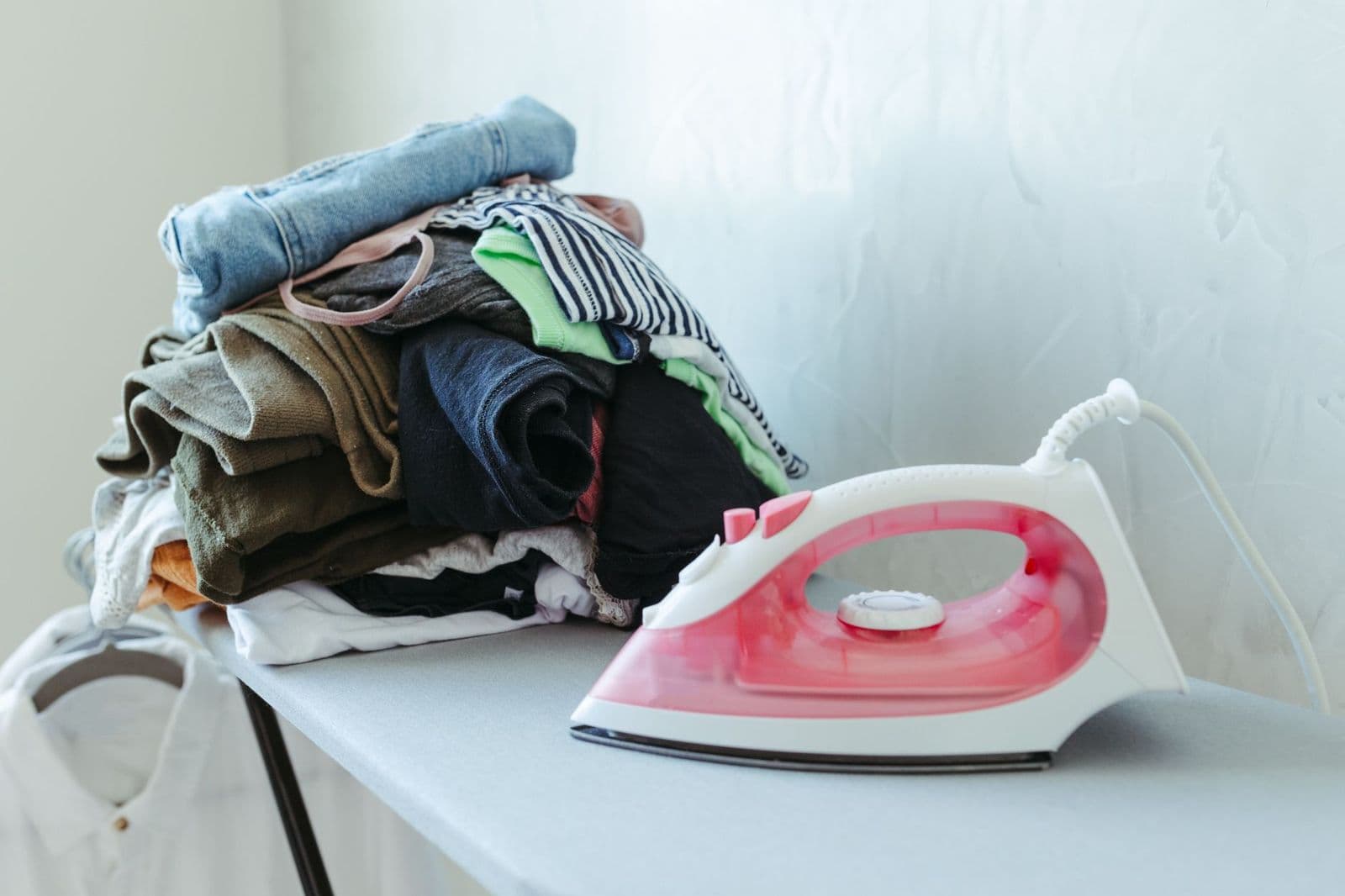
Smooth, flat, heat tolerant blankets give iron on vinyl the best grip. Check fabric, sizing, and care first.
A blanket can feel perfect in your hands and still fail the moment vinyl, heat, and pressure meet its surface. This checklist guide to the best blankets for iron on vinyl shows you how to judge a blank before you buy it, using simple checks you can do from a listing or in a store. No special tools are needed, just a clear view of the fabric, its fiber content, and its care label.
Score every candidate the same way, on surface, heat tolerance, size, and care. Read the fiber content and dimensions in each listing, then run the blanket through the criteria that follow. A blanket that passes all four checks is a safe project. A blanket that fails the surface check should be skipped, no matter how soft or pretty it looks.
How to Evaluate Blankets for Vinyl
Features That Matter for Iron on Vinyl
Score the surface first. A passing blanket has a smooth, even face where the design will sit, with no raised pattern, deep pile, or thick seam crossing that area. Rub the fabric between your fingers. If it feels slick like a rain jacket, a coating may block adhesion, and if it feels very stretchy, letters may shift as you place them. A stable fabric that lies flat and stays flat scores high. A blanket that curls, puckers, or springs back when you smooth it scores low, because your iron will follow those flaws.
Material and Fill
Cotton and cotton rich fabrics score well because they tolerate iron heat and give vinyl a natural surface to hold. Polyester blends also score well when the face is smooth, though they can shine if the iron is too hot or stays in one spot too long. Unknown fiber content scores low, since you cannot match temperature to a fabric you cannot name. For quilted blankets, thin and even fill scores better than thick fill, because thick fill compresses unevenly and leaves parts of the design with less pressure than others.
Size and Fit
Measure two things, the blanket and your design area. A household iron covers a small area at a time, so a large design on a large blanket means many overlapping passes and more chances for a cool spot or a scorch mark. Throws and lap sizes suit most first projects because the whole piece is easy to spread on an ironing board or a firm table. For bed sizes, plan to work on one folded section at a time. A passing listing states full dimensions in inches and does not hide behind a size name alone.
Press Surface and Even Pressure
Your work surface is part of the score. A firm table with a thin cotton layer protects the surface and keeps pressure even, while a soft ironing board can flex and leave the center of a design weak. Seams and hems under the design steal pressure, so a blanket with a wide, flat middle area scores high. Test by laying the design area flat and pressing your palm across it. If you feel ridges, move the design or add a firm pressing aid to level the spot before any heat is involved.
Thickness and Handling
Thin and medium blankets are easier to iron evenly because heat passes through quickly and you can feel when the piece shifts. Thick blankets insulate the vinyl from your hand but not from the iron, which makes timing less predictable. Heavy pieces are also harder to reposition without dragging the design. Score a blanket higher when one person can spread it, smooth it, and hold it steady alone. If a blanket needs two people just to lay it flat, save it for a plain gift and choose a simpler blank for vinyl work.
Certifications (CertiPUR US, OEKO TEX, RDS)
Certifications answer a narrow question, whether a product was checked for certain chemical or sourcing standards. OEKO TEX labels are the ones you will most often see on blanket fabrics, and they can be a useful extra sign of care in making the textile. CertiPUR US applies to foam, so it rarely matters for a blanket unless a foam pad is part of the product. RDS concerns down sourcing and only matters for down filled pieces. Treat a relevant certification as a small plus. It never makes up for a coated, stretchy, or uneven surface that fails the craft checks above.
The same scoring habits help with other blanks in your craft room. If you also customize fabric for the kitchen, our guide to the best kitchen towels for iron on vinyl applies this surface and fiber logic to a smaller, flatter starting piece.
Price Tiers That Pass Our Checklist
Budget Tier
Budget blanks under about $25 pass when they are simple, smooth, and honest about fiber content. Thin cotton blends and smooth polyester throws often qualify, and they are sensible for practice runs and casual gifts. What usually fails at this tier is finishing, with wavy edges or loose threads that sit under a design. Inspect the piece you receive, not just the listing photo. If your budget blank passes a small test design in a corner and survives one wash, it has earned its place in the project.
Mid Tier
Mid tier blanks, about $25 to $50, pass most often. The weave tends to be tighter, the size more accurate, and the surface more consistent from one end to the other. That consistency is what you are paying for, because it lowers the chance that half a design bonds and half lifts. This tier suits most named gifts, baby shower pieces for adult use at home, and team or family sets where every blanket should look alike. Buy all pieces for a matching set at one time, since dye lots can shift between orders.
Premium Tier
Premium blanks above about $50 pass when the extra money buys better base fabric, cleaner stitching, and a softer feel after the design is on. They fail when the extra money buys treatments, deep plush texture, or decorative weaving that interferes with adhesion. For a keepsake that will be washed for years, a premium woven cotton blank can be worth it. Ask one question before paying. Can the seller state the fiber content and care rules clearly? If not, the premium label is decoration, not quality you can use.
Quick Buyer Checklist
- Can you name the main fiber in the blanket from the listing or label?
- Is the design area smooth, flat, and free of seams, stripes, and deep pile?
- Does the fabric feel stable rather than very stretchy when you pull it gently?
- Is there any sign of a waterproof or stain guard coating that could block adhesion?
- Does the size fit your iron, board, or press, with room to work one section at a time?
- Can you wash the finished piece at home without special products or trips?
- Is the return policy clear enough that a failed test piece is not a total loss?
If you answered no to the first two questions, stop and choose a different blank. The other questions point to smaller risks you can manage with testing and careful placement. Crafters who print their own designs before cutting may also find our guide to the best printers for iron on transfers useful for the print side of a similar workflow, and our guide to the best printers for printing on vinyl covers the related direct print route.
Red Flags to Watch For
- Vague fiber claims. Words like luxury blend with no actual fiber names mean you cannot set a safe iron temperature.
- Heavy surface texture. Cable patterns, deep waffle weaves, and raised embroidery in the design area almost guarantee uneven bonding.
- No care label information. A seller who hides washing and heat limits is asking you to guess with your money.
- Extreme softness treatments. A blanket that feels slippery or waxy may carry a finish that vinyl cannot grip.
- Very short return windows. Craft blanks need a test, and a policy that leaves no time to test one is a warning sign by itself.
Care and Maintenance Tips
Wash the blank before you apply a design if the label allows it, and skip fabric softener in that wash. After application, wash the finished blanket inside out on a gentle cycle and dry it on a moderate setting. Store it folded loosely so the design is not creased in the same place for months. Keep a note of the iron setting and timing that worked for that exact blanket, because that small record saves guesswork when you make the next matching piece.
Frequently Asked Questions
What features matter most in blankets for iron on vinyl?
A smooth stable surface and a known fiber content matter most, because they control both adhesion and safe temperature. After that, look at flatness in the design area and a size you can manage with your iron or press. Certifications and softness claims rank last. One extra check helps in stores. Hold the fabric up to light. Thin or uneven patches will show, and those patches will also press unevenly at home.
How often should I replace my blanket?
Replace a working blank when its surface pills or thins, since a worn face will not hold vinyl evenly. For a finished blanket in regular use, expect the design to show age before the blanket does if the dryer runs hot. Gentle washing extends both lives. If letters start to lift at the corners after many washes, that piece has done its service, and pressing a fresh design onto a tired base rarely ends well.
Is a higher thread count always better?
No, thread count only describes woven cotton and says nothing about surface smoothness, which is what vinyl needs. A moderate count cotton with a flat face can outperform a dense, stiff, high count fabric. Knit and fleece blankets have no thread count at all, so the number cannot compare across types. Use it, at most, as a small clue about cotton density, and let your surface and fiber checks make the real decision.
How do I wash blankets safely?
Follow the blanket label, wash finished pieces inside out, and use a gentle cycle with similar colors. Avoid bleach and strong softener, and dry fully before folding. For a new blank you plan to customize, that first wash matters for a different reason. It removes loose fiber and surface residue, so do it before you press, and let the piece dry completely and cool fully before you position any vinyl.
Are cooling blankets worth it for hot sleepers?
As craft blanks, usually not. Cooling blankets often use slick fibers or special finishes to feel cool, and both traits can work against vinyl grip and even heat transfer. If your main goal is cooler sleep, buy the cooling blanket for sleep and enjoy it plain. If your main goal is a decorated gift, a plain cotton or blend blank will give you a far more predictable result for the same effort.
What firmness is best for back pain?
Firmness is the wrong scale for a vinyl blank, since a blanket provides no back support. What you want firm is the surface under the blanket while you iron, because firm backing gives even pressure. Anyone dealing with ongoing back pain should look to their mattress, chair, and a qualified clinician for help. A decorated blanket can make a bed feel personal and cozy, but it should never be sold or chosen as a pain treatment.
Our Verdict
Run the checklist in order, surface, fiber, size, and care, and let any blanket that fails the first two go. Smooth cotton and stable blends in the mid tier pass most often and suit most projects. Judged this way, the best blankets for iron on vinyl are not the softest blankets in the store, they are the ones your design can hold onto wash after wash.


