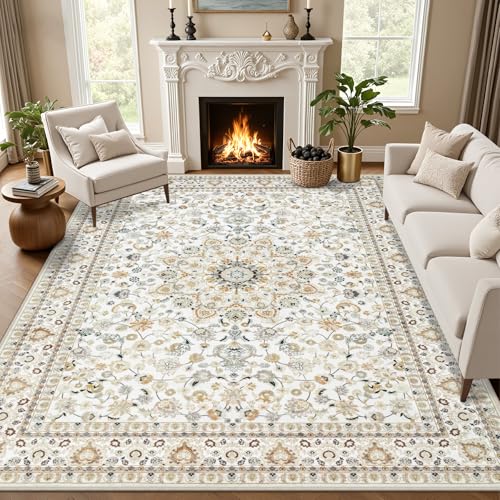
Best 8x10 Area Rugs: Buying Guide and Room Tips 2026
Disclosure: We may earn a commission when you buy through links on this page, at no extra cost to you. As an Amazon Associate I earn from qualifying purchases. Learn more
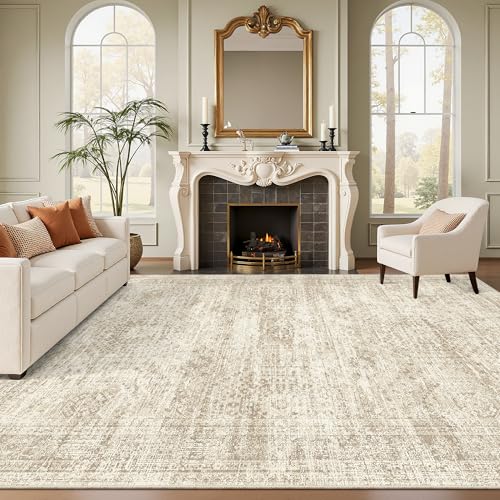
An 8x10 rug anchors a living or dining room, so size, pile, and material matter. Learn how to measure, choose fibre, and place a large rug with confidence.
An 8x10 rug is a room defining purchase, and that is why choosing best 8x10 area rugs deserves measuring and material research before ordering. At this size, a rug anchors furniture, softens sound, and sets the colour story for the whole room. A wrong size or fibre shows up every day, while a right choice quietly improves the space.
The comparison table below compares rug types on material, pile, and care traits. Later sections explain measuring for living and dining rooms, fibre trade offs, placement rules, and cleaning care. Measure your furniture layout first, and the rug choice becomes much easier.




Who Should Buy an 8x10 Rug
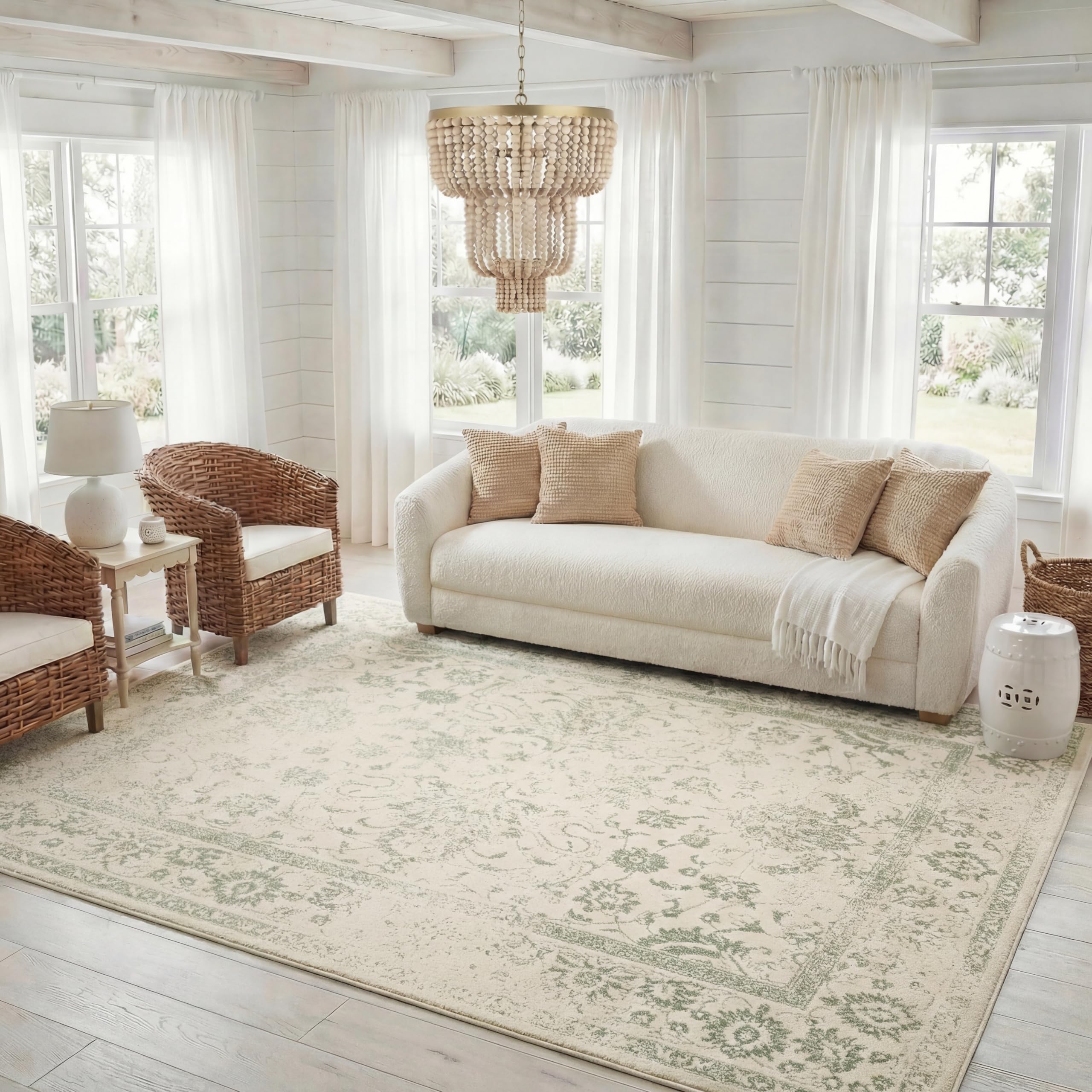
An 8x10 rug suits medium to large living rooms, dining rooms, and bedrooms where furniture needs a shared anchor. It fits under a three seat sofa with front legs on the rug, or under a dining table with chairs that stay on the rug when pulled out. Smaller rooms may feel crowded with this size, so measure carefully. Readers comparing related options may also find the guide to best neutral area rugs 8x10 useful, because it covers a closely related size or type.
Households with pets or children benefit from durable, easy clean fibres at this size, because a large rug sees heavy traffic. A rug that is beautiful but fragile will frustrate daily life, while a durable rug with a good pattern still looks inviting and survives real use.
Measuring for Living Rooms
In a living room, aim for front legs of sofas and chairs on the rug, with a consistent border of bare floor around the edges. Tape out the 8x10 footprint on the floor and live with it for a day, checking walkways and door swings. That simple test prevents the most common size regret. For a neighbouring choice in the same family, the guide to best quality area rugs adds useful context on fit and features.
Leave enough bare floor for traffic paths and for doors to open freely. A rug that blocks a door or forces a detour will annoy daily, whatever its pattern. Check rug pad size too, because a pad should sit slightly smaller than the rug to avoid visible edges.
Measuring for Dining Rooms
In a dining room, chairs should stay on the rug when pulled out for seating, which is why 8x10 suits many six seat tables. Measure the table plus chair pull out space on all sides, not just the table footprint. A rug that is too small leaves chair legs catching on the edge. If that trait matters to you, the guide to best 8x10 rugs explores a related option in more detail.
Consider chair type as well. Heavy dining chairs with legs need a flat, durable pile that allows easy sliding, while a thick shag pile can make chairs hard to move. Balance comfort underfoot with practical chair movement for daily meals.
Materials Compared
Wool offers durability, natural stain resistance, and a soft feel, but it costs more and needs careful cleaning. Synthetic fibres such as polypropylene and nylon offer stain resistance and easy cleaning at lower cost, with good durability for busy households. Cotton rugs feel soft and often wash well, but they may wear faster in high traffic areas. A related guide, best rugs for dining area, covers a similar product from a different angle that may suit your room or vehicle better.
Natural plant fibres such as jute and sisal give texture and a casual look, but they stain more easily and feel rougher underfoot. They suit low traffic living spaces better than dining rooms or pet areas. Match fibre to traffic, spills, and cleaning willingness, not just appearance.
Pile, Pattern, and Colour
Low pile rugs suit dining rooms and high traffic areas, because chairs move easily and cleaning is simpler. Medium pile adds comfort in living rooms and bedrooms, while high pile feels luxurious but traps dirt and makes furniture placement harder. Choose pile for use, not just touch in a shop. It is worth comparing this with the guide to best washable area rugs, which looks at a closely related alternative.
Pattern and colour should anchor the room without fighting furniture. A neutral base with a subtle pattern hides dirt and adapts to decor changes, while a bold pattern makes a statement but limits future changes. Consider light levels too, because dark rugs can darken a small room.
Placement and Rug Pads
A rug pad prevents slipping, adds cushioning, and protects floors and the rug itself. Choose a pad suited to your floor type, with grip for hard floors and cushioning for comfort. A pad slightly smaller than the rug avoids curling edges and visible pad lines.
Centre the rug on the main furniture grouping, not necessarily on the room walls, because furniture defines the living area. In an open plan space, a rug can define a living zone within a larger room, which is one of its most useful roles.
Care and Cleaning
Vacuum regularly with a suitable setting for pile height, and rotate the rug occasionally for even wear and sun exposure. Blot spills promptly rather than rubbing, and test cleaning products on a hidden area first. Professional cleaning suits wool and delicate rugs, while many synthetics tolerate home spot cleaning.
Protect rug edges from heavy furniture dragging, and use furniture cups under heavy legs to prevent dents. A large rug is an investment, and simple care habits extend its life far more than expensive treatments after damage occurs.
Living With Your Choice
In the first weeks, watch how the rug settles under furniture and foot traffic, and smooth any curling edges gently rather than forcing them flat. Check that doors clear the rug and pad, and that chairs move freely in a dining layout, because small placement tweaks in this period prevent edge wear and tripping later. A rug that lies flat and stays put feels better every day.
Over the longer term, rotate the rug occasionally for even wear and sun exposure, vacuum with a setting suited to the pile, and blot spills promptly rather than letting them set. Those habits matter more than expensive treatments, and they keep colour and texture even across the whole rug. Note any areas that wear faster, and adjust furniture or traffic if possible.
Finally, think about seasonal changes, such as heavier winter traffic, pet shedding, or children playing indoors more often, and adjust cleaning frequency to match. A rug cared for in step with the household routine stays inviting far longer than one cleaned only when it looks dirty. Simple, regular care is the real secret to a large rug lasting well.
Frequently Asked Questions
Is 8x10 the right size for my living room?
8x10 suits medium to large living rooms where sofa front legs can sit on the rug with a bare floor border. Tape out the footprint and check walkways and doors before ordering. Smaller rooms may suit a smaller rug better. When you test this point at home, use your usual content and seating, because a shop demo rarely shows how the answer plays out in daily life.
What material is best for a dining room rug?
A flat, durable, stain resistant fibre such as polypropylene or nylon suits dining rooms, because chairs slide easily and spills clean well. Wool also works with careful cleaning, while high pile and plant fibres suit dining less well. Compare two or three options on this point alone before you decide, since small differences here often matter more than a longer feature list.
Do I need a rug pad under an 8x10 rug?
Yes, a pad prevents slipping, adds comfort, and protects floors and the rug. Choose a pad slightly smaller than the rug and suited to hard floors. A good pad also extends rug life noticeably. Keep a note of what you find during the first week, because early testing makes a return or exchange far simpler if the choice does not suit you.
How do I clean a large area rug?
Vacuum regularly, blot spills promptly, and test cleaners on a hidden spot first. Rotate for even wear and consider professional cleaning for wool or delicate rugs. Avoid rubbing spills, which spreads stains. If you are unsure, favour the option that is easier to live with daily, because convenience shapes satisfaction long after the novelty fades.
Can an 8x10 rug work in a bedroom?
Yes, placed under the bed with generous rug visible on both sides, an 8x10 rug adds warmth and softness. Measure bed size and side space first, so the rug extends comfortably beyond the bed on both sides. Finally, check this point against your budget and your real room or vehicle, so the answer fits your actual setup rather than an ideal one.
Final Thoughts
An 8x10 rug succeeds when size, fibre, and placement all match the room and its traffic. The product table above compares materials and pile options, so use it after taping out the footprint in your room. A durable, well placed rug will anchor the space for years.
Measure furniture, choose fibre for real life, and add a good pad. With those steps, best 8x10 area rugs can transform a living or dining room without a renovation.