Best 8x10 Greenhouses in 2026: Buying Guide and Top Options
Disclosure: We may earn a commission when you buy through links on this page, at no extra cost to you. As an Amazon Associate I earn from qualifying purchases. Learn more

A practical guide to the best 8x10 greenhouse: sizes, features, budget ranges, and mistakes to avoid before you buy.
An 8 by 10 foot greenhouse gives you about 80 square feet of growing space, enough for real vegetable beds and tall tomato vines, yet it still fits most suburban yards. Choosing the best 8x10 greenhouse comes down to three things: the panel and frame materials, how the structure handles your weather, and how much assembly work you are willing to do.
This guide compares the main types sold in this size, explains the features that change daily use, and helps you match a kit to your climate and budget. Use the comparison table below to see the types side by side, then read on for the details that decide which one belongs in your yard.
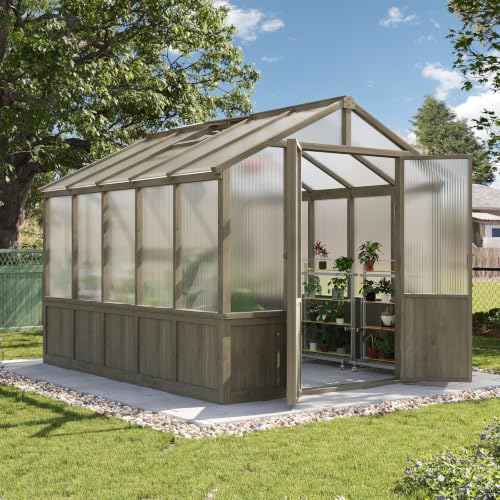
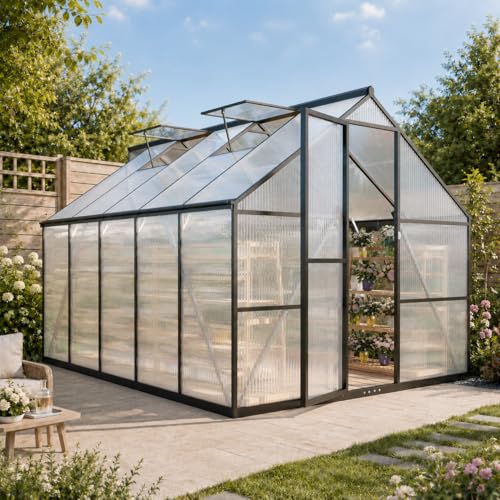
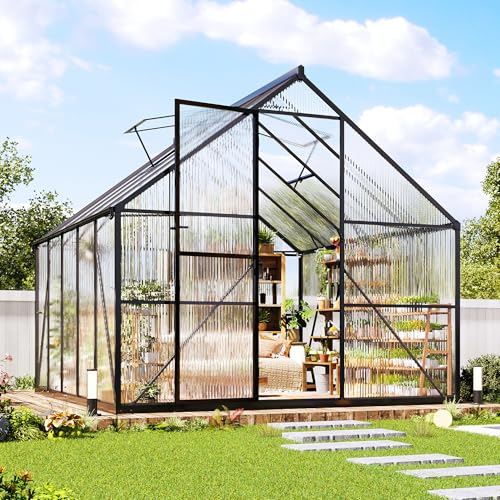

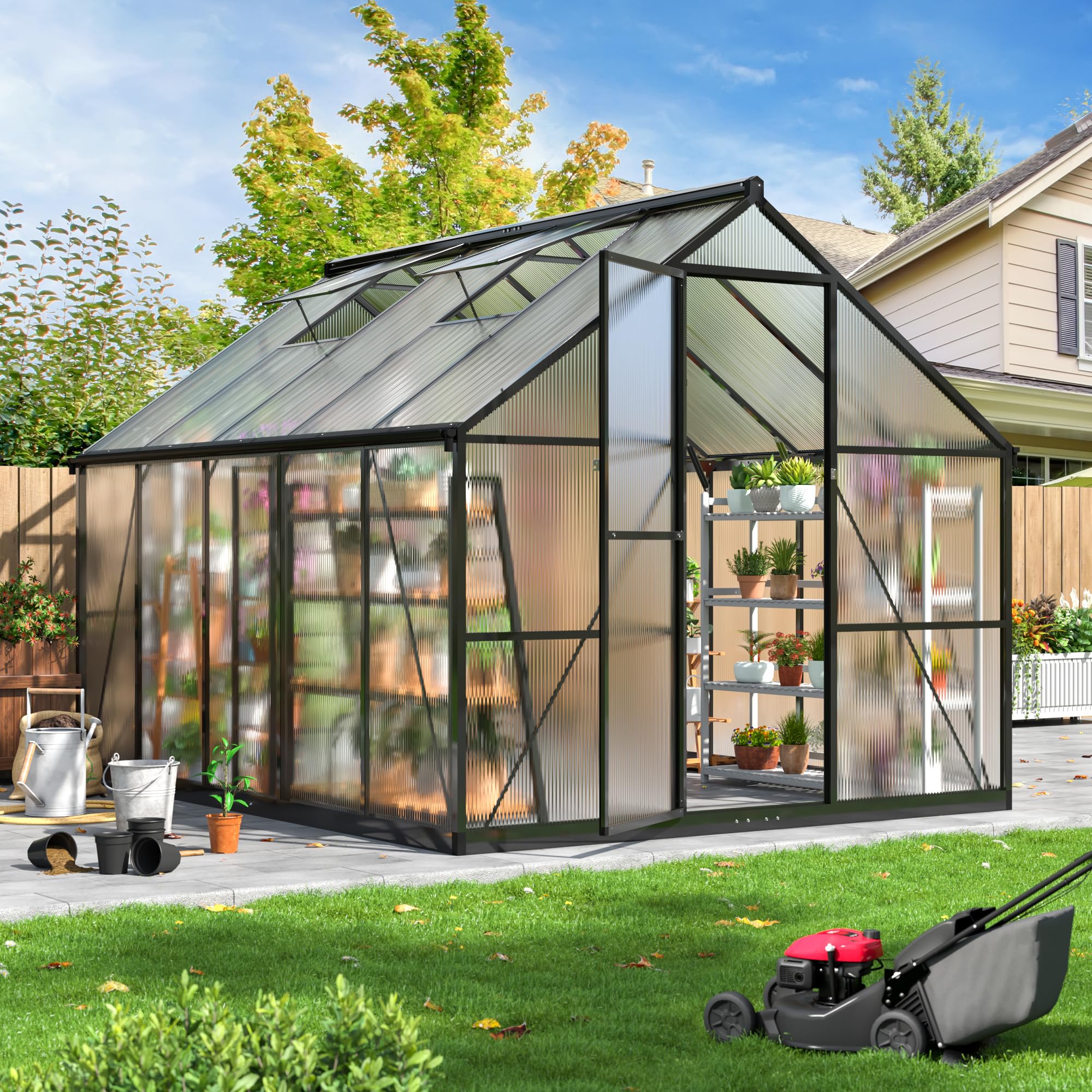
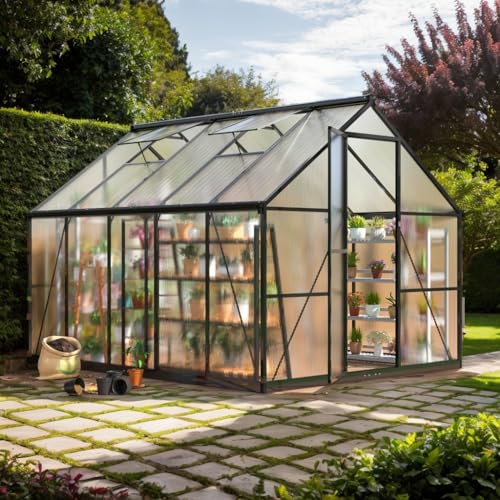
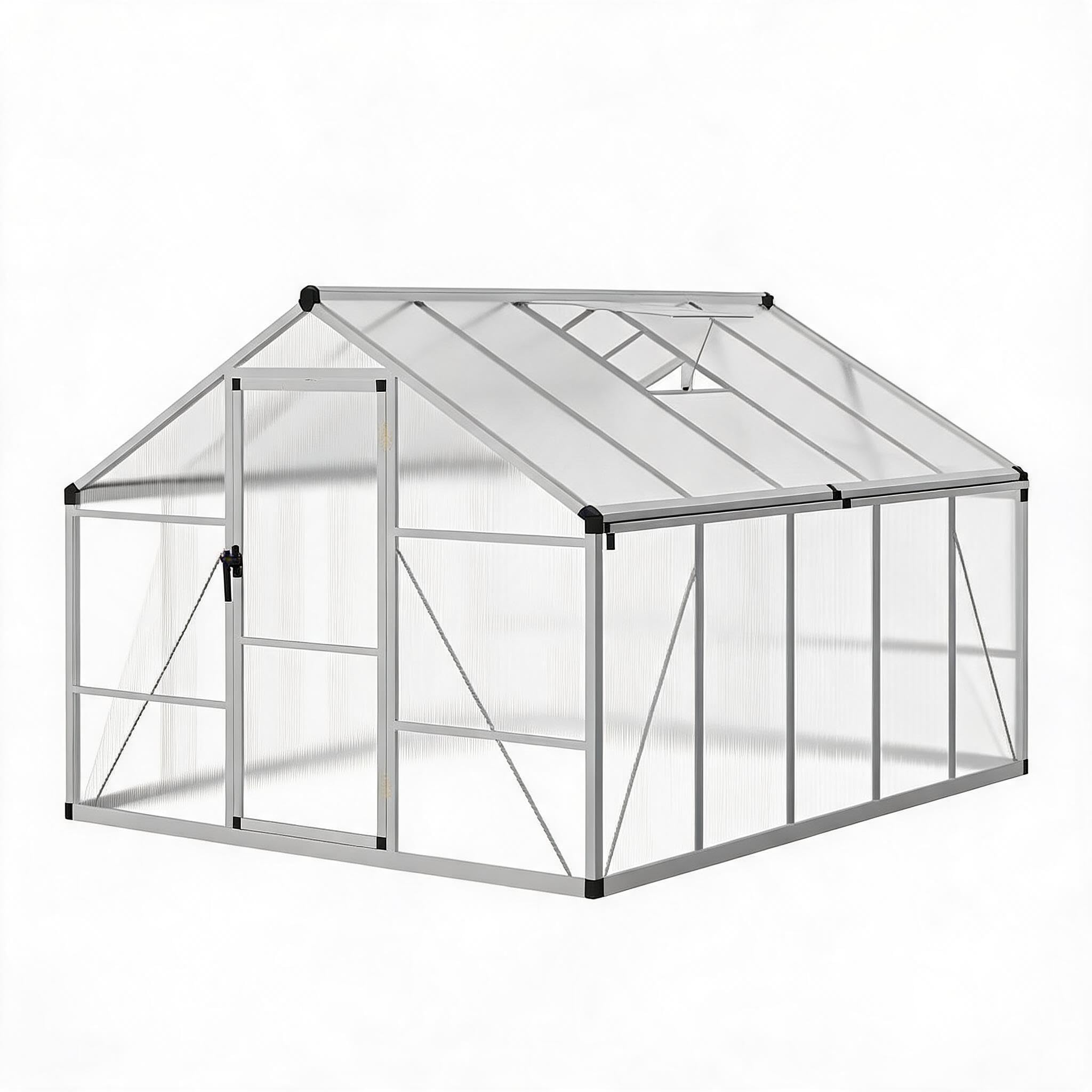

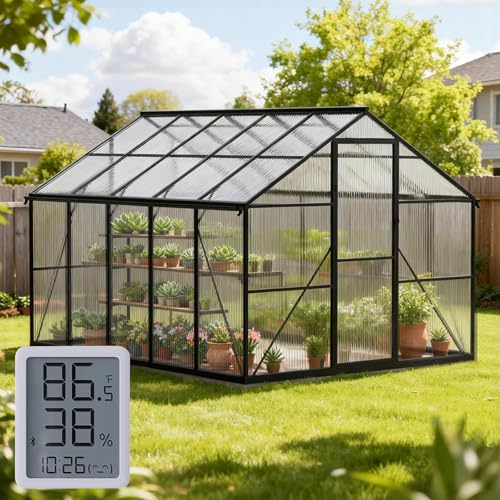

Types of 8x10 Greenhouses Compared
Rather than focus on brand names, it helps to compare the three build types you will actually find in this footprint. Each type trades cost, durability, and light quality in a different way, and the right trade depends on your climate and how many seasons you plan to grow.
Polycarbonate Panel Kits
These kits pair twin wall polycarbonate panels with an aluminum or steel frame. The panels diffuse light, which reduces leaf scorch on seedlings, and the air gap between the walls adds insulation for spring and fall growing. Panels resist impact far better than glass, a real plus where hail or falling branches are common. If this build appeals to you, our guide to the best polycarbonate greenhouse covers panel thickness and frame gauges in more depth.
Polyethylene Tunnel and Walk In Styles
Tunnel and walk in models stretch a polyethylene cover over a hoop or peaked steel frame. They cost the least and go up fastest, often in a single afternoon, and the roll up sides give excellent airflow on hot days. The cover is the weak point, since sun exposure makes it brittle over a few seasons. Treat this type as a low cost way to try greenhouse growing before committing to a permanent structure.
Glass Panel Greenhouses
Glass gives the clearest light transmission and a classic look that suits ornamental gardens. Tempered glass panels are heavier and cost more, and they need a stronger frame and a solid, level base. Glass also loses heat faster at night than twin wall panels. Our comparison of polycarbonate vs glass greenhouse materials walks through light, insulation, and safety differences if you are torn between the two.
How to Compare 8x10 Greenhouses
Compare every kit on the same five criteria: build materials and weather resistance, usable growing capacity, assembly effort, expected durability, and warranty coverage. Manufacturer spec sheets list panel thickness, frame finish, and rated wind and snow performance, and verified buyer reviews reveal how those numbers hold up after storms. Weight the criteria by your situation. A windy, snowy site puts weather resistance first, while a mild coastal yard can favor capacity and easy assembly instead.
How to Choose the Right Greenhouse
Size and Form Factor
The footprint is fixed at 8 by 10 feet, but shape changes how the space works. A gable roof gives the most headroom along the center ridge, which suits tall crops and hanging baskets. A tunnel shape sheds rain well but curves inward, so shelving fits only along the middle. Check eave height as well as ridge height, because low eaves make the outer rows awkward to tend. Door width matters too: a wide door lets you bring in a wheelbarrow and bags of compost without turning sideways.
Panel and Frame Types
Beyond the three main builds above, look at the details. Polycarbonate panels range from thin single sheets to twin wall panels of about 4 to 6 mm, and thicker panels insulate better. Aluminum frames need no painting and resist rust, while powder coated steel feels sturdier but can chip. Wood frames look warm and insulate well, yet they need regular sealing against moisture. Single pane glass, twin wall panels, and film covers each pass light differently, so match the glazing to how much winter growing you plan.
Features Worth Paying For
Roof vents top the list, because a closed greenhouse overheats fast on a sunny spring day, and a vent with an automatic opener saves daily trips. A louvered side vent pulls in cooler air at plant level. Built in gutters let you collect rainwater in a barrel, and anchor kits secure the frame to soil or a slab. Sturdy shelving along one side doubles your seed starting space. A second door at the far end improves airflow and gives you an exit when the main path is blocked by flats and pots.
Weather Resistant Materials
Weather resistance is more than a strong frame. Look for UV stabilized panels or covers, since unprotected plastic yellows and weakens. In snow country, a steep roof pitch and a stated snow load rating matter more than panel thickness alone. Coastal gardeners should favor rust resistant hardware and frames. If hard winters are your main concern, the advice in our guide to the best greenhouse for winter will help you judge insulation, heating space, and storm bracing before you buy.
Size for Your Space
Measure your yard before ordering, and leave at least 2 feet of clearance on every side for assembly, cleaning, and air movement. Place the long side facing south where possible so plants get the most light, and keep the structure clear of overhanging branches that drop debris and shade the roof. Check local rules on setbacks and permits, since some towns treat a fixed greenhouse as a structure. A level site with good drainage prevents puddles under the door and keeps the base frame from sitting in water.
Assembly and Anchoring
Panel kits usually take two people a full weekend, with hundreds of clips, bolts, and panels to sort. Film tunnel styles assemble in hours with far fewer parts. Read the manual before you buy if it is posted online, and budget time for building the base first, because a square, level base decides whether doors hang straight. Anchor the finished structure firmly: use ground anchors on soil or bolts on a slab. An unanchored greenhouse can lift and shift in a strong gust, damaging panels and frames.
Care and Off Season Storage
Wash panels with mild soap and water each spring and fall so algae and dust do not cut light to your plants. Inspect seals, vents, and door hinges at the same time, and tighten any hardware that has worked loose. For film covers, storing the cover under shelter for the harshest winter weeks can add a season of life. Panel and glass kits stay up year round, but clearing heavy snow from the roof promptly protects the frame. Our walkthrough on how to winterize a greenhouse covers insulation, water lines, and plant protection in detail.
How Much Should You Spend?
Film tunnel kits cost the least and suit a trial run of a few seasons. Polycarbonate panel kits in this size often run about $350 to $1,200, with thicker panels and stronger frames at the top of that range. Glass and premium panel models can reach about $1,500 to $3,000 or more once you add a base and vents. Spend first on frame strength and glazing, since those cannot be upgraded later, and add shelves and openers over time as your budget allows.
Is an 8x10 Greenhouse the Right Size for You?
Choose this size if you want more than a hobby shelf but do not need a market garden. Eighty square feet holds two side beds and a center path, or one bed plus staging for seed trays, with room to stand and work comfortably. Gardeners who only start a few trays each spring may be happier with the smaller footprints in our guide to the best mini greenhouse, while anyone planning rows of in ground crops should step up to a 10 by 12 foot model instead.
Think about your crop list before deciding. Tomatoes, peppers, and cucumbers fill vertical space fast, and a single summer of vining crops can crowd an 8 by 10 house by midsummer. Salad greens, herbs, and seedlings use far less room, so the same footprint can serve a household all year with succession sowing. Weigh the longer seasons and earlier harvests against the upfront cost before you commit.
FAQ
What size greenhouse do I need for a family vegetable garden?
For a household growing salads, herbs, and a few fruiting plants, 80 square feet is usually enough when you sow in succession and harvest often. Families who want bulk crops of tomatoes and peppers for preserving often outgrow it within two seasons. Count your planned beds and paths on paper first, allowing about 2 feet of width for each bed and a clear path you can kneel along without crushing plants behind you.
How long does an 8x10 greenhouse last?
Lifespan follows the build type. A film cover may need replacement after a few seasons, though its steel frame can serve much longer with a fresh cover. Polycarbonate panel kits often last a decade or more, and glass structures can last far longer if the frame stays sound. Extending life is mostly about small habits: rinse grit off panels before scrubbing, keep vents moving freely, and replace cracked clips early so wind cannot work a panel loose.
Does an 8x10 greenhouse need a foundation?
A full concrete foundation is optional, but every kit needs a level base that will not shift. Many owners use a treated timber perimeter, a gravel pad with pavers, or a ground level slab. The base keeps the frame square, which keeps doors sealing properly, and it lifts the bottom rail out of standing water. On soft soil, a timber or gravel base paired with ground anchors gives a good balance of cost, drainage, and stability.
How do you clean greenhouse panels without scratching them?
Use lukewarm water with a small amount of mild dish soap and a soft sponge or cloth, working one panel at a time. Avoid abrasive pads and pressure washers, which can scar polycarbonate and strip its UV protective layer. Rinse with clean water and let panels air dry. Cleaning on a cloudy day helps, because soap dries more slowly and leaves fewer streaks on warm glass or plastic.
Can an 8x10 greenhouse stay up all winter?
Yes, panel and glass kits are designed to stay up year round, provided they are anchored and the roof pitch suits your snow load. Film tunnels can also overwinter, but many owners remove the cover where winters are severe. Before the first storm, check that every panel clip and bolt is snug, clear leaves from the gutters, and plan a safe way to brush off heavy snow the morning after it falls.
Final Thoughts
The right choice balances panel material, frame strength, and the way you actually garden. Review the product table above, weigh your climate honestly, and pick the build type you will maintain with care. For a broader look at every size and style, see our main guide to the best greenhouse options. With the best 8x10 greenhouse for your yard in place, you gain earlier springs, later falls, and a sheltered space your plants will reward all season.