Best 8mm Cameras: A Buying Guide to Film Formats and Condition for 2026
Disclosure: We may earn a commission when you buy through links on this page, at no extra cost to you. As an Amazon Associate I earn from qualifying purchases. Learn more
Learn how to choose the best 8mm cameras: film format, lens, light meter and condition checks for vintage Standard 8 and Super 8 models.
Choosing an 8mm film camera is part detective work and part creative decision. Most models you will find are vintage machines, so format, lens, meter, and working condition matter far more than age or looks. The best 8mm cameras for you match the film you can actually buy, the light you plan to shoot in, and the control you want.
This guide covers the checks that separate a camera you can film with this weekend from a shelf ornament that needs costly repair. You will learn how the two formats differ, what a zoom lens and a light meter do, and why a test roll tells you more than any listing photo.
Who Should Buy an 8mm Camera?
Your reason for shooting film should drive every later choice, from format to budget. The three groups below cover most buyers, each valuing a different mix of simplicity, control, and cost.
Home Movie Makers Who Want an Authentic Film Look
You want birthdays, holidays, and family gatherings to feel warm, grainy, and unmistakably real, rather than polished like phone footage. A Super 8 cartridge camera suits you best, because loading takes seconds and most models handle exposure on their own. Plan on short scenes, since one cartridge holds about three minutes at the common silent speed. Build film and processing costs into every outing, because those costs quickly pass the price of the camera itself.
Collectors and Hobbyists Who Enjoy Mechanical Cameras
You enjoy winding a spring motor, setting focus by scale, and learning how a small mechanical system works as you shoot. Standard 8 models reward that patience with metal bodies, simple mechanisms a repair shop can often service, and swappable lenses on some bodies. Look for smooth winding, clean gears, and a gate free of rust, because long term enjoyment depends on mechanics more than on extra features.
Students and New Filmmakers Learning the Craft
You need a working camera, a predictable cost per project, and controls simple enough that you can focus on framing and story. A serviced cartridge camera with a fixed lens and automatic exposure keeps first shoots manageable. If your course is mostly about still images or modern video workflows instead, see our guide to the best starter cameras before you commit, since a modern starter body may match your assignments better.
How to Choose the Best 8mm Cameras: Buying Guide
Listings rarely tell the whole story. Work through the six checks below in order, starting with film format, because a camera that takes film you cannot source is a poor buy at any price.
Standard 8 or Super 8: Check the Film Format First
Standard 8, also called Regular 8, loads as a small spool that runs through the camera twice, and the lab later splits it down the middle. Super 8 arrives in a sealed plastic cartridge that drops in one way only, with a larger frame area that gives a steadier, clearer picture. The two formats never interchange, so confirm the format in the listing and the film door markings. If the larger frame and simple loading appeal to you, compare formats further in our guide to the best super 8mm cameras before you decide.
Availability should settle close calls. Super 8 cartridges remain in regular production in several stocks, while Standard 8 spools come from fewer suppliers and can sell out between runs.
Lens, Focus, and Optical Zoom
The objective lens on most of these cameras is fixed to the body, so its range shapes every scene you will shoot. A fixed focal length near the wide end suits rooms and travel, while an optical zoom lets you frame portraits and distant details from farther back. Ignore digital zoom claims on modern retro styled models, because that feature only crops the image and softens detail. Focus systems split into fixed focus, scale focus set by estimated distance, and reflex models that show actual focus through the lens. A lens that opens to a low f number gathers more light indoors, so check aperture alongside zoom range and magnification.
Exposure and the Built In Light Meter
Most Super 8 cameras read film speed from notches on the cartridge and set exposure automatically, which works well in daylight and keeps shooting simple. The meter depends on a small separate battery in many models, and a dead or corroded meter battery is the most common reason a clean looking camera exposes every frame wrong. Standard 8 cameras usually leave exposure to you, guided by a printed chart or a phone meter app. An automatic meter can drift with age, so it needs a test roll to prove itself.
Frame Size, Grain, and Image Quality
An 8mm frame is tiny, roughly the size of a fingernail clipping, so visible grain and softness are part of the format rather than a defect in your camera. Finer grain stocks, a steady hand, and bright light give the cleanest results, and a quality scan preserves far more detail than an old projector aimed at a wall. Readers comparing build and optical standards across camera classes may also find our guide to the best quality cameras useful context. There is no sensor size to compare on a true film model, because the film itself is the recording surface.
Scanning choices shape what you finally watch. A basic transfer looks fine on a phone, while a frame by frame scan can deliver 4K video files that hold up on a large TV, though the extra pixels reveal grain rather than new detail. Scanning software can apply image stabilization to smooth gate weave, but no scan can remove blur recorded while shooting.
Motor Drive, Frame Rates, and Battery Power
Spring wound Standard 8 cameras run for roughly twenty to thirty seconds per wind and need no power at all, which keeps them dependable decades later. Electric Super 8 models run film at a steady speed while you hold the trigger, powered by AA cells in the grip. The standard silent speed is 18 frames per second, and many cameras add 24 frames per second for smoother motion. A few models offer single frame exposure for animation, so check for that dial if stop motion is your goal. Ask the seller to run the motor without film, because a motor that slows or surges will ruin exposure and motion alike.
Condition, Seals, and Weather Resistance
Condition outranks features on any camera of this age. Foam light seals around the film door crumble and leak light onto the film edges, battery compartments hide corrosion, and belts inside some electric models stretch until the motor stalls. A seller who has run film through the camera recently and can show results offers far more certainty than one selling an untested attic find. Treat weatherproof claims with care: almost no vintage body has real weather sealing, and the honest rating for most models is dry weather only.
Types of 8mm Cameras
Cameras sold under this label behave very differently in daily use. These four types explain who each design serves, so you can narrow the field first.
Standard 8 Reel Cameras
These are the oldest and most mechanical designs, with spring motors, spool loading, and manual everything. They reward careful shooters with durable metal construction and, on some bodies, interchangeable lenses in a small screw mount. The trade offs are real: loading in subdued light, flipping the spool halfway through, and setting exposure yourself.
Super 8 Cartridge Cameras
Cartridge loading removed nearly every fiddly step, which is why this type became the default family movie camera and remains the easiest entry point today. Most models pair automatic exposure with a zoom lens and electric drive, and handling feels close to point and shoot compacts: aim, hold the trigger, and keep scenes short.
Point and Shoot Compacts with an 8mm Look
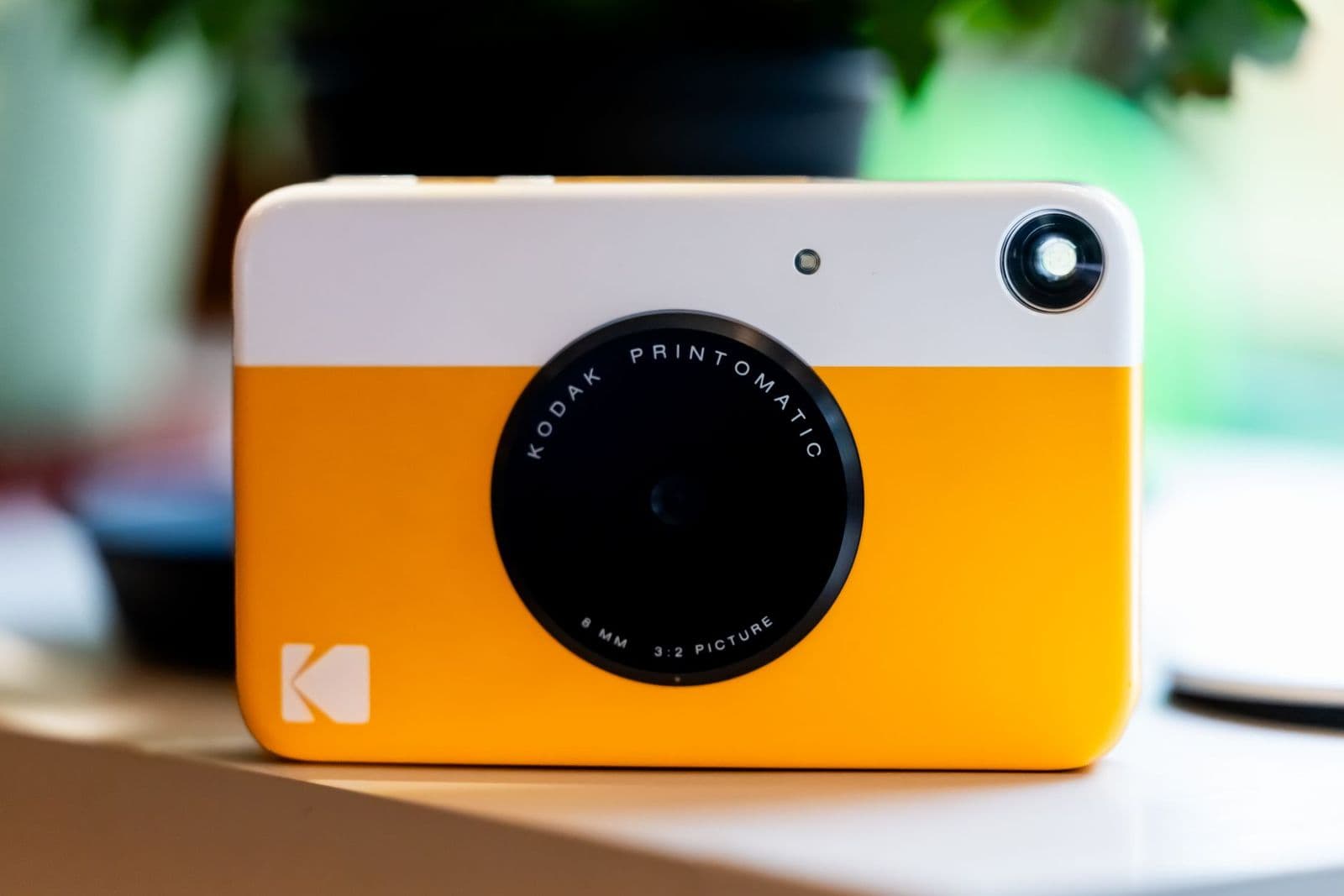
A newer group of small digital models promises the colors and grain of film without labs or waiting, using small sensors, fixed lenses, and in camera effects. They record to a memory card, recharge over USB C, and cost far less per minute than real film. They cannot copy the true random grain of film, and their tiny sensors struggle once light drops. If still photographs matter more than motion, see our guide to the best cameras for photography for bodies built around that job.
Digital Cameras That Recreate the 8mm Style
Larger digital bodies with manual lenses, film simulation modes, and 4K video can also chase this look, with instant review and easy editing. A fast prime lens and a grain overlay added in editing gets you close, while true film still wins on authenticity. This route suits creators who post weekly and cannot wait for lab turnaround. To explore that modern market, see our guide to the best digital cameras.
Setup and Care Tips for 8mm Cameras
A careful first week with a new to you camera prevents most ruined rolls.
- Run a short test roll first, because transport and focus faults only reveal themselves on processed footage.
- Clean the film gate with a soft brush before each load, since one trapped hair prints as a wobbling line down every frame.
- Wipe the lens with a clean lens cloth, never your shirt, because grit dragged across old coatings leaves permanent marks.
- Carry spare batteries for the motor and meter, and remove all cells during storage so leaks cannot corrode the contacts.
- Store the camera in a dry padded bag with the lens capped, away from attics and car trunks where heat ages foam seals.
- Keep a small notebook of film stock and light for each scene, so processed footage teaches you how your meter behaves.
After processing, store film in a cool dry place and keep the digital scan as your everyday viewing copy, so the original stays safe from scratches and projector wear.
Common Mistakes to Avoid
- Buying the wrong film format, which leaves you with film that physically cannot load or run.
- Paying full price for an untested camera, which often means paying again for its repair.
- Forgetting the separate meter battery, which leaves whole cartridges exposed far too dark or too bright.
- Shooting slow film indoors without added light, which produces dim footage no scan can rescue.
- Leaving batteries inside during storage, which lets corrosion spread into the wiring.
- Judging a listing by cosmetics alone, which misses worn gears and crumbling seals.
Frequently Asked Questions
What film does an 8mm camera use?
An 8mm camera uses either Standard 8 film on a small spool or Super 8 film in a sealed cartridge, and the two never interchange. Fresh Super 8 stock comes in color negative, color reversal, and black and white versions, and most labs scan color negative as the default workflow. Buy one cartridge first if you have never loaded that camera.
Can an 8mm camera record sound?
Most 8mm cameras record silent footage only, because sound film production ended decades ago and nearly all surviving models were built for silent shooting. A practical workaround is to record audio on your phone during the scene and sync it in editing using a visible clap at the start. Speeches and vows stay usable this way, while casual background sound rarely justifies the effort.
How do you watch footage from an 8mm camera today?
You watch footage from an 8mm camera today by sending the processed film to a lab that scans it into a digital file for phones, TVs, and editing apps. A frame by frame scan costs more than a basic transfer but gives steadier motion and cleaner edges. Keep the original film after scanning, because future scanners will extract more from it than current machines can.
How well do 8mm cameras handle low light scenes?
8mm cameras handle low light scenes poorly unless you pair a fast lens with a fast film stock and accept heavy grain. The small frame gathers little light, so a living room lit by lamps alone often falls below what slow film can record cleanly. Add a bright LED panel or move subjects nearer to windows, and save most film for daylight.
How much should a beginner spend on a first 8mm camera?
A beginner should budget around $250 for a tested and working camera, then reserve a similar amount for film, processing, and scanning. Untested bodies sell for far less, sometimes under $100, but repair quotes can erase that saving on the first fault. Proof that the camera works, such as sample footage from that exact body, protects you better than any cosmetic grade.
When should an 8mm camera be serviced?
An 8mm camera should be serviced when the motor pitch rises and falls, footage comes back with unsteady framing, or light leaks streak the edges of your frames. A technician can replace crumbling seals, clean the gate path, and lubricate a dry mechanism in one visit. A body stored for decades deserves that check before its first important roll.
Final Thoughts
Format, condition, and light decide your results far more than brand or age. Pick Standard 8 for mechanical simplicity or Super 8 for easy loading, demand proof that the motor and meter work, and spend your first cartridge in bright daylight. With those checks done, you will be ready to choose the best 8mm cameras for the way you plan to shoot.