
Best 85 Inch TV Stands: Buying Guide for Wide, Heavy Screens
Disclosure: We may earn a commission when you buy through links on this page, at no extra cost to you. As an Amazon Associate I earn from qualifying purchases. Learn more

Pick the best 85 inch tv stand by foot spacing, weight rating, height and storage, with clear advice on materials, budget and common mistakes.
An 85 inch TV is too wide and too heavy for guesswork. Many stands that look large online are still narrower than the screen, too shallow for the feet, or rated for far less weight than the TV plus a soundbar and consoles. Choosing the best 85 inch tv stand starts with three measurements from your own TV, then moves to height, materials and storage. The comparison table below groups the main types side by side so you can rule out anything that cannot support your setup safely.
Use this guide alongside our broader guide to the best tv stand if you are still weighing a stand against wall mounting. Here the focus stays on what changes at this screen size, where small errors in width or load rating have larger consequences.
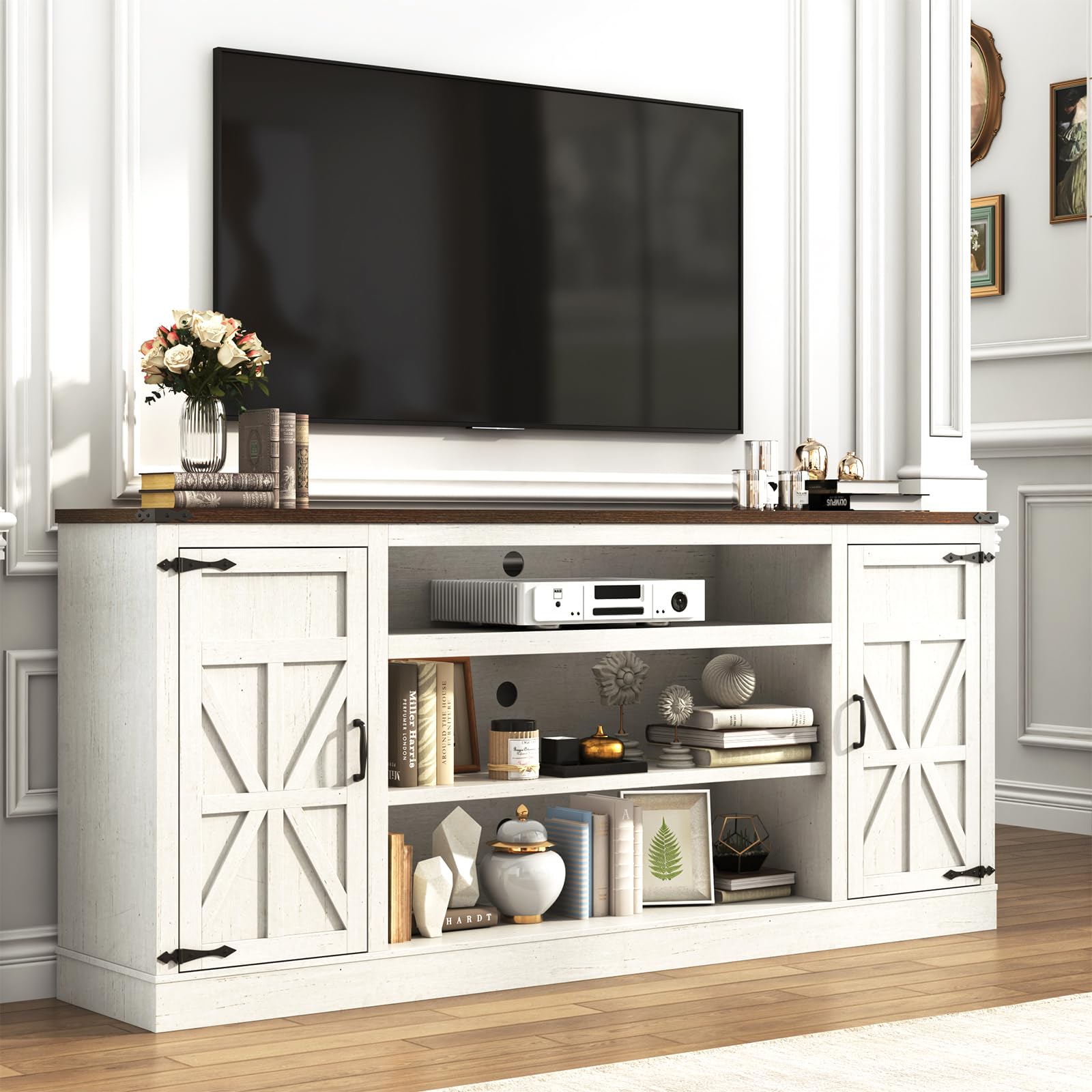



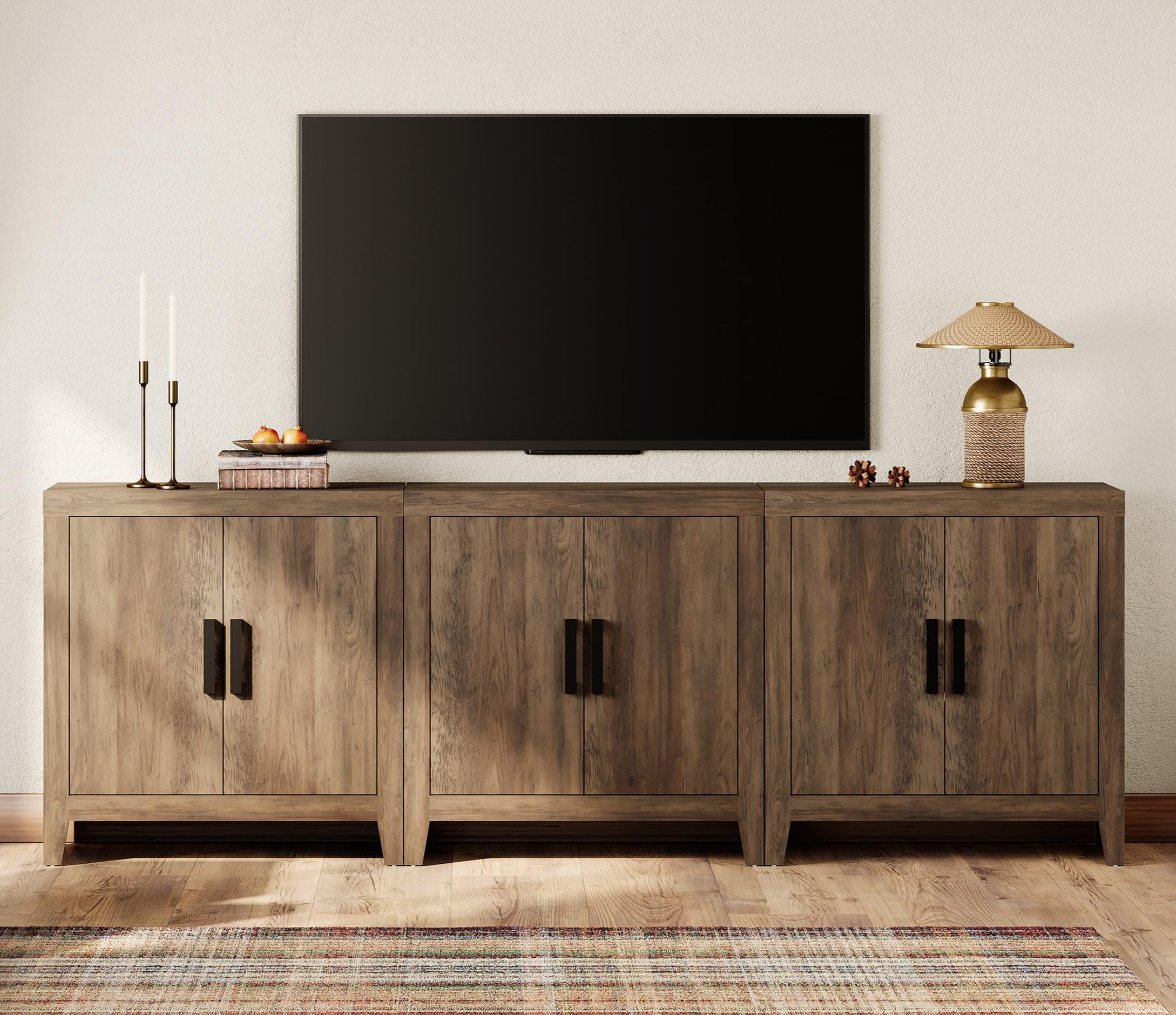
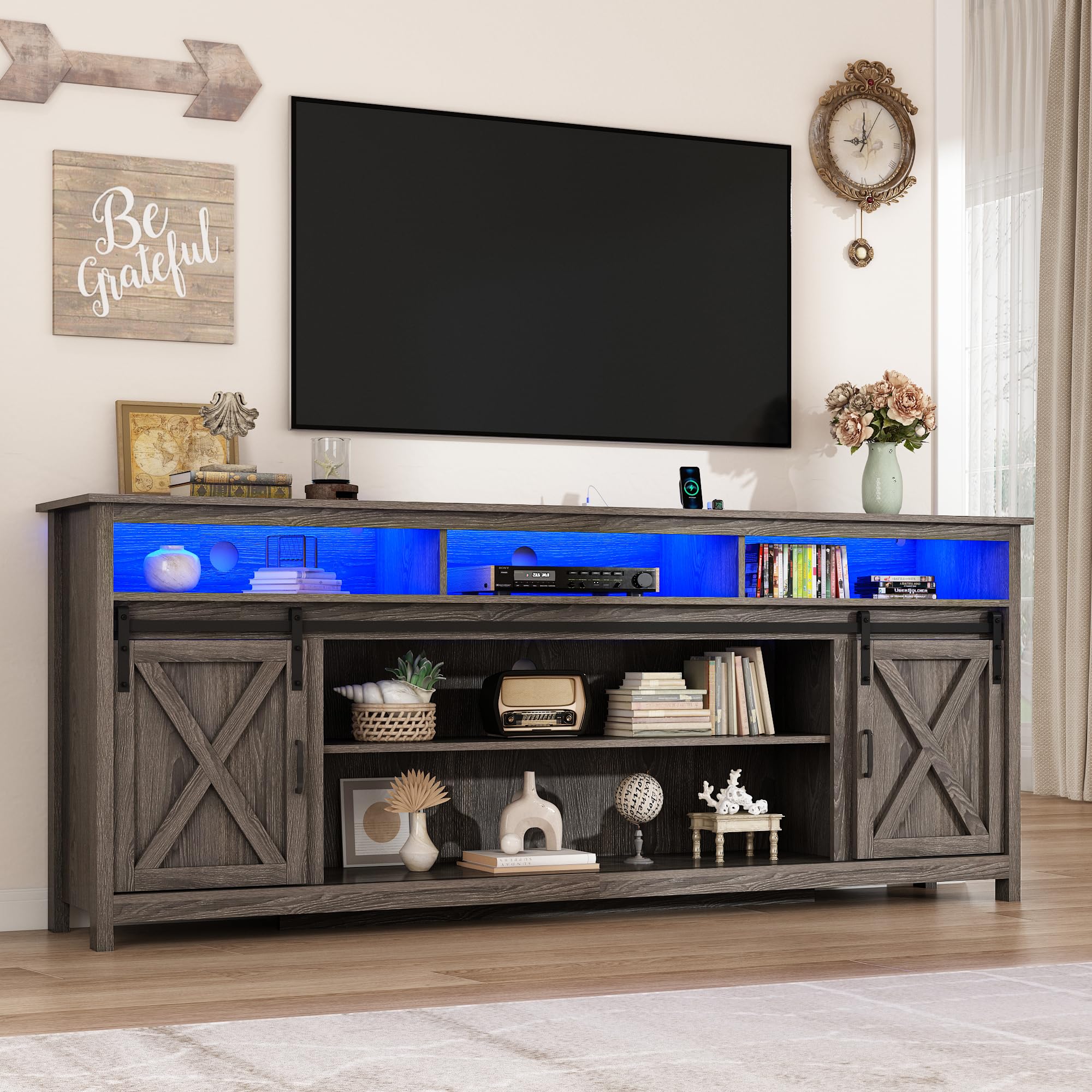
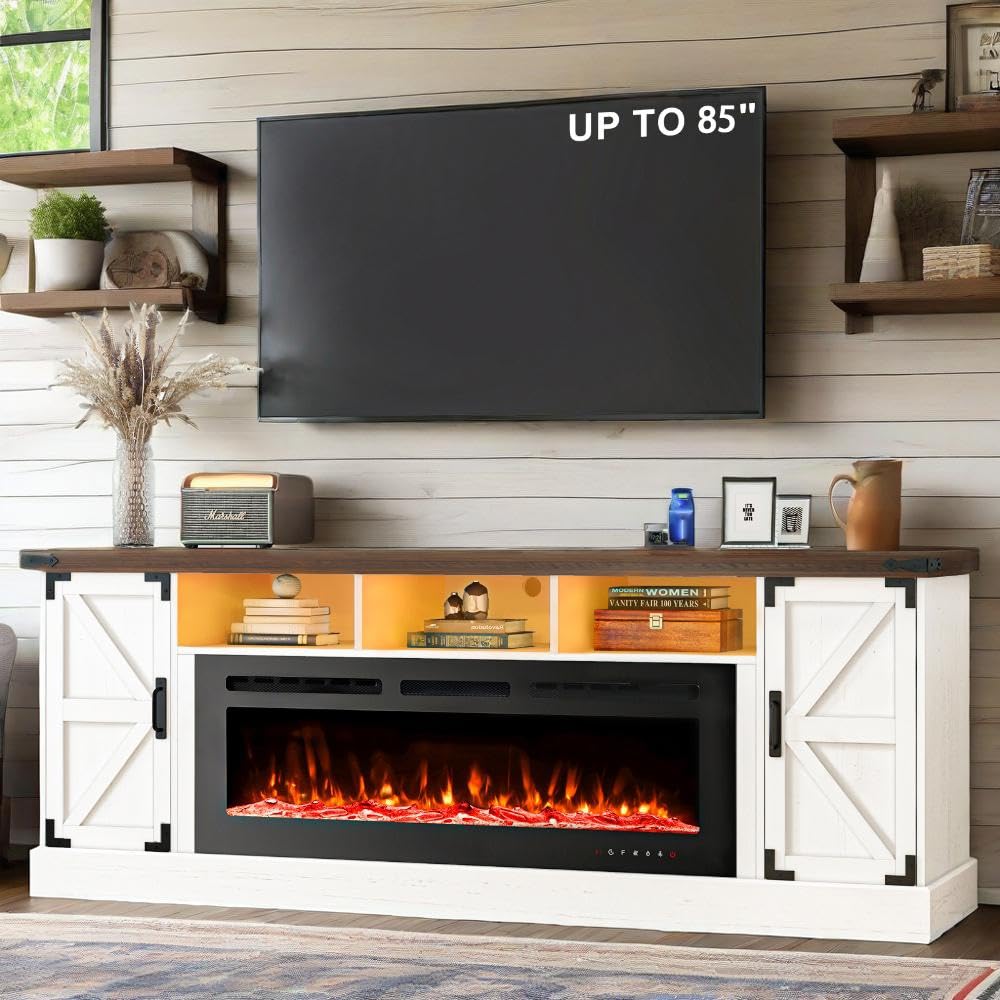
Types to Compare at a Glance
Choosing the best 85 inch tv stand is mostly a choice between five forms. An open console gives easy access and airflow, but leaves gear visible. A cabinet with doors hides clutter, yet needs interior depth and ventilation. A floating console frees floor space, but transfers the load to wall studs. A corner console fits angled layouts while wasting some center storage. A wide entertainment center adds side towers and the most storage, at the cost of the largest footprint.
How We Chose
Stand types are compared using maker specifications for width, depth, height and load rating, plus patterns in verified buyer reports about sagging shelves and difficult assembly. The criteria were size and weight capacity first, then build quality, stability, storage that fits real gear, assembly clarity and warranty terms.
Who Should Buy an 85 Inch TV Stand
The right buyer has the wall width, floor space and gear to justify a very wide piece of furniture.
Living rooms built around movies and shared viewing
You watch with family or guests spread across a sofa and side chairs, so the screen needs to sit centered at a height everyone can see without tilting their heads up. A wide low console gives the soundbar a flat surface and leaves room on each side for speakers without crowding the screen edges.
Gamers and sports viewers with several devices
You need open or ventilated storage for consoles, a receiver and a center speaker, plus rear openings that let cables pass without sharp bends. Adjustable shelves matter more than decorative doors, since console heights vary and trapped heat shortens device life. Look for depth that holds the gear with the door closed.
Homes that need storage and cannot wall mount
You rent, you have walls unsuited to heavy mounts, or you want the TV to move when the room layout changes. A floor standing console solves that while adding closed storage for remotes, games and blankets.
Key Features to Compare
Width, depth and foot spacing
Measure your TV across its full width, which for most 85 inch models is about 74 to 76 inches, then measure the distance between the outer edges of its feet. The stand top should be wider than the foot spacing by several inches on each side and ideally wider than the screen itself. Depth matters just as much. The feet need full contact with the top surface, with no overhang at the front or back, and most large consoles run about 15 to 20 inches deep to achieve that.
Weight capacity and stability
Add the weight of the TV, soundbar, consoles and anything stored on the top, then choose a stand rated comfortably above that total. Many 85 inch TVs weigh about 80 to 110 pounds without their own feet, so a low rating leaves no margin. Stability comes from a wide base, a low center of gravity and level contact with the floor. A tall narrow unit is a poor match for this screen size, since a small push moves more mass at greater height.
Height and speaker clearance
Your eye level while seated is usually about 40 to 44 inches from the floor, and the center of the screen should sit near that line. Once you add the TV height above its feet, most buyers need a stand about 20 to 28 inches tall, not a tall cabinet. Check the space below the screen for a soundbar as well. If the bar will sit on the stand, its height must not block the bottom of the picture or the sensor for the remote.
Materials and build quality
Solid wood and quality plywood offer the strongest shelves and the best resistance to sagging under a heavy panel, and they usually cost the most. Engineered wood with a good core can work well at this size when the top panel is thick and the load rating is honest. Thin particleboard is the risky option for an 85 inch TV, especially on long unsupported spans. Metal frames with wood or tempered glass shelves sit between those poles, so check the rating for each shelf, not only the top.
Storage, doors and cable routing
Count what you will store before you fall for a clean front. Consoles and receivers need shelf height, depth and airflow, while smaller items suit drawers or divided cabinets. Doors should open fully without hitting a nearby wall or speaker. Rear openings should line up with your gear, be large enough for plugs, and let you reach connections after the stand is loaded.
How to Choose the Right TV Stand
Size and form factor
Start with the room, not the product photo. Measure the wall and any vents the stand would block, then tape the footprint on the floor to test walkways. Our guide on what size tv stand do i need walks through the measuring steps in order. A low wide console suits most living rooms, a corner shape suits angled seating, and a floating console suits a clear floor plan where wall strength is certain.
Features worth paying for
Pay for features you will use weekly. A fireplace insert adds warmth and a focal point, and our guide to the best fireplace tv stand explains the clearances that style requires. LED lights suit movie rooms where a soft glow behind gear helps, while built in power outlets reduce cable clutter at the wall. Storage and doors are worth more than decoration for most homes. Skip lighting or heating features if they shrink shelf space your consoles need or raise the price past your budget for no daily gain.
Assembly, warranty and budget
Wide stands ship in long heavy boxes and often need two people and a clear floor to build. Read the steps before you buy with help from our notes on how to assemble a tv stand, and check whether spare parts and replacement panels are offered. Warranty length matters less than what it covers, so look for sagging and hardware coverage in writing. For budget, expect about $200 to $300 for basic engineered wood, about $300 to $500 for stronger builds and added features, and over $500 for solid wood or large entertainment centers.
Is an 85 Inch TV Stand the Right Size for You?
It is the right size when your TV feet need the width, your wall can take a console that may run 80 to 90 inches wide, and you want storage under the screen. Measure your doorway and hallway turns as well, since a fully built unit of this width may not pass through, even when the room itself is large enough.
If your TV has a single center pedestal instead of two wide feet, a somewhat narrower stand can work, though the screen will overhang and the look is less balanced. If you own a smaller TV today but plan to upgrade soon, compare our guide to the best 65 inch tv stand for the size you have now, and see the best tv stand for 75 inch tv options for the middle step. Buying for a future TV only makes sense when the upgrade is certain and near.
Common Mistakes to Avoid
- Buying by screen size alone, so the stand arrives narrower than the TV feet and cannot be used safely.
- Ignoring the load rating, so the top shelf sags slowly under a TV that was near the limit from day one.
- Choosing a stand that is too tall, so viewers tilt their heads up and the picture looks washed out from below.
- Closing consoles inside a cabinet with no airflow, so heat builds during long gaming or movie sessions.
- Skipping the doorway measurement, so a wide flat pack box or a built unit cannot reach the room at all.
- Placing the stand before routing cables, so plugs end up trapped behind a loaded unit against the wall.
How to Make Your TV Stand Last Longer
Dust surfaces with a dry or slightly damp cloth, and clean spills at once before liquid reaches joints or edges, where engineered wood swells fastest. Keep the stand level and check the feet after any move, since a slight lean concentrates load on one side. Retighten accessible fasteners once or twice a year if the maker allows it, and stop using a shelf that bows visibly until you learn whether it can be replaced. Keep heavy gear spread across shelves rather than stacked in one corner.
FAQ
Can an 85 inch TV sit on a stand that is narrower than the screen?
Yes, but only in one specific case. If your TV stands on a single center pedestal, the pedestal footprint decides the fit, and the screen may extend past the stand on both sides. With two feet set near the screen edges, a narrower stand is unsafe and should not be used. Even with a pedestal, check that the base sits fully on the top surface and that the setup cannot be bumped off balance by a child or a pet passing close.
Should you anchor a large TV stand and TV to the wall?
Anchoring is a wise extra step in homes with children, large pets or frequent bumps from play and cleaning. Use the safety strap or bracket supplied with the TV or stand, fixed into a wall stud, following the maker instructions for your wall type. The strap does not replace correct sizing or a level floor. It simply adds a backup if the TV is pulled or the stand is knocked, which matters more as screen size and weight rise.
How far should seating be from an 85 inch TV?
For most 4K content, a seating distance of about 7 to 12 feet lets the picture fill your view without forcing your eyes to scan for detail. Sit closer for movies if you enjoy a theater feel, and farther back for everyday shows or rooms where several seats sit at angles. Try your main seat position with a tape measure before fixing the stand in place, since moving a loaded wide console later is slow work.
Can a fireplace TV stand damage a TV or a console with heat?
It can if the insert blows hot air straight at the TV base or into a closed cabinet where a console sits. Check the maker guidance for minimum clearance above the heater, keep consoles out of the compartment closest to the heat path, and feel the shelf above the insert after an hour of use. Warm is expected, but surfaces too hot to rest your hand on signal a placement problem that needs fixing before regular use.
How do you move a very wide TV stand without damaging it?
Remove the TV, all gear and every loose shelf first, then empty the drawers and tape the doors shut. Lift with two or more people, one at each end, keeping the unit level so the long top panel does not twist. Dragging twists joints and chips feet. Cover corners before passing through doorways, and check that the stand still sits level afterward.
Final Thoughts
Measure the feet, add up the weight, set the height from your seated eye line, and only then choose a style and a budget. The product table above is the fastest way to compare the types against those four numbers. When a stand passes all of them with room to spare, you have found the best 85 inch tv stand for your room, and setup becomes a calm build instead of a return.


