
Best 80s Cameras 2026: Which One Fits the Way You Use It?
Disclosure: We may earn a commission when you buy through links on this page, at no extra cost to you. As an Amazon Associate I earn from qualifying purchases. Learn more

Compare the best 80s cameras by format, lens mount, metering and condition, with a used buying checklist and care tips.
There is no single camera from that decade that suits every shooter, because the era covered simple compacts, capable SLRs, rangefinders and instant models. The best 80s cameras for you depend on how much control you want, which film you plan to shoot and how much checking you are willing to do before buying used.
This guide works through those choices by use case first. Use the product table below to see the main types side by side, then read on for the condition checks that matter most with gear of this age.

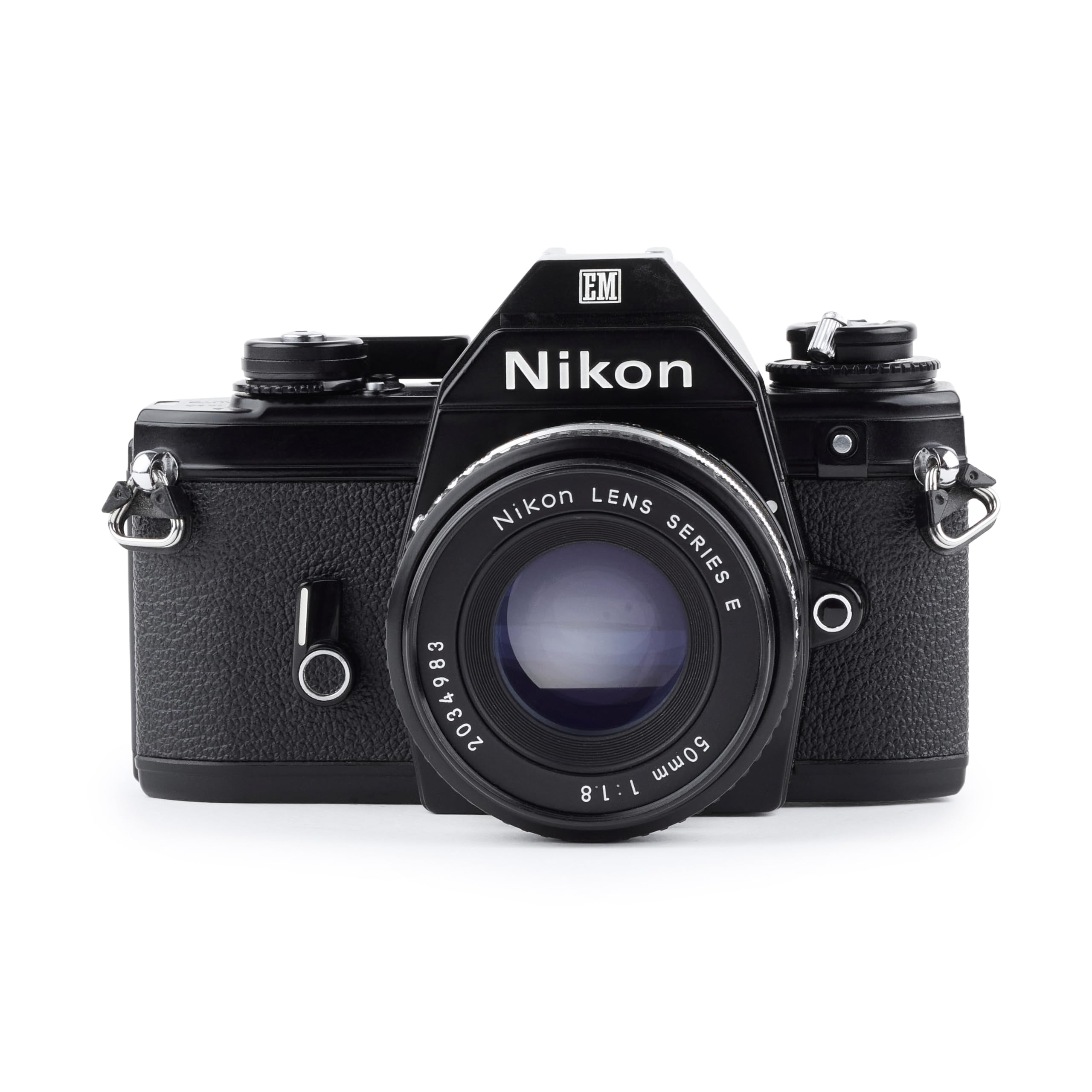

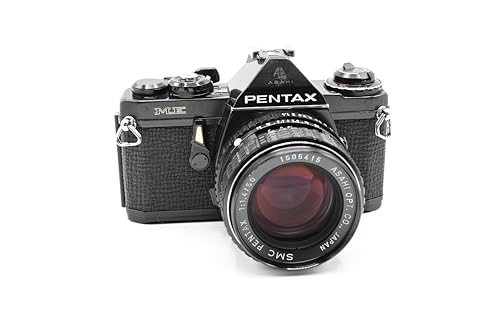
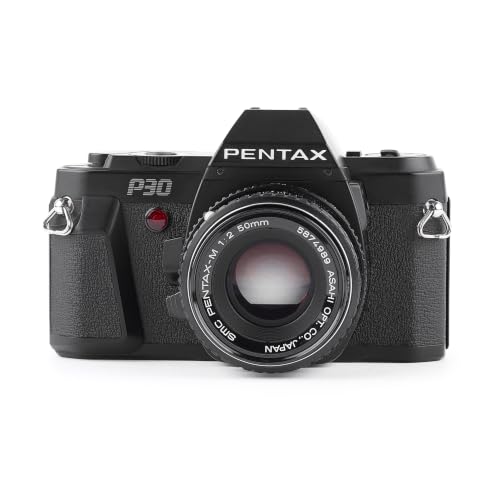


Who Should Buy Which 80s Cameras?
Most buyers fall into one of three groups, and each group points to a different body type. Decide which description sounds like you before you start comparing mounts, meters or prices.
For Learners Who Want Manual Control on Film
Choose a 35 mm SLR with clear manual controls if you want to learn exposure by doing it yourself. You set aperture on the lens ring and shutter speed on a dial, and watch the meter respond as you change them. That slow, visible process builds real understanding. If you are comparing starting points, see our guide to the best starter cameras for how much control a first body should offer.
For Street and Everyday Shooters Who Want a Compact Body
A compact point and shoot or a small rangefinder suits you if the camera needs to ride in a coat pocket and be ready in seconds. Auto exposure handles the settings while you watch the scene, and a fixed lens keeps the package light for walks, markets and family days out. You give up manual control and lens choice, so pick this route only if speed and size matter more than settings you can adjust.
For Portrait and Creative Shooters Who Want Lens Choice
Pick an SLR system with a healthy supply of used lenses if portraits or deliberate compositions are your goal. A standard lens around 50 mm gives a natural view, while wider and longer options let you change how a scene feels without moving your feet. Because the lens shapes the picture more than the body does, budget for glass first and treat the body as the film holder that must meter and advance reliably.
Key Features to Compare
With your group in mind, judge the best 80s cameras by the factors below, in this order. Format and mount limit what you can shoot, metering and focusing shape daily use, and condition decides whether any of it works at all.
Film Format and Body Type
Format decides film cost, frame count and how large you can print. The 35 mm format is the practical default, with rolls widely sold, about 24 or 36 frames per roll and labs in most cities able to process it. Medium format gives a larger negative and smoother tones for studio or landscape work, but each roll holds far fewer frames and bodies are heavier. Instant cameras trade detail for a print in your hand within minutes, which suits parties more than portfolios.
Lens Mount and Lens Availability
The mount is the fitting that connects lens to body, and it decides which used lenses you can buy later. A mount with a long production run usually has plentiful glass at fair prices, while an orphan mount can leave you stuck with one lens. Check that the aperture ring turns smoothly and the glass shows no haze or fungus. For a wider view of how lens choice shapes results, see our guide to the best cameras for photography.
Metering and Exposure Control
The meter measures light and suggests settings, and its pattern changes how you shoot. A simple averaging meter works well in even light but can be fooled by bright skies, so learn to compensate by a stop when the scene is mostly white or mostly black. Program auto exposure suits quick snapshots, aperture priority suits shooters who want to control depth of field, and full manual suits learners. Whatever the mode, compare the meter against a phone light meter app before you trust it.
Focusing: Manual Focus and Early Autofocus
Most cameras from this decade focus by hand, using a split image or microprism screen that snaps into clarity when the subject is sharp. That system is accurate for still subjects, but slow for children or sport. Late decade models added early autofocus, which locks on central subjects yet can hunt in dim light and drains batteries faster. If manual focus tires your eyes, a bright finder and a lens with a short, smooth focus throw help more than extra features.
Condition, Light Seals and Battery Type
Condition outweighs spec sheets at this age, because foam light seals crumble, meter cells fade and shutter speeds drift. Ask whether the seals have been replaced, since sticky residue around the film door means they have not and light leaks can stripe your negatives. Confirm the camera takes a battery you can still buy, because some models need cells no longer made and rely on adapters. A serviced body is usually worth more than a rare body with no history, a point worth weighing alongside our guide to the best quality cameras.
Checking a Used 80s Camera Before You Buy
Every camera in this category is used, so a short in person check protects your money better than any feature list. Work through these steps and walk away if several fail.
- Open the back and fire each shutter speed, listening for a clean, even sound with no hesitation at slow speeds.
- Hold the lens to the light and look for haze, fungus spots or heavy scratches on the glass.
- Advance the film lever and check that the frame counter moves and the take up spool turns.
- Press your eye to the finder and confirm the meter reacts when you point from shadow to bright light.
- Inspect the battery compartment for white or green corrosion, which can signal deeper electrical damage.
Put one cheap trial roll through the camera before you rely on it for a trip. Shoot in sun, shade and indoor light, note the settings on your phone, and compare the scans with your notes to confirm the meter and shutter agree. If you decide film is not for you, see our guide to the best digital cameras for the modern route.
Common Mistakes to Avoid When Buying 80s Cameras
- Paying for a rare body before checking lens supply, so you end up with a camera you cannot afford to use.
- Ignoring the light seals, so the first roll comes back with light streaks across every frame.
- Choosing medium format for daily carry, so the weight keeps the camera at home instead of on your shoulder.
- Trusting a meter you never compared, so whole rolls come back too dark or too bright.
- Skipping a trial roll before a big trip, so a fault you could have found at home ruins the photos that mattered.
How to Make Your 80s Camera Last Longer
Clean the lens with a soft lens cloth, never with your shirt, because grit trapped in fabric can scratch the coating. Blow dust off the glass first with a hand blower so you are not grinding particles across the surface.
Carry a spare battery and a spare roll, and store the camera in a dry, padded bag away from car heat and damp basements. Take the batteries out during long storage, work the shutter a few times each month to keep it limber, and have the seals checked by a repair shop every few years rather than waiting for a failure.
Frequently Asked Questions
What does 35 mm mean on an 80s film camera?
It names the width of the film, and it is the standard format most cameras of the decade were built around. Each frame measures about 24 by 36 mm, which scans and prints well up to moderate sizes. Choosing this format also keeps your film choices widest, since color, black and white and slide stocks are all still made in 35 mm while some other formats have few options left.
How much should I spend on a first 80s film camera?
Most first time buyers do well in the range of about $100 to $250 for a serviced 35 mm body with a standard lens. Spending less often means paying a repair shop soon after, while spending more usually buys styling or rarity rather than better pictures. Keep part of your budget aside for fresh seals, a battery and your first few rolls.
Which 80s camera type works well in low light?
An SLR or rangefinder fitted with a fast lens, meaning a low f number such as f1.8 or f2, works best in low light. The wide aperture gathers more light, so you can keep shutter speeds fast enough to avoid blur from hand movement. Pair it with film rated around ISO 800 and brace your elbows on a table, since no camera of this era has stabilization.
What matters most for beginners buying an 80s camera?
Reliable condition matters most, ahead of any feature list, because a beginner cannot tell a camera fault from a personal mistake. A working meter, smooth advance and recent seals let you judge your own learning honestly from each roll. Start with one lens, then add complexity only after three or four rolls show you which limits are the camera and which are yours.
Is a smartphone enough instead of an 80s film camera?
A smartphone is enough for instant sharing and effortless snapshots, and its night modes beat film in dark rooms. What it cannot give you is the deliberate pace of 24 or 36 frames, the look of grain, or negatives you hold in your hand. Many shooters keep both, using the phone for records and the film camera for outings where the process is part of the pleasure.
The Bottom Line
Match the body type to your group, confirm the lens mount has glass you can afford, and let condition outrank features. A serviced 35 mm SLR or a tidy compact will teach you more than a rare flagship with tired seals. When you compare the best 80s cameras with those checks in hand, the right choice becomes obvious, so look back at the product table above and pick the type that fits your next roll.


