Best 8 Quart Pressure Cookers (2026): Types and Buying Guide
Disclosure: We may earn a commission when you buy through links on this page, at no extra cost to you. As an Amazon Associate I earn from qualifying purchases. Learn more

A practical guide to the best 8 quart pressure cooker: electric, stovetop and crisping lid types compared on capacity, safety and storage.
Picture a Sunday with soup planned, beans to cook for the week, and family arriving soon. A cooker that is too small forces two batches and doubles your work. Choosing the best 8 quart pressure cooker for your home solves that in one batch, if the size fits your kitchen.
This guide focuses on fit rather than hype. You will match capacity to your household, compare the main types, weigh features against price, and check counter space. Use the comparison table below to see how the options differ.





Quick Answer: What an 8 Quart Model Does Best
An 8 quart cooker suits homes cooking for about five to eight people, hosting gatherings, or batch cooking for the freezer. It handles a whole chicken, a generous pot of broth, or a big batch of beans without crowding. Electric multi cookers offer the easiest daily routine, stovetop models give direct control, and crisping lid models add browning but need more storage. Small households with tight storage may prefer 6 quart.
Before You Buy: A Quick Checklist for Choosing a Pressure Cooker
Work through the seven points below before comparing prices. Most regrets with a large cooker come from skipping one basic check.
Size: Match It to Your Space
Sizes run from 3 quart and 6 quart up to 8 quart and 10 quart. The number on the box is total volume, not usable cooking volume. Cookers fill to two thirds at most, and foaming foods such as beans and grains stay at one half. So an 8 quart pot gives roughly 5 quarts of working room. That space cooks a double batch of chili in a single run. Match the size to your biggest regular meal, not a rare holiday feast.
Which Type Fits Your Routine
Electric models run a programmed cycle and switch to warm mode when cooking ends, which suits busy evenings. Stovetop models heat on your burner and let you adjust heat by hand, and our guide to the best stovetop pressure cooker explains that route in depth. Multi cookers add slow cooking, rice, and steaming functions to the same pot. If you start dinner and walk away, choose electric. If you enjoy active cooking, stovetop deserves a look.
Features Worth Paying For and Ones to Skip
A removable steel insert is the feature most owners value daily, and readers who prefer that material can browse the best stainless steel pressure cooker options after this guide. Steel scrubs clean and resists staining from tomato based sauces. A yogurt function earns its place only if you make yogurt often. A sous vide mode matters only if you already cook that way. Long preset lists mostly duplicate a simple manual time setting.
Wattage, Power and Energy Use
Large electric models commonly draw about 1000 to 1500 watts while heating, then cycle to hold pressure. That draw resembles a small microwave, so avoid another large appliance on the same circuit at the same time. Total energy use stays modest because pressure shortens cooking for beans and tough cuts. Stovetop models use your burner instead, and a tiny burner under a wide pot heats unevenly. Heating a large pot for tiny meals wastes some energy.
Safety Features and Certifications
Look for a lid that locks until pressure drops and a release valve you can work without placing your hand over the steam path. A UL or ETL listing shows the appliance passed independent electrical safety checks. That mark matters more than marketing claims. Before your first meal, read our walkthrough on how to use a pressure cooker and practice a water only cycle. Never force a lid open, because trapped steam can cause serious burns.
Counter Space and Dimensions
An 8 quart cooker is a large appliance, so measure before you order. Check counter depth from wall to edge and the height up to your upper cabinets. The lid also needs extra height when it opens or lifts off. Steam needs a clear path upward, away from cabinet doors that warp with moisture. If the cooker will live in a pantry, measure that shelf and its door opening too. Many owners store the lid upside down to save height.
Realistic Budget Ranges
Shoppers ask about prices under $50, but a new 8 quart cooker at that level is rare outside a deep sale. Under $100 usually buys a basic stovetop model or a simple electric model with core settings. About $100 to $150 covers most mainstream electric multi cookers with a steel insert. About $150 to $200 adds a crisping lid, more sensors, or heavier construction. Spend first on size, insert material, and parts support, not on brand and finish.
Three Types Compared: Choosing Your Route
The fair comparison here is between types rather than brand names. Each route cooks the same foods, so your habits and storage decide.
Electric Multi Cooker for Daily Ease
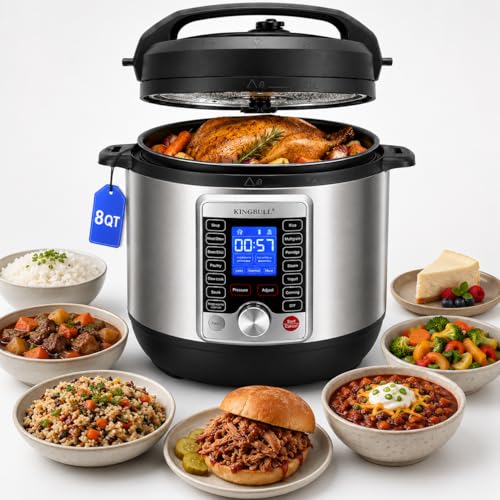
This is the default choice for most homes. You load the pot, set the time, and the machine manages pressure and timing alone. Delay start and keep warm settings help on workdays. The trade offs are bulk and dependence on the maker for electronic parts. The housing is large, and the electronics set the lifespan. Choose this route if you cook grains, beans, and soups several times a week.
Stovetop Cooker for Control and Durability
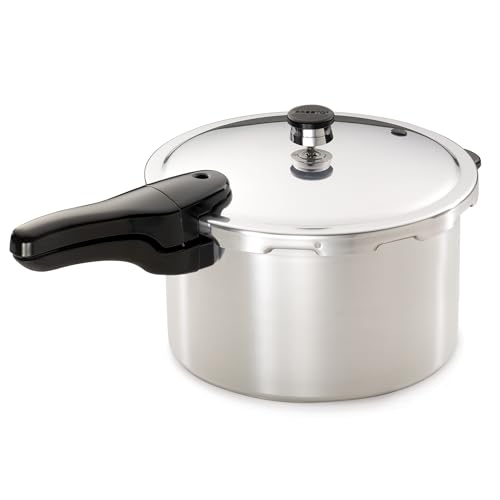
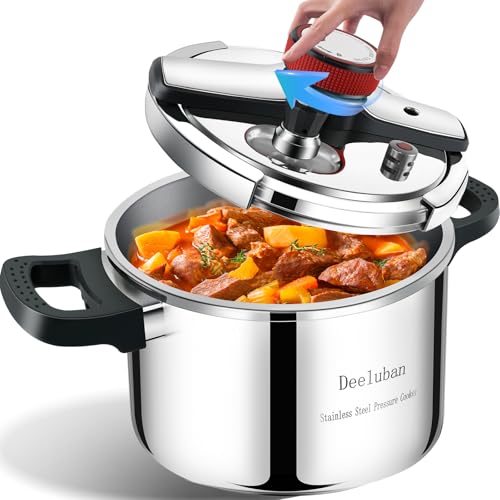
A stovetop model is a heavy pot with a locking lid, a gasket, and a pressure regulator. That simplicity is its strength. You control heat directly, browning is excellent, and the pot doubles as a stockpot without pressure. No electronics can fail, and gaskets are the main wear part. The cost is attention, since you adjust the burner and time the cook yourself. Choose it if you cook confidently on the stove.
Electric Cooker With a Crisping Lid
Some electric models add a second lid that blows hot air to brown food after pressure cooking. Chicken skin and cheese toppings finish crisp in the same pot. This suits homes that cook wings and whole birds often and dislike heating a full oven. The second lid is large, needs storage, and raises the price. Its crisping batch is also smaller than the pressure batch. Choose it only if you will brown food weekly.
How We Compare Models at This Size
Our comparison weighs real capacity after fill limits, cooking consistency, ease of use, cleaning effort, noise, safety listings, and parts support. We read maker specifications and study patterns in verified buyer reviews. We weight home fit above raw speed. A cooker that stores well and cleans fast pleases you more than one that saves two minutes on rice.
Is an 8 Quart Pressure Cooker the Right Size for You?
Choose 8 quart if you cook for a larger family, batch cook on weekends, or make stock from bones. The extra room helps with bulky foods such as corn on the cob and large squash. If canning is your main goal, note that electric multi cookers are not approved for pressure canning. That job calls for a dedicated canner on the stove.
Choose smaller if you cook for one to four people, own limited storage, or dislike washing a large pot after small meals. A 6 quart model covers most recipes and heats small portions with less waste. If you prefer gentle all day braises over speed, our comparison of pressure cooker vs slow cooker helps you decide which appliance deserves your counter.
Common Buying Mistakes to Avoid
- Buying the largest size for daily meals for two, which leaves you washing a bulky pot for small portions.
- Filling past the maximum line with beans or grains, which can foam into the valve and block the steam path.
- Skipping the lid open height check, which can leave the cooker unusable under low cabinets.
- Paying extra for a long preset list, which adds cost while a manual time setting cooks the same foods.
- Assuming an electric multi cooker can handle pressure canning, which risks unsafe food.
Cost of Ownership and Care
Ownership costs stay low when you plan for small parts. Sealing rings absorb odors and lose elasticity over time, and most rings and valve pieces cost about $10 to $30 each. Electricity for a soup cycle costs far less than heating a full oven. Budget for one spare ring if you cook strongly spiced food often, because a scented ring can flavor a mild dessert.
Wash the inner pot and lid after use, dry the gasket fully, and store the lid loose so moisture and odors escape. Keep the rim channel free of dried food so the lid seals well. Our step by step guide on how to clean a pressure cooker covers the small parts in detail. Replace the cooker if the lid warps or the rim dents, because a sound seal keeps pressure cooking safe.
Your Questions, Answered
What is the most reliable pressure cooker brand?
No single brand wins for every home, and reliability shows in details rather than a logo. Look for a maker that sells replacement rings, pots, and valves in the United States. A clear warranty and support for older models matter just as much. A brand that stocks parts for a cooker sold years ago tells you more than launch reviews do. Simple stovetop designs also fail less often, with fewer parts to break.
How do you clean a pressure cooker?
Start by removing the small parts that trap food. Lift out the sealing ring and pop off the valve cover and block shield if your model has one. Wash them in warm soapy water. Rinse the steam release pipe with running water, because one grain of rice can lodge there. Dry every part fully before rebuilding the lid. A short water and vinegar steam cycle clears odors after curry.
Is a pressure cooker worth it?
It is worth it if your weekly cooking includes dried beans, brown rice, tough meat cuts, or stock. One useful check is your grocery list. If you buy canned beans and bottled stock today, a cooker replaces those purchases with cheaper basic ingredients. If your meals are mostly quick salads, eggs, and thin fish fillets, the appliance adds little. Your money then works harder in a good skillet.
How long does a pressure cooker last?
An electric model often serves about five to ten years, while a stovetop pot body can last far longer with new gaskets. The end usually arrives through condition rather than age. Retire a cooker when the lid stops locking smoothly or the rim dents. A warped base that rocks on the burner is another clear signal. Electric models also end when the control panel fails and parts vanish.
What size pressure cooker do I need?
Base the choice on your largest regular recipe rather than headcount alone. Think about the stew you cook most often and the size of your leftover containers. Consider whether you enjoy cooking once and eating twice. A household that freezes meals in large portions uses 8 quart well even with three people. A large family cooking fresh small meals daily may prefer 6 quart. Recipe habits decide, not the box label.
What is the best 8 quart pressure cooker?
The answer depends on your route above, plus one factor size charts ignore, the shape of your storage. A tall narrow cabinet favors a stovetop pot, while a deep drawer may suit an electric base with the lid apart. Decide your type first and set your budget tier. Then pick the model with the strongest parts support and the clearest manual. That order prevents buying features before fit.
Final Thoughts
For most larger households, the best 8 quart pressure cooker matches your cooking route, fits your cabinets with the lid open, and offers parts you can replace for years. Electric models win on daily ease, stovetop models win on control and durability, and crisping lids earn their price only with weekly use. Compare your short list against the product table above. If another size looks smarter, our guide to the best pressure cooker covers the full range.