
Best 8 Port Routers of 2026: Complete Buying Guide
Disclosure: We may earn a commission when you buy through links on this page, at no extra cost to you. As an Amazon Associate I earn from qualifying purchases. Learn more

Compare the best 8 port routers by WiFi standard, coverage, wired ports and security to match a router to your home.
Most homes now juggle work laptops, phones, TVs, game consoles and smart devices, and many of them still work best on a wired connection. Eight LAN ports let you wire the gear that stays put while WiFi serves everything else, which is why shoppers compare the best 8 port routers when a standard four port model runs out of room.
This guide explains the standards, coverage and port specs that actually change daily performance. Use the product table below to build a shortlist, then work through the buying guide sections to confirm the fit for your home.


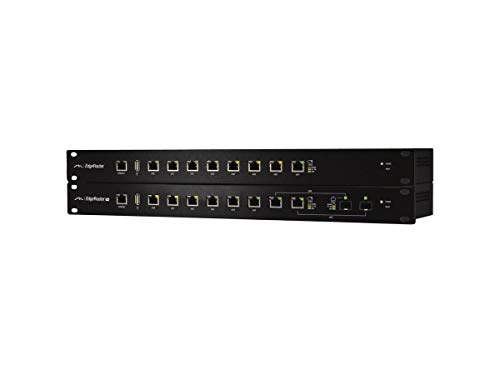
Three Buyer Profiles at a Glance
Instead of chasing a single winner, match the router to one of these profiles. Each profile lists the specs to prioritize and the compromise you accept at that level.
The All Round Profile
The all round profile suits mixed homes that stream, work and game at the same time. Prioritize a current WiFi standard, gigabit or faster LAN ports, and strong traffic management so video calls stay clear while downloads run. Expect to pay around $150 to $300 for this level. The compromise is price, since you pay for headroom you may only use at peak hours, but that headroom is what keeps a busy network calm.
The Value Profile
The value profile suits apartments and smaller homes that want wired ports without flagship cost, usually around $80 to $150. Prioritize solid dual band WiFi, gigabit LAN ports and reliable firmware updates over exotic gaming extras. You give up the newest WiFi band and the fastest multi gig ports, which most households will not miss. For many buyers this profile delivers the best balance of speed, ports and price.
The Beginner Profile
The beginner profile suits anyone who wants setup done in minutes and then forgotten. Prioritize a clear setup app, automatic updates and plain language controls for guest networks and parental limits. Expect to pay around $70 to $140. You accept fewer manual settings, which is a fair trade when your goal is a stable network rather than a hobby. A printed quick start guide and responsive support matter more here than raw speed ratings.
How to Choose the Best 8 Port Routers: Buying Guide
WiFi Standard (WiFi 6, 6E, 7)
WiFi 6 handles crowded homes well and is the sensible floor for a new router. WiFi 6E adds the 6 GHz band, which gives supported phones and laptops a cleaner, faster lane at short range. WiFi 7 raises the ceiling further for very busy homes and future devices. Match the standard to the devices you own today, since older gear cannot use the newest bands, and remember that wired ports perform the same regardless of the WiFi generation.
Coverage and Home Size
Judge coverage by your floor plan, not by the box rating alone. A single router placed centrally often covers about 1,500 to 2,500 square feet in an open plan home, while brick walls, multiple floors and long layouts shrink that range fast. If dead spots already plague your home, a mesh system or an added access point will beat a stronger single router. Count your wired locations too, since eight ports only help devices that sit near the router or near a wired wall jack.
Number of Devices and MU MIMO/OFDMA
Modern routers serve many devices at once using MU MIMO, which talks to several devices in parallel, and OFDMA, which splits channels into smaller pieces for small packets. Together they keep latency low when phones, cameras and TVs all chat at once. If your home has more than about 30 connected devices, prioritize these features and a capable processor. Wiring your heaviest devices, such as a desktop, console and TV box, also frees wireless capacity for everything else.
Gaming Features (QoS, Low Latency)
Quality of Service settings let the router prioritize game traffic or a work laptop over bulk downloads. That matters in shared homes where one large download can spike latency for everyone. Look for simple, per device priority controls rather than complex manual rules you will never tune. If gaming happens over a cable, port quality and a stable connection matter more than gaming branding. Our guide to the best routers for port forwarding helps if you host games or services that need manual port rules.
Security and Parental Controls
WPA3 encryption is the current baseline and you should enable it when your devices support it. Automatic firmware updates close security holes without effort on your part, so confirm the router supports them. Parental controls range from simple schedules and site filters, which are often free, to advanced monitoring that may need a subscription. Decide which level you truly need before paying for features, and set a separate guest network for visitors and smart devices.
Wired Ports (Multi Gig, WAN/LAN)
Eight LAN ports are the headline feature, but their speed decides long term value. Gigabit ports suit most homes today, while a 2.5 Gbps port on the WAN or LAN side prepares you for faster internet plans and fast local storage. Check whether all eight ports share the top speed or whether only some do. If you need power over Ethernet for cameras, note that routers rarely supply it, so our guide to the best 8 port poe switch for ip cameras covers that separate job.
Types of 8 Port Routers
WiFi 7 Routers
WiFi 7 models offer the highest wireless speeds and the best handling of very crowded airspace. They suit early adopters with new phones and laptops and homes that upgrade internet plans often. The downside is price, and older devices gain little. Choose this type when you keep a router for many years and want maximum headroom.
Mesh WiFi Systems
Mesh systems use several units to blanket a large or awkward home in one network. They solve dead spots better than any single router and let devices roam between rooms smoothly. The trade off is that each mesh unit usually has few LAN ports, so a model with eight ports on the main unit is a bonus for a media cabinet. Choose mesh when coverage, not peak speed in one room, is your problem.
Single Routers
A single router is the simplest and often the cheapest route to eight wired ports. It suits compact homes and apartments where one central spot reaches every room. Setup and troubleshooting stay simple because there is only one unit to manage. Choose this type when your current router already covers your home well and you mainly need more ports and a newer standard. For terminology help, our guide to the best wlan routers explains how naming differs across regions.
Tips to Get the Most From Your 8 Port Router
- Place the router centrally and elevated, away from thick walls and metal cabinets, so WiFi spreads evenly.
- Update firmware regularly or turn on automatic updates to close security gaps.
- Change the default admin password during setup and store the new one safely.
- Reboot monthly if you notice slowdowns, which clears memory and renews connections.
- Wire stationary devices first, starting with the ones that stream or game, to cut wireless congestion.
- Label each LAN cable with the device it serves so later changes take minutes.
8 Port Routers: Your Questions Answered
How often should I replace my router?
Most households should replace a router every four to five years. New WiFi standards, security support and faster internet plans all move on that cycle, and makers eventually stop releasing updates for old models. Replace sooner if your router no longer receives security updates or cannot handle your device count. A router that still gets updates and meets your speed needs can safely serve longer.
Will a new router speed up my internet?
A new router can speed up your internet if the old one was the bottleneck, for example with slow ports or an outdated WiFi standard. It cannot exceed the speed of the plan you pay for. Check with a wired connection to your current router first. If wired speed already matches your plan, a new router mainly improves coverage, capacity and latency rather than raw download speed.
Do I need WiFi 7 yet?
Most homes do not need WiFi 7 yet, because few devices support it and WiFi 6 already handles heavy use well. WiFi 7 makes sense if you buy flagship phones and laptops each cycle, run a very crowded network, or keep routers for many years. Otherwise, spend the savings on better placement, a mesh unit, or faster internet service. Your wired ports will serve heavy devices well either way.
Mesh or a single router: which is better?
A single router is better for compact homes with a good central spot, while mesh is better for large, long or multi floor homes with dead spots. Mesh costs more and gives fewer ports per unit, but it fixes coverage problems that raw power cannot. Start by checking your current coverage in the farthest room. If the signal there is weak, choose mesh and add a small switch later if you need more wired ports.
The Bottom Line
Choose the WiFi standard your devices can use, confirm the eight ports run at the speed you need, and let your floor plan decide between a single unit and mesh. Wiring your stationary gear is the simplest upgrade in this whole guide. When you are ready, compare your shortlist in the product table above and choose the best 8 port routers option that fits your home, your device count and your budget.


