
Best 8 Inch Waterproof Work Boots Made Simple in 2026: A Clear Buying Guide
Disclosure: We may earn a commission when you buy through links on this page, at no extra cost to you. As an Amazon Associate I earn from qualifying purchases. Learn more

Shopping for the best 8 inch waterproof work boots for the first time? Learn the terms, compare options, and avoid rookie mistakes with this easy guide.
Buying work boots for the first time can feel confusing, because labels mix height, safety ratings and waterproof claims. The best 8 inch waterproof work boots for you are the pair that keep water out, cover your ankle and still feel steady after a full shift. This guide starts with the plain basics, then walks through fit and features in a clear order.
You do not need to learn every term before you shop. Start with your ground, your weather and any safety rule at your job, then use the product table below to check shaft height, toe type and outsole. The sections after the table explain each choice with simple checks you can use in a store or at home.

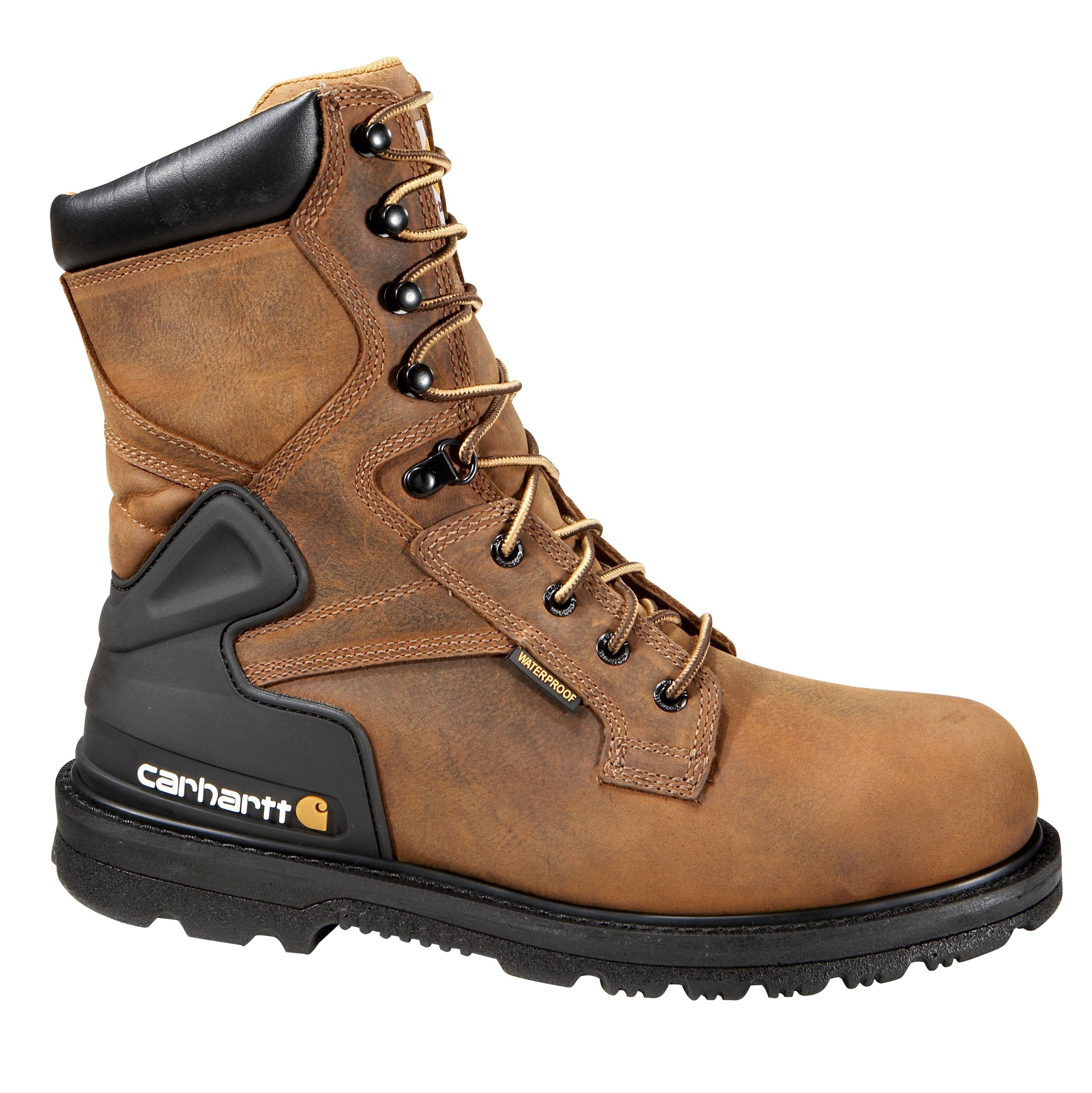


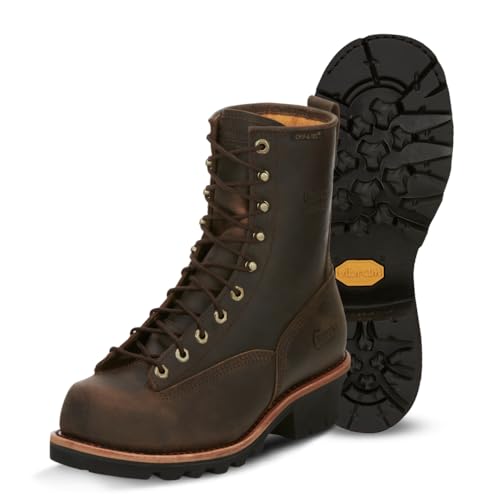
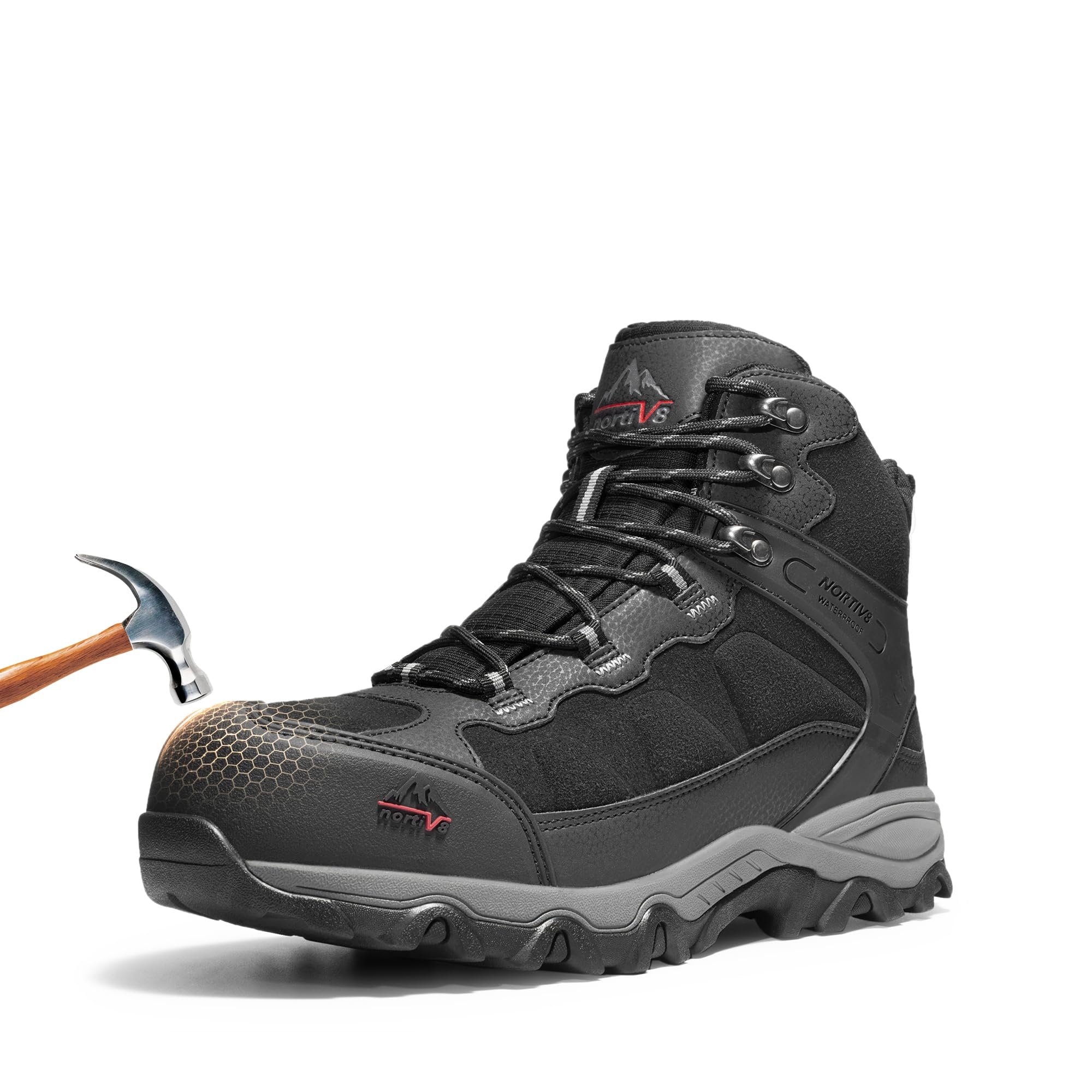
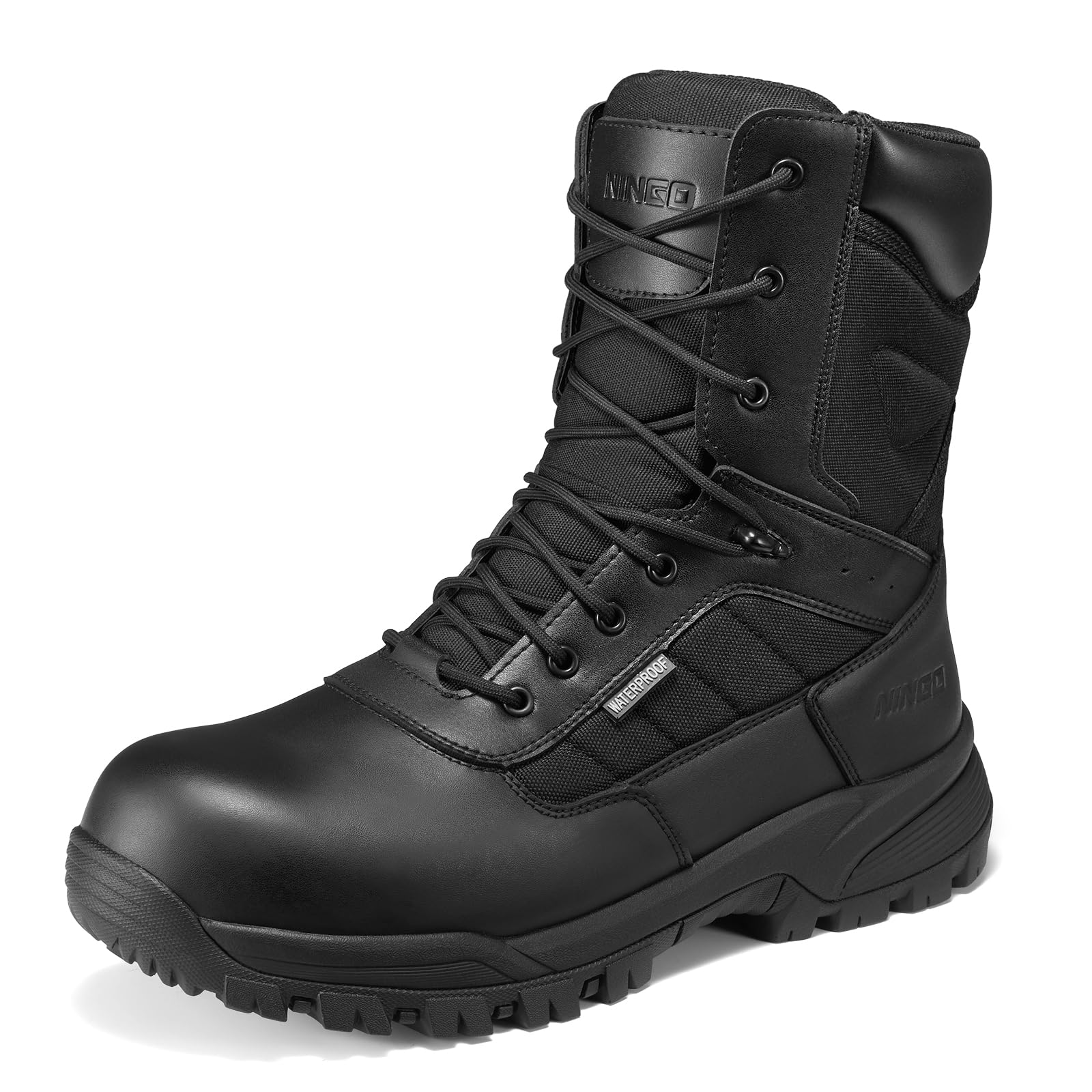
8 Inch Waterproof Work Boots 101: The Basics for First Time Buyers
The 8 inch figure describes shaft height, measured up from the sole to roughly the lower calf. That taller shaft covers your ankle, keeps out mud and splashes, and gives the boot more surface to lace snug for stability. It also feels warmer and stiffer than a short boot, so it suits outdoor work better than quick indoor tasks.
Waterproof here means more than a spray on the leather. A liner or membrane inside the boot blocks water, while sealed seams and a gusseted tongue close the gaps where puddles enter. If your job stays dry indoors, compare this style with our guide to the best 8 inch work boots before you pay extra for that liner.
Who Should Buy 8 Inch Waterproof Work Boots?
Match the boot to the ground and weather you face most weeks, not to the worst day you can imagine.
Outdoor Crews Working in Mud and Rain
You walk through wet grass, mud and standing water. Choose a membrane boot with a gusseted tongue and deep lugs, and wear work pants that overlap the shaft top. Rain that runs down your leg can enter over the top of any waterproof boot, so that overlap matters.
Utility, Farm and Landscaping Workers on Uneven Ground
You step on slopes, gravel, roots and rutted soil where an ankle can roll. The taller laced shaft helps hold your ankle in line, and a firm heel counter adds support when you carry loads. If a shorter shaft sounds easier to move in, see our guide to the best 6 inch waterproof work boots for the same weather protection with less coverage.
New Workers Whose Jobs Require a Safety Toe
Your employer may require a rated toe, an electrical hazard rating or both. Start from that rule, then choose fit and waterproofing inside it. A boot that fails a site rule goes back in the box, so confirm the requirement before you order.
Waterproof Boot Specs Decoded for Wet Jobs
Read each spec as a choice about fit, water, protection or grip, and decide which one matters most.
Fit, Sizing and Toe Box
Measure both feet in the afternoon, when they are at their largest, and wear your thickest work socks. Your toes should lie flat with a small gap at the front, and the toe box should let them spread on slopes. If you shop from a mens size chart, see our guide to the best men's 8 inch work boots for sizing notes. Seek advice from a fitting professional or clinician if you feel sharp pain, lasting numbness or swelling that does not settle after rest.
Waterproofing and Membranes Such as Gore Tex
Product pages for the best 8 inch waterproof work boots often name a branded membrane such as Gore Tex, but the build around it matters just as much. Look for sealed seams, treated leather and a tongue joined to the sides, because those details close the usual leak paths. The trade off is breathability, so warm indoor work can feel damp from the inside.
Safety Toe and Other Protection
A steel toe gives strong impact protection, while a composite toe uses lighter non metal materials and feels less cold in winter. For a closer look at metal protection, see our guide to the best 8 inch steel toe work boots. If low weight matters more, see our guide to the best 8 inch composite toe work boots. Some boots add a puncture plate or an electrical hazard rating if your job asks for them.
Cushioning and Arch Support on Wet Concrete
Cushioning softens steps on concrete, while arch support holds the middle of your foot so it tires more slowly. Flat feet usually suit a firmer arch and a stable heel, while high arches often need more padding under the forefoot. Heel to toe drop is the height gap between heel and toes, and a larger gap can shift effort toward your calves.
Lug Patterns for Mud, Soil and Smooth Floors
The outsole is the rubber layer that meets the ground, and its lug pattern decides your grip. Deep, widely spaced lugs shed mud and bite into soil, while a flatter pattern with more surface contact suits smooth concrete and wet floors. Match the pattern to the surface you cross most.
Boot Weight and Flex in a Tall Safety Toe
Extra weight adds up over thousands of steps in a tall safety toe boot. Lighter boots reduce leg fatigue on long walks, while heavier builds often bring thicker leather and stronger plates. Flex the boot and check that it bends near the toes, not in the middle of the arch. A boot that folds at the arch can feel unstable under a load.
Getting Started: First Wear and Break In Checks
Open the box and check the pair before the first shift. Confirm both boots match in size, check each seam for gaps, and confirm the toe cap matches the rating you ordered. Wear the boots indoors for an hour with your work socks, and walk stairs if you can, because a fit fault is easier to return before outdoor wear marks the soles.
For the first week, wear the new pair for shorter shifts and keep your old boots as a backup. Lace snug over the instep, then slightly looser at the top hooks so your calf can move. A small heel slip can settle as the leather shapes to your foot, but rubbing that raises a blister means the size or width needs a change, not more patience.
Rookie Mistakes to Avoid
Most first pair regrets come from a short list of avoidable errors.
- Buying your trainer size without trying work socks makes the toe box feel cramped by midday.
- Choosing a membrane boot for hot indoor work leaves your feet damp from trapped sweat.
- Ignoring the shaft top lets rain run down your leg and soak your socks from above.
- Wearing a new pair for a full overtime shift invites blisters before the leather softens.
- Skipping your employer safety rule can get a comfortable pair refused at the site gate.
Care and Maintenance for Waterproof Work Boots
Brush off mud after each wet shift and rinse heavy dirt with water, then air dry the boots away from direct heat with the insoles removed. Heat from a radiator or dryer can crack leather and damage the membrane. Stuff the shafts with paper if the leather got soaked, and swap the paper once it feels damp.
Condition plain leather only if the maker allows it, since some treatments can clog a membrane. Check seams and laces each month, and look at the lugs for smooth spots where grip is fading. Store the pair upright in a dry place, and reapply any outer water repellent treatment when water stops beading on the surface.
Frequently Asked Questions
Are expensive 8 inch waterproof work boots worth it for a first pair?
Expensive 8 inch waterproof work boots can be worth it if you wear them daily. Higher prices often buy better seam sealing and a resoleable build, which extends usable life. If you work one wet day a month, a modest pair and good socks give better value.
How should 8 inch waterproof work boots fit around the calf?
8 inch waterproof work boots should lace close around the calf without pressing when you kneel or climb. Leave room for one finger between the tongue and your shin at the top hooks. If the shaft edge digs in while the foot feels right, try different lacing or a wider calf fit before changing size.
Can I wear 8 inch waterproof work boots all day?
Yes, you can wear 8 inch waterproof work boots all day once the break in week is done and the fit is right. Sweat is the main limit, because a waterproof liner slows drying inside the boot. Change into dry socks at midday on long shifts, and alternate two pairs across the week if you can, so each pair dries fully between wears.
How long is the break in period for 8 inch waterproof work boots?
The break in period for 8 inch waterproof work boots usually runs about one to two weeks of regular wear. The ankle crease and instep soften last, because the membrane and lining add layers that move less. Short walks help those areas flex, while a very long first shift can rub skin raw.
How often should I replace my 8 inch waterproof work boots?
Replace your 8 inch waterproof work boots when the liner leaks at the flex point even after cleaning, or when the heel lugs wear smooth. Many daily wearers reach that point in about one to two years. A cracked toe area or a sole that separates from the upper ends the life of the boot at once.
Our Verdict
Put fit first, waterproof build second and toe protection where your job rule places it. Check the toe box with work socks on, confirm the seams and tongue are sealed, and match the lug pattern to your ground. Then use the product table above to compare the pairs that pass those three checks within your budget.
Chosen that way, best 8 inch waterproof work boots become a simple match between your feet, your weather and your work. Start with the basics, break the pair in gently and keep the leather clean, and your first tall waterproof boots should serve you well.


