
Best 8 Inch Composite Toe Work Boots: A First Time Buyer Guide for 2026
Disclosure: We may earn a commission when you buy through links on this page, at no extra cost to you. As an Amazon Associate I earn from qualifying purchases. Learn more

Learn the terms behind the best 8 inch composite toe work boots, compare options and avoid first time buyer mistakes with this easy guide.
Buying safety boots for the first time can feel confusing, because labels mix height, toe material, and ratings in a few short words. The best 8 inch composite toe work boots give you ankle coverage, impact protection without metal, and support for long shifts. This guide starts with the basics, so you can read the product table below without guessing what each term means.
Think about where you work, what could fall onto your feet, and how long you stand. Those answers shape fit, weight, waterproofing, and outsole.


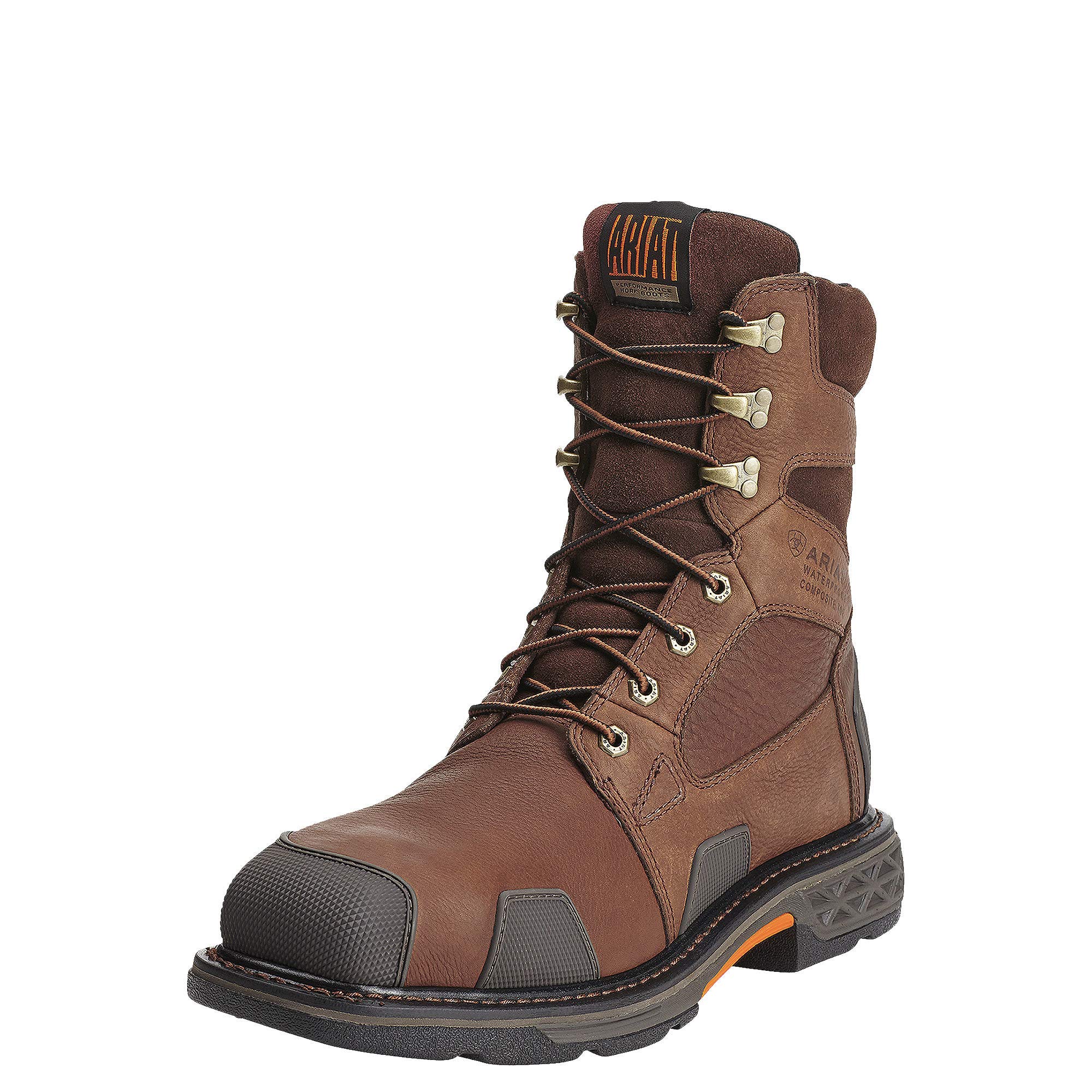


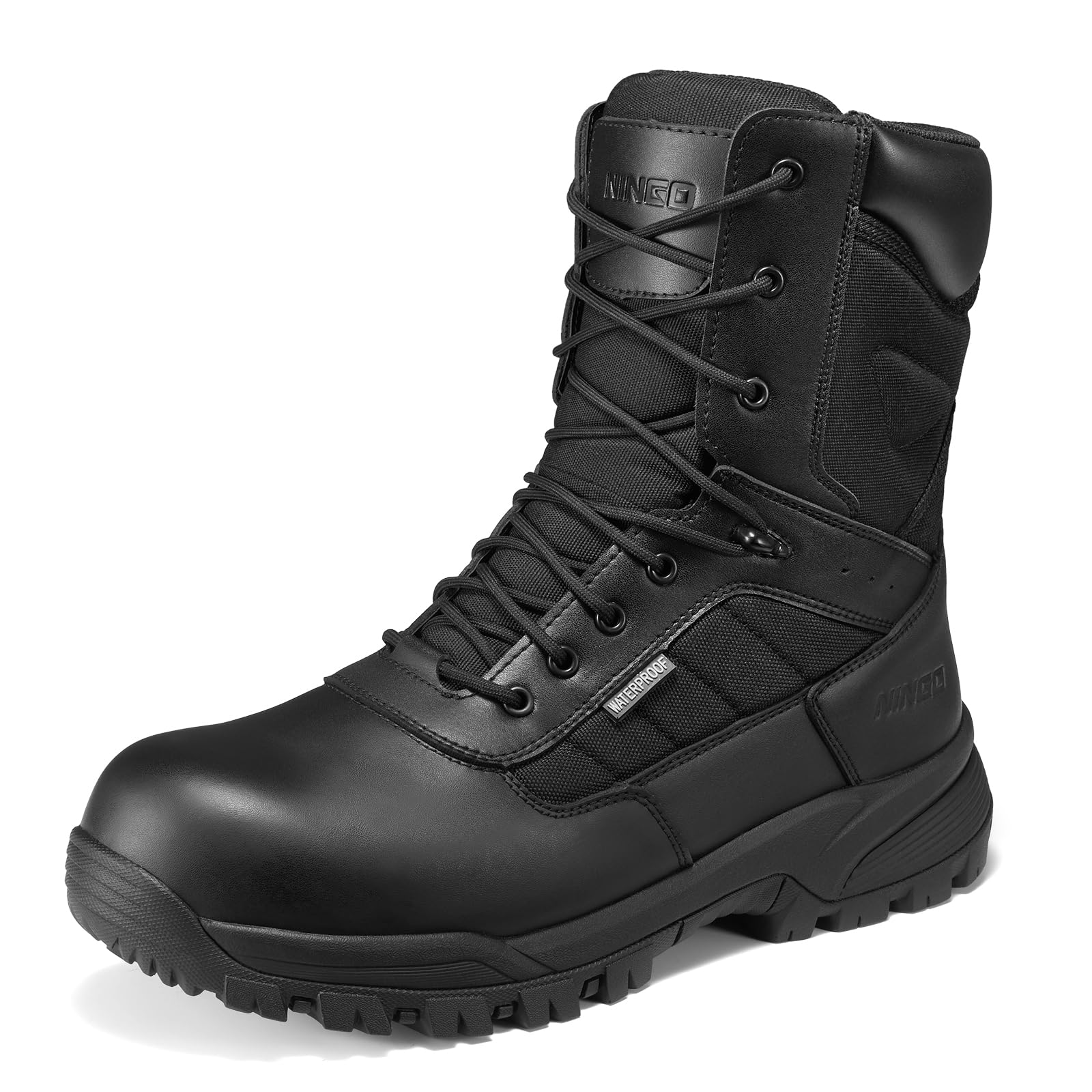

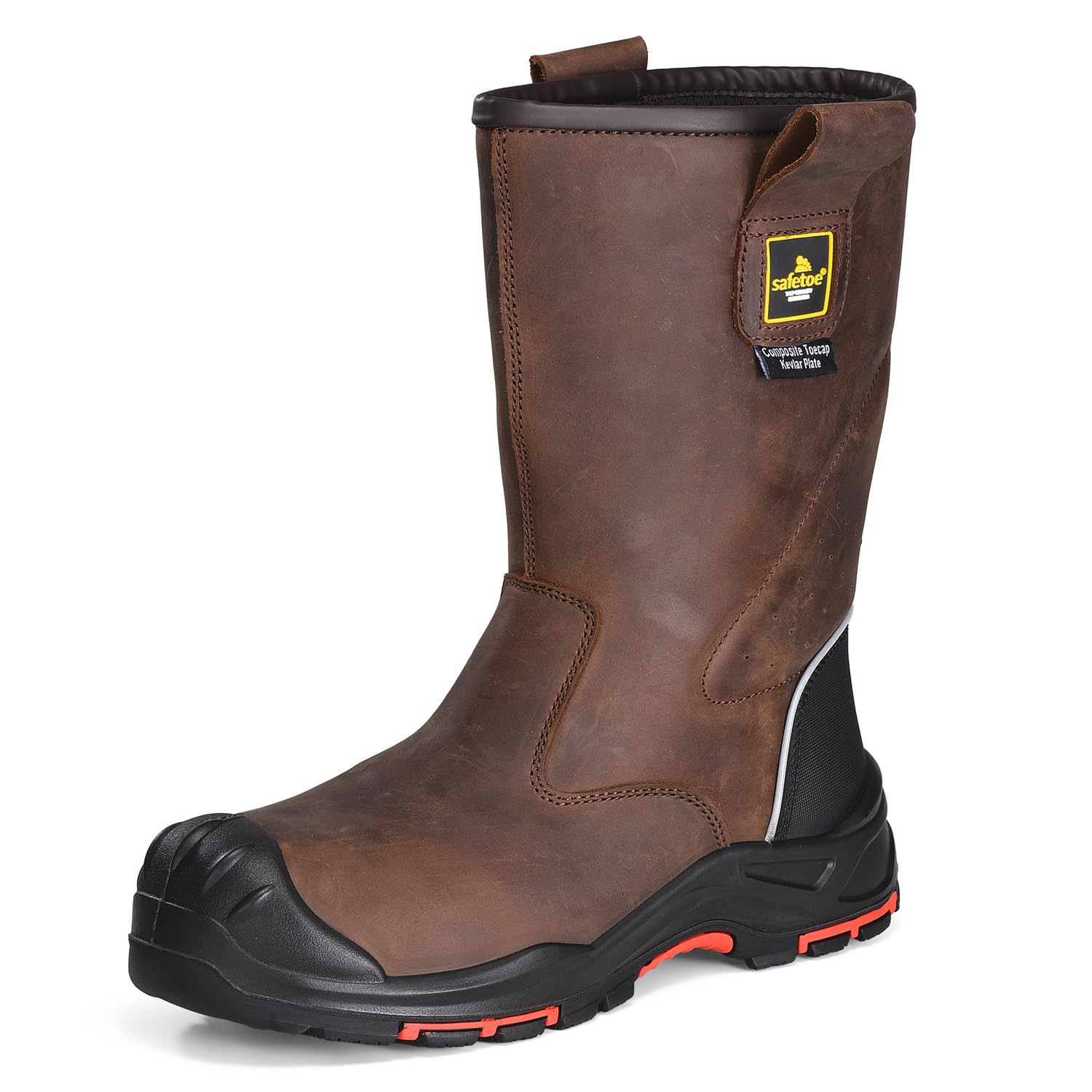
8 Inch Composite Toe Work Boots 101: The Basics
An 8 inch boot rises well above your ankle, and the shaft helps hold your ankle steady on ladders and uneven ground. The composite toe cap protects your toes from impact and compression, and it is made from materials such as fiberglass or strong plastic blends rather than steel. Most safety toes sold for work in the United States meet the ASTM F2413 standard, so check that marking inside the boot.
Because the cap contains no metal, these boots suit sites with metal detectors and work near electrical sources, and they transfer less cold than steel. If your site allows either, see our guide to the best 8 inch steel toe work boots to weigh the added weight of steel. A taller shaft keeps out gravel, but it adds warmth.
Who Should Buy 8 Inch Composite Toe Work Boots?
Your job hazards and daily surfaces matter more than brand names. Most first time buyers match one group below.
Warehouse and Delivery Workers on Concrete
You walk and stand for most of your shift and move around pallet jacks and rolling carts. You need a roomy toe box, steady cushioning, and an outsole that grips smooth concrete even when dust covers it. A lighter boot helps over thousands of steps.
Electricians and Workers Near Live Sources
You need toe protection with no metal and, for many jobs, an electrical hazard rating for dry surfaces. Check employer rules before you order, because some sites require that rating in writing. For this toe type in other heights, see our guide to the best composite toe work boots.
Outdoor Crews Who Need Ankle Support
You work on soil, gravel, and sloped ground where a low shoe lets debris in and offers little ankle help. The tall shaft and deep tread of an 8 inch boot suit that ground well. If your site does not require a safety toe, see our guide to the best 8 inch work boots for the same height without the cap.
Composite Toe Specs Decoded for Tall Work Boots
When you compare best 8 inch composite toe work boots, read the specs in the order below. Fit comes first, because protection cannot help a boot that hurts by midday.
Fit, Sizing, and Toe Box
Measure both feet late in the day, when they are at their largest, and wear your usual work socks. Your toes should lie flat inside the toe box, with about a thumb width of space past your longest toe, and your heel should stay in place as you walk. Widths vary by brand, so use the size chart for that boot. Men between standard and wide sizes can compare fit notes in our guide to the best men's composite toe work boots.
How Composite Caps Keep Tall Boots Lighter
A pair of 8 inch composite toe boots often weighs about 3 to 4.5 pounds, and lighter pairs ease leg fatigue on long walks. Weight comes from shaft height, upper material, and sole thickness, so tall leather boots feel heavier than synthetic ones. The boot should flex at the ball of your foot, not in the arch. If low weight matters most, see our guide to the best lightweight composite toe work boots.
Waterproofing and Breathable Membranes
A waterproof membrane blocks outside water while letting some sweat vapor escape, and Gore Tex is the best known name in this group. Waterproof boots help in rain and wet grass, but they feel warmer in summer and dry slowly once soaked. If you work indoors in dry heat, a leather or mesh upper breathes better and costs less. Look for sealed seams too, because a membrane cannot stop water entering through stitching.
Cushioning and Support
Cushioning spreads pressure under your foot as you stand and walk, and it matters most on concrete. A thicker midsole feels softer at first, but very soft foam can feel unstable under a load. Heel to toe drop is the height difference between heel and forefoot, and many work boots sit around 8 to 12 mm. Choose steady stability over softness if you lift often.
Break In Period and Comfort Out of the Box
Leather uppers soften over the first one to two weeks, while synthetic uppers change little after the first day. A new boot should feel snug at the midfoot without pinching your toes. Wear new boots for short shifts first and bring your old pair as backup. A hot spot in the first hour warns you, and tape then prevents a blister.
Arch Support and Foot Type
Arch support holds the middle of your foot so it does not tire by the end of a shift. Flat feet often need firmer support and a stable heel, while high arches need more cushioning. Many boots have a removable insole you can swap to match your arch if your employer allows it. If you feel sharp heel pain, returning numbness, or swelling after a blow, get medical care promptly, and talk with your clinician about your needs.
Rookie Mistakes to Avoid
New buyers repeat the same few errors, and each one is easy to avoid.
- Buying your casual shoe size without measuring leaves toes pressed against the cap and causes pain on long shifts.
- Choosing the lightest boot for heavy outdoor work leaves the shaft and outsole too soft for rough ground.
- Wearing thin cotton socks inside tall boots invites blisters, because cotton holds sweat against your skin.
- Ignoring the safety rating on the label can leave you with a boot your employer will not accept on site.
- Wearing brand new boots for a full overtime shift turns small hot spots into blisters that slow you for days.
- Drying soaked boots on a hot vent warps the upper and cracks leather, which shortens the life of the pair.
Getting Started: First Use for New Work Boots
Check the size marking and safety label, then lace from the bottom up so tension stays even. The shaft should feel firm around your ankle without blocking movement when you crouch. Walk indoors and confirm that your heel lifts only slightly and your toes never touch the cap.
For the first week, wear the boots for part of each shift and add time as the upper softens. Carry spare socks and change at midday if your feet feel damp, because dry skin blisters less often. Adjust lacing at any pressure point, looser over the sore spot and firmer above and below it.
Care and Maintenance for 8 Inch Composite Toe Work Boots
Brush off dirt after each shift and let the boots air dry at room temperature, away from direct heat. Remove the insoles at night so moisture can escape. Condition leather when it looks dry, following maker directions, and clean synthetic uppers with mild soap and water.
Check outsole tread and stitching around the toe cap each month. Smooth tread in the heel area means grip is fading, and loose stitching can let water and grit inside. Store boots upright with shafts open, and avoid a hot car trunk, where heat ages adhesives and foam.
Frequently Asked Questions
Do first time buyers need waterproof 8 inch composite toe work boots?
You need waterproof 8 inch composite toe work boots only if water reaches your feet in a normal shift. Rain and morning grass count, while a dry warehouse floor does not. One point new buyers miss is the tongue, because water enters there first in a deep puddle. A gusseted tongue blocks that path far better than a loose tongue.
How long is the break in period for 8 inch composite toe work boots?
The break in period for 8 inch composite toe work boots is usually about one to two weeks of regular wear. Full grain leather takes the longest, while synthetic uppers settle within a few days. The shaft often needs the most time, because it bends at a new point with every step. If stiffness stays painful after two weeks, the size or shaft shape is likely wrong.
How should 8 inch composite toe work boots fit?
8 inch composite toe work boots should fit snugly at the heel and midfoot, with clear space in front of your toes. Your foot should not slide forward when you walk down a slope. Try rising onto your toes on one foot, because a heel that pops out during that move will rub during a full shift. Judge fit only in your work socks.
How often should you replace 8 inch composite toe work boots?
You should replace 8 inch composite toe work boots when protection, grip, or support fails, not on a fixed date. Replace the pair at once after any heavy impact to the toe cap, even if the outside looks fine, because hidden damage can weaken the cap. Deep sole cracks and foam that stays flat after rest are other clear signs.
Are higher priced 8 inch composite toe work boots worth the cost?
Higher priced 8 inch composite toe work boots can be worth the cost when the money buys a better fit, a more durable upper, or a membrane you truly need. Price alone does not raise the safety level, because basic and premium pairs must meet the same impact standard. Spend first on correct size and width, since a costly boot in the wrong width still hurts.
The Bottom Line
For a first pair, put fit and the correct safety rating first, then choose weight and waterproofing for your site. Use the product table above to compare shaft height, toe material, and price.
Chosen with those points in mind, the best 8 inch composite toe work boots will protect your toes, steady your ankles, and stay comfortable through full shifts. Start with shorter wear and care for the upper and outsole.


