
Best Analog Watches for Nurses: What Actually Matters Before You Buy for 2026
Disclosure: We may earn a commission when you buy through links on this page, at no extra cost to you. As an Amazon Associate I earn from qualifying purchases. Learn more

Use this buying guide to the best analog watches for nurses to check legibility, water resistance, seconds hands, straps, and value before you buy.
On a busy unit, you check the time while you count a pulse, time medication, or note when symptoms started. A good watch has to be readable at a glance, easy to clean, and accurate without fuss. This guide walks you through a simple checklist for choosing best analog watches for nurses that fit real clinical work.
You will learn which dial details help during timed tasks, which movement type suits a rotating schedule, and which strap and case choices survive frequent hand washing. Use the comparison table below to narrow your options, then work through each section before you spend.

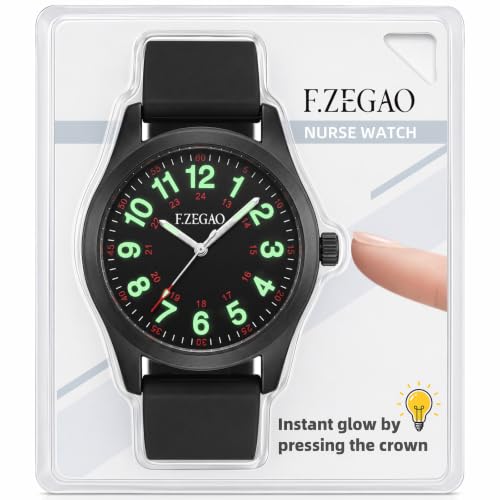


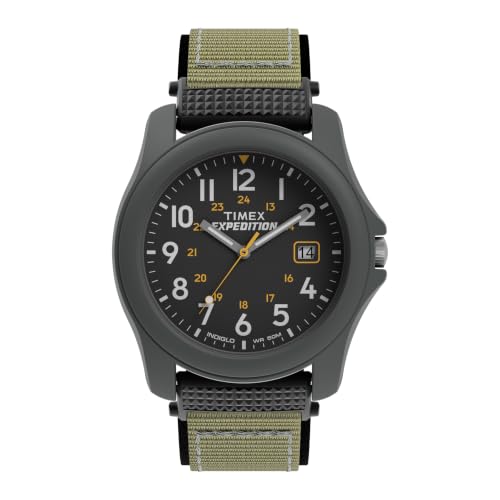


How to Evaluate Analog Watches for Nursing
Think of this section as a scoring sheet you can apply to any model in the product table above. A watch can look sharp in photos and still fail on the ward if the numerals are small, the strap traps moisture, or the crown snags on gloves. Score each area honestly for your role, your unit rules, and your wrists.
Features That Matter for Nurses
Nursing work adds demands that office wear never faces. You need a clear seconds hand for pulse and respiration counts, bold numerals or markers you can read under bright lights, and a case and strap you can wipe clean. A smooth seconds sweep helps counting, but a crisp ticking hand is also fine if each second is easy to follow. Look for a dial with strong contrast, such as dark numerals on a light face or the reverse, and avoid busy decorative dials that hide the seconds track. If your facility requires bare below the elbows in some areas, confirm your local policy before you wear any wristwatch on those shifts.
Movement Type
Quartz movements run on a battery and stay accurate to within a few seconds per month, which suits timed clinical tasks. They need little care beyond a battery change every one to three years. Automatic movements wind from your arm motion and need no battery, but they can drift by several seconds per day and stop after a day or two off the wrist. Solar models charge from light and reduce battery changes, though they cost more at this tier. Smart features belong on a different kind of watch entirely, and many units limit their use near sensitive equipment.
Brand Reputation, Warranty, and Value
A known maker with a clear warranty and service network in the United States saves you time when a crown fails or a crystal cracks. Look for at least a one year warranty, and two years is better for a watch you wear daily. Value is not the lowest price. It is a legible dial, a replaceable strap, and parts that a local watch shop can service. Keep your receipt and warranty card, and note the case reference so a battery change goes smoothly. A cheap watch with no support often costs more once you replace it twice.
If you are comparing broader options beyond the ward, see our guide to the best analog watches for general style and movement background.
Legibility and Style
Legibility comes first, style second, but you do not have to give up a clean look. Lume on the hands and hour markers helps on night shifts when lights are low, though it needs a brief light charge to glow. A plain dial with Arabic numerals at all hours is the easiest to read fast. Stick indices look neater but can slow a quick glance. Choose a case finish that looks professional with scrubs and does not flash under exam lights. Matte or brushed finishes tend to read calmer than mirror polish.
Water Resistance Rating
Ratings confuse many buyers, so translate them into daily use. A 30 meter rating means splash resistance only, fine for hand washing if you are careful but not for showering. A 100 meter rating handles showers, rain, and brief immersion with far more margin, and it suits frequent washing on shift. A 200 meter rating adds a screw down crown on many models and suits swimming. For nursing, aim for at least 50 meters and preferably 100 meters, because soap, sanitizer, and repeated splashes add up over months of wear.
Case Size and Wrist Fit
Case diameter is only part of fit. A 36 mm to 40 mm case suits most wrists and slides under a cuff or glove without catching. Measure lug to lug length too, because long lugs can overhang a slim wrist and make the watch feel larger than its diameter suggests. Thickness matters on shift. A slim case around 8 mm to 11 mm thick sits flat and bumps into bed rails less often. Try the strap fully fastened and flex your wrist. If the crown digs into the back of your hand, size down or look for a smaller crown.
What the Best Analog Watches for Nurses Should Deliver at Each Price Tier
Sorting options into tiers works well if you judge each tier by criteria instead of names. Use the notes below with the product table above to see which tier matches your shifts and budget.
Best Overall Tier
The strongest all around tier should give you a bold numeral dial, a visible seconds hand, 100 meter water resistance, and a strap you can rinse and dry fast. Expect a reliable quartz movement, a mineral or sapphire crystal, and a warranty of two years. The case should feel solid without sharp edges. If a watch in this tier lacks lume, check that the contrast alone carries you through night rounds. This is the tier to pick if you wear one watch for every shift and want the fewest compromises.
Best Value Tier
Value tier watches, often around $30 to $80, focus on the basics done right. You still get a clear dial, a working seconds hand, and at least 30 meter to 50 meter resistance, but the crystal is usually mineral glass and the strap may feel plain. That trade can be smart for students or anyone who replaces a watch after a tough rotation. Check that replacement straps are easy to find in the same width. A low price with a rare strap size loses its value when the strap wears out.
For a wider view of nursing focused options, see our guide to the best watches for nurse roles and schedules.
Best for Heavy Use Tier
Heavy use means long shifts, frequent cleaning, and knocks against carts and door frames. In this tier, look for a tougher case, a screw down crown, 100 meter or 200 meter resistance, and a silicone or metal strap that tolerates disinfectant wipes better than leather. A slightly larger dial can help if you read the time at arm length while holding supplies. Weight still matters across a 12 hour shift, so favor a secure strap and balanced case over bulk alone. If the crystal sits raised above the bezel, expect scratches sooner.
Quick Buyer Checklist
Run through these questions before you buy. A yes on most of them means the watch fits nursing work, not just your budget.
- Can you read the time and seconds hand from arm length in bright light?
- Does the dial show clear numerals or bold markers with strong contrast?
- Is the water resistance at least 50 meters for frequent hand washing?
- Can you clean the strap with soap or a disinfectant wipe without damage?
- Does the case sit flat and clear your glove cuff without snagging?
- Is the movement quartz or solar, so accuracy needs little attention?
- Does the warranty last at least one year with service in the United States?
- Can you replace the strap in a common width if it wears out?
Red Flags to Watch For
Stop and look closer if you see vague water resistance wording with no meter rating, a dial photo that hides the seconds hand, or a warranty measured in months rather than years. Be wary of listings with no case dimensions, since fit problems are the top reason nurses stop wearing a new watch. Unusual review patterns, such as many identical phrases posted on the same day, are another warning sign. Also avoid fashion dials with tiny hands and no lume if you work nights. A watch that looks delicate in photos often feels fragile after a week of twelve hour shifts.
Setup and Care Tips
Set the time against a reliable clock at the start of a rotation and check it weekly. Wipe the case and strap after shifts where you used a lot of sanitizer, then dry the watch fully before you store it. Rinse after saltwater exposure if you swim with it, and keep it away from strong magnets, which can affect accuracy. If you choose an automatic model for off duty wear, plan on service every 5 to 7 years. Replace a worn silicone strap promptly, because cracks can irritate skin during long wear.
If you prefer a wrist worn option list focused only on nursing, see our guide to the best wrist watches for nurses for more fit notes.
Frequently Asked Questions
What features matter most in analog watches for nurses?
A clear seconds hand, bold numerals, and strong dial contrast matter most. You use the seconds hand for pulse counts and timed observations, so it must be easy to follow. Water resistance of at least 50 meters and a strap you can clean daily come next. Lume helps on night shifts, but contrast in normal light matters more across a full week of work.
Is a smartwatch worth it over a classic watch?
It depends on your unit rules and your own habits. A classic analog watch never needs charging mid shift, stays readable at a glance, and raises fewer concerns near equipment or during sterile tasks. A smartwatch adds timers, alerts, and step counts, but it also adds charging and distraction. If you want smart features off shift, compare options in our guide to the best apple watches for nurses and check your facility policy first.
How long does a watch battery last?
Most quartz watch batteries last about one to three years. Life shortens if the watch has extra features such as a backlight used often or an alarm that runs daily. Plan a battery change before the watch stops during a shift block. A watch shop can often swap the battery and check the seals in one visit, which helps keep the water resistance honest.
What case size fits my wrist?
Most nurses do well with a 36 mm to 40 mm case. Measure your wrist, then check lug to lug length so the case does not overhang. A slim profile matters as much as diameter, since a thick case catches on gloves and cuffs. If you can, try the size in person and mimic charting and hand washing motions before you decide.
Quartz or automatic: which is better?
Quartz is better for most nursing work. It stays accurate with almost no attention, starts instantly after days off, and costs less to maintain. An automatic watch appeals if you enjoy mechanical movement and wear it daily, but it can drift and stop when unworn. For timed clinical tasks, the steady accuracy of quartz removes one more thing to think about.
How water resistant should a watch be?
Aim for at least 50 meters, and 100 meters if you can. Hand washing, splashes, and sanitizer happen many times per shift, and a splash only rating leaves little margin. Do not press buttons or pull the crown while the watch is wet. Have seals checked when the battery is changed, because aged gaskets are the usual cause of water damage.
The Bottom Line
Start with legibility, then check water resistance and strap cleaning, then confirm fit on your wrist. Those three points decide whether a watch survives real shifts or ends up in a locker. Match the tier to how hard you use it, use the product table above to compare, and choose the best analog watches for nurses option that passes your checklist with the fewest compromises.


