
Best 6 Inch Waterproof Work Boots by Budget for 2026
Disclosure: We may earn a commission when you buy through links on this page, at no extra cost to you. As an Amazon Associate I earn from qualifying purchases. Learn more

Compare 6 inch waterproof work boots by budget, membrane, safety toe, traction and fit, with price tiers, care steps and clear buying checks.
Prices for work boots that keep water out span a wide range, and a higher price does not always buy the dryness or support your job needs. The best 6 inch waterproof work boots pair a sealed upper with a shaft that covers the ankle but still lets you climb, kneel and drive. This guide shows where extra money helps, so you can use the comparison table below with clear priorities.
Start with your ground and your shift length. A warehouse worker on wet concrete needs grip and light weight, while a landscaper in mud needs deeper lugs and leather that can take scrapes.

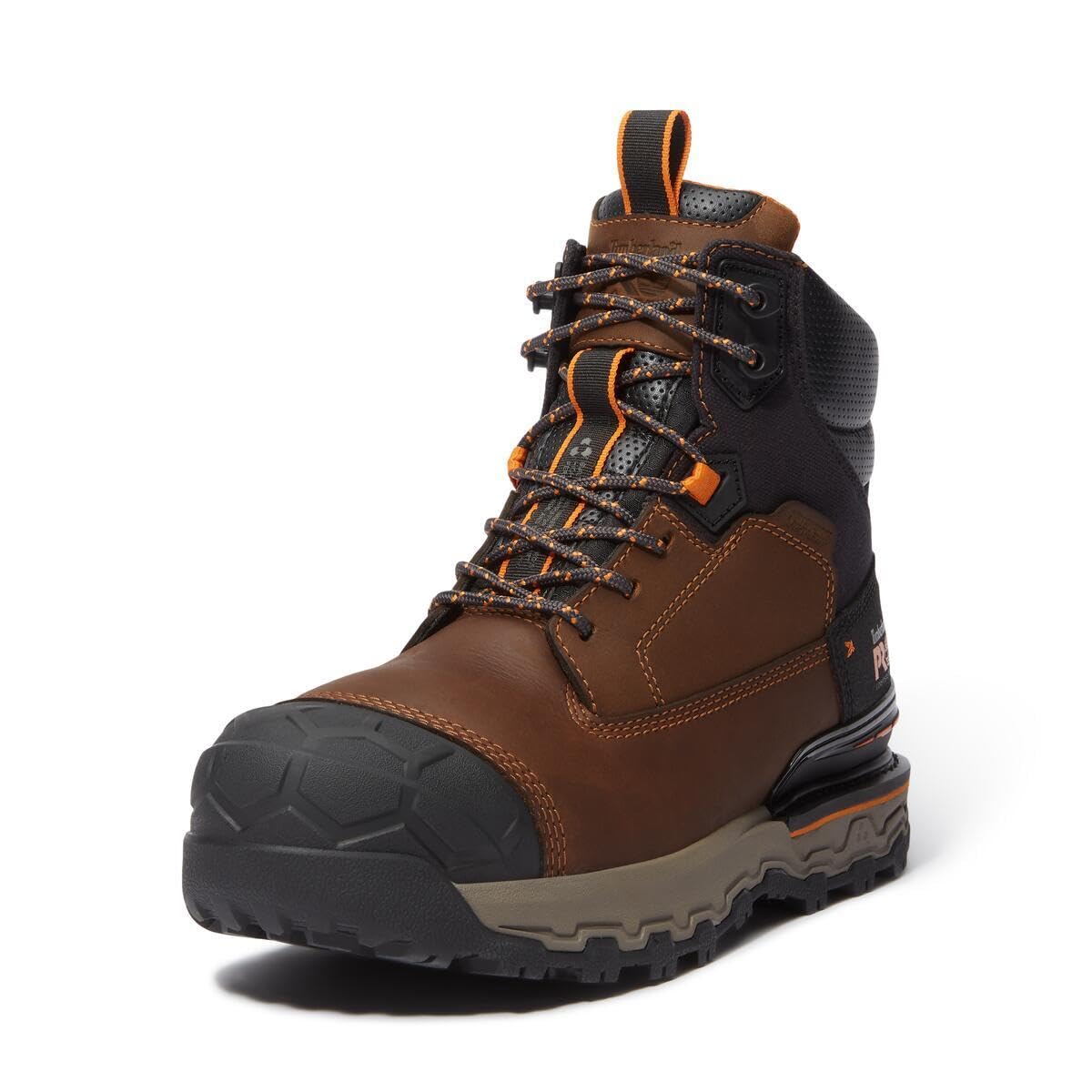


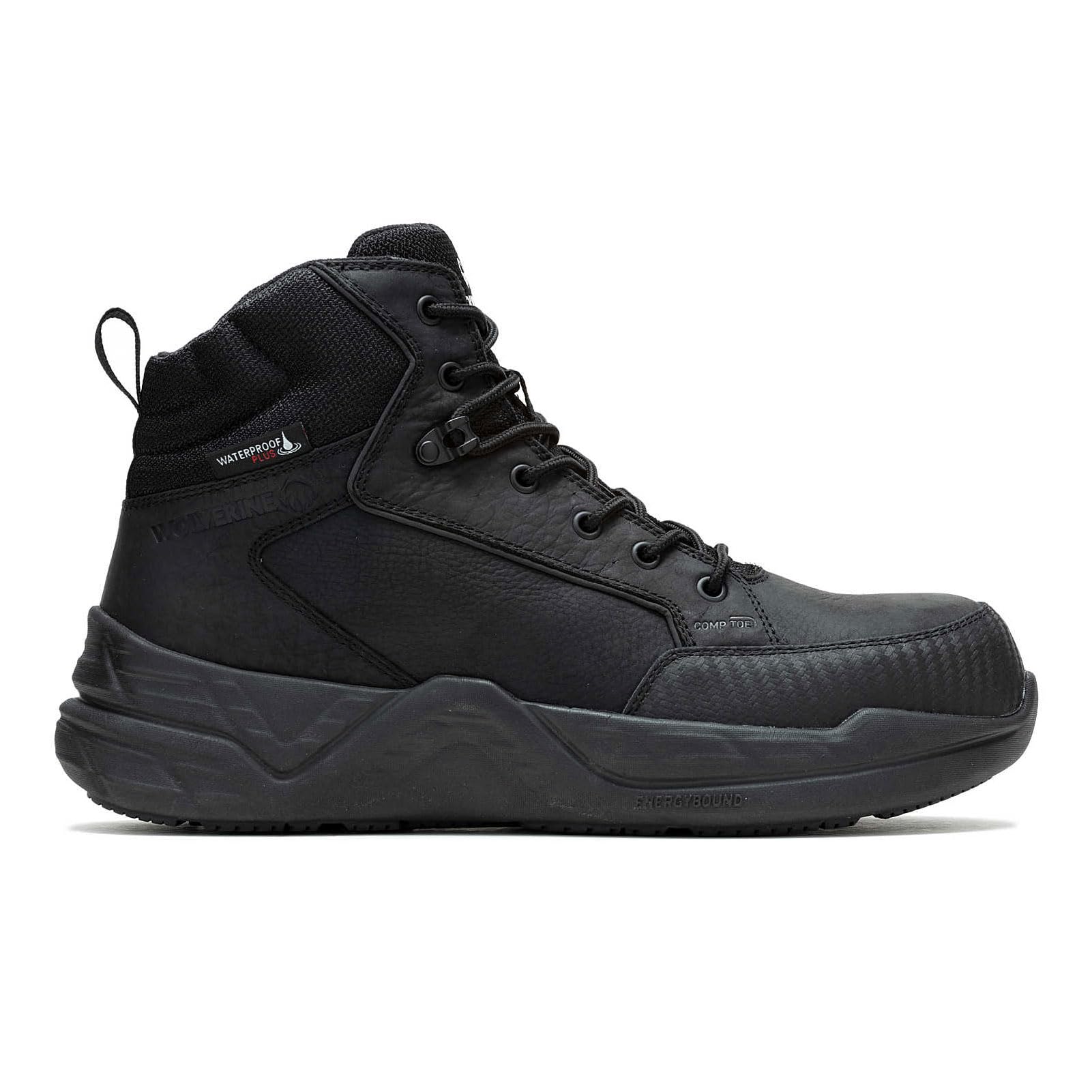


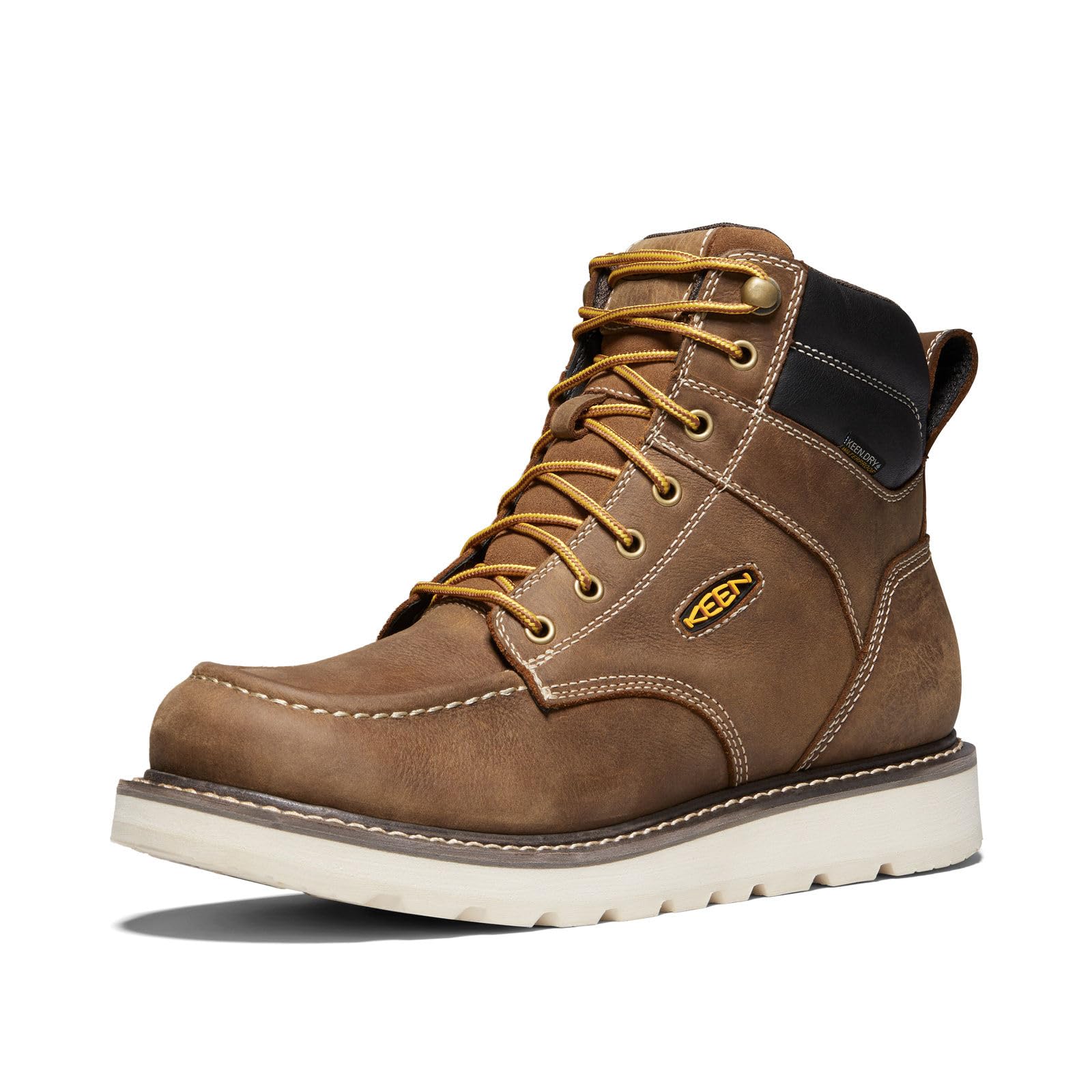

Who Should Buy 6 Inch Waterproof Work Boots?
Match the boot to the water you meet and the hours you spend standing. A choice that suits a short wet task can feel heavy and hot on a long shift.
Outdoor Crews Working in Rain and Mud
You move across grass, gravel and puddles, and you may step into water that reaches the laces. Choose full grain leather or a tough synthetic upper with sealed seams, plus a gusseted tongue that keeps water from entering at the front. Deeper lugs clear mud better than flat soles.
Indoor Workers on Wet Concrete Floors
You stand and walk on sealed floors that get washed, splashed or chilled, and your main risks are slipping and sore feet. Choose a flatter outsole with many small edges for grip on smooth wet surfaces, plus strong cushioning for long standing. A lighter safety toe keeps the boot from feeling clumsy. If your site is mostly dry, compare the best 6 inch work boots before paying extra for a membrane you may not need.
Drivers and Mixed Duty Workers Who Climb and Kneel
You split the day between a vehicle, a yard and indoor tasks, so the boot must flex at the ankle and fit under a pant leg without bulk. Choose a lighter pair with a padded collar and a moderate lug pattern that still grips a wet step. For taller coverage in deep water, see our guide to the best 8 inch waterproof work boots.
What Each Price Bracket Buys in Waterproof Work Boots
Prices vary with leather quality, seam work and the safety rating, not with looks alone. Use these tiers as a guide, since features matter more than a label.
Budget Tier: Basic Dryness for Light Wet Work
Pairs around $70 to $120 usually give you a basic membrane, a soft toe or a simple safety toe, and a thinner insole. They suit short shifts, light rain and backup use, but flex points wear faster and arch support is often thin. At this level, the best 6 inch waterproof work boots are simply the pair with sealed seams and a toe rating your job accepts.
Mid Tier: Stronger Seams and Support for Daily Shifts
Pairs about $120 to $200 often add better leather, a more durable membrane, a composite or alloy safety toe, and a shaped insole with real arch support. This tier suits most full time workers, since the boot tends to hold its shape and grip longer through a season.
Premium Tier: Tougher Uppers and Longer Service Life
Pairs about $200 to $300 may use thicker leather, stronger welt construction, tougher hardware and a more stable shank. The gain is durability and support on rough ground, not dry feet in water above the shaft. Choose this tier if you wear boots daily in harsh conditions and a longer service life lowers your cost per month.
Key Features to Compare
Compare these factors in order, since a strong membrane cannot make up for poor grip or a toe rating your employer does not accept.
Waterproof Membrane, Sealed Seams and Gusseted Tongue
A membrane inside the upper blocks liquid water while the outer material sheds rain. Sealed or taped seams close the stitch holes where water often enters first, and a gusseted tongue joins the tongue to the upper so puddle water cannot slip in at the laces. The 6 inch height sets your limit, since water that flows over the collar will wet socks no matter how good the membrane is. If the shaft height is flexible, see our guide to the best waterproof work boots for other heights.
Safety Toe Choice and Electrical Protection
Safety toes come in steel, alloy and composite forms, and each must meet the rating your job requires. Steel is strong and often costs less, alloy is lighter, and composite will not conduct electricity or feel as cold. An electrical hazard rating has limits and is not a substitute for site rules. Check the marking inside the boot and talk with your safety manager about the standard your site requires.
Outsole Traction, Lug Depth and Stability
The outsole decides how the boot grips mud, gravel, ladders and wet concrete. Deep, widely spaced lugs shed mud and bite into soft ground, while a flatter pattern with many edges grips smooth floors better and tracks less dirt indoors. A firm heel breast helps on ladder rungs. A wide, stable base and a stiff shank reduce side to side roll on uneven ground when you carry loads.
Cushioning, Arch Support and Heel to Toe Drop
Cushioning softens each step on hard floors, and arch support spreads pressure so the middle of the foot does less work alone. Most work boots have a modest heel to toe drop, with the heel higher than the toes, and a sudden switch to a much flatter pair can make calves feel tight at first. Flat feet often suit a firmer insole, while high arches often suit more cushion. Persistent numbness, sharp heel pain or sores that fail to heal need a doctor or foot specialist, so talk with your clinician about personal needs.
Fit, Toe Box Width and Shaft Feel
Measure both feet late in the day, wear your work socks, and leave about a thumb width in front of your longest toe. Your heel should stay put when you walk, and the toe box should let toes lie flat without pressing the sides. The shaft should close snugly at the ankle without digging in when you kneel.
Running Costs of Waterproof Work Boots: Insoles, Laces and Replacement
The purchase price is only part of what a pair costs you. Replacement insoles often cost about $20 to $50, spare laces cost a few dollars, and a new pair may be needed once the outsole wears smooth or the membrane leaks at flex points. Drying time matters too, since a worker who needs dry boots each morning may need a boot dryer or a second pair.
Common Mistakes to Avoid
These errors cost money or leave you with wet, sore feet.
- Choosing a membrane boot for water deeper than the collar leaves socks soaked once water pours in at the top.
- Buying your usual shoe size without work socks leads to pinched toes once feet swell during a shift.
- Picking deep mud lugs for smooth indoor floors reduces ground contact and makes slips more likely.
- Ignoring the safety toe marking can leave you with a boot your employer will not allow on site.
- Storing wet boots near direct heat cracks leather and can damage the membrane lining.
- Skipping break in and wearing a stiff new pair for a full shift invites blisters and heel rub.
Care and Maintenance for Waterproof Work Boots
After a wet shift, pull out the insoles, loosen the laces and let the boots air dry at room temperature away from direct heat. Never seal wet boots in a bag or a locker, since trapped moisture weakens leather and creates odor.
Brush dried mud from the upper and outsole, wipe salt marks with a damp cloth, and condition leather only with products the maker allows for waterproof leather. Replace a pair when grip is smooth, the upper leaks at cracks, or the safety toe has taken a heavy impact and your safety manager advises removal from service.
Frequently Asked Questions
Are premium 6 inch waterproof work boots worth the extra cost?
Yes, premium 6 inch waterproof work boots are worth it if you work long shifts in rough, wet conditions daily. The extra cost mainly buys tougher leather, stronger seams and better support, which can extend service life. If your wet work is light or rare, a mid tier pair usually gives better value, so judge cost across the months you will wear them.
Do you need waterproof boots for work in light rain?
Yes, you need waterproof protection if rain, washdowns or puddles reach your feet during a shift, even for short periods. Wet socks cool the feet and raise the chance of rubbing and blisters as skin softens. If your floor stays dry and rain only touches the walk to the door, a water resistant upper may be enough for that pattern.
Can you wear 6 inch waterproof work boots for a full shift?
Yes, you can wear 6 inch waterproof work boots for a full shift once fit and break in are right. The membrane that blocks water also slows vapor escape, so feet may feel warmer than in a non waterproof pair, and breathable socks help move moisture away. Rotate pairs on back to back wet days if you can, since a dry lining starts more comfortably.
How long does break in take for 6 inch waterproof work boots?
Break in for 6 inch waterproof work boots often takes about one to two weeks of shorter wears. Leather and stiff shanks soften gradually, and the insole shapes itself to your foot during that time. A boot that still pinches after that period is the wrong size or width.
Wrapping Up
Choose by ground first, then by toe rating, fit and price tier, in that order. A boot that grips your surface and fits with work socks will serve you better than a costly pair bought for features you never use. Check the product table above once more for shaft height, toe type and price.
When you compare the best 6 inch waterproof work boots with those checks in mind, the right tier usually becomes clear. Buy the simplest pair that keeps you dry and safe, and care for it well so it lasts.


