
Best 8 Inch Tablets under 200: Which One Fits the Way You Use It for 2026
Disclosure: We may earn a commission when you buy through links on this page, at no extra cost to you. As an Amazon Associate I earn from qualifying purchases. Learn more

Compare the best 8 inch tablets under 200 with a clear buying guide on display, battery, storage and performance for travel, school and everyday use.
There is no single small tablet that suits everyone, and that is good news for your budget. A reader on a train, a student in a lecture and a parent sharing a device with kids all need different things from best 8 inch tablets under 200 shoppers compare each week.
This guide starts with how you will actually use the tablet, then walks through the specs that matter at this price. Use the product table below to shortlist models, then check each section to confirm the details before you buy.


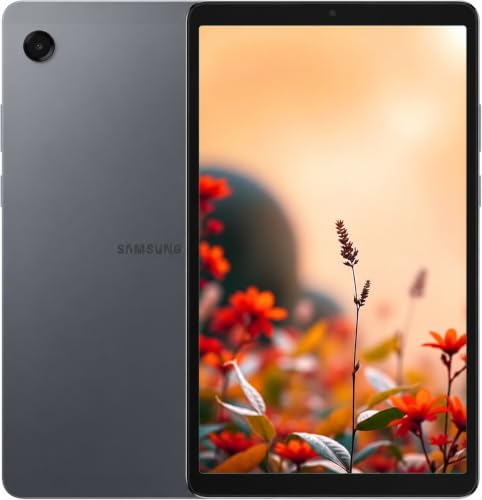

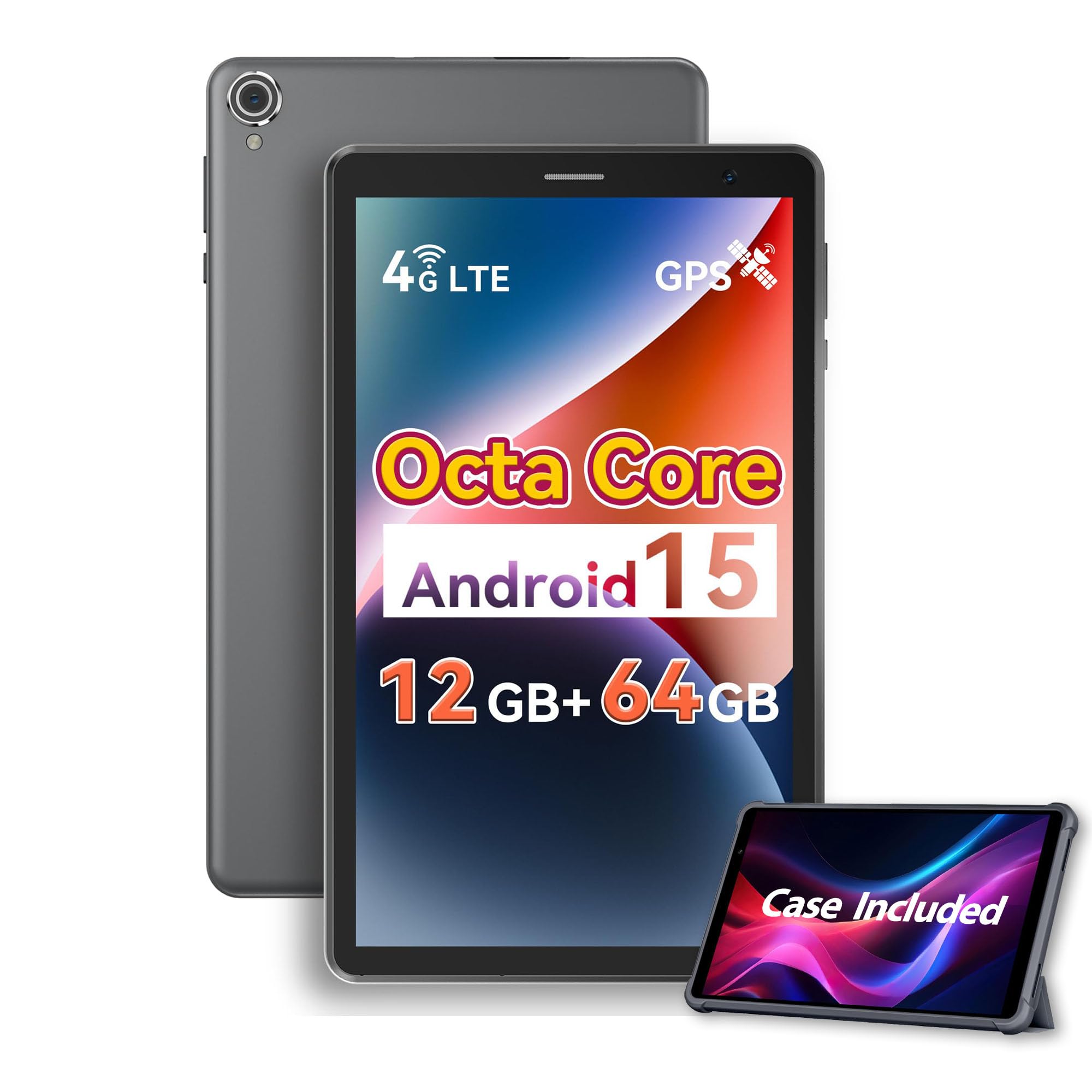
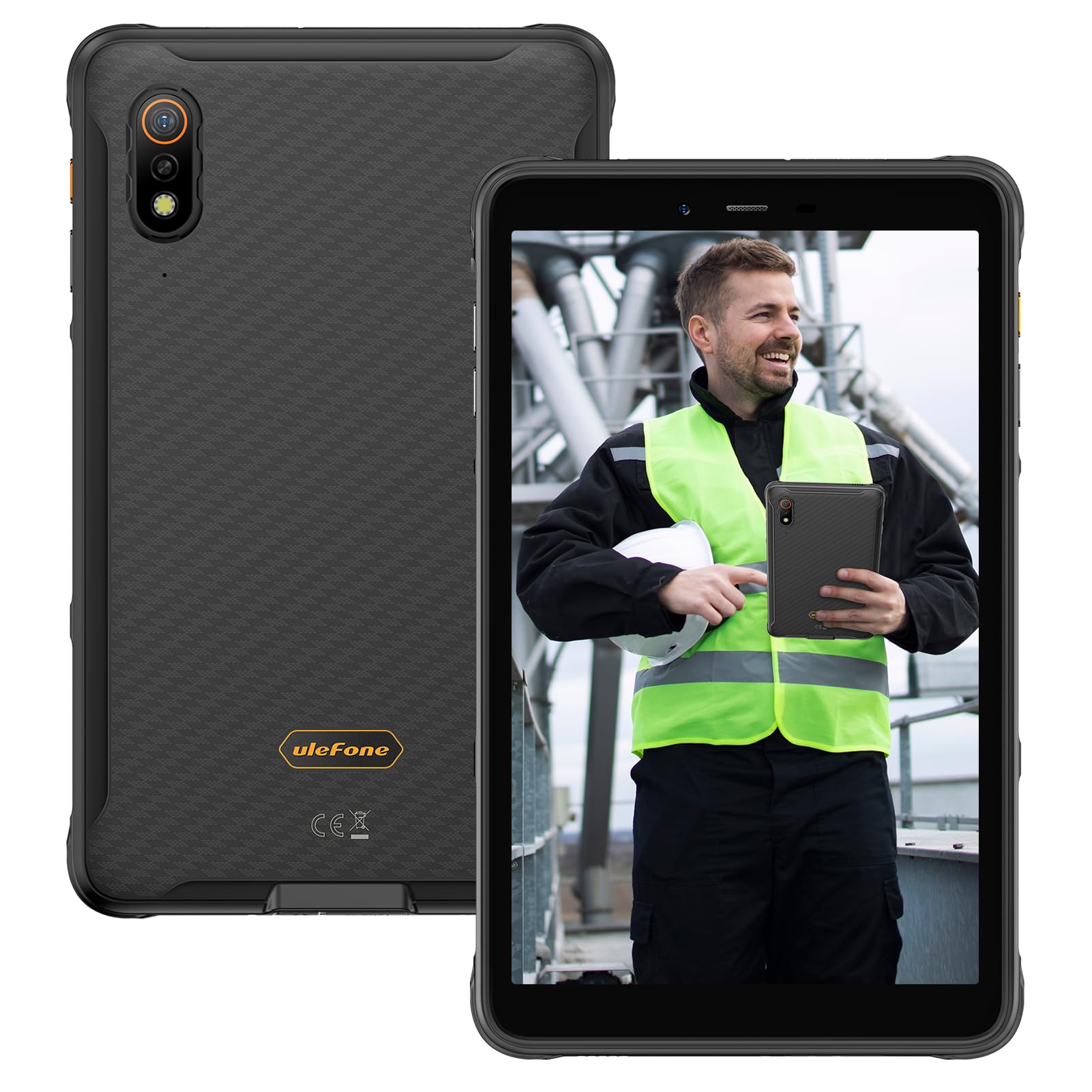

Who Should Buy the Best 8 Inch Tablets Under 200?
An 8 inch screen sits in a sweet spot. It is large enough for reading, video and split screen notes, yet small enough to hold in one hand and slip into a jacket pocket or a small bag. Start by matching the tablet type to your main job for it.
For Travelers and Commuters
You need light weight above all, ideally under about 0.8 lb, plus a battery that lasts a full travel day of reading and video. Look for a bright display you can read under station lights and a sturdy build or a low cost case in your budget. Offline downloads matter more than raw speed, so confirm the apps you use allow offline books, shows and maps.
For Students and Everyday Users
You need steady performance for notes, browsing, email and video calls, plus storage for class files and photos. A tablet with at least 64 GB of storage and a microSD slot gives you room to grow without paying for a larger model. Battery life of about 10 hours or more means you can leave the charger at home on most days.
For Remote Workers and Creators
You need a clear front camera, good microphones and a screen that stays sharp during long calls. USB C charging is a real plus because one charger can serve your phone, earbuds and tablet. If you sketch or mark up documents, check stylus support carefully, since many budget tablets work only with basic capacitive pens and not with pressure sensitive tools.
For Gamers and Power Users
You need the strongest processor and the most RAM you can find under $200, because games expose weak hardware fast. A higher refresh rate display feels smoother in fast games, but at this price a standard 60 Hz panel is far more common. Prioritize cooling and steady frame rates over screen extras, and plan to lower game settings for demanding titles.
Best 8 Inch Tablets for Specific Needs
Your budget ceiling changes what you should expect. The section below explains how your priorities shift if you can spend a little more.
Best 8 Inch Tablets under 300: What to Prioritize
If your budget rises toward the best 8 inch tablets under 300 range, spend the extra money on RAM, storage and display quality first. Those upgrades improve every task, every day. You may also gain faster charging, better speakers and longer software support, all of which extend the useful life of the device more than a small processor bump does.
Key Features to Compare
Spec sheets at this price can mislead you. A big number in one place often hides a cut somewhere else, so read each feature in the context of your daily tasks.
RAM and Storage
RAM decides how smoothly the tablet switches between apps. With 3 GB or 4 GB, expect some reloading when you jump between a browser, a video app and a game. With 6 GB or more, multitasking feels calmer and the tablet ages better. For storage, 64 GB is a sensible floor for most people, and 128 GB suits you if you download lots of video. A microSD slot is valuable because it lets you add photo and media space later at low cost.
Ports and Connectivity
USB C is now standard on most new models and it matters because it gives you one cable for charging and data. Check whether the port supports video output if you hope to connect a monitor, since many budget tablets do not. For wireless, WiFi 5 handles everyday use well, while WiFi 6 support helps on busy home networks. Bluetooth 5 or later pairs more reliably with earbuds, keyboards and game controllers.
What You Can Realistically Get Under $200
Around $100 to $200, you can expect a sharp enough HD display, a capable everyday processor, and battery life near 8 to 12 hours of mixed use. What usually gets cut is screen brightness outdoors, speaker quality, camera quality and years of software updates. Do not save money by accepting very low storage or a very old operating system version, because both limits will frustrate you within months rather than years.
Graphics (Integrated vs Dedicated GPU)
Tablets use integrated graphics built into the main processor, so there is no separate graphics card to choose. What matters is the graphics tier inside the chip and how well the tablet sheds heat during long sessions. For casual games, puzzle titles and video, any current integrated solution is fine. For fast action games, look for gameplay footage at your settings level and favor steady performance over peak claims.
Processor and Performance Tier
The processor sets the ceiling for speed, game quality and how long the tablet feels responsive. Entry tier chips handle reading, browsing, streaming and light games well. Mid tier chips add smoother multitasking and better game frame rates, and they are worth the extra cost if you keep devices for three years or more. Check the launch year of the chip as well, since a newer entry chip often beats an older flagship chip on efficiency and battery life.
Display quality deserves its own check before you buy. Resolution near 1280 by 800 is common at this size and looks fine for video, while higher resolution panels make small text noticeably crisper for reading. If you read outdoors, brightness matters more than resolution, so look for reviewer notes or store displays where you can judge glare yourself. You can also see our guide to the best 8 inch tablets for a broader look at the size class.
Software support is the quiet factor that decides value. A tablet that receives security updates for several years stays safer for banking, school accounts and family use. Check the update policy on the product page, and favor brands that state a clear support window. If you are weighing a larger screen instead, our guide to the best 10 inch tablets under 200 explains the trade off in size, weight and price.
Common Mistakes to Avoid When Buying 8 Inch Tablets
- Choosing on price alone and ending up with too little storage for your apps and downloads.
- Ignoring RAM, then struggling with slow app switching within the first year.
- Buying a tablet that is too large for one hand use when portability was your main reason for shopping.
- Skipping the warranty and return terms, which matter on budget hardware.
- Forgetting the cost of a case, screen protector and extra storage in your total budget.
One more practical step helps a lot. Write down the three apps you will use most, then confirm each one runs well on the operating system and chip tier you are considering. If you lean toward Android, our guide to the best android tablets under 200 covers app and update differences in more depth.
Care and Maintenance Tips
Keep the operating system and firmware updated, since updates fix security flaws and often improve battery behavior. Avoid keeping the tablet at 100 percent charge all the time on a desk charger, because constant full charge stresses the battery over months. Use a padded sleeve when commuting, and clean the screen with a soft cloth rather than paper products that can leave fine scratches.
Storage care helps performance too. Leave at least 10 percent of storage free so the system can manage updates and cache files smoothly. Once a month, restart the tablet fully, clear downloads you no longer need, and check which apps use the most battery in settings. Small habits like these keep a budget tablet feeling quick for years.
FAQs
Can you get a good 8 inch tablet under $200?
Yes, you can get a genuinely good 8 inch tablet under $200 for reading, streaming, browsing and light games. The key is to accept modest cameras and speakers in exchange for a decent display, enough storage and current software. If your main use is video and books, this budget covers you well. Heavy games and long term heavy multitasking are where the limits show first.
Should I buy a laptop or a tablet?
Buy a tablet if your work is mostly reading, watching, browsing and light notes, and buy a laptop if you type long documents or need specific desktop software. Many students pair a small tablet for reading with a shared or older laptop for essays. Think about the keyboard most of all, because hours of typing is where tablets feel weakest without extra accessories.
How long should a 8 inch tablet last?
A well chosen 8 inch tablet should last about three to four years of everyday use. Battery wear and the end of software updates usually set the limit rather than hardware failure. You can extend its life by keeping storage free, using a case, and avoiding constant full charge. When security updates stop, retire the tablet from banking and sensitive accounts.
How much RAM do I need?
Most buyers should aim for at least 4 GB of RAM, and 6 GB or more if the price allows it. With 3 GB, simple tasks still work, but apps reload often and the tablet will feel old sooner. RAM matters more than small processor differences for daily smoothness. If you play games or use split screen often, treat RAM as your first upgrade priority.
Is a Chromebook enough for school?
A Chromebook is enough for school when classes rely on web tools, documents and video calls. It falls short when a course requires specific installed software or offline apps that only run on other systems. Check your school platform list before you decide. For reading and travel, a small tablet is still lighter and easier to hold for long sessions.
Wrapping Up
Match the tablet to your main use first, then protect your budget by prioritizing RAM, storage and software support over camera and speaker extras. Travelers should prize weight and battery, students should prize storage and update length, and gamers should prize the processor tier. When you are ready, compare your shortlist in the product table above and choose the best 8 inch tablets under 200 option that fits the way you actually spend your day.


