
Best 8 Inch Frying Pans (2026): Types and Buying Guide
Disclosure: We may earn a commission when you buy through links on this page, at no extra cost to you. As an Amazon Associate I earn from qualifying purchases. Learn more
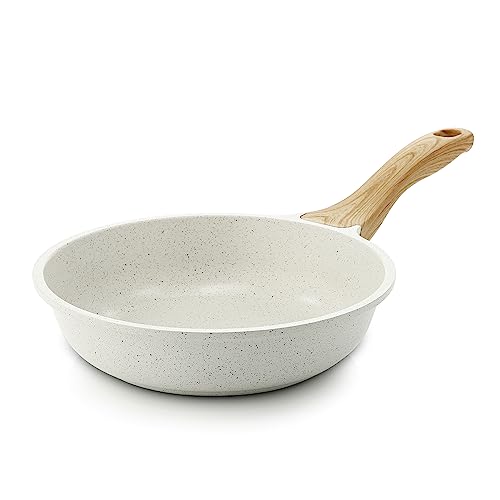
A buying guide to the best 8 inch frying pan: nonstick, steel, cast iron and ceramic types compared for eggs and small portions.
A small pan earns its place in a busy kitchen. It fries two eggs without waste, reheats a single portion of leftovers, and tucks into a drawer that a larger pan would never fit. Choosing the best 8 inch frying pan for your home comes down to three things: the food you cook most, the burners you own, and how much upkeep you will accept. The comparison table below lines up the main types side by side so you can match a pan to your space, your household size, and your budget.
If you are weighing this size against a broader set, our guide to the best frying pan covers the larger options.
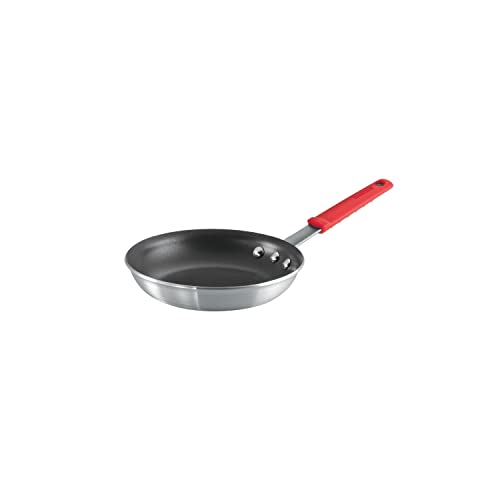


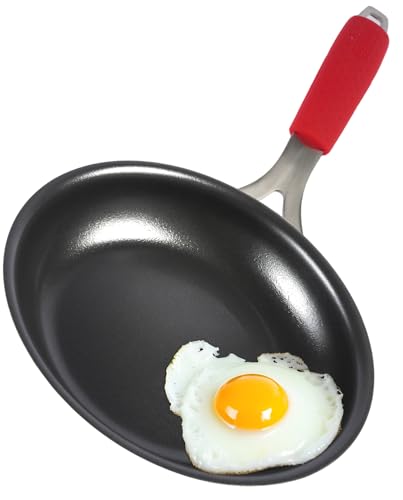

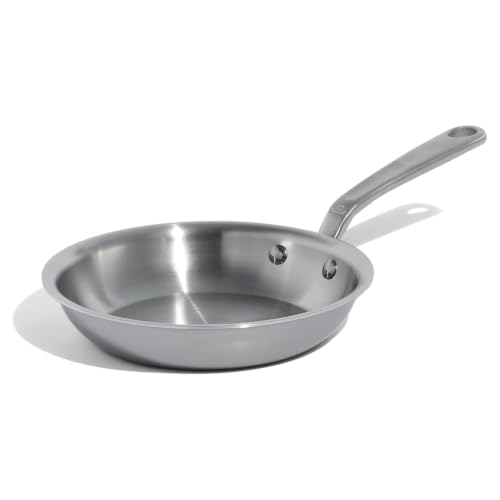


Quick Answer: Which Type Fits Your Home
Start with the material, since it decides almost everything else about living with the pan. Three types cover most homes well:
- Nonstick suits egg and fish cooks who want easy release and fast washing on weekday mornings.
- Stainless steel or carbon steel suits cooks who brown small portions and want a pan that tolerates high heat and metal tools.
- Cast iron or ceramic coated suits cooks who value steady heat or a surface made without a traditional nonstick coating, and who accept a little more care.
Pick the type first, then check size, burner fit, and handle details against the checklist below.
Before You Buy: A Quick Checklist for Choosing a Frying Pan
Size: Match It to Your Space
The 8 inch figure describes the top rim, not the flat cooking surface, which is usually closer to 5 or 6 inches across. That surface fits one or two eggs, a single grilled cheese, or a small portion of vegetables for one person. A 10 inch pan gives room for two chicken breasts, and a 12 inch pan serves a family meal. Measure your smallest useful burner and your storage space before ordering, since a compact pan that lives within reach gets used daily.
Which Type Fits Your Routine
Match the surface to the food you cook most often. If breakfast is eggs and pancakes, start with our guide to the best nonstick frying pan options and look at aluminum bodies, which heat quickly and stay light. Stainless steel and carbon steel handle searing and deglazing well but ask for more attention to heat control. Cast iron holds heat through a thick portion of food, though it is heavy for its size. Ceramic coated pans offer slick release when new, while hybrid and copper pans rarely justify their extra cost at this size.
Features Worth Paying For and Ones to Skip
A lid earns its cost even on a small pan, since it traps steam for melting cheese and finishing eggs without flipping. Sloped sides matter more than most extras, because they let a spatula slide under food and let omelets roll out cleanly. Pour spouts help with sauces, though they are rare at this size. A helper handle is almost never needed on a pan this light, so skip paying for one. A hanging hole in the handle, by contrast, costs nothing and can free a whole drawer.
Is It Non Toxic?
Shoppers who want to avoid PFAS based coatings have real choices in this size. Bare stainless steel, carbon steel, and cast iron have no applied coating at all, and our roundup of the best non toxic frying pan options explains how they compare. Ceramic coated pans use a mineral based layer instead of PTFE. Modern PTFE nonstick is considered safe at normal cooking temperatures when used as directed, but it should never be heated empty on high or used once the coating is damaged.
Induction, Gas and Glass Top Compatibility
Check the base before anything else if you cook on induction, since the pan only works there when the base contains magnetic metal. A simple test is whether a kitchen magnet sticks firmly to the bottom. On a glass top, the base should sit flat with no wobble, because a rocking pan heats unevenly and can scratch the surface. On gas, match the pan to a small burner so flames stay under the base instead of climbing the sides and heating the handle.
Oven Safe Temperature and Handles
Oven use turns a small pan into a finishing tool for frittatas and thick omelets, so read the stated oven limit for the exact model before you buy. Limits vary widely, and the handle usually sets the ceiling rather than the pan body. Metal handles tolerate the most heat but need a mitt every time. Silicone coated handles protect your hand on the stove, yet often carry a lower oven limit. Broiler use needs a rating for both body and handle.
Realistic Budget Ranges
Under $30 usually buys a simple nonstick or ceramic coated pan that cooks well but may need replacing sooner. About $30 to $50 opens up thicker aluminum, sturdier handles, and better coatings. Under $100 you find stainless steel, carbon steel, and cast iron pans built to last for many years with basic care. Spending under $200 in this size pays for premium construction rather than more cooking ability. For a pan used daily, cost per year of service matters more than the sticker price.
Types Compared: What Each Material Does Best in a Small Pan
Nonstick for Daily Eggs and Delicate Foods
Nonstick is the natural pick when your small pan is mostly a breakfast tool. Eggs release without extra fat, fish fillets keep their shape, and cheese wipes out with a sponge instead of soaking. The surface also forgives distracted cooking on busy mornings. The limits are heat and lifespan. Keep the burner at medium or lower, use soft utensils, and expect the coating to be the first part of the pan to wear out. In a home that cooks eggs most mornings, that tradeoff is usually worth it.
Stainless Steel and Carbon Steel for Browning
These two metals reward cooks who like a deep crust on a single steak, a pork chop, or a portion of mushrooms. Food bonds at first, then releases once the crust forms, and the fond left behind builds a quick pan sauce. Our comparison of carbon steel vs stainless steel walks through the differences. Stainless steel needs no seasoning and resists rust, while carbon steel grows more slick with use and reacts faster to burner changes. Both tolerate high heat and metal utensils.
Cast Iron and Ceramic for Steady Heat
Cast iron brings mass to a small footprint, so it holds its temperature when cold food lands in it and gives an even crust to cornbread, potatoes, and thick cut bacon. It is heavy to lift with one hand, and it needs seasoning to stay rust free. Ceramic coated pans feel lighter and release food well while the coating is fresh, making them pleasant for vegetables and reheating. Their slickness fades gradually with use, so treat one as a medium term pan rather than a lifetime purchase.
How to Evaluate a Small Pan Before You Order
Judge each candidate on five points drawn from maker specifications and patterns in verified buyer feedback. First, heat spread: a thick or layered base reduces hot spots that scorch eggs at the center. Second, durability of the surface and handle joint, since a small pan gets washed and hung often. Third, material safety, covered in the checklist above. Fourth, confirmed fit with your stove type and oven habits. Fifth, cleaning effort in daily life. A pan that scores well on all five beats a famous name that misses on fit.
Is an 8 Inch Frying Pan the Right Size for You?
This size shines in homes cooking for one or two people. It handles a two egg omelet, a single quesadilla folded in half, a small batch of sauteed greens, or leftovers for one without crowding a big burner. Small kitchens, dorm rooms, and campers gain the most, since the pan stores in a drawer and washes in a small sink.
It is the wrong size as your only pan for a family of four. Two chicken breasts crowd the surface and steam instead of browning, and a sauce for pasta will not fit at all. Most homes do best pairing this pan with a 10 or 12 inch pan, letting each size do the work it fits.
Common Mistakes to Avoid
- Buying by rim size alone, then finding the flat cooking surface too small for the food you cook most.
- Placing a small pan on the largest burner, so flames or radiant heat scorch the sides and loosen handle coatings.
- Using high heat and metal utensils on a nonstick surface, which shortens the life of the coating.
- Paying for extras like a helper handle at this size, while skipping the lid you would use every week.
- Expecting one small pan to serve a whole family, then blaming the pan when crowded food steams instead of browning.
Cost of Ownership and Care
Ownership cost depends mostly on the surface you choose. A nonstick pan is a recurring purchase, since coatings wear even with gentle use, while cast iron and carbon steel can serve for decades. Our guide on how to season a frying pan covers the thin oil method that keeps those metals protected. Daily care is simple for every type: wash with warm water and a soft sponge, dry the pan fully before storing, and avoid stacking other pans inside a coated surface. For stuck residue and type specific methods, follow our steps on how to clean a frying pan.
Accessories add little cost at this size. A fitted lid is the one purchase that expands what the pan can do, and a metal pan may never need replacing at all.
Your Questions, Answered
What size frying pan do I need for one or two people?
An 8 inch pan covers most single portion cooking, and a 10 inch pan covers meals for two with larger items like chicken breasts. Before deciding, check the lids you already own, since a small saucepan lid fits an 8 inch skillet and saves buying one. Also confirm the pan fits the drawer where it will actually live.
How do you clean an 8 inch frying pan without damaging it?
Let the pan cool on the stove before washing, since running cold water over a hot base can warp even a sturdy pan over time. Warm soapy water and a soft sponge handle nearly all daily mess. For a stubborn film on stainless steel, simmer a little water in the pan to loosen it, then wash as usual. Dry the pan on low heat for a minute if your kitchen is humid.
How long does an 8 inch frying pan last?
Lifespan follows the surface more than the size. A coated pan in daily use often serves about three to five years before release fades. Stainless steel, carbon steel, and cast iron can last decades because their surfaces can be restored rather than replaced. Retire any pan when the base no longer sits flat, when a handle stays loose after tightening, or when a coating is flaking.
Is an 8 inch frying pan worth buying if you already own a 10 inch pan?
Yes, if you cook small amounts often. The little pan heats faster, uses a small burner efficiently, and washes in seconds, so it tends to become the default for eggs, sandwiches, and reheating. It also frees your larger pan during a busy meal. It is not worth buying if your cooking is mostly family sized batches, because it would sit unused.
What is the best 8 inch frying pan for eggs and omelets?
For eggs, choose nonstick with gently sloped sides and a handle angle that lets you tilt and roll an omelet onto the plate. The detail many shoppers miss is spatula room: the flat base is small, so a thin flexible spatula matters more here than with a large pan. If you prefer a coating free surface, well seasoned carbon steel comes closest, given a minute of preheating and a little fat.
Final Thoughts
The right small pan matches your stove, your storage, and the food you cook on an ordinary Tuesday. Nonstick wins for egg focused homes, steel wins for browning, and cast iron wins for steady heat and long service. Look back at the product table above, weigh the types against your routine, and the best 8 inch frying pan for your home will be an easy call.


