Best 8 Cup Food Processors (2026): Styles and Buying Guide
Disclosure: We may earn a commission when you buy through links on this page, at no extra cost to you. As an Amazon Associate I earn from qualifying purchases. Learn more

A practical guide to the best 8 cup food processor: discs, motor power, counter space and care compared for households of two to five.
Sunday sauce is simmering, the counter is already crowded, and you still have onions, carrots, and a block of cheese to get through. That moment is exactly where the best 8 cup food processor earns its place, big enough for family batches yet small enough to live in a normal kitchen. This guide helps you choose by the space you have, the number of people you cook for, and the budget you want to stay within. Start with the comparison table below, then use the checklist to confirm the details.
If you are still weighing every size at once, our overview of the best food processor options shows how the 8 cup class sits between compact choppers and full size machines.




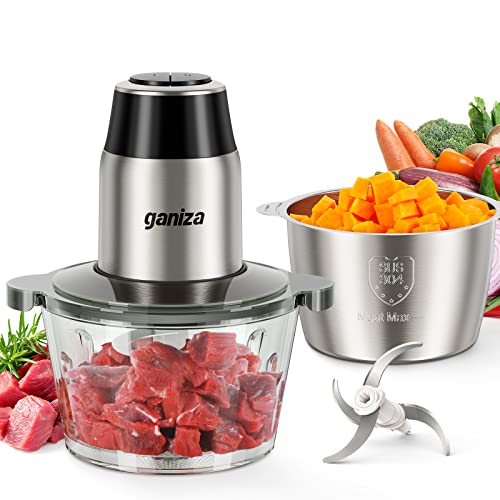
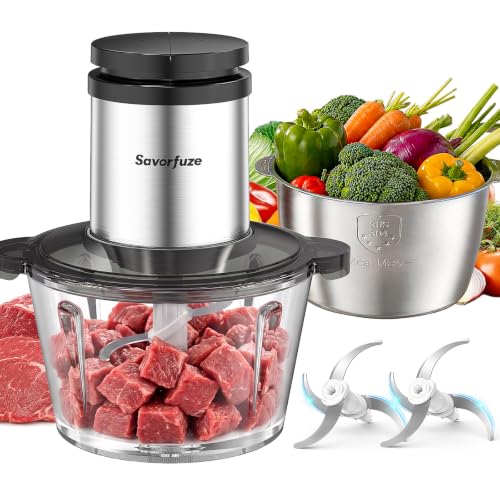
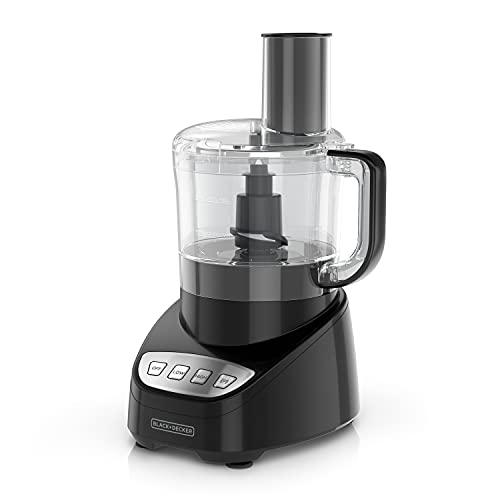
Quick Answer: The 8 Cup Class in 30 Seconds
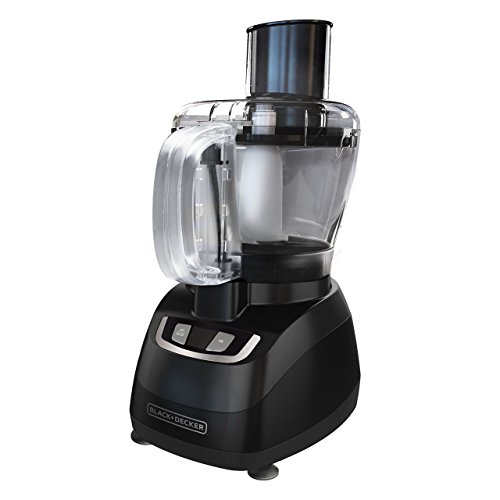
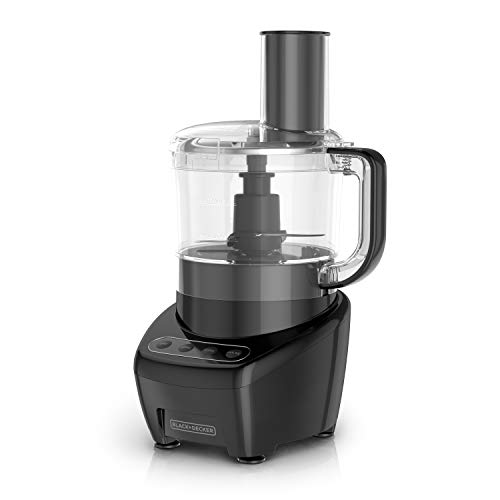
An 8 cup work bowl holds roughly two liters, which covers a family soup base, a double batch of hummus, or about two pounds of shredded cheese in one go. Most models pair a motor in the 350 to 600 watt range with one slicing and shredding disc plus an S shaped chopping blade. For households of two to five people, this size rarely feels too small or too bulky.
Before You Buy: A Quick Checklist for Choosing a Food Processor
Size: Match It to Your Space
Capacity labels describe the bowl, not the amount of food you can process at once, and liquid loads should stay well below the rim. Mini models around 3 cups suit herbs and small dips, while 7 and 9 cup bowls sit close to this class and differ mainly in footprint. Larger 11 to 14 cup machines pay off for canning days and big holiday prep. The 8 cup bowl hits the middle ground, handling a standard pie crust or pizza dough batch without the storage burden of a full size base.
Which Type Fits Your Routine
Most 8 cup models are corded countertop units, and that format gives you steady power for dense loads like dough and hard cheese. Compact designs trim the base and the accessory bundle, which suits small households that mostly chop and slice. Cordless and manual models exist at smaller sizes, but they give up the sustained torque this capacity calls for. Professional builds add heavier motors, yet they usually start at larger bowl sizes, so treat them as an upgrade path rather than a direct match.
Features Worth It (and Ones to Skip)
A reversible slicing and shredding disc covers most daily work, and a dough blade is worth having if you bake weekly. A feed tube wide enough for a whole potato or a block of cheese saves real time, so check its width rather than trusting photos. Dicing kits and spiralizer attachments sound appealing, but many owners use them a handful of times and then store them for years. If you shred cheese and slice vegetables far more often than you dice, put your money into motor strength and bowl quality instead of extra attachments.
Wattage, Power and Energy Use
Wattage alone does not tell you how a machine handles a stiff dough, because gearing and blade design matter just as much. Still, models under about 300 watts tend to slow down on dense mixtures, while units in the 450 to 600 watt range push through with less hesitation. Energy use is a minor cost either way, since a processor runs in short bursts and a prep session uses only a small fraction of a kilowatt hour. Short pulses also protect the motor, so a clear pulse button is a practical plus.
Safety Features and Certifications
Look for a bowl and lid that lock together before the motor can start, because that interlock keeps the blade still while you load ingredients. A listing mark from UL or ETL shows the appliance was checked against recognized safety standards. Sturdy suction feet or a heavy base keep the unit from walking across the counter during heavy loads. Keep fingers and utensils out of the feed tube while the disc spins, and always use the pusher for slicing tasks.
Counter Space and Dimensions
An 8 cup base typically stands about 13 to 16 inches tall, and that height can clash with upper cabinets, so measure the gap before you order. The footprint is usually near 8 by 10 inches, similar to a stand mixer. If you plan to store the machine in a cabinet, check shelf height with the bowl and lid assembled, since parts stored separately tend to get lost. Kitchens with very limited counters may be happier stepping down a size.
Realistic Budget Ranges
Basic models under $50 usually chop and puree well but may include a single disc and a lighter motor. The middle band, about $50 to $100, is where most households land, with stronger motors, two discs, and better bowl latches. Spending about $100 to $200 typically buys quieter operation, a wider feed tube, and longer warranty coverage. Above that level you are mostly paying for commercial grade parts and longer duty ratings.
Types Compared: Three Styles of 8 Cup Food Processor
The Everyday Workhorse Style
This is the configuration most families should target: a motor near 500 watts, a slicing and shredding disc, a dough blade, and simple controls with low, high, and pulse settings. It handles weekday chopping, weekend baking, and batch cooking without asking you to learn a panel of programs. Bowls on these models are usually dishwasher safe on the top rack, and replacement parts stay easy to find for years. If one style deserves the label of best 8 cup food processor for a typical home, it is this balanced setup rather than the most powerful or the cheapest option.
The Value Style for Light Duty Kitchens
Value models trim the accessory list to a chopping blade and one disc, and they rely on simpler latch designs to keep the price down. They shine for salsa, pesto, crumb toppings, and small batches of salad dressing, where loads stay light. Expect to cut cheese and firm vegetables into smaller chunks first, since the motors stall sooner under pressure. For one or two people cooking simple meals, this style covers the essentials at about $40 to $70.
The Long Term Investment Style
At the top of this size class, you get heavier bases, sealed buttons that wipe clean, and motors built for frequent use over many years. These models often add adjustable slicing thickness and storage cases for the discs, which keeps sharp edges contained. The real payoff is durability and steady performance on dough and nut butters, week after week. Choose this style if you cook daily and would rather buy one machine than replace a light duty model twice.
Our Selection Process for the Best 8 Cup Food Processors
We judge this category on six factors: usable capacity, cooking performance, ease of use, cleaning effort, noise level, and safety and warranty coverage. The inputs are manufacturer specifications, published safety listings, and patterns across large numbers of verified buyer reviews. Models were set aside when bowls cracked in repeated reports, when replacement parts were hard to source, or when the stated capacity only worked for dry ingredients. That filter leaves the three styles above as the shapes worth your money.
Is an 8 Cup Food Processor the Right Size for You?
Choose this size if you regularly cook for two to five people, make dough in single batches, or prep soup and sauce bases in family quantities. A couple who mostly makes small dips may find a best mini food processor quicker to wash and store. Households that double recipes, freeze meals, or process garden produce should look one size up instead. Our roundup of the best small food processor options covers the sizes just below this class if cabinet space is your main concern.
Common Buying Mistakes to Avoid
- Judging by bowl size alone. Liquid capacity is much lower than dry capacity, so a soup batch that looks fine on paper can overflow in practice.
- Ignoring replacement part costs. A cracked bowl or a lost disc can cost a large share of the original price, so confirm parts are sold separately before you buy.
- Paying for attachments you will not use. Extra kits add cost and storage clutter while the basic disc and blade do nearly all everyday work.
- Skipping the cabinet measurement. A machine that cannot sit under your upper cabinets often ends up stored away, and stored appliances rarely get used.
- Confusing a chopper with a processor. The two tools overlap less than ads suggest, and our food processor vs chopper comparison shows where each one wins.
Cost of Ownership and Care
Running costs stay low, since electricity for short bursts adds up to very little over a year. The real ownership costs are replacement discs, bowls, and pushers, plus accessories you add later. Wash the bowl and lid soon after use so onion and garlic odors do not linger in the plastic, and dry the blade fully before storage. Our walkthrough on how to clean a food processor covers stubborn spots around the handle and the lid seal. Store discs in a case, never loose in a drawer where edges dull and hands get cut.
FAQ
What is the most reliable food processor brand?
Reliability in this category tracks build quality more than any single name, so compare warranty length, parts availability, and how a brand handles replacements. Established kitchen brands tend to stock bowls and discs for a decade or more, which matters when a lid latch wears out. A model with a two or three year warranty and easy parts ordering is a safer bet than a feature packed unit with a ninety day warranty and no parts catalog.
Is a food processor worth it if I already own a good knife?
A knife wins for a single onion, but the processor pulls ahead when volume grows: shredding two pounds of cheese by hand takes many minutes, while the disc finishes in under a minute. It also gives you textures a knife cannot match, like smooth hummus and even crumb crusts. If your cooking involves weekly batch prep, sauces, or baking, the time saved adds up quickly. Occasional cooks who rarely chop more than a cup at a time can skip it.
How long does a food processor last?
A midrange 8 cup machine used a few times a week commonly lasts about seven to ten years, with the motor usually outliving the plastic bowl and lid. Lifespan drops when the bowl is repeatedly overloaded or the machine runs for long stretches without pauses, which overheats the motor. Let dense mixtures rest between pulse bursts, and replace a cracked bowl promptly, because a damaged bowl can strain the drive coupling. Premium builds often stretch past a decade.
What size food processor do I need for a family of four?
For a family of four, the 8 cup bowl covers most meals in one batch, from a full recipe of pizza dough to a pot of soup base vegetables. Drop to a smaller size only if your cooking leans toward dips and dressings for two. Step up to 11 or 12 cups if you regularly double recipes or cook for gatherings of eight or more. Judge by your largest routine task rather than your largest holiday task, since a huge machine used one day a year rarely pays off.
Can an 8 cup food processor knead dough well?
Yes, within limits. A dough blade in this size handles a standard loaf or pizza dough made with about three cups of flour, and the short kneading time keeps the motor cool. Very stiff or enriched doughs do better in smaller batches, so split a heavy recipe in half rather than forcing one load. If bread is your main reason for buying, check out how to use a food processor for dough timing and flour limits before your first attempt.
Final Thoughts
The right choice comes back to fit: bowl size matched to your household, a motor matched to your heaviest task, and a footprint matched to your kitchen. For most homes, the balanced workhorse style is the best 8 cup food processor to buy, with the value style serving light duty kitchens and the premium style rewarding daily cooks. Check your cabinet height, scan the product table above one more time, and pick the style that matches how you actually cook.