Best 75 ft Garden Hoses (2026): Types and Buying Guide
Disclosure: We may earn a commission when you buy through links on this page, at no extra cost to you. As an Amazon Associate I earn from qualifying purchases. Learn more

A buying guide to the best 75 ft garden hose: material, diameter, fittings and weight compared for medium and large yards.
A hose that falls ten feet short of the far bed is just as frustrating as one so heavy that you dread pulling it out. The best 75 ft garden hose sits in the middle for many homes, reaching past patios and around corners without the bulk of the longest sizes. This guide compares types by build materials and weather resistance, size and capacity, and fittings and assembly. Use the comparison table below to see the main types side by side.
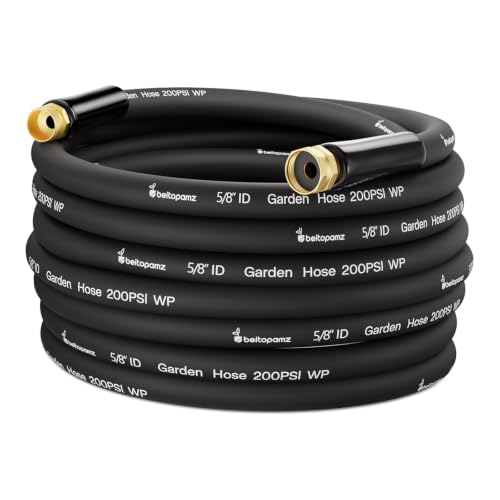


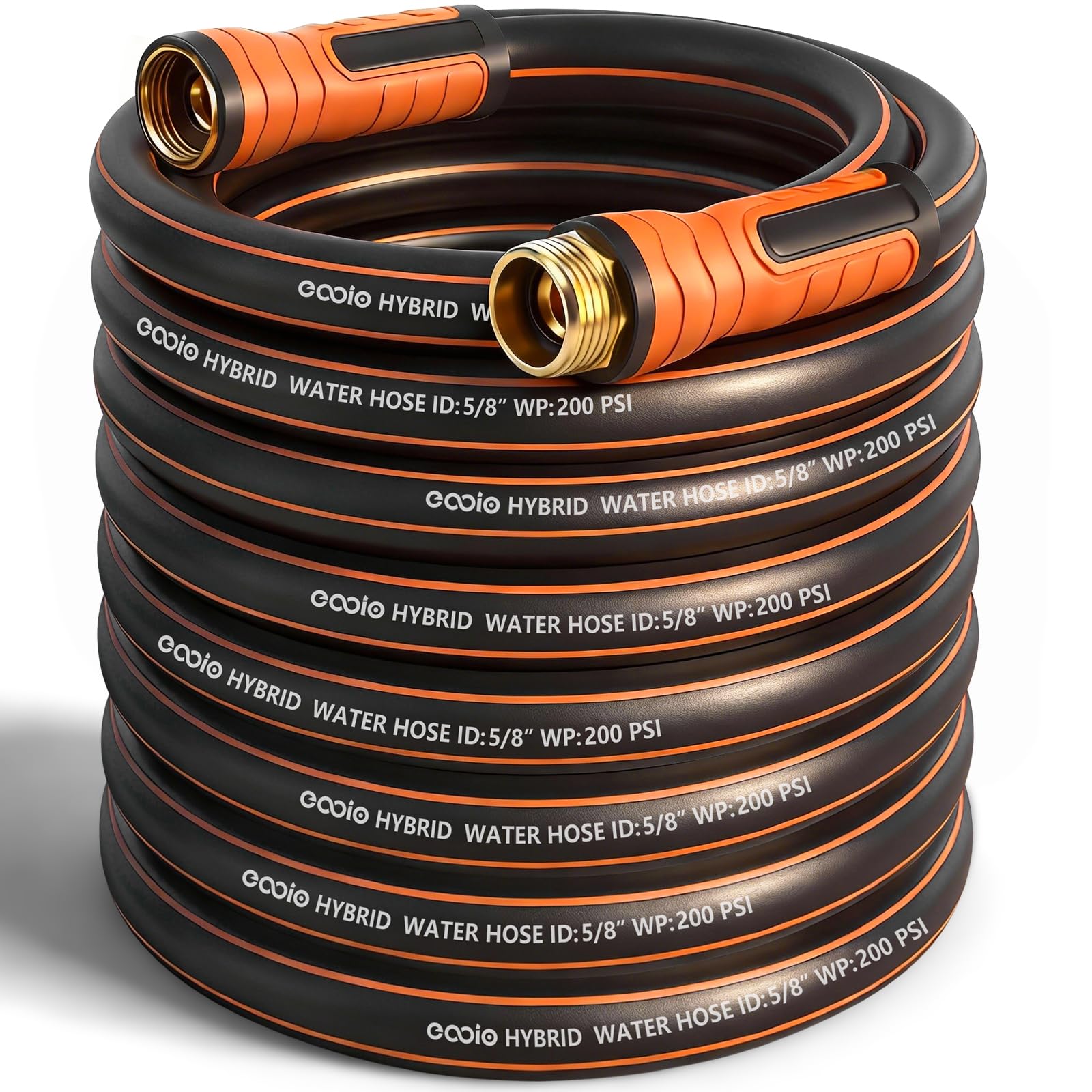


Who Should Buy a 75 ft Garden Hose?
Length only helps when it fits the way you actually water. The three groups below cover the most common reasons to choose this size, along with the type and diameter that serve each group best.
Owners of Medium and Large Yards
If your spigot sits on one side of the house and your beds or lawn edge sit on the other, 50 ft often ends just short of the far work. A 75 ft hose adds the reach to water the back corners and rinse a driveway without joining two hoses together. Pair it with the common 5/8 inch diameter for a good balance of flow and weight. If you run sprinklers for long sessions, a rubber or hybrid build handles dragging across grass and concrete better than thin vinyl.
People Who Want Reach Without the Heaviest Coil
A longer hose holds more water inside it, and that water adds weight every time you pull the coil across the yard. If a full rubber hose feels like too much to haul, look at lighter builds in this length instead. Our guide to the best lightweight garden hose explains the weight trade offs in more detail. Expandable and hybrid types in 75 ft feel far easier to carry and store, which matters when you water daily.
Gardeners With Beds Spread Across Several Zones
Vegetable beds, flower borders, and young trees rarely sit in one neat row. A 75 ft hose lets you move from zone to zone in one trip, reaching a raised bed behind the garage and then a border along the fence. Choose a build that bends easily around corners and resists kinking at the spigot, because a hose that folds shut at every turn slows the whole routine.
Key Features to Compare
Once the length feels right, the details below decide how the hose behaves in daily use. Compare material, diameter, fittings, and storage needs before price, because those points shape almost every complaint owners have later.
Material and Hose Type
Rubber is tough and stays flexible in cold weather, but it is the heaviest choice and costs more. Vinyl is light and cheap, yet it kinks more easily and stiffens when temperatures drop. Hybrid and polyurethane builds sit between the two, blending flexibility with lower weight. Expandable hoses shrink when empty and grow under pressure, which makes storage simple, though they need gentler handling around sharp edges.
Diameter and Water Flow
Most home hoses come in 1/2 inch, 5/8 inch, or 3/4 inch diameter, and diameter controls how much water moves through the hose. A 3/4 inch hose delivers strong flow for sprinklers and large containers, but it holds more water and weighs more when full. A 1/2 inch hose is light and fine for hand watering near the house, yet flow drops over a long run. For 75 ft, 5/8 inch is the usual sweet spot, giving solid pressure without the heft of the widest size.
Weather Resistance and Sun Exposure
A hose that lives outdoors faces sun, heat, and cold in rotation, and cheap materials crack under that cycle. Look for outer covers described as resistant to sunlight and abrasion, and check the stated temperature range if you water late in the season. Rubber and quality hybrid builds usually tolerate cold without turning stiff, while thin vinyl can split after a hard freeze if water stays inside.
Fittings and Couplings
Brass fittings resist corrosion and cross threading better than thin plastic or plated metal, and they are worth paying a little more for at both ends. Solid brass also seals well with a fresh rubber washer, which stops the drip at the spigot that wastes water all season. Check that the fitting size matches your outdoor faucet, and look for fittings with enough grip to tighten by hand.
Kink Resistance and Flexibility
Kinks cut off flow and weaken the hose wall at the fold, so how a hose bends matters as much as its material name. Thicker walls and spiral reinforcement help a hose curve around a corner instead of folding flat. No hose stays free of kinks if you yank it around a sharp corner at full pressure. Pull it out in a wide loop first, then walk it to the bed.
Is a 75 ft Garden Hose the Right Size for You?
Measure before you buy, because guessing length from the curb is unreliable. Run a rope or tape from your spigot along the path you actually walk, around corners and past steps, to the farthest plant you plan to reach. Add a few feet of slack so you can move around a bed without tugging the hose tight. If your longest run measures about 55 to 70 ft, this size fits well. If it measures close to 90 ft, step up using our guide to the best 100 ft garden hose instead.
Also think about pressure. Water loses some force as it travels, so a long hose paired with a narrow diameter can leave a sprinkler looking weak. At 75 ft with 5/8 inch diameter, most homes keep enough pressure for sprinklers, spray nozzles, and washing a car. If you plan to feed equipment that needs strong and steady supply, see our guide to the best garden hose for pressure washer for the supply side requirements.
How to Choose the Right Garden Hose
Size for Your Space
Match the hose to the yard you have, not the yard you might add later. A hose far longer than your longest run leaves extra coil to store, adds weight, and gives you more length to drain before winter. One slightly longer than the measured run is ideal, with the extra feet used as working slack.
Features Worth Paying For
A spray nozzle with several patterns covers most hand watering and rinsing tasks, and a shut off valve at the end lets you change tools without walking back to the spigot. A reel or cart pays off at this length because 75 ft of hose forms a large, awkward coil. Swivel fittings reduce twisting at the faucet, and an extra pack of rubber washers solves most small leaks.
Assembly and First Use
A careful first setup prevents leaks and kinks later. Drop a fresh rubber washer into the female fitting, thread it onto the spigot by hand, and snug it gently without forcing it with a wrench. Uncoil the full length in a straight line, open the faucet, and let water push out the air and any loose debris before you attach a nozzle.
How Much Should You Spend?
Basic vinyl hoses in this size often cost under $20, and they suit light, occasional watering, though they wear out sooner. The middle range, about $20 to $50, brings hybrid and better vinyl builds with brass fittings and stronger kink resistance, where most owners get the best value. Spending about $50 to $100 buys rubber or premium lightweight builds with tougher jackets. For a broader view, see our roundup of the best garden hose options across sizes.
Common Mistakes to Avoid
- Buying by length alone, then discovering the narrow diameter leaves your sprinkler with weak flow at the far end of the yard.
- Leaving the hose pressurized in full sun for days, which stresses the walls and shortens its working life.
- Dragging any hose across sharp gravel or rose thorns, because cuts in the jacket lead to leaks that patches rarely fix.
- Forcing a fitting tight with pliers, which can crack the coupling or crush the washer and cause the leak you were trying to stop.
- Storing the hose in a tight coil with water still inside, which adds weight, invites mildew, and risks freeze damage in cold snaps.
- Choosing an expandable hose for rough ground or tools that need constant pressure, since that type is built for light handling instead.
How to Make Your Garden Hose Last Longer
Drain the hose after the last watering of the season and store it indoors or in a shaded shed, looped loosely on a wide hook or reel. Our step by step guide on how to winterize a garden hose walks through the full routine for cold climates. During the season, keep the hose out of direct sun when not in use, release pressure after each session by opening the nozzle, and replace worn washers at the first drip.
Cleaning matters too, especially if the hose feeds a kiddie pool or a vegetable bed. Flush it at the start of the season, and if you notice slime or a stale smell inside, follow the method in our guide on how to clean a garden hose rather than harsh chemicals that could reach your plants. Never leave a hose connected through a freeze, because trapped water can damage both the hose and the faucet.
FAQ
What is the best 75 ft garden hose?
The right choice depends on how you water. Rubber suits heavy daily use and cold climates, hybrid and polyurethane suit owners who want lower weight, and expandable suits small storage spaces and light tasks. Pick 5/8 inch diameter with solid brass fittings for general home use. That combination balances flow, weight, and durability better than chasing the lowest price.
What size garden hose do I need?
Measure your longest run from the spigot to the farthest point you water, following the path you walk, then add a few feet of slack. Many single spigot homes land between 60 and 75 ft on that measurement. If your measurement comes out well past 80 ft, move up a size rather than joining two hoses, since each joint is a possible leak point.
How long does a garden hose last?
A basic vinyl hose may last only a few seasons, while a quality rubber or hybrid hose can serve for many years with basic care. Lifespan depends more on storage and sun exposure than on brand claims. Draining the hose, storing it shaded and loosely coiled, and keeping pressure off it between uses all extend its life. A hose left outdoors full of water through heat and freezes will fail early.
Can a 75 ft garden hose be used with a sprinkler?
Yes, and this pairing is one of the main reasons to choose this length. Use a 5/8 inch or 3/4 inch diameter so the sprinkler gets enough flow at the end of the run, and lay the hose in gentle curves rather than tight angles. If the pattern looks uneven, check for a kink or a partly blocked nozzle before blaming the hose.
Are expandable hoses a good choice at 75 ft?
They can be, if your priority is easy carrying and compact storage and your watering is light to moderate. An expandable hose feels very light when empty and shrinks to fit a small bin. The trade off is durability, since the inner tube and fabric cover dislike sharp edges and rough dragging. If you water daily across a big yard, a rubber or hybrid build is usually the safer choice.
Final Thoughts
Choosing well at this length comes down to measurement, material, and fittings rather than marketing claims. Measure your longest run, pick the type that matches how roughly you treat a hose, and favor solid brass fittings and a 5/8 inch diameter. The product table above pulls the main types together so you can compare them against your yard and budget. Get those basics right, and the best 75 ft garden hose for your home will simply reach, flow, and coil away without a fight.