Best 75 Foot Garden Hoses: Buying Guide for 2026
Disclosure: We may earn a commission when you buy through links on this page, at no extra cost to you. As an Amazon Associate I earn from qualifying purchases. Learn more

Best 75 foot garden hoses for big yards: how to weigh diameter, material, fittings, and weight before you buy.
A long hose can make watering a large yard much easier, but the wrong one can feel heavy, kink at every turn, and lose pressure before water reaches the far beds. If you are shopping for best 75 foot garden hoses, start with your yard, not the shelf. The product table gives a quick overview, while this guide explains what actually matters at this length.
Seventy five feet is enough to reach across most suburban yards from a single spigot, yet it is long enough that weight, diameter, and storage become real daily concerns. A hose that works well at 25 feet can feel very different once it is stretched to its full length. Read on to match length, material, and fittings to the way you water.





Spending Levels for a 75 Foot Garden Hose
Price tells you less than construction does, but spending levels still help you set expectations. The cheapest long hoses tend to use thin vinyl walls and plastic fittings, which keep weight down but kink more easily and wear out sooner. They suit light watering on flat ground where the hose is stored indoors between uses.
Everyday Yard Budgets
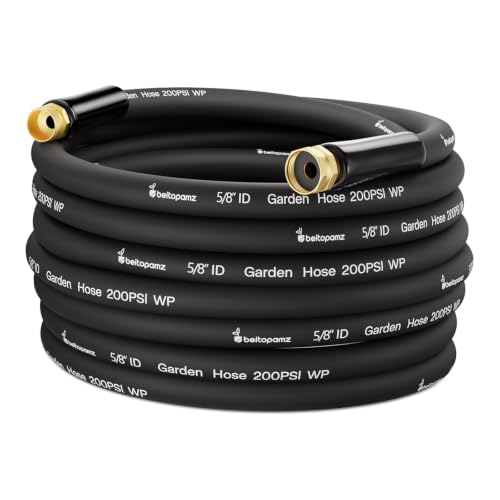
At about $25 to $45, expect a standard vinyl or light hybrid hose with a 5/8 inch diameter and brass or plastic couplings. These hoses handle routine watering, washing the car, and filling a small pool. They are lighter to drag and coil, which matters when you move the hose several times per session. Watch for thin walls that flatten under a wheel or a heavy planter, and check that the fittings feel solid rather than loose.
Middle Ground Spending
At about $45 to $80, you usually get thicker walls, better kink resistance, and brass fittings that survive more seasons of threading and unthreading. Many hoses in this range use rubber blends or reinforced hybrid materials that stay flexible in cool mornings. This is the sensible range for most homeowners who water several times a week and drag the hose around beds, trees, and paths. You also get better crush resistance at the spigot end, where hoses often fail first.
Premium Spending for Heavy Use
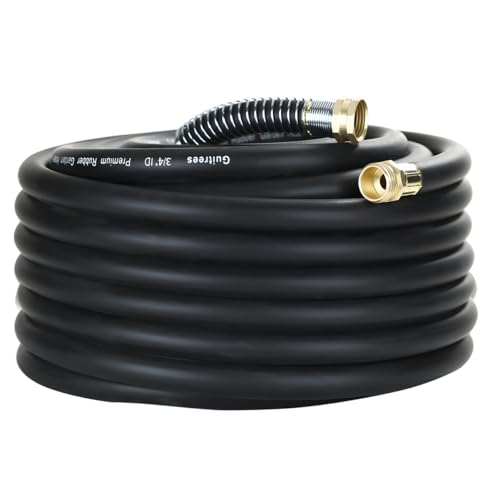
At about $80 to $150, expect heavy duty rubber construction, a larger 3/4 inch diameter option, and fittings built for daily professional style use. These hoses are heavier, sometimes noticeably so, but they resist kinking, abrasion, and sun damage far better than budget models. They suit large properties, frequent watering, and rough surfaces such as gravel and concrete. If you water daily or run sprinklers for long stretches, the extra durability can pay for itself in fewer replacements.
How to Choose the Best 75 Foot Garden Hoses
Length is fixed here, so the real decisions are diameter, material, fittings, weight, and storage. Each choice changes how the hose feels in use and how much water actually arrives at the nozzle. Work through them in order, and you will avoid the most common regret, which is buying a long hose that is too heavy or too weak for your yard.
Match the Hose to Your Garden Size and Layout
Measure the distance from your spigot to the farthest bed, then add slack for going around beds, trees, and fences rather than straight across them. A 75 foot hose suits yards where that route is roughly 60 to 70 feet, leaving a little extra so the hose is never pulled taut. If your farthest bed is only 40 feet away, the extra length becomes extra weight and extra coiling. For a yard with two spigots, consider whether a shorter hose on each side would be easier than one long hose dragged everywhere.
Ease of Use and Storage
At this length, a hose can weigh anywhere from about 10 pounds for a light expandable model to more than 25 pounds for heavy rubber. That difference matters when you coil it, carry it, and hang it after every use. A reel, wall mount, or hose cart keeps a long hose off the ground, reduces kinking, and protects it from sun and mower blades. For a tidier setup, see our guide to the best retractable garden hoses, which wind themselves back after use.
Material and Build Quality
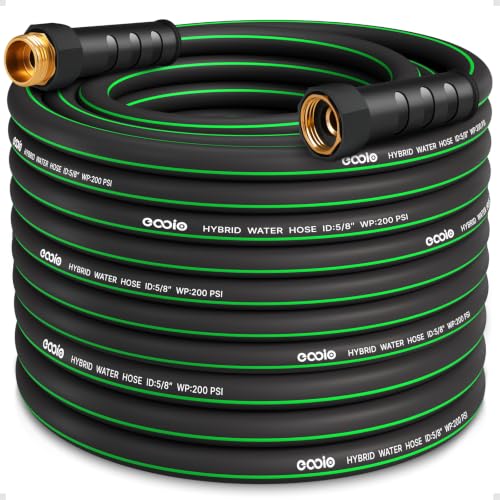
Rubber hoses stay flexible in cold weather and resist kinking and abrasion, but they are the heaviest option. Vinyl hoses are lighter and cheaper, yet they stiffen in the cold and kink more readily. Hybrid hoses blend rubber and polymers to balance weight, flexibility, and durability, and they are a popular middle choice. Look for reinforced layers inside the wall, since reinforcement is what keeps a long hose from swelling or bursting under normal household pressure.
Performance Specs That Matter
Diameter shapes flow more than most buyers expect. A 5/8 inch hose suits most watering tasks, while a 3/4 inch hose delivers more water for sprinklers and large beds but adds weight. Burst pressure ratings tell you how much pressure the hose can handle, and a higher rating usually signals thicker walls. Flow rate at the nozzle also depends on your home water pressure, so a wide hose cannot fix a weak supply.
Drinking Water and Everyday Use
If you fill pet bowls, kiddie pools, or vegetable beds, look for a hose labeled drinking water safe and lead free, and follow the manufacturer's instructions for use. Not every garden hose is made for drinking water, so check the label before filling anything you or your pets will drink from. Run the hose briefly first if it has been sitting in the sun. Keep the hose out of standing puddles and away from chemical storage areas. For vegetable gardens, a nozzle that does not splash soil onto leaves is a sensible companion.
Value and Coverage per Dollar
Divide the price by the years you expect the hose to last, not just by its length. A cheap hose replaced every year can cost more than a midrange hose that lasts five seasons. Warranty length is a useful clue, since makers back longer warranties only on hoses they expect to survive. Also factor in fittings and storage: a hose that needs a new reel or replacement washers every season is not as cheap as it first looks.
Types of 75 Foot Garden Hoses
Three broad types cover nearly every long hose on the market. Each trades weight, durability, and price differently, so the best 75 foot garden hoses for your yard depend on how often you water and how rough the ground is. See our guide to the best garden water hoses for a broader look at shorter lengths and specialty types, and our guide to the best quality garden hoses for a durability focused comparison.
Premium and Heavy Duty Options
Heavy duty rubber hoses offer the best kink resistance and the longest service life, and they handle hot sun, cold snaps, and dragging over rough ground. Their main drawback is weight, which can tire your arms on a long watering session. They suit large yards, daily watering, and anyone who values durability over lightness.
Standard Options
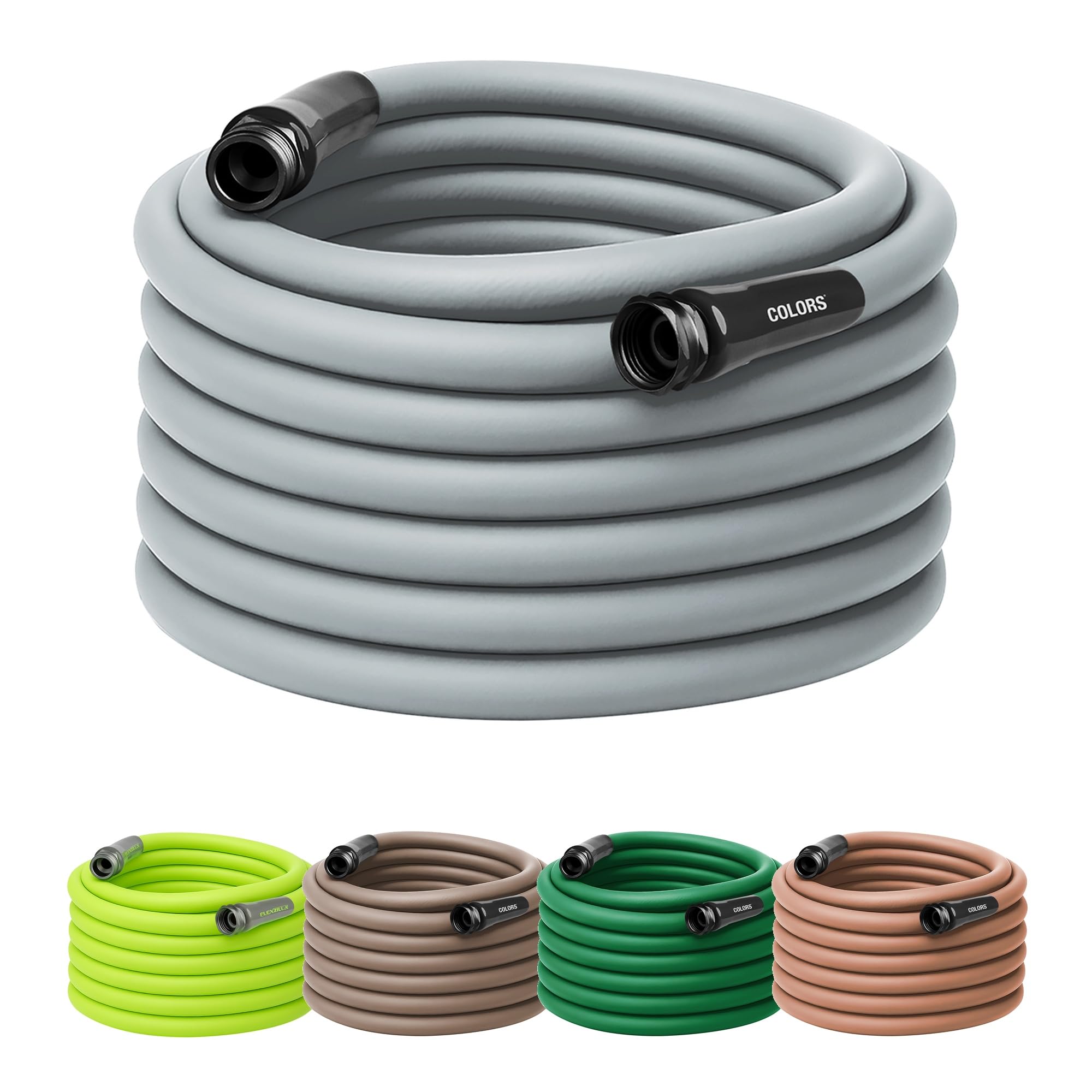
Standard vinyl and hybrid hoses balance price, weight, and performance for most homeowners. They are easier to coil and carry than rubber, and they handle typical watering, washing, and sprinkler use well. Their walls are thinner, so avoid running over them with heavy equipment and store them out of direct sun when possible.
Lightweight and Expandable Options
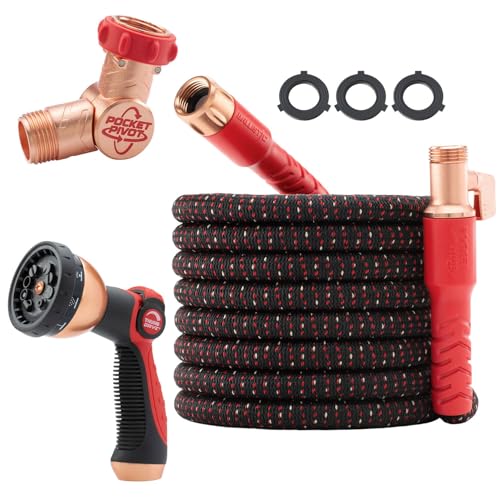
Expandable hoses stretch under pressure and shrink when the water is off, which makes them very light and easy to store. At 75 feet, however, they deliver less flow than a standard hose and can feel weak with sprinklers. They suit small watering jobs and users who struggle with heavy hoses, but they are not the best choice for large beds or high flow sprinklers. See our guide to the best expandable garden hoses if weight matters most to you.
Common Mistakes to Avoid
- Buying on length alone without checking diameter, since a narrow long hose can starve sprinklers of water.
- Ignoring weight, which turns a daily chore into a struggle when the hose is fully extended and full of water.
- Choosing plastic fittings to save money, then replacing them after they crack or cross thread.
- Storing the hose in a tight coil in direct sun, which speeds cracking and permanent kinks.
- Forgetting to measure around obstacles, so the hose ends up a few feet short of the farthest bed.
Tips to Get the Most From Your 75 Foot Garden Hose
- Water early in the morning so less water evaporates and leaves stay drier through the heat of the day.
- Drain the hose and store it before freezing weather, since trapped water can split fittings and walls.
- Flush the hose briefly before first use each day if it sat in the sun, especially for pet water or vegetable beds.
- Use a nozzle with a shutoff so you can move between beds without walking back to the spigot each time.
- Replace worn washers at the first sign of dripping, since a small leak wastes water and weakens the connection.
- Coil the hose in wide loops rather than tight bends to prevent kinks from setting permanently.
Frequently Asked Questions
Is a 75 foot hose too long for a small yard?
Yes, it often is, because the extra length adds weight, coiling time, and pressure loss for no benefit. A small yard usually needs only 25 to 50 feet, and a shorter hose is easier to store and drag. If you already own a long hose, keep the unused portion coiled near the spigot rather than dragging the full length. That habit reduces wear and keeps the working section lighter.
How much pressure do you lose over 75 feet?
You lose some pressure over any long run, and the loss grows with smaller diameters and higher flow demands. A 5/8 inch hose feeding a single nozzle usually loses little enough that most gardeners will not notice it. A sprinkler or a wide open nozzle draws more water, so pressure loss becomes more obvious at the far end. Choosing a 3/4 inch hose or watering one zone at a time can offset that loss.
Should I choose rubber or vinyl for a long hose?
Rubber suits frequent watering, rough ground, and cold mornings, because it stays flexible and resists kinks and abrasion. Vinyl suits occasional use and lighter budgets, since it is cheaper and easier to carry. Hybrid hoses offer a middle path with better flexibility than vinyl and less weight than rubber. Your watering frequency and your tolerance for weight should decide, not the price tag alone.
Can I leave a garden hose outside in winter?
No, you should not leave a hose connected and full of water through freezing weather. Trapped water expands as it freezes and can split the hose wall or crack the spigot fitting. Drain the hose fully, disconnect it from the spigot, and store it in a shed or garage. If you must leave it outside, coil it loosely in a sheltered spot and check it for cracks before the first spring use.
What diameter should I choose for sprinklers?
A 3/4 inch hose usually feeds sprinklers better than a 5/8 inch hose, because the wider bore delivers more water with less pressure loss. For hand watering and drip lines, a 5/8 inch hose is usually plenty and much lighter to move. Check your sprinkler flow needs first, since a low flow sprinkler will not benefit from the wider hose. Matching diameter to the sprinkler, rather than defaulting to the widest option, keeps the hose manageable.
Final Thoughts
The right long hose is the one that reaches your farthest bed without exhausting you or starving your sprinklers. Diameter, material, fittings, and weight matter more than brand claims, and storage habits matter more than most buyers expect. Compare those factors in the product table above, then choose the type that fits your yard and your watering routine. With the right pick, best 75 foot garden hoses stop being a chore to drag and become a tool you barely think about.