Best 42 Inch Riding Mowers Compared for 2026
Disclosure: We may earn a commission when you buy through links on this page, at no extra cost to you. As an Amazon Associate I earn from qualifying purchases. Learn more
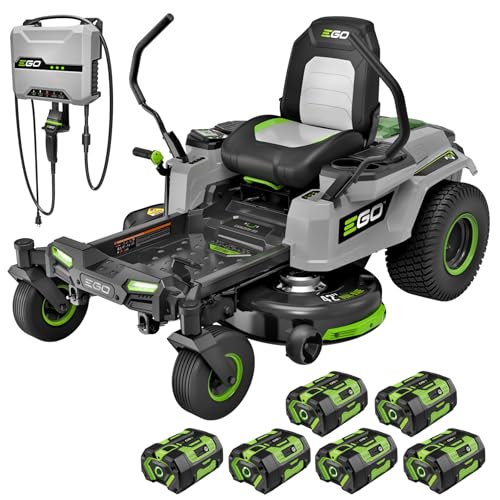
Yard owners can compare the best 42 inch riding mowers by battery, tractor, and zero turn type, power, slopes, and upkeep.
Buyers who search for best 42 inch riding mowers often find several very different machines sharing the same deck width, and that overlap causes most of the confusion. A battery powered rider, a tractor style gas mower, and a zero turn machine can all cut a 42 inch path, yet they feel different to drive, they handle slopes differently, and they need different care. This guide compares each type side by side, so you can match the machine to your yard instead of guessing from the deck size alone. Read the comparison table below first, then use the detailed sections and the product table to narrow your shortlist.
Deck width tells you how much grass each pass covers, but it tells you little about power, turning, or storage. A 42 inch deck suits many yards from about half an acre to about two acres, yet the right type depends on slopes, obstacles, noise limits, and how much maintenance you want to do. The best 42 inch riding mowers for one yard can be a poor match for another, so the sections below keep those factors separate, and a strength in one area does not hide a weakness in another.

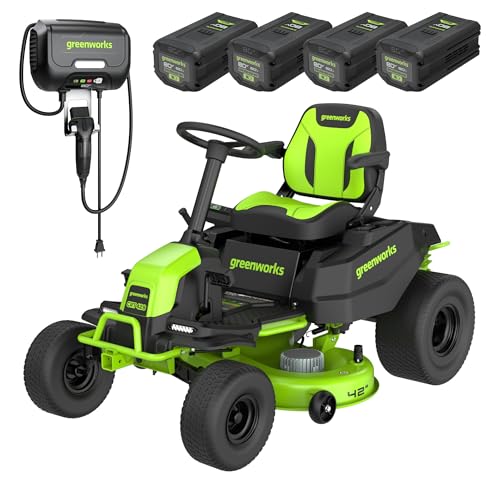
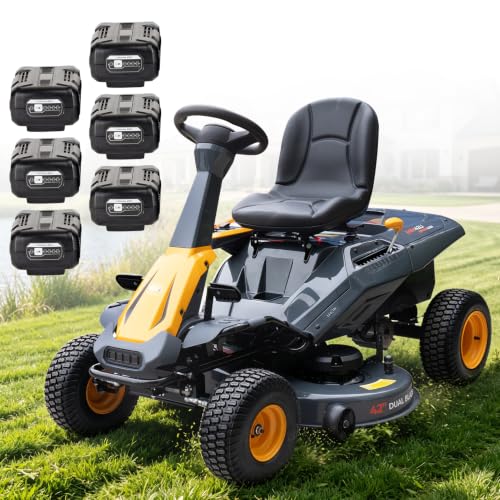
Types of 42 Inch Riding Mowers Compared
The table below gives a quick view of the main types. After the table, each type gets a fuller explanation, including who it suits and where it falls short.
| Type | Best For | Pros | Cons | Typical Price |
|---|---|---|---|---|
| Battery powered riders | Flat to gentle yards, quiet neighborhoods | Quiet running, low routine engine care | Runtime limits, battery replacement cost | About $2,000 to $6,000 |
| Tractor style gas riders | Larger yards, slopes, towing light loads | Long runtime, strong power | Fuel, oil, and engine service | About $1,800 to $3,500 |
| Zero turn riders | Open ground with many obstacles | Fast turning, fewer uncut patches | Poor on steep slopes, higher price | About $2,500 to $6,000 |
| Hydrostatic lawn tractors | Yards with many speed changes and obstacles | Smooth pedal speed control, easy to drive | Higher price than manual gear drive | About $2,000 to $3,500 |
Battery Powered Mowers
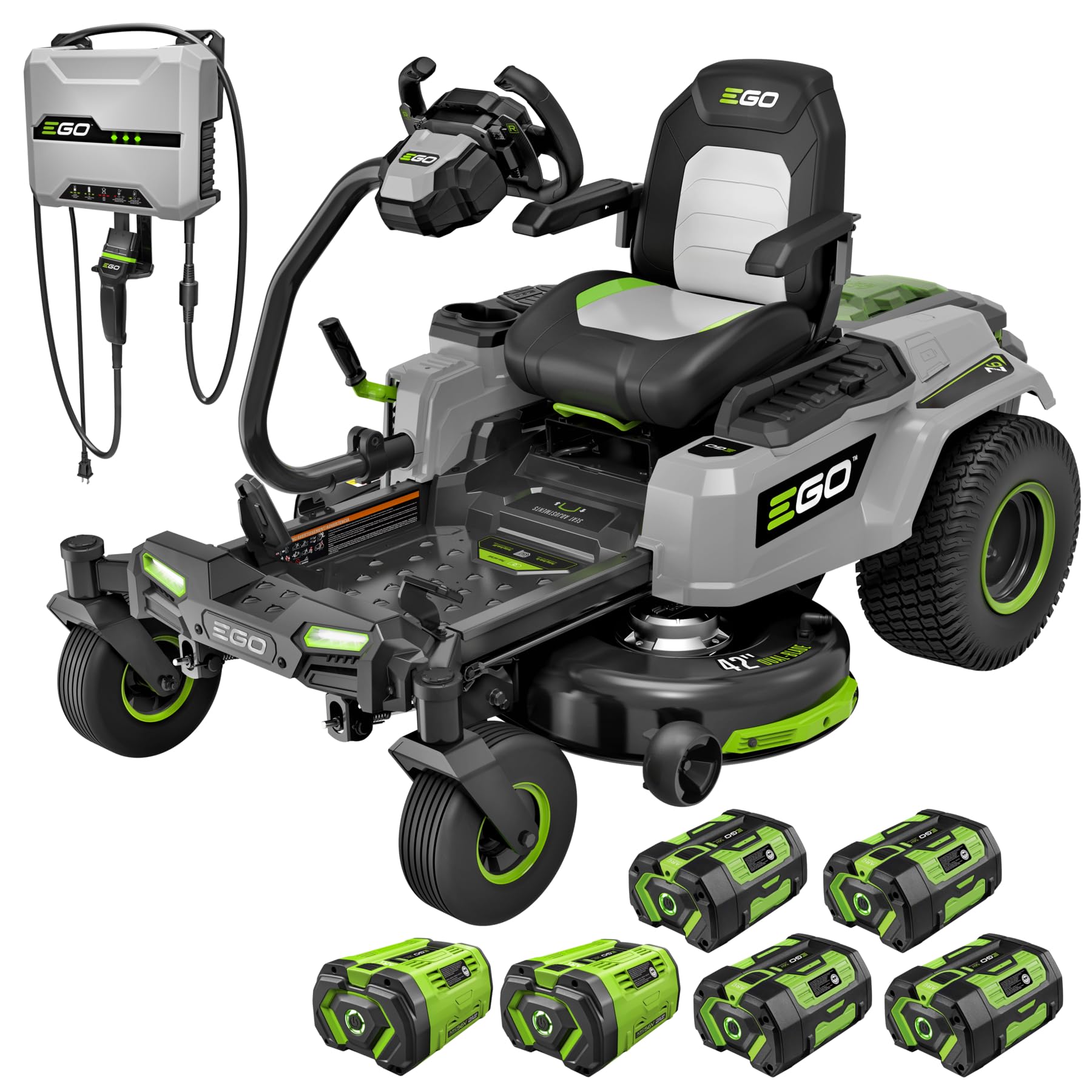
Battery powered riders use one or more large batteries to drive the blades and the wheels, and they suit buyers who want quiet running and simple starts. You press a button or turn a key, and there is no fuel to mix, no oil to change, and no exhaust smell. Runtime depends on grass height, slope, and battery size, so a yard that looks moderate on paper can drain a battery faster when the grass is tall or damp.
Battery models also tend to vibrate less and need fewer routine engine tasks, though the deck, blades, and tires still need care. The main long term cost is battery replacement, which can arrive after several seasons of regular use. If your yard is flat, your grass is cut weekly, and you store the machine where batteries can charge safely, a battery rider can be a calm and capable choice.
Riding Lawn Mowers and Tractors
Tractor style riders are the familiar lawn tractor shape, with a steering wheel, a seat over the rear wheels, and a mid mounted deck. Gas versions offer long runtime and strong power for thick grass, and they can often tow a small cart, a spreader, or a lawn roller. Steering feels natural to most drivers, and the machine tends to feel steady on gentle slopes when driven at a safe speed.
The trade off is routine engine care: fuel, oil, filters, and spark plugs all need attention on a schedule. Gas models are louder than battery models, and you must never run a gas engine indoors. For a larger yard, a hilly yard, or a yard where you also tow loads, a tractor style rider remains a strong and flexible choice. For a direct comparison with other options, see our guide to the best 42 inch riding lawn mowers.
Zero Turn Mowers
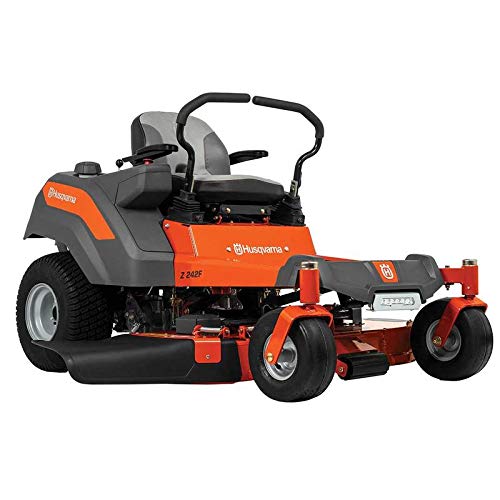
Zero turn riders steer with two levers and pivot almost in place, so they cut close around trees, beds, and fences with far fewer missed patches. On open ground a 42 inch zero turn finishes a yard faster than a tractor style machine of the same deck width, and many battery models in this size use the zero turn layout.
The trade off is slope control. Zero turn machines lose grip more easily on hills, and the lever steering takes some practice. They suit flat to gently rolling yards with many obstacles. If part of your yard is steep, plan to mow that section with a tractor style rider or a separate walk behind mower.
Battery Powered Mowers vs Riding Lawn Mowers and Tractors: Which Should You Choose
Choose a battery rider when quiet running, simple starts, and low routine engine care matter most, and when your yard fits comfortably within one charge. Choose a tractor style gas rider when your yard is large, your grass grows thick, or you need to tow loads and mow for long stretches without stopping. Noise rules in your neighborhood can also tip the choice, since early morning mowing is easier with a quieter machine.
Cost over time changes the picture. Battery riders cost less to run day to day, but a replacement battery is a large future expense. Gas riders cost more in fuel and service, yet the machine itself can last many years with care. If you mow weekly and store the machine under cover, either type can serve well, so let yard size, slope, and runtime decide rather than brand loyalty or a single feature.
How to Choose the Right 42 Inch Riding Mower
Use the factors below as a checklist. Work through them in order, because a machine that fails on slope safety or gate width is not saved by a comfortable seat or a lower price.
Slopes and Terrain
Slope handling separates safe choices from risky ones. Tractor style riders handle gentle slopes well when driven up and down the slope at a steady speed, as the maker advises. Zero turn machines turn fast on flat ground but lose grip more easily on steep ground, and most makers advise against slopes above about 15 degrees.
Keep children and pets away from moving blades, clear debris before mowing, and avoid wet slopes where tires can slip. If one part of your yard is steep, plan to mow that section with a walk behind mower instead.
Noise, Storage, and Maintenance
Battery riders run quieter and store without fuel concerns, though batteries should charge in a dry place away from extreme heat. Gas riders need a ventilated storage area, fuel kept in an approved container, and regular oil and filter service. Both types need deck cleaning, blade checks, and tire pressure checks. Measure your storage bay before you buy, including height for the seat and steering wheel, because a machine that must live outdoors will wear faster.
Yard Size and Cutting Width
A 42 inch deck suits yards from about half an acre to about two acres, with the exact fit depending on obstacles and slopes. Smaller yards may suit a narrower deck that turns more easily around beds and fences, while larger yards may benefit from a wider deck or a zero turn machine. Walk your narrowest gate and the gaps between trees with a tape measure, since a deck that cannot reach part of the yard leaves hand trimming work. For a narrower rider, see our guide to the best 30 inch riding mowers.
Power Source: Gas, Battery, or Corded Electric
Gas power offers the longest runtime and strong cutting power in thick grass. Battery power offers quiet running and simpler routine care, with runtime as the main limit. Corded electric power is uncommon at this deck size, because a cord limits range and creates a trip hazard across a large yard. Match the power source to your mowing pattern: weekly cuts on a moderate yard suit battery power well, while infrequent cuts on tall grass suit gas power better.
Drive Type
Hydrostatic drive lets you change speed smoothly with a pedal and suits yards with many obstacles. Manual gear drive costs less and works well on open, flat ground. Zero turn drive uses two levers and turns the machine almost in place, which saves time around trees and beds but demands practice on slopes.
For the full range of rider sizes, see our guide to the best riding mowers.
How to Make Your 42 Inch Riding Mower Last Longer
Long life comes from simple habits repeated each season. Keep blades sharp, and sharpen them each season or sooner if you hit stones or roots. Never cut more than one third of the grass blade at once, because short cutting stresses the lawn and loads the engine.
Store batteries indoors in winter, keep gas models under cover, and clean grass from the deck after mowing so moisture does not cause rust. Check tire pressure, belt condition, and oil level on the schedule in the maker manual, and fix small problems before they grow into costly repairs.
Frequently Asked Questions
Can a 42 inch riding mower fit through my garden gate?
A 42 inch riding mower usually needs a gate opening wider than 42 inches, because the deck, wheels, and discharge chute add width beyond the deck measurement itself. Measure the narrowest point of the gate, including hinges and posts, and compare it with the full width stated in the maker specifications. A useful extra check is to measure any path between fences or beds on the route to the back yard, since a wide gate does not help if a later passage is narrower. If the fit is tight, a narrower deck may save daily frustration.
Do I need a bagger or a mulching kit for a 42 inch mower?
You do not always need a bagger or a mulching kit, because most 42 inch decks can side discharge clippings without extra parts. A mulching kit suits buyers who mow often and want fine clippings returned to the lawn, while a bagger suits buyers who want a tidy finish or who mow tall, damp grass. Check whether either kit is included in the price, since a bagger can add a large amount to the total cost. Bagging also adds weight at the rear, which can affect traction on slopes.
How long does a battery charge last on a large yard?
A battery charge on a 42 inch rider often covers about one to two acres in good conditions, but tall grass, slopes, and frequent turns can shorten that range sharply. Makers usually state runtime for light conditions, so treat that figure as a best case rather than a promise. A practical check is to time your first few mowing sessions and note how much charge remains, because that real record beats any brochure figure. If you regularly finish with little charge left, a second battery is worth budgeting for.
Can a riding mower tow a cart or a spreader?
Many tractor style riding mowers can tow a light cart, a spreader, or a lawn roller, provided the load stays within the weight limit in the maker manual. Zero turn machines and battery riders vary more, so check towing guidance for your exact type before you buy an attachment. Towing on slopes needs extra care, since a loaded cart can push the mower on downhill runs. Keep loads light, drive slowly, and never tow passengers on a cart or attachment.
What maintenance differs between gas and battery riding mowers?
Gas riding mowers need fuel, oil changes, air filters, and spark plugs on a regular schedule, while battery riders skip those engine tasks but still need deck cleaning, blade care, and tire checks. Battery care brings its own tasks, including charging in a dry place, avoiding full discharge when possible, and storing batteries away from extreme cold. Both types share wear parts such as belts, blades, and tires, so a battery model does not remove all maintenance. Budget time for those shared tasks when you compare types.
Wrapping Up
The right choice among best 42 inch riding mowers depends on yard size, slopes, noise needs, and how much maintenance you want to handle. Battery riders suit quiet, moderate yards, tractor style gas riders suit larger and hillier ground, and zero turn machines suit open yards with many obstacles. Review the product table, measure your gates and storage space, and choose the type that fits your yard on a weekly basis, not just on a perfect mowing day. For a zero turn option at this width, see our guide to the best 42 inch zero turn mowers.