Best 42 Inch Riding Lawn Mowers: A Budget Guide for 2026
Disclosure: We may earn a commission when you buy through links on this page, at no extra cost to you. As an Amazon Associate I earn from qualifying purchases. Learn more
Best 42 inch riding lawn mowers explained by price tier, with advice on power, transmission, and terrain for half acre to two acre yards.
Shopping for best 42 inch riding lawn mowers can feel confusing because prices stretch from modest machines to models that cost several times as much. The deck width stays the same across that range, so the price gap comes from the engine or motor, the transmission, the seat, and the small comforts that make a long mowing session easier. This guide explains what each spending level actually buys, so you can judge where extra money helps and where it only adds features you may never use. Read the sections that follow, then check the product table above again once you know which features matter most for your yard.
A 42 inch deck suits many suburban yards because it cuts a wide path without being too wide for gates, trees, and garden beds. It is a practical middle ground: faster than a walk behind mower on a half acre or more, yet easier to store and turn than a much wider machine. Before you compare prices, measure your yard, note your slopes, and decide whether you want gas power, battery power, or a simple machine with few extras to maintain.

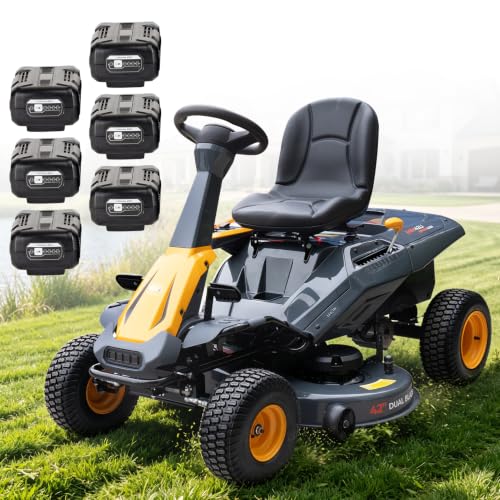
Who Should Buy a 42 Inch Riding Lawn Mower
Not every yard needs a riding mower, and not every riding mower buyer needs the largest deck. The groups below show who tends to get real value from this size, and who may be better served by a different width or a different style of machine.
Owners of Half Acre to Two Acre Yards
If your lawn takes more than an hour with a walk behind mower, a 42 inch riding machine can cut that time sharply. The wider deck covers open ground quickly, and the seat lets you finish without the fatigue that comes from pushing a mower across a large yard in summer heat. On yards below about half an acre, the same machine may feel oversized, and turning around beds and fences can take away much of the time saved.
Homes With Trees, Beds, and Tight Turns
A 42 inch deck threads between trees and landscape beds more easily than a 48 inch or 54 inch deck. That matters when your yard has curved borders, a play area, or a narrow side passage. Buyers in this group should look at turning radius and steering feel, not just deck width, because a machine that turns well will leave fewer uncut patches near obstacles.
Buyers Trading Up From a Walk Behind Mower
Moving from a walk behind mower to a riding mower changes how you store, fuel, and maintain the machine. You will need a dry shed or garage bay, a place to charge a battery or store fuel safely, and room to reach the blades for cleaning. Buyers in this group often do best with a mid priced model that keeps controls simple while adding a comfortable seat and a clear cutting height adjustment.
What the Best 42 Inch Riding Lawn Mowers Offer at Each Price Level
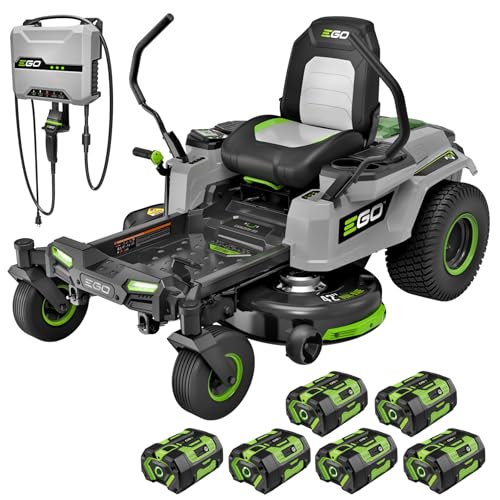
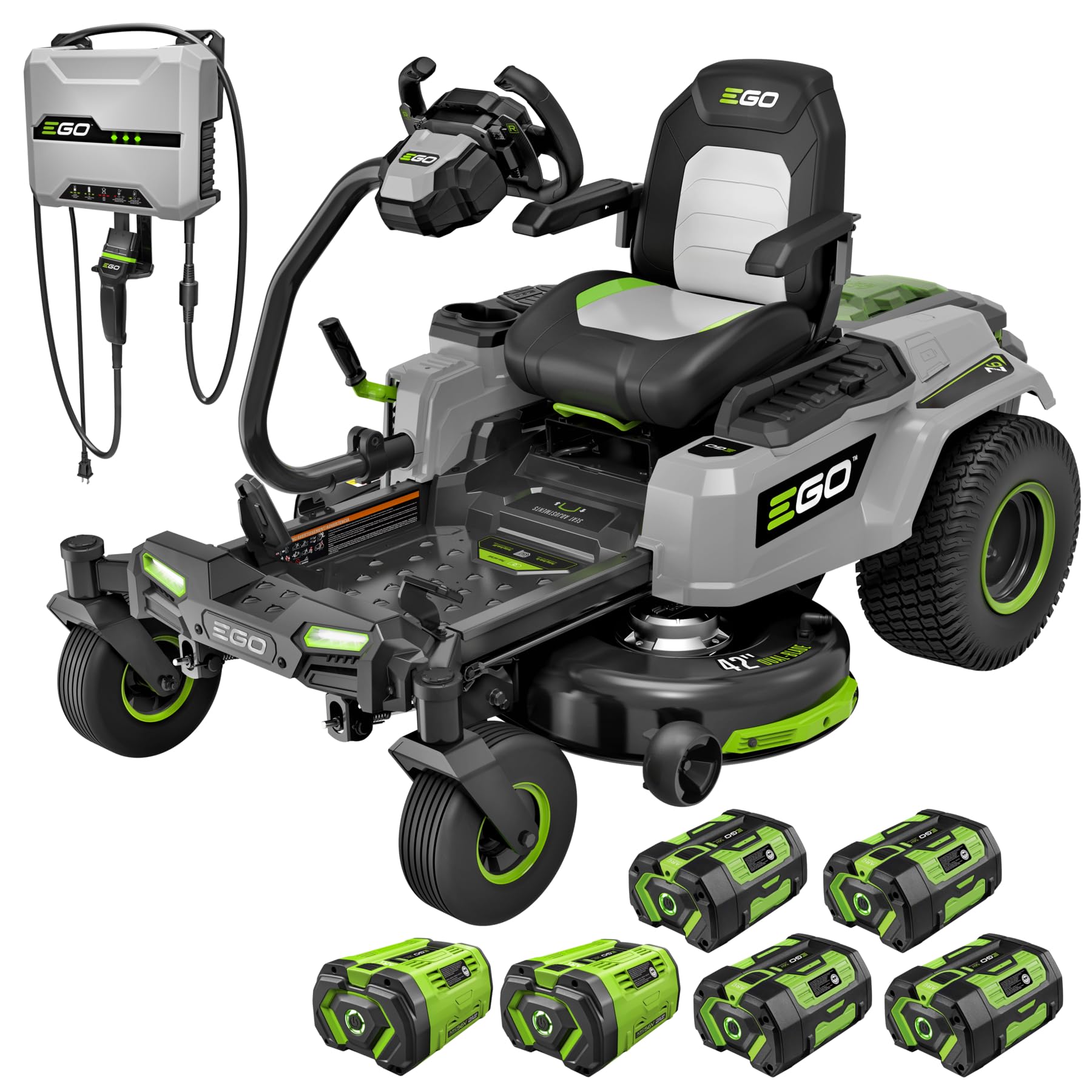
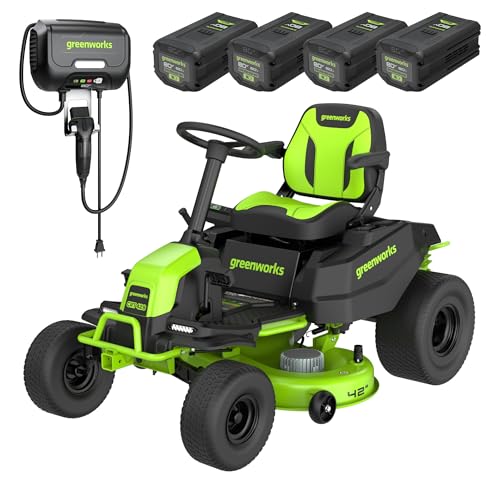
Price tiers in this category reflect power, transmission, build, and comfort more than cutting width. The deck stays at 42 inches, so compare what sits above and behind that deck. Use the ranges below as a rough guide, since prices vary by season and by whether a bagger or mulching kit is included.
Lower Priced Models: The Essentials Covered
Lower priced models, at about $1,500 to $2,200, usually offer a single cylinder gas engine or a smaller battery pack, a manual transmission or a basic hydrostatic drive, and a simple seat. They cut well on fairly flat ground and suit buyers who mow regularly and store the machine under cover. You may give up cruise control, a high back seat, and a premium steering system, and the deck may use thinner steel. For a flat yard of about half an acre, those trade offs rarely affect the quality of the cut.
Mid Priced Models: More Comfort and Capability
Mid priced models, at about $2,200 to $3,200, often add a stronger engine or a larger battery, a smoother hydrostatic transmission, and a more comfortable seat with better support. Controls tend to feel more precise, and cutting height adjustment may use a single lever rather than separate pins. This level suits buyers who mow weekly through the growing season, who have gentle slopes, or who want a machine that also pulls a small cart. If you want a balance of comfort and value, start your search here and compare the product table above before moving up or down a tier.
Higher Priced Models: Added Power and Convenience
Higher priced models, at about $3,200 to $5,000 and up, may offer a twin cylinder engine, a larger battery with longer runtime, a tighter turning system, and features such as a washout port, LED lights, or a premium seat with armrests. These machines suit larger yards, thicker grass, and buyers who mow often or tow attachments. The extra power helps on tall or damp grass, but it does not change the basic job of cutting a 42 inch path. Spend at this level when your yard or your schedule truly calls for it, not simply because the features sound appealing.
Features Worth Paying For and Ones to Skip
Every feature list includes items that change the mowing experience and items that only sound useful. The sections below separate the two, so you can spend on the parts that affect cutting quality, comfort, and long term ownership.
Drive Type
Riding mowers in this size usually use a hydrostatic transmission, which lets you change speed smoothly with a pedal, or a manual gear transmission, which costs less but requires more effort. Hydrostatic drive suits yards with trees and beds, because you can slow down and speed up without shifting. Zero turn machines turn faster still, but a standard tractor style rider is often steadier on slopes. If your yard is mostly open and flat, a simpler transmission may serve you well, and you can put the savings toward a bagger or a better seat.
Power Source: Gas, Battery, or Corded Electric
Gas engines offer long runtime and strong power for thick grass, and they suit larger yards where charging stops would slow you down. Battery models run quieter, need less routine engine care, and suit buyers who want to avoid fuel storage, though runtime depends on grass height and battery size. Corded electric models are rare at this deck size and limit how far you can travel from an outlet.
Never run a gas engine indoors, and store fuel in an approved container away from living spaces. If you compare power types in more depth, see our guide to the best 42 inch riding mowers for a type by type breakdown.
Yard Size and Cutting Width
A 42 inch deck suits yards from about half an acre to about two acres, depending on obstacles and slopes. Below half an acre, a smaller deck or a walk behind mower may turn more easily and cost less to store. Above two acres, a wider deck or a zero turn machine may finish faster, though a 42 inch machine still works if you do not mind extra passes. Measure your narrowest gate and the gaps between trees before you buy, because a deck that cannot reach part of the yard leaves you trimming by hand.
Mulch, Bag, and Side Discharge Options
Most 42 inch decks offer mulching, bagging, and side discharge, though a bagger or mulching kit may be sold separately. Mulching returns fine clippings to the lawn and suits buyers who mow often and want fewer bags to empty. Bagging keeps the lawn looking tidy and helps when grass is tall or damp, but bags add weight and need emptying.
Side discharge works well on open ground where clippings can scatter safely. Check whether the kit you want is included in the price, because an add on bagger can change the total cost by a large amount.
Slopes and Terrain
Slope safety matters more than speed on hilly ground. Mow up and down gentle slopes rather than across them when the maker advises that pattern, and avoid wet or steep ground where the machine could lose traction. Zero turn machines are not suited to slopes above about 15 degrees, and tractor style riders also have limits set by the maker.
Keep children and pets away from moving blades, and clear sticks, stones, and toys before you start. If your yard has a steep bank, consider whether a smaller walk behind mower or a different deck size would handle that section more safely. For a narrower option, see our guide to the best 30 inch riding lawn mowers.
Long Term Costs to Factor In
The purchase price is only part of ownership. Gas models need fuel, oil, filters, spark plugs, and blade sharpening, while battery models may eventually need a replacement battery, which can cost a large share of the original price. Blades wear with use, belts stretch, and tires lose air over time.
A washout port helps you clean the deck, and a clean deck cuts better and resists rust. Compare warranty length and what it covers, and check whether a local dealer or repair shop can service the machine. A slightly higher purchase price can be good value if it brings a stronger deck, a longer warranty, and parts that are easy to find.
Frequently Asked Questions
How often should I sharpen mower blades?
Sharpen mower blades about once a season for a typical home yard, or more often if you hit stones, roots, or sandy soil. Dull blades tear grass rather than cutting it cleanly, and torn tips turn brown and invite disease. Check blade balance after sharpening, because an unbalanced blade can vibrate and wear the spindle bearings. If you are unsure about removing or balancing a blade safely, ask a repair shop to do the work.
How long does a 42 inch riding lawn mower last?
A 42 inch riding lawn mower often lasts about 10 to 15 years for home use when it is stored under cover and serviced on schedule. Engine life depends on hours of use, oil changes, air filter care, and whether the machine is overloaded on tall or wet grass. Battery models follow a different pattern, since the battery may need replacement well before the rest of the machine wears out. Keeping a simple service log helps you spot rising repair costs before they exceed the value of the machine.
Are battery mowers as good as gas?
Battery mowers match gas mowers well on flat yards of moderate size, and they run quieter with less routine engine care. Gas mowers still hold an edge for very large yards, thick or tall grass, and long sessions without a charging break. The deciding factor is often runtime: check how many acres a full charge covers in real yard conditions, not just in ideal conditions. If your yard pushes the limit, a second battery or a gas model may be the safer choice.
Is a zero turn worth it for one acre?
A zero turn can be worth it on open, fairly flat ground, because it turns quickly and leaves fewer uncut patches near obstacles. It is less suited to steep slopes, and it may cost more than a tractor style rider with the same deck size. For a one acre yard with many trees and beds, the time saved can be real, but for a simple rectangular lawn, a standard rider may finish nearly as fast. Compare turning radius and slope guidance, and see our guide to the best zero turn riding lawn mowers, before paying extra.
What size mower do I need for my yard?
Match deck size to yard size, obstacles, and slopes rather than choosing the widest deck you can afford. Yards below about half an acre often suit a walk behind mower or a smaller rider, while yards from half an acre to two acres suit a 42 inch deck well. Above two acres, a wider deck saves time, though it needs wider gates and more storage space. Walk your narrowest passage with a tape measure before you buy, and for a smaller cut width, see our guide to the best 30 inch cut riding lawn mowers.
The Bottom Line
The best value among best 42 inch riding lawn mowers comes from matching deck, power, and transmission to your yard, not from buying the most expensive machine available. Start with yard size and slopes, choose gas or battery power for your routine, and spend extra only on comfort or capability you will use every week. Check the product table above once more, confirm gate widths and storage space, and choose the tier that fits both your lawn and your budget.