Best 72 Inch Bathroom Vanities (2026): Sizes, Types and Prices
Disclosure: We may earn a commission when you buy through links on this page, at no extra cost to you. As an Amazon Associate I earn from qualifying purchases. Learn more

Choosing the best 72 inch bathroom vanity? A 72 inch vanity suits shared bathrooms with a long wall run.
A 72 inch vanity sounds like a simple upgrade until you picture two people getting ready at once, drawers that clear the plumbing, and a top heavy cabinet that still has to fit through your door. Choosing the best 72 inch bathroom vanity means matching sink layout, storage, and cabinet construction to your room and your routine, not just filling the wall.
This guide compares the main types on comfort and reach, build quality and materials, and size and weight capacity, then walks through measuring, plumbing fit, and budget. Use the comparison table below to narrow your shortlist, then read our broader guide to the best bathroom vanity if you are still weighing other widths.


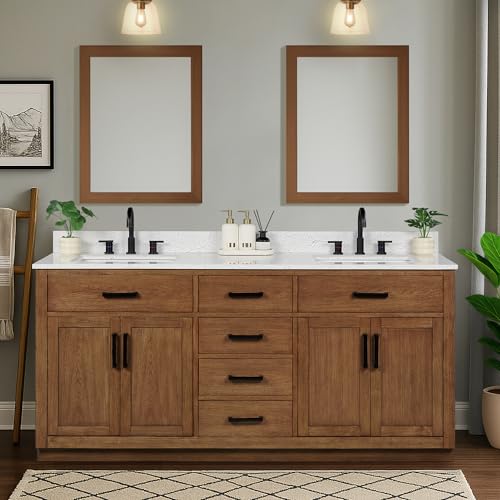


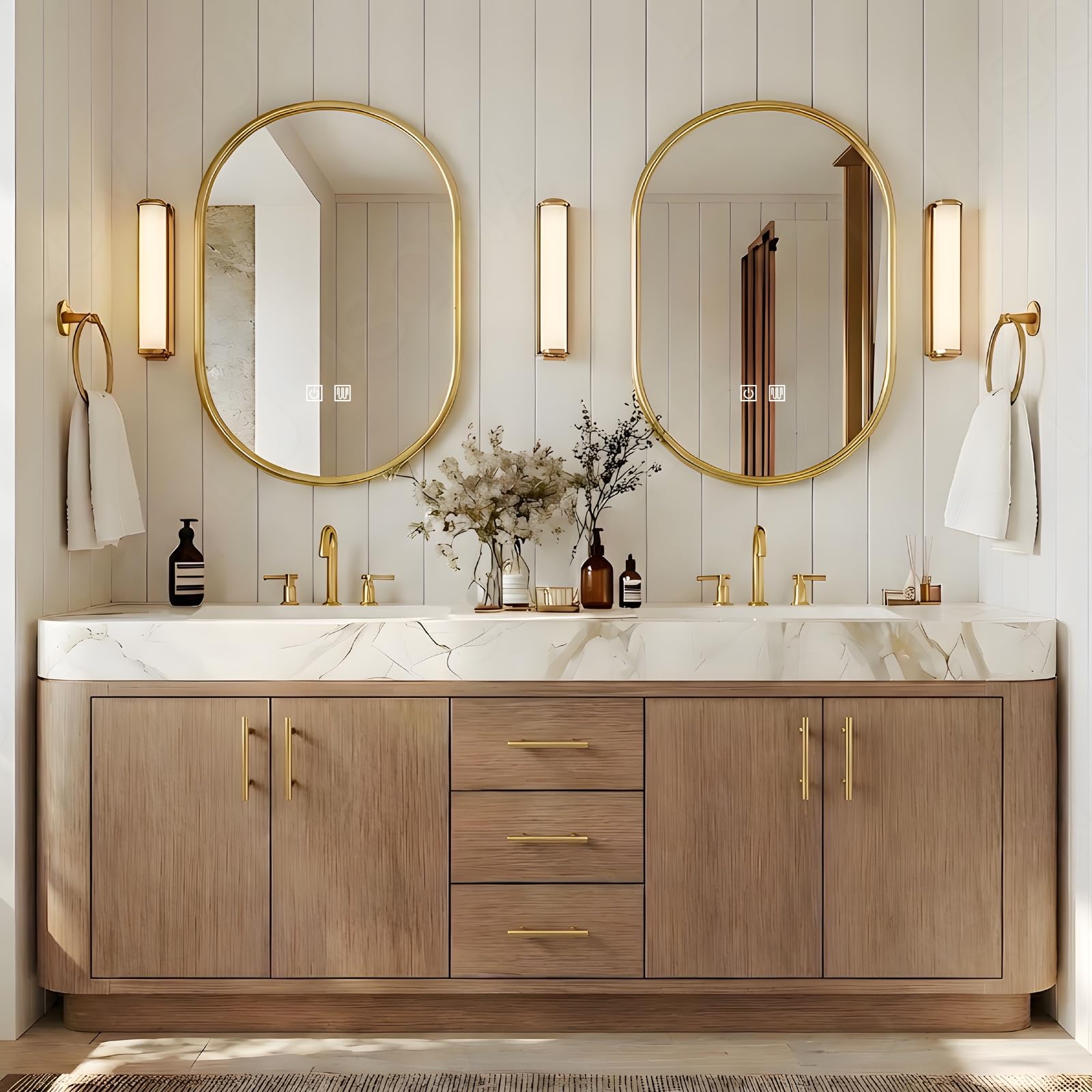
Three Types at a Glance
The three types below cover the most common needs at this width: two full washing stations, a simpler cabinet that keeps costs down, and stronger materials with better storage.
- Double sink freestanding: two basins, balanced storage, and the easiest fit for most shared primary bathrooms.
- Stock double sink cabinet: plain doors, fewer extras, and a lower price when you buy the top separately.
- Premium floating or solid wood: a stone top, deeper drawers, and hardware built for heavy daily use.
Types of 72 Inch Bathroom Vanities to Compare
Double Sink Freestanding Vanities for Most Rooms
A freestanding double sink model suits most buyers because it rests on the floor, hides pipes behind doors or drawers, and splits the counter into two clear stations. Look for a center bank of drawers or two separate drawer stacks so each person keeps daily items apart. The trade off is bulk, since the cabinet arrives deep and heavy and needs a clear path into the room.
Stock Cabinets Sold Without a Top for Low Cost
The lowest cost route is a stock cabinet with plain slab or shaker doors, standard hinges, and no top, sink, or faucet included. You add a basic top later, which spreads the spending and lets you replace a stained top without changing the cabinet. Storage is usually simpler, with wide doors and open space inside rather than fitted drawers. Choose this type for a guest bath or a rental update, and set aside money for the top, sinks, faucets, handles, and any plumbing parts the box does not include.
Solid Wood Vanities With a Stone Top for the Long Term
A premium 72 inch vanity pairs a solid wood or strong plywood cabinet with a thick stone top, undermount sinks, and drawers that open fully on sturdy slides. You pay for quieter closing hardware, a finish that tolerates steam better, and counter space that resists stains from toothpaste and cosmetics. Floating versions in this tier free up floor space and make cleaning underneath simple, but they need solid wall blocking. Choose this type for a primary bath you plan to keep for many years of daily use.
How to Evaluate 72 Inch Bathroom Vanities
Judge every model on the same five points: comfort and reach at the sink, build quality and materials, size and weight capacity, ease of assembly and delivery, and warranty cover for the cabinet, finish, and hardware. Work from maker spec sheets for dimensions and materials, then read verified buyer reviews for patterns about warped doors or cracked tops. The same fault repeated across many reviews is a useful warning.
How to Choose the Right Bathroom Vanity
The steps below turn a long product list into a short one. Measure first, confirm the plumbing, and only then compare finishes and extras, since a beautiful cabinet that fights your pipes or doors will cost you time and return shipping.
Size and Form Factor
Measure the wall run in three places, then check the path from the entry door to that wall, including hall turns and the swing of the bathroom door. A 72 inch cabinet needs the full width plus a small gap at each end for walls that are not perfectly straight. Note where drawers and doors will open so they clear towel bars and the toilet. If your wall run or walkway falls short, our guide to the best 36 inch bathroom vanity shows what a single sink layout gives up and gains.
Type
Freestanding models sit on legs or a solid base, carry heavy stone tops well, and are the simplest to level on an uneven floor. Floating and wall mounted models open up the floor, help a room feel larger, and let you set the counter a little higher or lower, but the wall must carry the full loaded weight. Double sink layouts serve two users at once, while a single sink layout trades the second basin for one long stretch of counter and a larger bank of drawers on one side.
Features Worth Paying For
An integrated top with sinks molded in is easy to wipe down and removes one seam where water can sit, while a separate top lets you pick the stone and sink shape you prefer. Deep drawers with dividers suit shared storage better than wide doors with a dark open cavity. A matching mirror is worth paying for when its width lines up with the two sinks, and a mirror with built in lighting helps when the room has no side lights. Skip decorative legs or fancy handles if the budget is tight.
Load, Support, and Comfort
Counter height shapes comfort more than style does. Taller adults often prefer a counter near standard kitchen height, while shorter users and children may find a lower top easier for washing and brushing teeth. Stone tops add serious weight, so check that your floor feels solid and that a floating frame has blocking inside the wall. Ask a contractor to confirm support before ordering if the floor flexes or the wall studs are hard to locate. Comfort also means enough elbow room at each sink without hitting the side wall.
Adjustability for Plumbing and Storage
Good 72 inch cabinets adjust to the room instead of forcing the room to adjust to them. Leveling feet correct small dips in the floor, removable back panels give a plumber room to work, and shelves or drawer boxes shaped around the drain let you keep usable storage in the center. Adjustable dividers and removable trays help two users separate small items without buying extra organizers. Confirm the drain and supply line positions on the spec drawing, since a drawer that hits a pipe cannot close and is the most common fit problem at this width.
Materials and Durability
Cabinet boxes built from plywood or solid wood handle steam and splashes better than boxes built from particle board with a thin surface film, which can swell when water reaches a cut edge. If wood is your priority, our guide to the best wood bathroom vanity explains the main species and finishes in more depth. Quartz and solid surface tops resist stains well, marble looks classic but needs sealing and quick cleanup of makeup spills, and cultured marble costs less but can scratch. Check that drawer sides join at the corners rather than relying on staples alone.
Assembly and Warranty
Many 72 inch vanities ship fully assembled, which saves hours but means a large freight delivery that you must inspect before the driver leaves. Others arrive flat and need two adults, clamps, and patience, with the benefit of fitting through narrow doors. Photograph any damage to the top or corners right away, since freight claims have short windows. Read the warranty in parts: cabinet and finish cover, hardware cover, and top cover often run for different lengths, and water damage from a slow leak is rarely included.
How Much Should You Spend?
Expect stock 72 inch cabinets without a top at about $600 to $1000, complete double sink models with a basic top at about $1000 to $2000, and solid wood or stone top models at about $2000 to $3500 or more. The jump in price should buy a stronger box, better drawer slides, and a thicker top, not just a trendier color. Leave room in the budget for faucets, mirrors, delivery, and plumbing changes, which together can add several hundred dollars to the cabinet price alone.
Is a 72 Inch Bathroom Vanity the Right Size for You?
Choose this width when two people regularly use the bath at the same time, the wall run measures a full 72 inches with clearance to spare, and you have storage needs that a single sink cabinet cannot meet. Tape the footprint on the floor and wall first, open imaginary drawers, and walk past the tape as you would on a busy morning. If the room is a powder room, a narrow guest bath, or a space where the door swing already feels tight, step down a size and see our guide to the best small bathroom vanity instead. A vanity that crowds the walkway will annoy you every day, no matter how good it looks in photos.
FAQ
What is the best 72 inch bathroom vanity?
The right choice is the one that fits your wall, drains, and routine without forcing changes to the room. For most shared primary baths, that means a double sink freestanding cabinet with a plywood box, full depth drawers, and a stain resistant top. Check the spec drawing against your plumbing before you order, since fit matters more than finish. If one person uses the room, a single sink version with more counter space may serve you better.
What size bathroom vanity do I need?
Start with the wall run, then subtract a small gap at each end so the cabinet can slide into place. Next, stand at the taped footprint and check that you can bend, open drawers, and pass another person without turning sideways. Count sinks by routine, not by room size alone: two basins help only if both get used at the same hour. Bring your measurements, drain positions, and door swing notes when you shop, and you will rule out most wrong sizes in minutes.
How long does a 72 inch bathroom vanity last?
A plywood or solid wood cabinet with a stone or solid surface top often serves for about 15 to 25 years, while a particle board cabinet in a steamy bath may show swollen edges much sooner. Ventilation matters as much as materials, so run the fan during showers and wipe standing water off the top edge. Early signs it is time to replace include doors that no longer align, drawers that sag, and a base that stays soft or stained after a leak.
Is a 72 inch bathroom vanity worth it for a shared bathroom?
It is worth it when the second sink ends daily crowding and the extra storage removes bottles and tools from the counter. The value shows up in calmer mornings and easier cleanup. It is not worth it if the room loses needed walkway space or if the plumbing move eats the budget. In those cases a smaller cabinet plus a tall storage tower is the smarter spend.
How do you clean a 72 inch bathroom vanity?
Wipe the cabinet with a soft cloth and mild soap, dry the edges where water collects, and clean stone tops with a cleaner made for stone rather than vinegar or harsh sprays. Clean inside drawers monthly, since hair and spilled products trap moisture against the wood. Our full routine in how to clean a bathroom vanity covers stain removal for common top materials and what to do after a small leak so the cabinet base dries fully.
What makes a 72 inch bathroom vanity reliable?
Reliability comes from construction you can verify, not from a famous name. Look for a rigid box that does not rack when lifted, drawer slides rated for the weight of full drawers, hinges you can adjust with a screwdriver, and a maker that sells replacement handles, slides, and touch up finish. Keep the model number and warranty papers after install, since ordering the exact slide or hinge years later is far easier with those details on hand.
Final Thoughts
Measure carefully, match the cabinet to your plumbing, and spend first on the box, drawers, and top. When you compare the best 72 inch bathroom vanity options in the product table above against those basics, the right type usually stands out quickly. For help weighing this width against other sizes, work through our bathroom vanity buying guide before ordering.