
Best 70v Speakers: A First Time Buyer's Guide for 2026
Disclosure: We may earn a commission when you buy through links on this page, at no extra cost to you. As an Amazon Associate I earn from qualifying purchases. Learn more

Learn how the best 70v speakers work, which tap settings, wattage, and speaker types to choose, and how to plan a simple multi speaker system with confidence.
If you need music or announcements spread evenly across a cafe, a shop, a classroom, or a covered patio, one loud speaker is the wrong tool. A 70 volt system uses many modest speakers, each playing at a comfortable level, so everyone hears clearly without anyone sitting next to a blast of sound. This guide explains the best 70v speakers in plain language, starting with how the system works and ending with a simple buying plan. Use the comparison table below to see the main speaker styles, then read on to match them to your space.
Do not worry if terms like tap setting and constant voltage are new. Each one is explained where it first appears, and the whole system is simpler than it looks once you see how the pieces connect.


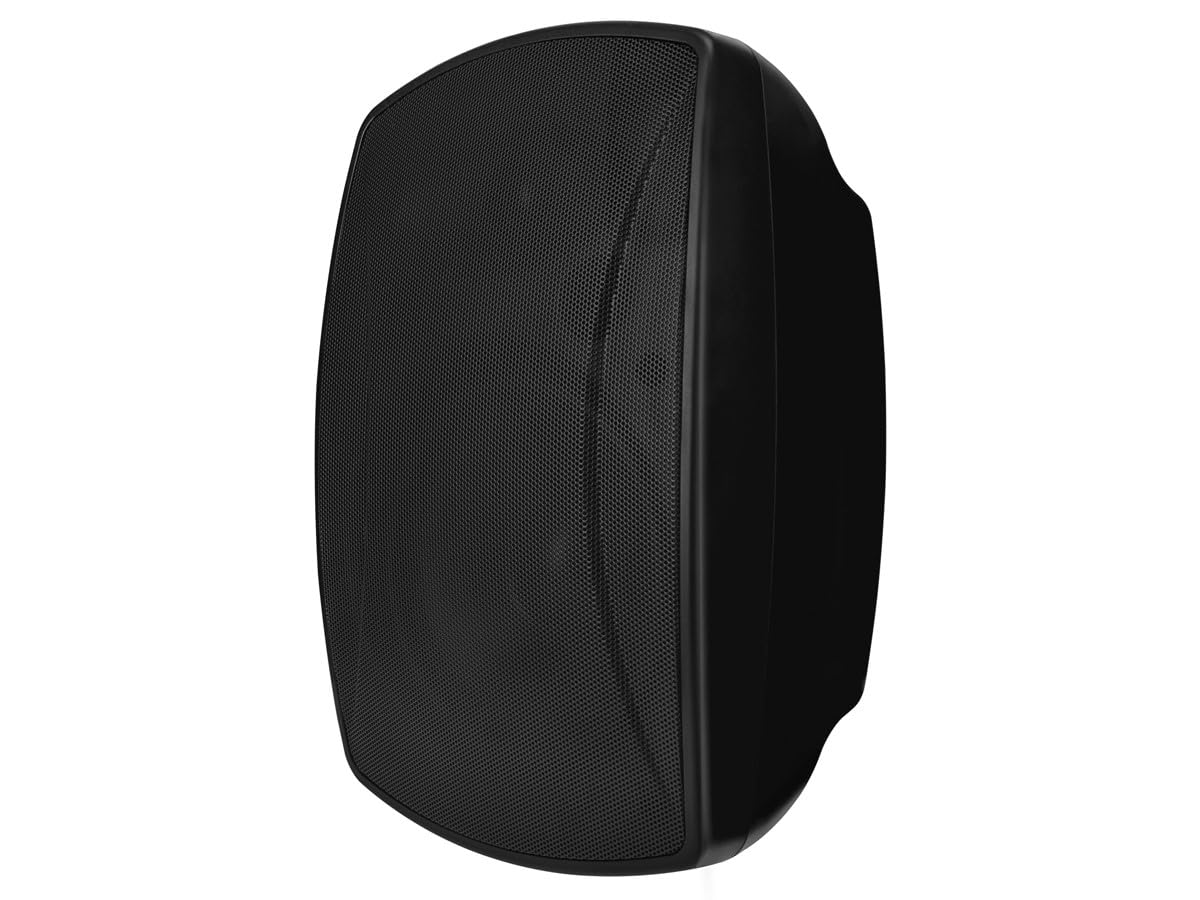
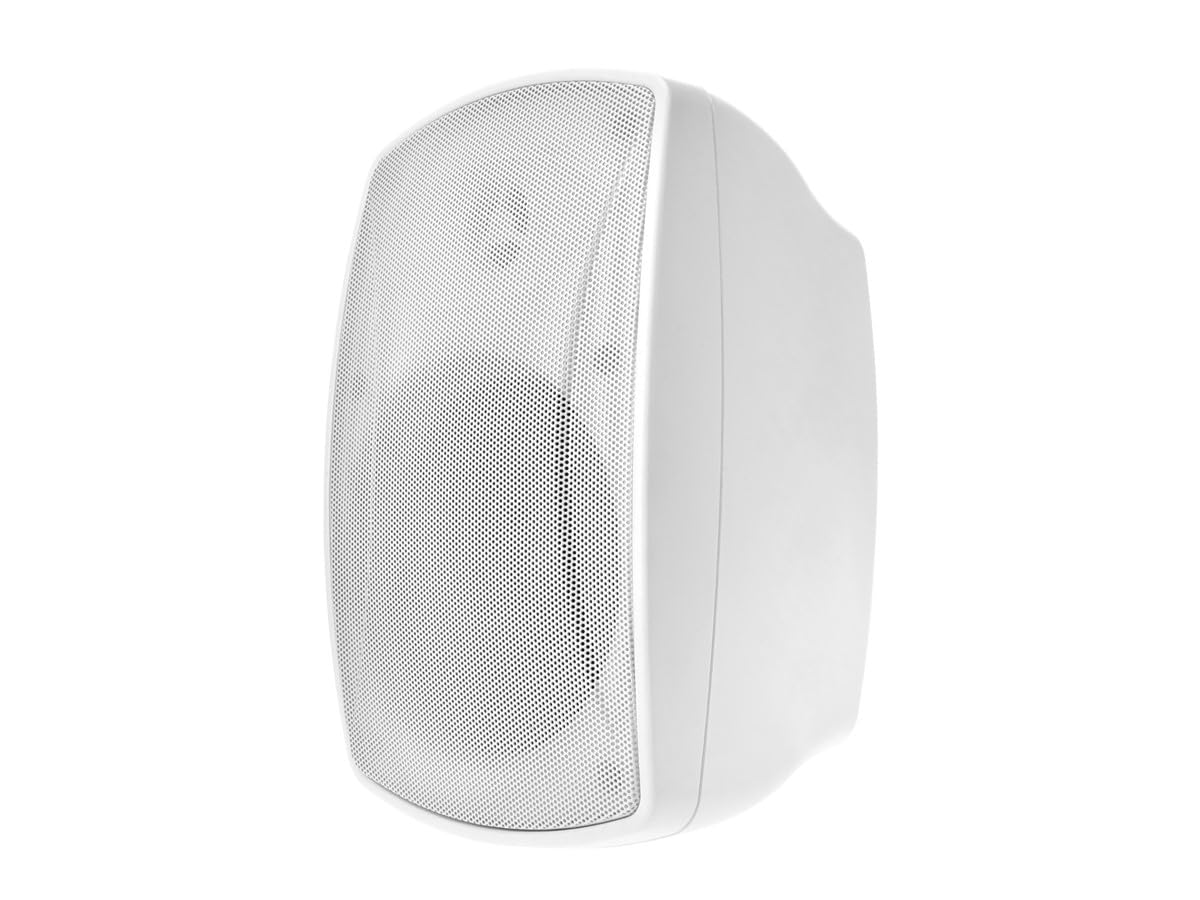
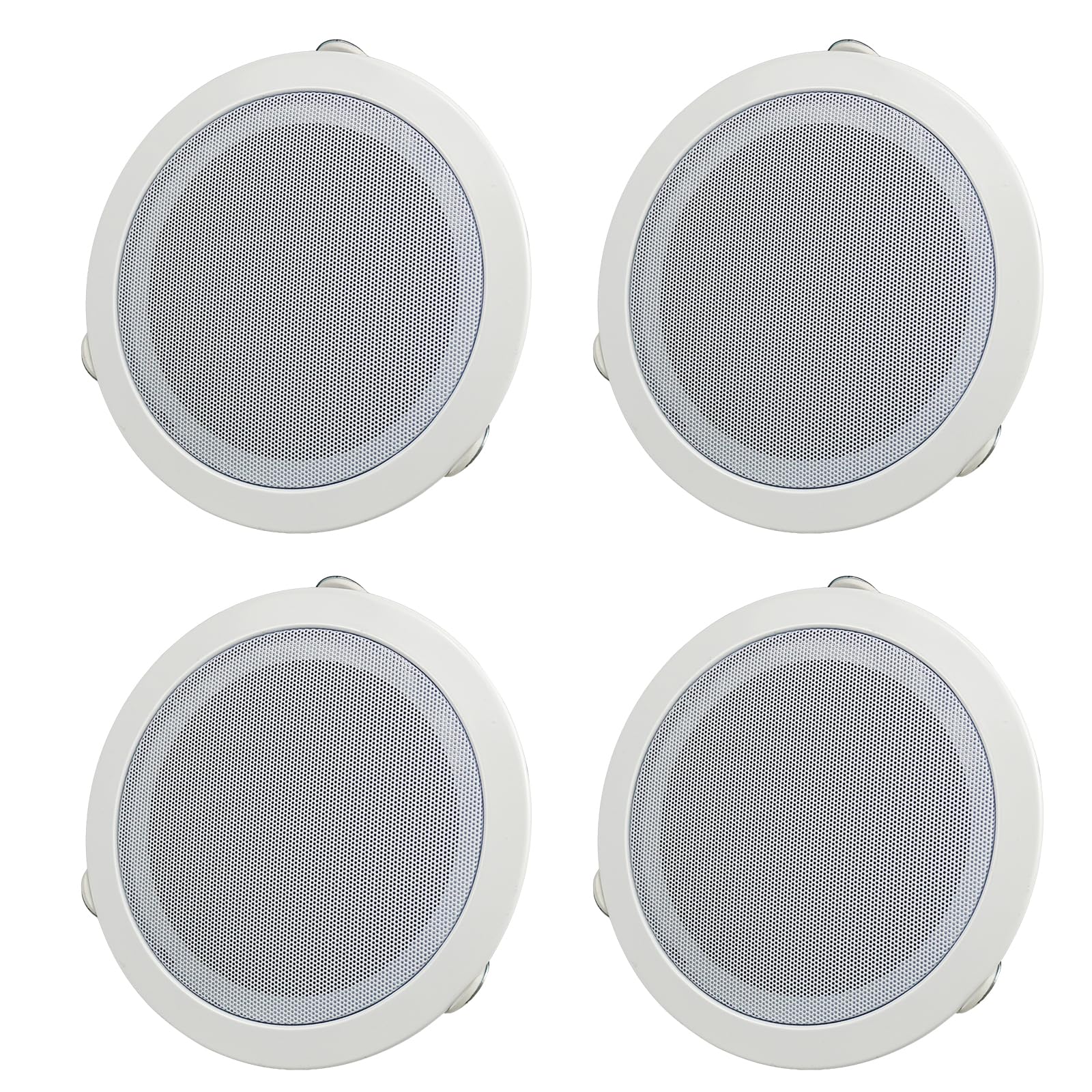
70v Speakers 101: The Basics
A 70 volt system, often written as 70V, is a way of sending audio from one amplifier to many speakers over long runs of ordinary speaker wire. The amplifier raises the signal to a high voltage, and a small transformer at each speaker steps it back down. High voltage means low current, and low current means the signal survives long wire runs with little loss, which is why shopping centers and restaurants use this design.
Each speaker has a tap setting, a dial or switch marked in watts, such as 1, 2, 5, or 10 watts. The tap decides how much power that speaker draws and therefore how loud it plays. Add up the taps of every speaker and keep the total below the amplifier rating, ideally with about 20 percent to spare. That simple sum is the core math of the whole system, and everything else in this guide builds on it.
Key Specs Explained in Plain English
Sound Quality and Tuning
Most 70 volt speakers are built for clear voices and pleasant background music rather than deep bass. Look at the frequency response range: a speaker that reaches down to around 80 to 100 Hz will sound full enough for music at modest volume, while one that stops at 150 Hz will sound thin. Driver size helps too, with 4 to 6.5 inch woofers giving warmer sound than small 3 inch drivers. For speech heavy spaces like classrooms, clarity in the midrange matters more than bass. If full range music is the priority, compare the options in our guide to the best sounding speakers to hear what a music first design emphasizes, then judge 70 volt models by how close they come at conversation friendly levels.
Amplifier Matching and Zone Control
The amplifier is the heart of the system, so choose it with the speakers rather than after them. Match total tap wattage to the amplifier rating with headroom to spare, and decide whether you need zones: separate areas with independent volume, such as a dining room and a patio. Some amplifiers add Bluetooth, USB, and microphone inputs, which suit small businesses that need paging as well as music. App control is rare in this category, so expect physical knobs and simple switches. A mixer amplifier with a microphone input is the practical default for most first systems.
Coverage, Placement, and Background Noise
Speakers do not cancel noise the way headphones do; they beat noise by coverage. Many speakers at low volume give even sound, while few speakers at high volume create hot spots and dead spots. For ceiling speakers in a room with a ceiling around 9 to 12 feet, space them so their coverage circles overlap slightly, often about 1 to 1.5 times the ceiling height apart. In a loud space such as a busy cafe, choose speakers with higher sensitivity ratings, because they play louder per watt and keep voices intelligible without pushing the amplifier hard.
Size, Weight, and Mounting Style
Comfort in this category means the right form for the job. In ceiling speakers disappear into the ceiling and suit finished interiors. Surface mount speakers attach to walls or beams with a bracket, aim where you point them, and install faster in rooms with hard ceilings. Pendant speakers hang down in high or open ceilings where a ceiling mount would sit too far above listeners. Weight matters for pendant and bracket installs, so confirm the mounting surface and hardware can carry the speaker safely before you buy.
Durability and Water Resistance (IP Rating)
Indoor speakers need no special rating, but outdoor and humid area models do. An IP rating such as IPX4 resists splashes, while higher ratings handle direct rain better; enclosed back boxes and rust proof grilles matter just as much outdoors. For patios, choose speakers sold as outdoor rated with sealed cabinets, and keep connections protected from standing water. In kitchens and restrooms, moisture resistant cones and grilles prevent the slow sagging and corrosion that ruin ordinary indoor speakers.
Rookie Mistakes to Avoid
- Tapping every speaker at maximum. High taps add up fast, overload a small amplifier, and make near speakers too loud; start low and raise only where needed.
- Forgetting the headroom rule. A system tapped to the exact amplifier rating runs hot and distorts; keep the total at about 80 percent of the rating or less.
- Mixing 70 volt and standard speakers on one run. A low impedance speaker wired into a 70 volt line can damage the amplifier and will play at the wrong level.
- Using wire that is too thin for a long run. Long runs need thicker wire to keep levels even between the first and last speaker on the line.
- Skipping the volume plan. Decide in advance which areas need separate volume controls, because adding zones after installation means new wire runs.
Getting Started: Setup and First Use
Begin on paper: sketch the room, mark speaker positions, and list the tap wattage for each one. Run wire from the amplifier to each speaker in a chain or in branches, connect each speaker transformer lead to the line, and set every tap before you power anything on. Start the amplifier at low volume, walk the whole space, and adjust taps until the level feels even from seat to seat. Keep the amplifier firmware and any streaming source updated if your amplifier supports it, and label each wire at the amplifier so future changes take minutes. For fixed commercial wiring, follow local electrical codes and use a licensed installer where the code requires one; never work on mains wiring with power connected.
Know the alternative before you commit. If your need is temporary or single room, a portable Bluetooth design may be simpler; our guide to the best portable speakers covers that route, and our roundup of the best bt speakers explains wireless options for one room listening.
FAQs
What IP rating do I need for outdoor 70v speakers?
For a covered patio, splash resistant outdoor rated speakers are usually enough, while fully exposed locations need higher ratings and sealed cabinets. The rating only covers the speaker itself, so protect wire connections as well. Also aim outdoor speakers slightly downward so rain sheds off the grille instead of pooling on the cone behind it.
Is ANC worth the extra cost in a 70v speaker system?
No, because active noise cancellation is a headphone feature and 70 volt speakers do not offer it. What replaces it here is coverage: more speakers playing quietly will always sound clearer in a noisy room than a few speakers fighting the noise at high volume. Spend the money on two extra speakers or a higher sensitivity model instead.
Do I need a special codec for a 70v speaker system?
No special codec is needed, because the speakers receive an analog signal over wire from the amplifier. Codecs only matter at the source, for example when you stream from a phone to a Bluetooth equipped amplifier. In that case, a stable connection and the music service quality affect sound far more than the codec name, so buy for amplifier features you will actually use.
How long does the battery last in a 70v speaker?
A 70 volt speaker has no battery at all, because it draws power continuously from the amplifier over the speaker wire. That is a strength for fixed installs: there is nothing to charge and nothing to wear out. Your runtime limit is simply the amplifier and your music source, which can run all day as long as the amplifier has ventilation and stays within its wattage rating.
Wired or wireless: which sounds better for a multi room setup?
For many speakers across a large space, wired 70 volt sound is more consistent, because every speaker receives the same full quality signal with no dropouts or sync delays. Wireless speakers win on convenience for one or two rooms and renters who cannot run wire. For a business that needs reliable all day background audio, the wired system is the safer long term choice.
The Bottom Line
Plan the coverage first, total the tap wattage second, and choose the amplifier with headroom third. Follow that order and a first system comes together without expensive corrections. The best 70v speakers for your space are the ones whose size, rating, and tap range fit that plan, so check your shortlist in the product table above against your room sketch before you order.


