
Best 12v Portable Tire Inflators (2026): Buying Guide
Disclosure: We may earn a commission when you buy through links on this page, at no extra cost to you. As an Amazon Associate I earn from qualifying purchases. Learn more

What to check before you buy the best 12v portable tire inflator: duty cycle, hose reach and pressure control, and which type fits your home.
A low tire warning rarely appears near a gas station air pump. It shows up in your driveway, at work, or partway through a trip, and driving on a soft tire wears the tread and hurts fuel use. Choosing the best 12v portable tire inflator means finding a unit that runs from your vehicle, fills your tire size at a steady pace, and stores easily between uses.
This guide skips named product reviews and focuses on how to choose well. You will compare the main types, the power and pressure figures that actually matter, and the fit checks for cars, trucks, SUVs, and bikes. The comparison table below sums up the key differences, and the sections after it explain each point in plain terms.

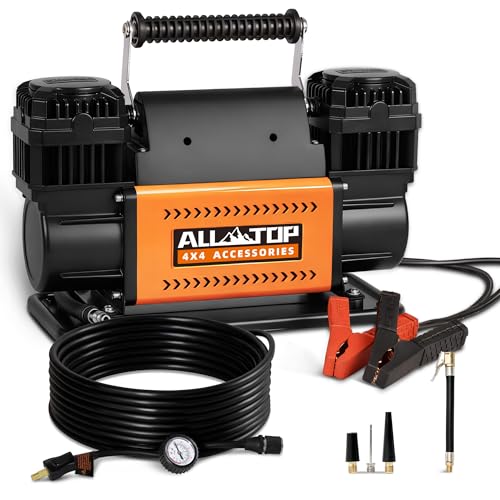


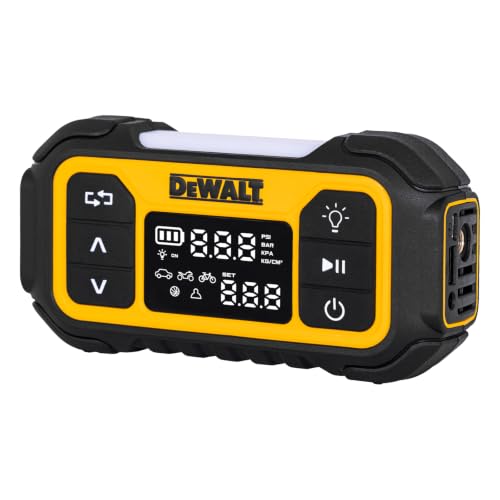

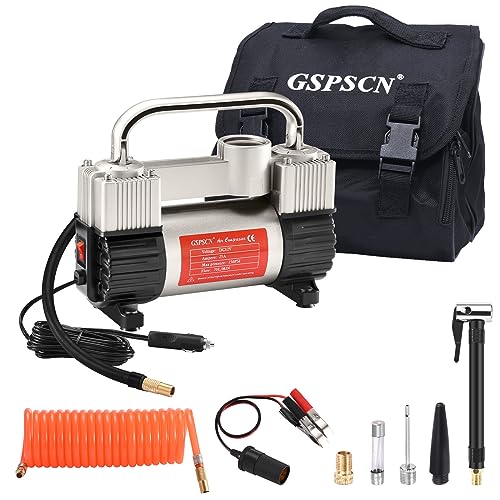
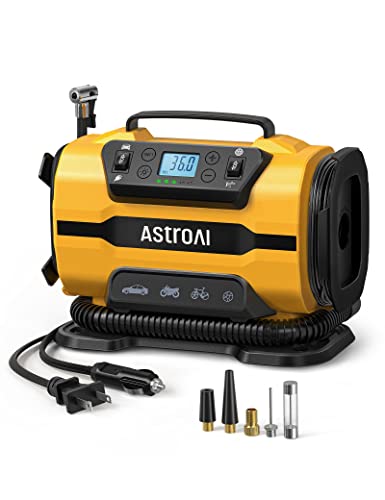
Types at a Glance
Most 12v inflators fall into three groups based on motor size and how long they can run at one time. The list below is a quick map. The next section explains who each group serves best, so you can narrow your choice before you study individual specs.
- Compact low amp units built for small car tires and quick top ups
- Mid range units with auto shut off and a work light for routine care
- Heavy duty units with stronger motors for large tires and longer runs
How the Three Types Compare for Everyday Use
Compact Units for Small Cars
Compact units draw modest power, weigh little, and fit in a glove box or a corner of the trunk. They suit drivers who mostly add a few pounds of pressure after a temperature drop or a slow leak check. If most of your driving is in a sedan or hatchback, see our guide to the best portable tire inflator for car for a closer look at smaller units. Expect slower fills, and expect a compact unit to struggle with wide or tall tires.
Mid Range Units for Routine Top Ups
Mid range units balance fill speed, size, and price for drivers who check pressure every month or so. Most add helpful controls such as a preset pressure with auto shut off, a clearer gauge, and a light for night use. They fill a typical car tire at a comfortable pace and still store in a small case. For a household with two cars, this group usually covers regular care without the bulk or cost of a heavy duty model.
Heavy Duty Units for Trucks and Large Tires
Heavy duty units use stronger motors and often connect straight to the battery with clips, since their power draw can exceed what a cabin outlet allows. They move more air, run longer before resting, and handle the larger air volume in truck and SUV tires. If your vehicle wears large tires, see our guide to the best portable tire inflator for suv for sizing points that apply to bigger wheels. The trade off is more weight, more noise, and a higher price.
How to Compare 12v Portable Tire Inflators
Judge any unit on five points: fit for your vehicle, fill speed for your tire size, pressure control, build quality that tolerates heat, and warranty support. Spec sheets from the maker and reports from verified owners are the most useful sources, since headline claims alone can mislead. For a broader view of the category beyond 12v models, see our guide to the best portable tire inflator.
How to Choose the Right Portable Tire Inflator
Type: What 12v Power Means for You
A 12v inflator takes power from your vehicle instead of a wall outlet or a battery pack you must charge ahead of time. Most plug into the round accessory outlet in the cabin, while stronger models use clips on the battery posts. This setup means the inflator is ready whenever your vehicle can run, with no charge level to track. It also means your working area is limited by cord length, a point the compatibility section covers next.
Features Worth Paying For
Auto shut off is worth paying for, since you set the target pressure and the unit stops on its own, which lowers the risk of overfilling. A digital gauge is easier to read in low light than a small dial, and an LED light helps when you kneel by a tire after dark. Extra nozzles for bike tires, balls, and air beds add real value if you use them. Skip headline extras you will not touch, such as extreme pressure claims far beyond tire needs or a power bank function you already own elsewhere.
Vehicle Compatibility
Car, truck, and SUV tires use Schrader valves, and any 12v inflator chuck should fit them. What varies is reach and power: add the cord and hose lengths together and confirm the total reaches your rear tires from the power source. Check your outlet fuse rating too, and pick clips for the battery if a unit draws more than the outlet allows. Small tires fill fast, so riders need fine pressure control; our guide to the best portable tire inflator for motorcycle covers that case in detail.
Setup and Connection Steps
Setup takes only a few minutes once you know the order. Park on level ground, start the engine, connect the power plug or clips, and press the chuck firmly onto the valve stem. Set your target using the pressure listed on the driver door placard, run the inflator, then confirm the reading with a separate gauge. For a full walkthrough with photos of each step, read how to use a portable tire inflator.
- Park on level ground and start the engine
- Connect the plug or battery clips before the air chuck
- Set the placard pressure as your target
- Run the unit, then confirm with a separate gauge
Power and Performance
Look past the maximum pressure number, since most car tires need only about 30 to 35 psi and a high ceiling says little about speed. Fill speed depends on airflow and tire volume, so a unit that feels quick on a compact car can feel slow on a truck tire. Duty cycle matters just as much: it states how long the motor can run before it needs a rest to cool. A longer duty cycle suits larger tires, while short cycles are fine for small top ups.
Warranty and Support
Coverage on small inflators is often brief, so read what the warranty promises before you buy. Look for at least a year of coverage, a clear claim process, and spare parts such as hoses, chucks, and fuses. A maker that sells those parts can extend the useful life of the whole unit. Keep your receipt, since proof of purchase speeds up any claim.
How Much Should You Spend?
Basic compact units cost under $30 and cover small car tires and slow, occasional top ups. The middle of the market, about $30 to $60, adds auto shut off, better gauges, and faster fills for routine care. Heavy duty units at about $60 to $120 bring stronger motors, longer duty cycles, and battery clips for large tires. Spend for the tire size you own today, not the largest tire you might own someday, and put any leftover budget toward a good separate gauge.
12v vs Other Portable Tire Inflators: Pros and Cons
The main strength of a 12v unit is readiness. It needs no charging, no wall outlet, and no trip to a service station, and it can sit in your trunk for months and still work when a tire runs low. Cost is a second strength, since the simple corded design tends to cost less than a comparable cordless model with a battery pack.
The limits are real too. You must stay near the vehicle, the cord sets your reach, and fill speed trails a large shop compressor. Cordless units free you from the cord but need charged packs, while a home compressor fills fast but cannot travel with you. If you are weighing the two garage tools directly, our comparison of tire inflator vs air compressor lays out the split in full.
Care, Storage, and Mistakes to Avoid
Let the unit cool before you pack it away, coil the cord and hose loosely, and store everything in its case so the chuck and nozzles stay put. Wipe dust from the air intake, check the hose for cracks, and test the chuck seal each season. A dry storage spot matters, since damp air can corrode the small metal parts inside the chuck over time.
- Running past the stated duty limit overheats the motor and can trigger a shutdown mid fill
- Setting pressure from the number on the tire sidewall overfills the tire, since that figure is a maximum and not a target
- Leaving the engine off during a long fill can drain a weak vehicle battery
- Pulling the chuck off at an angle bends the valve stem and can start a slow leak
- Stretching the cord tight to reach a rear tire strains the plug and can blow the outlet fuse
FAQ
What is the best 12v portable tire inflator?
The best choice depends on your tire size, your outlet fuse limit, and how often you fill. Drivers of small cars are served well by a compact or mid range unit with auto shut off, while truck and SUV owners need the airflow and duty cycle of a heavy duty model. Gauge accuracy deserves more weight than a huge maximum pressure figure, since daily driving depends on hitting a modest target pressure with care, not on reaching extreme numbers.
Are 12v portable tire inflators worth it?
Yes, for most drivers they earn their small cost and trunk space. A single roadside service call for a low tire can cost more than a basic unit, and the inflator also handles the slow pressure loss that comes with normal driving. Because a 12v model has no battery pack, it avoids the common cordless problem of finding a dead battery on the day you finally need the tool.
How long does a portable tire inflator last?
With light use and cool, dry storage, a portable tire inflator can serve for years. The parts that age first are usually the hose, which can crack, and the chuck seal, which can harden and start to leak air at the valve. Brush wear inside the motor shows up as slower fills and more noise. Replacing a worn hose or seal, when parts are sold, often restores a unit that otherwise still runs well.
Is a portable tire inflator worth it?
For anyone who drives far from a service station or checks pressure at home, yes. Tire pressure drops as air cools, at roughly 1 psi for every 10 degrees Fahrenheit, so autumn weather alone can leave all four tires low at once. Owning an inflator turns that seasonal fix into a few minutes in your own driveway. It also lets you recheck pressure the morning after a repair, when a slow leak would otherwise go unnoticed.
How do you clean a portable tire inflator?
Unplug the unit and let it cool, then wipe the housing with a dry or slightly damp cloth. Clear grit from the chuck with a soft brush, since trapped dirt can scratch a valve stem and cause a poor seal. If your model has an intake filter, tap it clean or rinse it only if the manual allows water. Never spray water into the motor vents, and let every part dry fully before you close the storage case.
What is the most reliable portable tire inflator brand?
No single brand wins for every buyer, and reliability claims are hard to verify across so many similar models. Judge a maker by signals you can check: a metal chuck instead of thin plastic, a stated duty cycle, a warranty you can actually use, and spare hoses and fuses sold openly. Owner reports about heat and long term use add useful context. A brand that supports older models with parts is a safer bet than one that sells sealed units only.
Final Thoughts
Match the type to your tires, confirm the cord and hose reach every wheel, and favor pressure control and duty cycle over headline pressure numbers. The product table above pulls those points together so you can compare at a glance. Chosen with care, the best 12v portable tire inflator for your vehicle is a small tool that quietly prevents big delays, season after season.


