Best 7 1/4 Inch Circular Saws (2026): Buying Guide
Disclosure: We may earn a commission when you buy through links on this page, at no extra cost to you. As an Amazon Associate I earn from qualifying purchases. Learn more

Choosing the best 7 1/4 inch circular saw? A 7 1/4 inch saw handles framing lumber, decking and plywood with one tool.
Walk into any lumber aisle and you will see circular saws in several blade sizes, and it is easy to grab the wrong one for the work you actually do. The best 7 1/4 inch circular saw for you depends on three things: power and performance, battery platform and runtime if you go cordless, and ergonomics and weight. This guide compares the main types in this size and walks through the specs that matter, and the comparison table below sums up the key differences.
If you are still weighing sizes, our overview of the best circular saw types covers the full range. Here we stay on the 7 1/4 inch class, the size that handles framing lumber, sheet goods, and deck boards without a second saw.


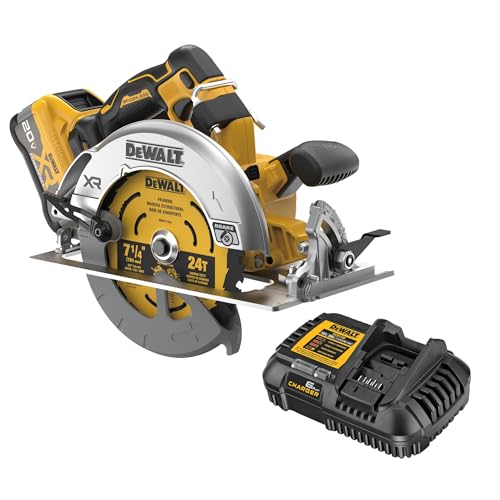


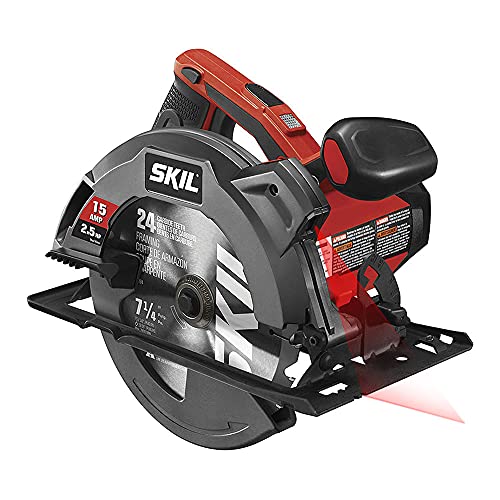
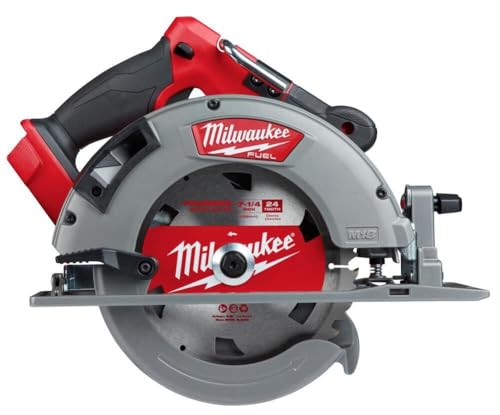

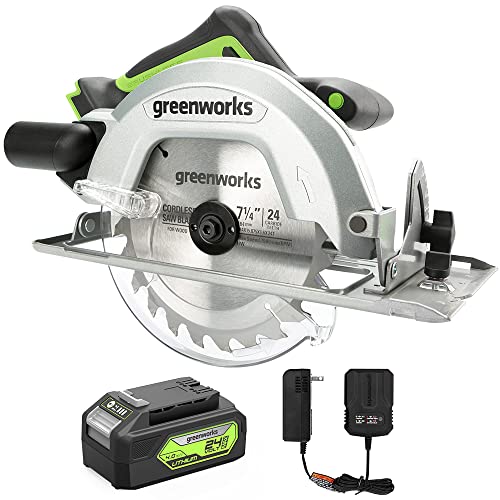

The Main Types in This Size, Compared
Instead of ranking individual models, it helps to start with the three layouts you will find in this blade size. Each layout suits a different kind of work, and the right choice shapes every other spec you compare afterward.
Corded Sidewinder Saws
A sidewinder mounts the motor beside the blade, which keeps the saw short, light, and simple. Corded versions draw steady power from an outlet, so the blade holds speed through long rips in thick stock without fading. If your work happens near power, in a garage or on a jobsite with cords already run, this layout gives you the lowest cost per cut. Our guide to the best corded circular saw options explains when a cord still beats a battery.
Cordless Sidewinder Saws
Cordless sidewinder saws use the same compact layout but run on a battery platform, usually 18 volt or 20 volt. Freedom from the cord matters most on ladders, roofs, and quick cuts far from an outlet. The trade is runtime: a standard battery may only finish a modest stack of cuts in dense material, so most buyers end up with two batteries and a fast charger.
Worm Drive Saws
A worm drive places the motor behind the blade and turns it through a gear set, which produces strong torque and a longer, narrower body. Framers like this layout because the blade sits in clear view on the left side and the saw plows through wet or treated lumber without slowing. The cost is weight, since these saws often run several pounds heavier than a sidewinder. If that torque sounds appealing, see our roundup of the best worm drive circular saw models.
What to Compare in This Size Class
Five criteria matter most: power and performance, battery platform and runtime, ergonomics and weight, durability of the shoe and guards, and warranty length. Published maker specifications and what owners report after months of use tell you most of what you need.
How to Choose the Right Circular Saw
Size and Form Factor
Blade size sets cutting depth, and depth decides what lumber you can finish in one pass. A 7 1/4 inch blade typically cuts about 2 3/8 inches deep at 90 degrees, which clears two inch framing lumber and most sheet goods with room to spare. Smaller 6 1/2 inch saws cut about 2 1/8 inches deep and feel nimbler, but they can fall short on doubled boards. Mini and compact saws trade depth for tight spaces, while this size stays the general purpose middle ground for home and jobsite work.
Power and Motor Type
Corded saws in this class usually run a motor rated around 15 amps, while cordless models are judged by voltage and how well the motor holds speed under load. Blade speed figures near 5,000 to 5,800 rpm are common, but speed alone does not tell you much, because a saw that slows and strains in wet pine will cut worse than the number suggests. Brushless motors in cordless saws waste less energy as heat, so they stretch runtime and tend to last longer before service. Match power to your thickest regular cut, not to the hardest cut you might make once.
Cordless vs Corded
Corded saws give you unlimited runtime, lower prices, and less weight in hand, since there is no battery hanging off the back. Cordless saws win on reach and safety around clutter, because a cord can snag, pull the saw off its line, or meet the blade. Many owners settle this by workload: all day ripping at a bench points to a cord, while punch list work and cuts scattered around a house point to a battery. If you already own tools on one battery platform, that fact alone can settle the question.
Battery Platform and Runtime
When you buy cordless, you are really buying into a battery platform, because the same packs will power your drill, impact driver, and future tools. Check the amp hour rating on the pack, since a 5 amp hour battery delivers far more cuts per charge than a compact 2 amp hour pack. Look at what the kit includes, because a saw sold bare, without a battery or charger, only saves money if you already own both.
Ergonomics and Weight
Most saws in this class weigh about 7 to 11 pounds, and that gap feels bigger than it sounds by the tenth overhead cut. Grip shape matters too: a handle that fills your hand without forcing your wrist to bend keeps the saw tracking straight. Check where the blade sits, because a left blade design lets most right handed users see the cut line without leaning over the saw.
Features Worth Paying For
A few extras earn their cost. An electric brake stops the blade in about two seconds after you release the trigger, which makes repeated cuts faster and safer. A laser guide or a cut line light helps beginners stay on a pencil mark, though neither replaces a straight edge for long rips. A rip fence that stores on the saw speeds up narrow cuts. Skip gimmicks you cannot picture using in your first five projects.
Accessories and Warranty
Budget for the blade as well as the saw, because the blade packed in the box is often a rough framing blade that splinters plywood. A finer tooth blade for sheet goods covers most home work and costs far less than rebuying cut material. Read the warranty terms, since coverage in this class ranges from one year to three years or more, and keep your receipt, because warranty service usually starts with proof of purchase.
How Much Should You Spend?
Under $100 usually buys a corded saw with basic controls and a stamped steel shoe, fine for occasional weekend work. About $100 to $200 is where cordless kits with a battery and charger appear, along with cast shoes and electric brakes. About $200 to $300 buys stronger cordless models, worm drive layouts, and longer warranties. Spending past that point mostly serves pros, so home users often get better value from blades and a second battery.
Is a 7 1/4 Inch Circular Saw the Right Size for You?
This size earns its popularity because one saw covers framing, decking, and sheet goods without a second tool. Choose it if you cut two inch lumber often, break down plywood, or build outdoor projects from treated stock. Pick a smaller saw instead if nearly all your work is trim or cuts in tight cabinets, where a big shoe gets in the way. Also think about the next tool over: our comparison of circular saw vs miter saw explains when repeated crosscuts belong on a miter saw instead.
Common Mistakes to Avoid
- Buying on blade speed alone, then finding the saw bogs down in the thick stock you cut most.
- Grabbing a bare cordless saw with no battery or charger in the box, which turns a bargain into a second purchase.
- Ignoring blade side, so the cut line hides behind the motor on every cut you make.
- Skipping a finer blade for plywood, which leaves splintered edges that no sanding fully hides.
- Choosing the heaviest saw for work overhead, where extra pounds tire your arm and wander the cut.
Care and Maintenance
Unplug the saw or remove the battery before any care, and let the blade stop fully. Brush sawdust out of the motor vents and the lower guard after each session, because packed dust traps heat and can keep the guard from snapping back. Wipe pitch off the blade with a blade cleaner when cuts start to burn or wander, and check the shoe for bends if the saw ever drops. Store the saw with the blade guard closed and the cord loosely coiled, and read our guide on how to use a circular saw for the safe handling habits that keep both you and the tool in good shape.
FAQs
What is the best 7 1/4 inch circular saw for a beginner?
Start with a corded sidewinder or a cordless kit from a platform you may expand later. Look for clear depth markings, an easy to read bevel scale, and a shoe that sits flat without rocking. Avoid the very cheapest saws with vague scales, since you will spend your early projects fighting the tool instead of learning to guide it.
What size circular saw do I need for plywood and framing?
One saw in this size handles both jobs, but the blade should change with the task. Use a blade with more teeth, often 40 or 60, for plywood so the veneer edges stay clean, and a blade with fewer teeth, often 24, for fast framing cuts. Support the sheet on foam board or sawhorses so the offcut cannot pinch the blade. If you only cut thin panels and trim, a smaller saw is easier to handle and costs less.
How long does a circular saw last?
A cared for saw in this class often serves a home user for a decade or more, while pros may wear one out in a few years of daily use. Brushes on older corded motors are the usual wear item, and battery packs fade sooner than the saw itself, typically after a few hundred charge cycles. Clear end of life signs are a bent shoe, a guard that sticks open, or a motor that smells hot on light cuts.
Is a circular saw worth it if you own a miter saw?
Yes, because the two tools cover different cuts. A miter saw only cuts boards that fit on its base, while a circular saw travels to large sheets, long rips, and work already installed, such as trimming a door in place or cutting a deck board at the far end of the yard. If your projects involve plywood sheets or lumber longer than about eight feet, the circular saw fills a gap the miter saw cannot reach.
How do you clean a circular saw?
Start with the blade removed, then soak it briefly in a blade cleaning solution and scrub pitch away with a nylon brush, because pitch buildup adds friction and heat. Blow dust from the vents and guard pivot with short bursts of air, and move the lower guard by hand to confirm it springs shut. Never wash the motor housing with water, and skip oil on the guard pivot, since oil grabs sawdust and makes sticking worse.
Which safety gear matters most with a circular saw?
Eye protection comes first, because this saw throws chips toward your face on nearly every cut. Hearing protection matters on long sessions, since these saws run loud enough to tire your ears. Skip gloves while cutting, because a glove can catch and pull your hand toward the blade, but do clamp the work so both hands stay on the saw. If you feel dizzy, rushed, or unsure of a cut, stop and reset the setup rather than pushing through.
Final Thoughts
The right choice comes down to layout and power source, not a long spec sheet. Corded sidewinders suit bench and garage work, cordless kits suit scattered cuts, and worm drive saws suit heavy framing. Weigh the battery platform you may already own, the weight you can handle overhead, and the depth this size gives you on framing lumber. Compare the shortlist in the product table above, and you will land on the best 7 1/4 inch circular saw for the way you actually build.