
Best 6x8 door speakers 2026: Types Compared and How to Choose
Disclosure: We may earn a commission when you buy through links on this page, at no extra cost to you. As an Amazon Associate I earn from qualifying purchases. Learn more

Mounting depth, sensitivity, and moisture resistance explained to help you choose the best 6x8 door speakers for your vehicle.
A 6x8 inch oval is one of the most common factory door speaker sizes, found in many Ford, Mazda, and other vehicles, and a fresh pair can make a tired door sound whole again. This guide to the best 6x8 door speakers explains how to check fit, match power, and choose the right design, so you can upgrade without surprises.
The product table right after this introduction lists current options side by side. Use it with the checklist below, because mounting depth, sensitivity, and moisture resistance matter more in a door than a long list of features.


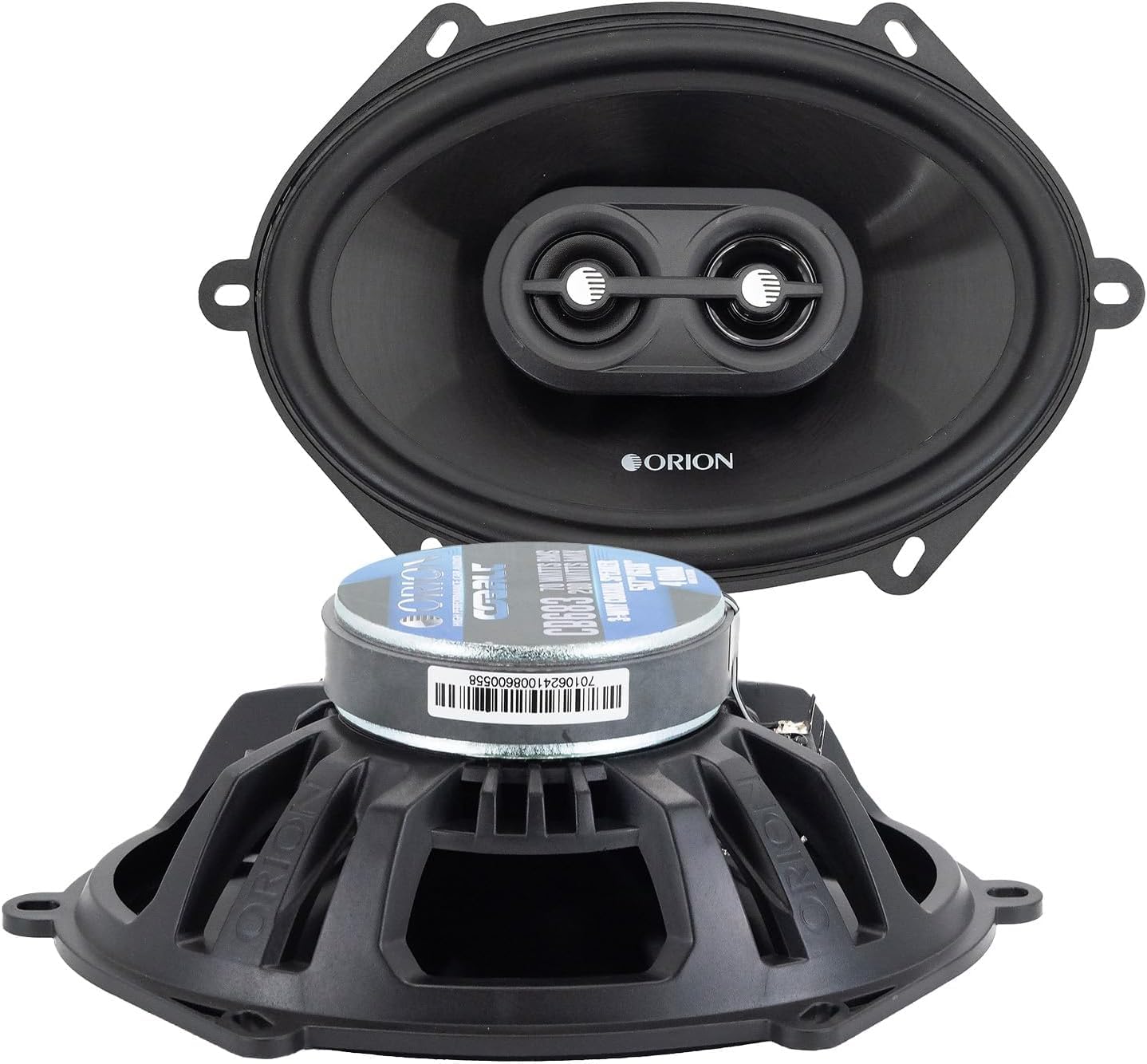
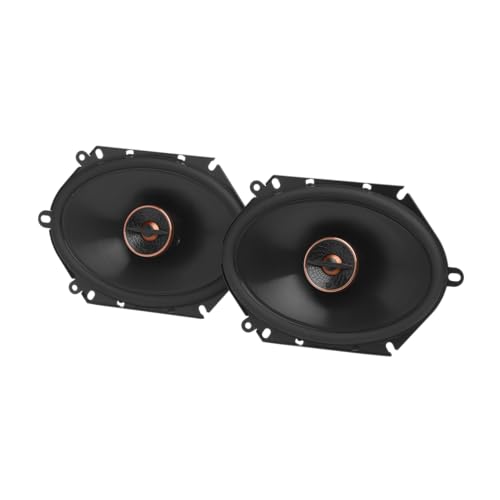
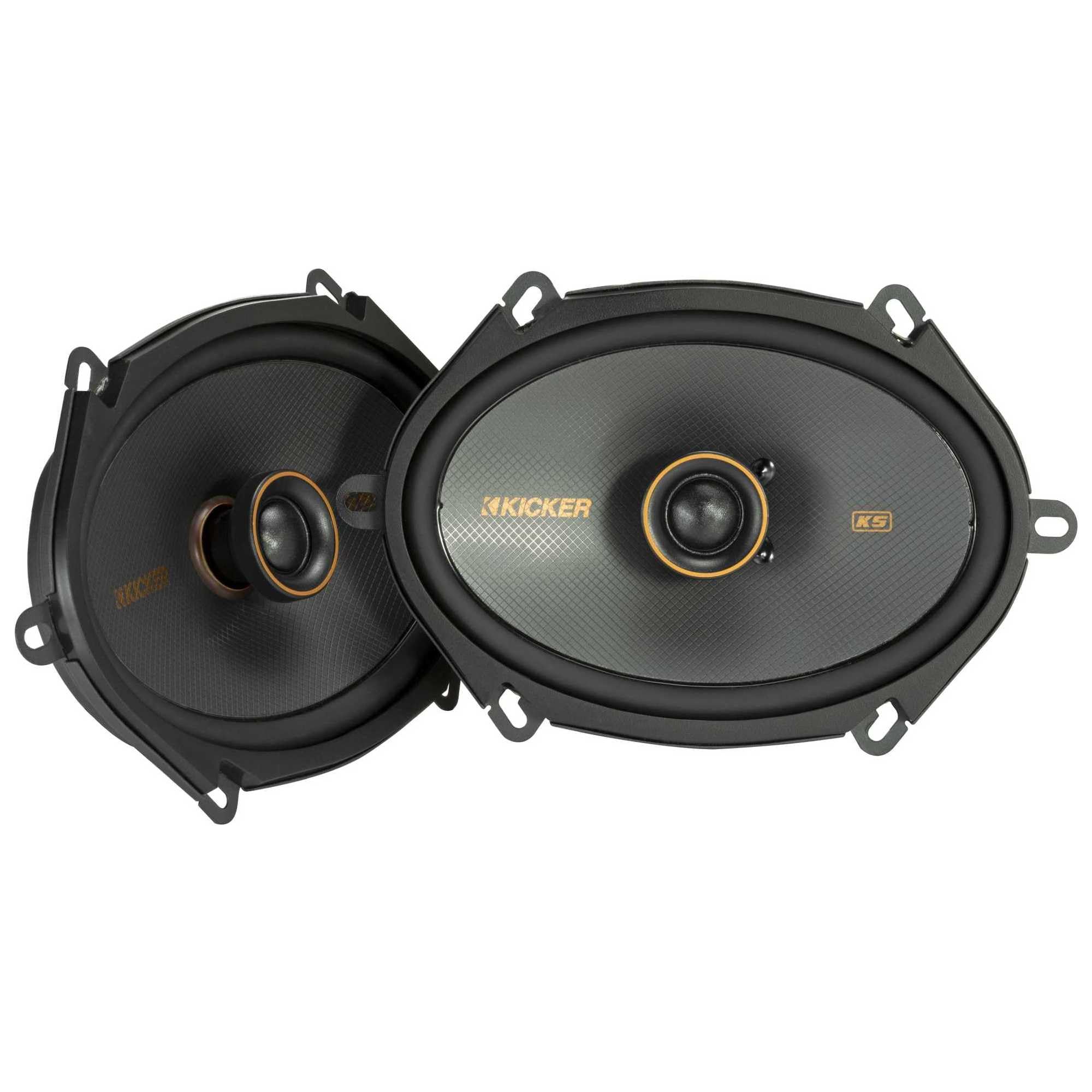
Who Should Buy the Best 6x8 Door Speakers
Different drivers need different strengths from a door speaker. Find the group closest to you and use its notes as a filter.
Car Owners Replacing Factory Speakers
A 6x8 size often fits the original opening, but always check depth and mounting holes before ordering. Worn foam surrounds, cracked cones, and crackling at low volume are the usual signs that replacement is due.
Bass Lovers
Larger door speakers can add midbass, yet door sealing and damping matter as much as the speaker itself. A rubber surround and a stiff cone help, and a small subwoofer covers the deepest notes.
First Time Installers
Choose a model with clear wiring guidance and buy the plug in harness adapter for your vehicle, so you do not need to cut factory wires.
Types of 6x8 Door Speakers Compared
The table below summarizes the main designs. No single type suits every door, so weigh the trade offs against your vehicle and your power source.
| Type | Best For | Watch For |
|---|---|---|
| Coaxial | Simple replacement | Check the tweeter angle for your listening position. |
| Component | Detailed sound | Plan where the separate tweeter will mount. |
| Shallow mount | Tight door cavities | Confirm depth against the window mechanism. |
If two types both look suitable, choose the one that matches your installation skill and your power source, not the one with the longest feature list.
Key Features to Check
Work through this checklist in order and mark any deal breaker before you look at prices.
- Mounting depth and clearance behind the door panel and window glass.
- RMS power handling matched to your head unit or amplifier.
- Sensitivity, which decides loudness on factory power.
- Moisture resistance for a cavity that gets wet.
- Adapter rings and wiring harnesses for your vehicle.
Sensitivity and Power
Factory radios deliver only about 15 to 25 watts per channel, so a speaker with sensitivity near 90 dB or higher plays loudly without an amplifier. If you plan to add an amplifier, match the speaker RMS rating to its per channel output and ignore peak watt claims, which describe a short burst.
Cone, Surround, and Tweeter
Polypropylene cones and rubber surrounds tolerate the humidity and heat inside a door better than paper and foam. Silk or soft dome tweeters sound smoother than hard metal domes at low door height, and a swivel tweeter lets you aim highs toward your ears.
Fit and Compatibility
Confirm your vehicle year, body style, and trim in a fitment guide, because the same model can carry different factory speakers. Measure the depth behind the old speaker to the window glass at its lowest point and leave a few millimeters of margin. Many 5x7 openings accept 6x8 pairs with an adapter plate, but the plate adds height, so check the grille clearance as well.
Moisture, Heat, and Door Life
A door is a harsh home for a speaker. Rain runs down the glass and drips into the cavity, summer heat soaks the panel, and the door slams hundreds of times a year. Treated cones and rubber surrounds shrug off that treatment, while plain paper cones and foam surrounds soften and crumble. Clear the drain holes at the bottom of the door, fit the factory water shield or a foam baffle behind the speaker, and avoid hosing out the door interior when you wash the car.
Sound Staging and Tweeter Position
Door speakers sit low, so the sound can seem to come from your ankles. A coaxial pair with a pivoting tweeter lets you aim the highs upward, and a component set lets you mount the tweeters higher on the door top or the A pillar. Even small changes in aim shift the sound toward the dash, which makes voices and guitars feel in front of you instead of beside you. Try temporary tape mounts before you drill or cut anything.
Why Sealing Beats Spending
The door is the speaker enclosure, so gaps and loose trim decide how much bass reaches you. A foam ring between the speaker and the panel, a layer of deadening on the outer skin, and tight panel clips often improve midbass more than moving up one speaker price tier. Do this work while the panel is off, and the same speakers will sound noticeably fuller.
Installation and Care
Disconnect the negative battery terminal, remove the door panel, unplug the old speaker, and connect the new pair through harness adapters with correct polarity. Photograph the wiring first, and try the new speaker before the panel goes back on. Keep door drain holes clear, fit a foam baffle or the factory water shield behind the speaker, and recheck screws after the first few weeks.
Seek professional help if you are unsure about airbag wiring in the door or if the factory system has a separate amplifier you cannot identify.
Budget Guidance
Plan about $40 to $200 per pair. Pairs near the low end suit daily drivers and work trucks, mid priced pairs add stiffer cones and smoother tweeters, and higher priced pairs reward an amplifier and a sealed door. Add roughly $20 to $40 for adapters and panel clips, and about $50 to $100 for sound deadening if you want the full benefit.
Related Guides
For nearby choices, see best 6x8 door speakers for bass, best 6x8 car door speakers, best door speakers, best 6x8 speakers, and best door speakers for bass.
Frequently Asked Questions
Will 6x8 speakers fit my door?
They fit if your vehicle has 6x8 or 5x7 door openings and the depth clears the window track. Check a fitment guide for your exact year and trim, then compare the speaker depth with the space behind your current unit.
Do I need an amplifier?
No. High sensitivity pairs sound good from a factory radio. An amplifier adds headroom and cleaner bass if you want more volume.
Coaxial or component for a door?
Coaxial pairs are simpler and suit most upgrades. Component sets give better imaging when you can mount the tweeters higher, but they take longer to install.
How long do door speakers last?
A well chosen pair lasts roughly eight to ten years. Moisture and heat do most of the damage, so rubber surrounds and a baffle behind the speaker extend life.
When should I get professional help?
Choose a professional if your doors contain airbags, if the panels are brittle, or if the factory system has a separate amplifier. A shop also checks polarity on both sides.
Final Thoughts
Measure first, match sensitivity and RMS power to your source, and choose materials that survive door moisture. That order of checks leads to a pair you will still like after months of daily driving.
Compare current options in the product table with your measurements in hand, and the best 6x8 door speakers for your vehicle will stand out quickly.


