
Best 6x4 Car Speakers: Buying Guide for 2026
Disclosure: We may earn a commission when you buy through links on this page, at no extra cost to you. As an Amazon Associate I earn from qualifying purchases. Learn more

A buying guide to the best 6x4 car speakers: fitment, RMS power, sensitivity, cone materials, and simple install steps for older cars.
The 6x4 inch speaker size lives in older cars, compact dashboards, rear shelves, and some motorcycle and utility applications, where a round speaker simply will not fit. Because the size is uncommon, listings are fewer, specs are murkier, and buying the wrong depth or impedance wastes a weekend. This guide walks you through fitment, power matching, and materials so you can choose the best 6x4 car speakers with confidence the first time.
You will learn what each price tier realistically delivers, which specifications predict sound quality, and which ones are marketing padding. Use the comparison table below to see current options side by side, then apply the buying guide sections to your own car, your head unit, and your listening habits before you order.


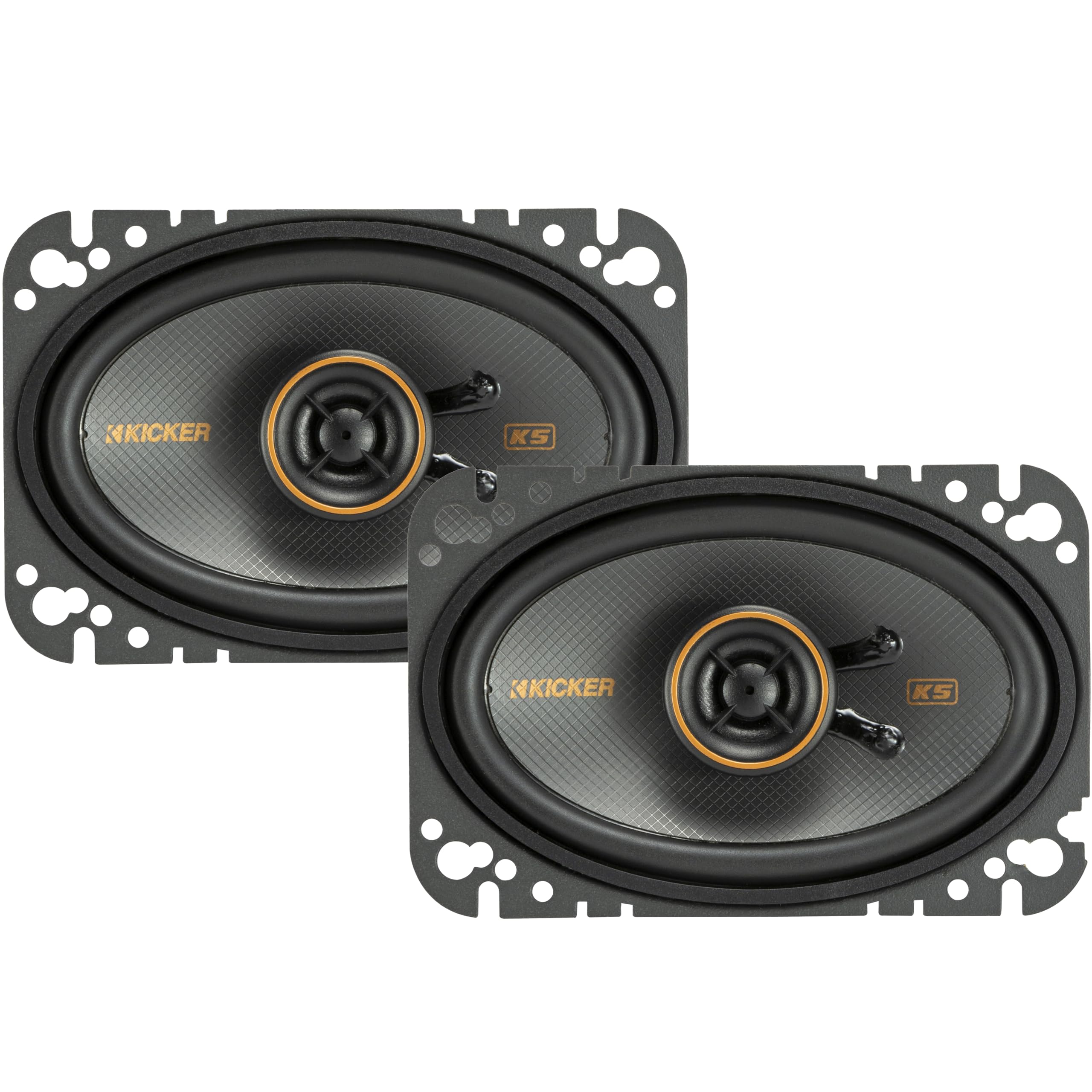


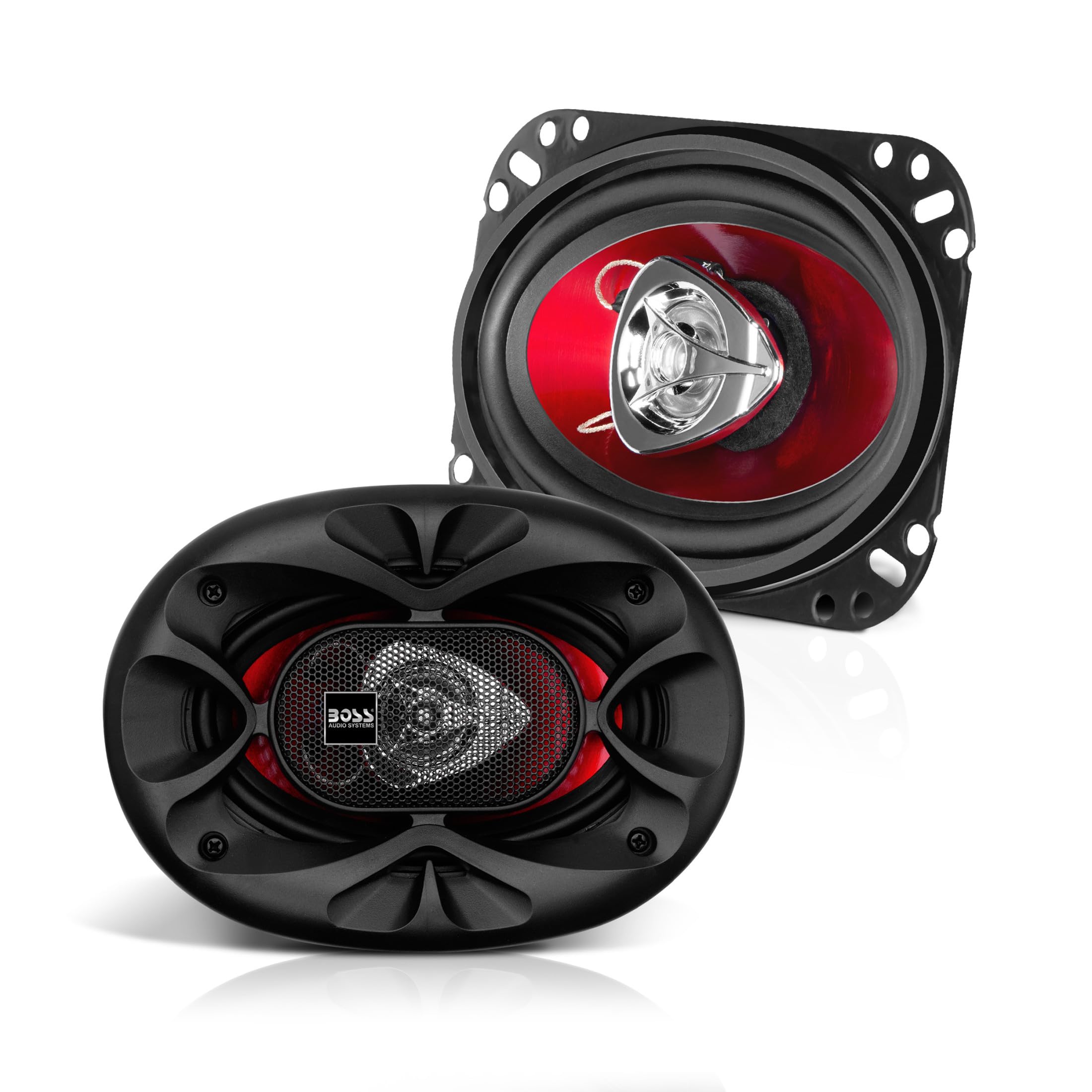

What Each Tier Should Deliver
Because fit and specifications matter more than a badge, use these tier descriptions as your shortlist filter. Any speaker that misses its tier promises is one to skip.
All Around Tier
The strongest all around 6x4 speakers, usually around $80 to $150 per pair, pair a stiff yet light cone with a real tweeter, honest RMS ratings, and sensitivity high enough to sound lively on factory power. Expect clear vocals, controlled bass for the size, and mounting hardware that fits common factory holes. The limit is physics: a small oval cone cannot move air like a larger round speaker, so deep bass still needs help from a subwoofer.
Value Tier
Value pairs, around $40 to $70, focus on efficiency and durability over refinement. They are a clear step up from worn factory speakers, with crisper highs and less distortion at highway volume. Materials are simpler and crossovers, when present, are basic. For a daily driver or a work truck, this tier restores enjoyable sound without inviting theft attention. Spend leftover budget on sound deadening pads for the mounting surface, which improves midbass more than a pricier speaker in a rattly door.
Upgrade Tier
Upgrade tier speakers, around $150 and up, add better tweeters, stronger magnets, and cones built for an external amplifier. With clean power of about 30 to 60 watts RMS per channel, they play louder with less strain and hold detail at volume. They reward careful installation, solid mounting, and correct polarity. If you never plan to add an amplifier, this tier is wasted money, because factory head units cannot feed them what they need.
How to Choose the Best 6x4 Car Speakers: Buying Guide
Vehicle Compatibility
Confirm your car actually uses the 6x4 size, because this oval size is also sold as 4x6 inch, while neighboring sizes such as 5x7 are not interchangeable. Measure the factory speaker and the mounting depth behind it, since magnets on better speakers are deeper and can hit window glass or trim. Check the screw hole pattern too, as some cars use tabs or brackets. Fitment guides from reputable sellers help, but a tape measure on your own car settles every argument.
Features and Extras
Look for useful extras such as included grilles, wiring adapters that match your car harness, and foam gaskets that seal the speaker to its mounting surface. A swiveling tweeter helps when speakers sit low in doors, aiming highs toward your ears. Built in crossovers that keep bass out of the tweeter protect it and clean up the sound. Skip flashy extras like light rings, which add cost and failure points without improving music.
Ease of Installation
Most 6x4 swaps are simple: remove a panel or shelf cover, unplug the factory speaker, and connect the new one with adapters that avoid cutting wires. Budget about an hour per pair the first time, less with practice. Shallow mount models exist for tight dashboards and are worth seeking if depth is limited. Take photos of factory wiring before you unplug anything, so polarity and bracket orientation go back together correctly.
Warranty and Brand Support
A warranty of at least one year is standard from established audio brands, and longer coverage signals confidence in surrounds and voice coils. Buy from sellers who accept returns after a listening trial in your own car, because specs cannot tell you whether you like a tweeter tone. Keep packaging until you have driven with the speakers for a week. Support matters more in this niche size, since replacement stock can be limited.
Build Quality and Weather Resistance
Cones made of polypropylene or treated fiber resist the humidity and temperature swings inside car doors far better than untreated paper. Rubber surrounds outlast foam, which crumbles with age and sun exposure. In convertibles, boats used on trailers, or door locations that see water drips, look for marine rated construction and stainless hardware. Solid baskets that do not flex when you twist them lightly keep the voice coil aligned and the sound clean.
Safety Features
Speaker safety is mostly electrical common sense. Disconnect the negative battery terminal before wiring audio, so a slipped tool cannot short a live circuit. Match impedance, usually 4 ohms, to what your head unit or amplifier expects, because a lower load can overheat an amplifier. Secure every wire away from sharp metal edges and moving window parts. If you smell hot electronics or hear crackling at low volume, stop and recheck connections before driving on.
Types of 6x4 Car Speakers
Premium Options
Premium 6x4 speakers use silk or metal dome tweeters, refined crossovers, and cones tuned for smooth response. They suit listeners who value vocal clarity and listen for long stretches. Their weakness is cost relative to size, and they often need amplifier power to justify themselves. Choose premium when the rest of your system, especially your source, is already strong, a topic our guide to the best sounding car speakers explores in depth.
Pro Grade Options
Pro grade options chase output: high sensitivity, strong power handling, and durable parts built for loud, clean playback. Installers use them in show cars and work vehicles where volume over road noise is the priority. They can sound harsh at low volume if tuned purely for loudness. If your goal is maximum clean volume with an amplifier, this is your category, and our guide to the best 6x4 speakers compares the size class more broadly.
Budget and DIY Options
Budget options keep the job simple: efficient designs that run happily on factory power, basic but honest materials, and prices around $40 or less per pair. They are ideal for restoring sound in an older car you are fixing up yourself. Expect modest bass and tweeters that get grainy at high volume. As a first audio project, they teach installation skills on forgiving hardware before you invest in better gear.
Compact and Shallow Options
Shallow mount 6x4 speakers solve the tight spaces this size often occupies, such as thin dashboards and crowded rear decks. Shorter magnets and compact baskets trade a little bass output for a fit where standard speakers cannot go. Measure twice here, because a few millimeters decide success. If bass matters, plan to add low end later through the options in our guide to the best sub speakers for car, rather than forcing a deep speaker into a shallow hole.
Tips to Get the Most From Your 6x4 Car Speaker
- Disconnect the battery before wiring, and reconnect only after every connection is insulated and secure.
- Match RMS ratings, not peak watts, between speakers and your head unit or amplifier for honest power pairing.
- Add sound deadening pads behind the speaker to cut panel rattle and tighten midbass response.
- Check polarity on both sides with a reference track, because one reversed speaker cancels bass noticeably.
- Set gains and tone controls flat first, then adjust in small steps after a day of normal listening.
- Break speakers in with moderate volume for the first hours, since stiff new surrounds loosen slightly with use.
Listeners planning a full system should also read our guide to the best car stereo speakers for staging advice, and our guide to the best car radio speakers if the head unit itself is your next upgrade.
6x4 Car Speakers: Your Questions Answered
What specs matter most for 6x4 car speakers?
Sensitivity and RMS power handling matter most, because they predict how loud and how clean the speaker plays on your actual power. Aim for sensitivity around 88 dB or higher for factory head units. Frequency response figures help only when given with a tolerance range. Cone and surround materials round out the picture, since they decide how long the speaker survives door heat and moisture.
Do I need professional installation for car speakers?
Most owners can install 6x4 speakers with basic tools, a panel removal kit, and wiring adapters for their car. The job is easier than amplifier work and rarely needs drilling. Choose a professional when panels are fragile, airbags sit inside the doors, or depth problems require custom spacers. A shop install typically costs around $75 to $150 per pair and includes a polarity and rattle check.
How long do 6x4 car speakers last?
Quality speakers commonly last 8 to 12 years, with surrounds and heat exposure deciding the end. Rubber surrounds and moisture resistant cones sit at the long end of that range. Foam surrounds may crumble in about 5 to 7 years in hot climates. Distortion at modest volume, buzzing on bass notes, or one side sounding dull are signs that replacement time has arrived.
Will 6x4 speakers fit my vehicle?
They fit only vehicles designed for the 6x4 size or adapted with the correct brackets, so verify before ordering. Measure your factory speakers, including depth and hole spacing, and compare them with the published dimensions of any candidate. Remember that 6x4 and 4x6 describe the same oval size, so search for both when you shop. Your car manual or a dealer parts diagram can confirm the factory size when panels hide the speakers.
The Bottom Line
Confirm fit and depth first, match RMS power and sensitivity to your source second, and choose durable cone and surround materials third. The product table above puts current options in one view so those checks take minutes. Picked with that order of priorities, the best 6x4 car speakers wake up an older car stereo dramatically, turning a tired factory sound into clear, lively music for every drive.


