
Best 6x4 Speakers at Every Price: What Your Money Really Gets You for 2026
Disclosure: We may earn a commission when you buy through links on this page, at no extra cost to you. As an Amazon Associate I earn from qualifying purchases. Learn more

A buying guide to the best 6x4 speakers, covering price tiers, driver materials, power handling, fit checks and the features worth paying for.
A pair of 6 by 4 inch speakers can cost under $30 or well over $200, and the price gap is not just about loudness. Materials, power handling and mounting depth all change as you spend more, and some upgrades matter far more than others. This guide to the best 6x4 speakers shows you what each budget level should deliver, so you can spend on the things you will actually hear.
The 6x4 size is an older fitment found in classic cars, some imports and a few compact models, which means supply is narrower than for common round sizes. The comparison table below gathers current options in one place. Before you compare prices, measure your mounting location, because a speaker that does not fit the opening is a bad buy at any price.


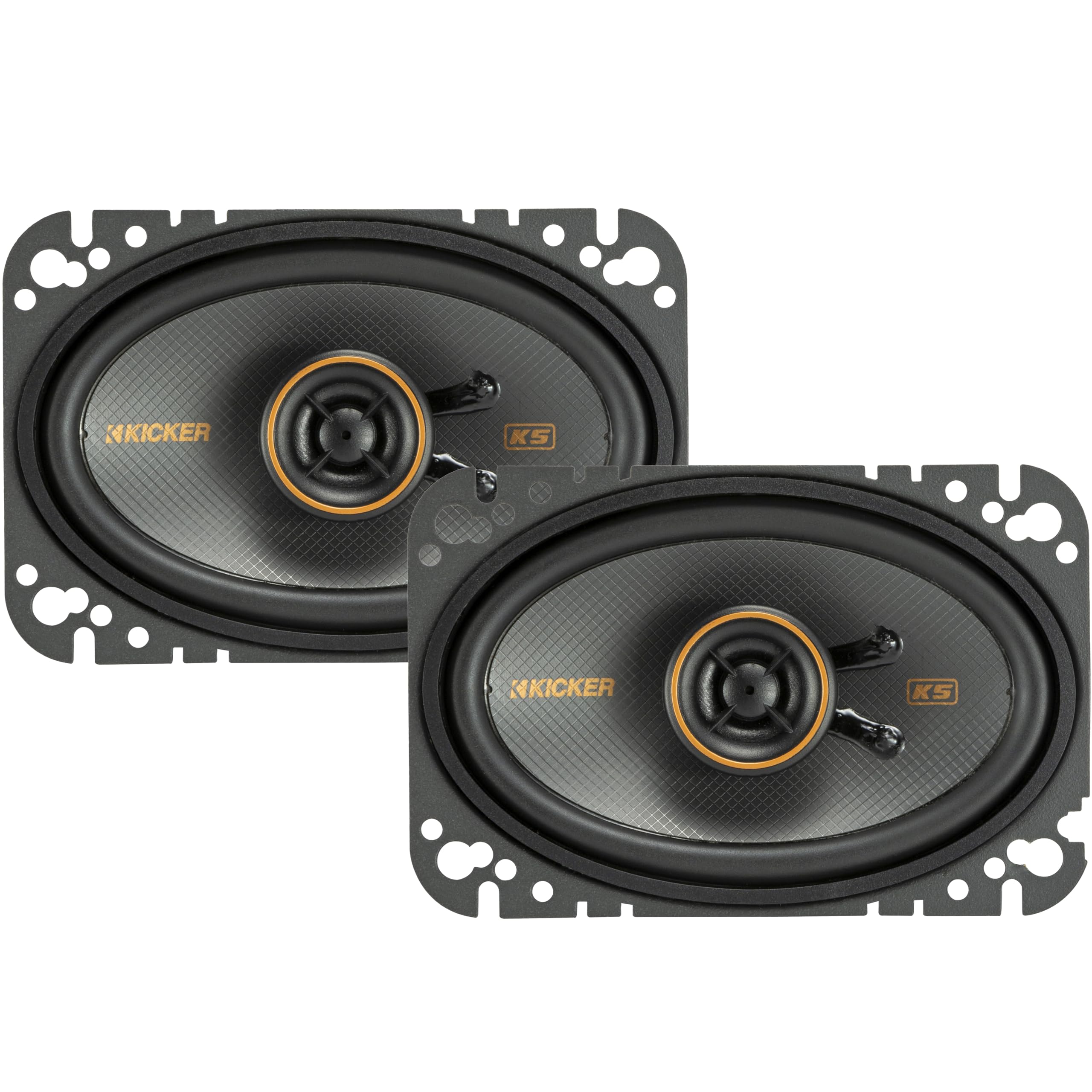


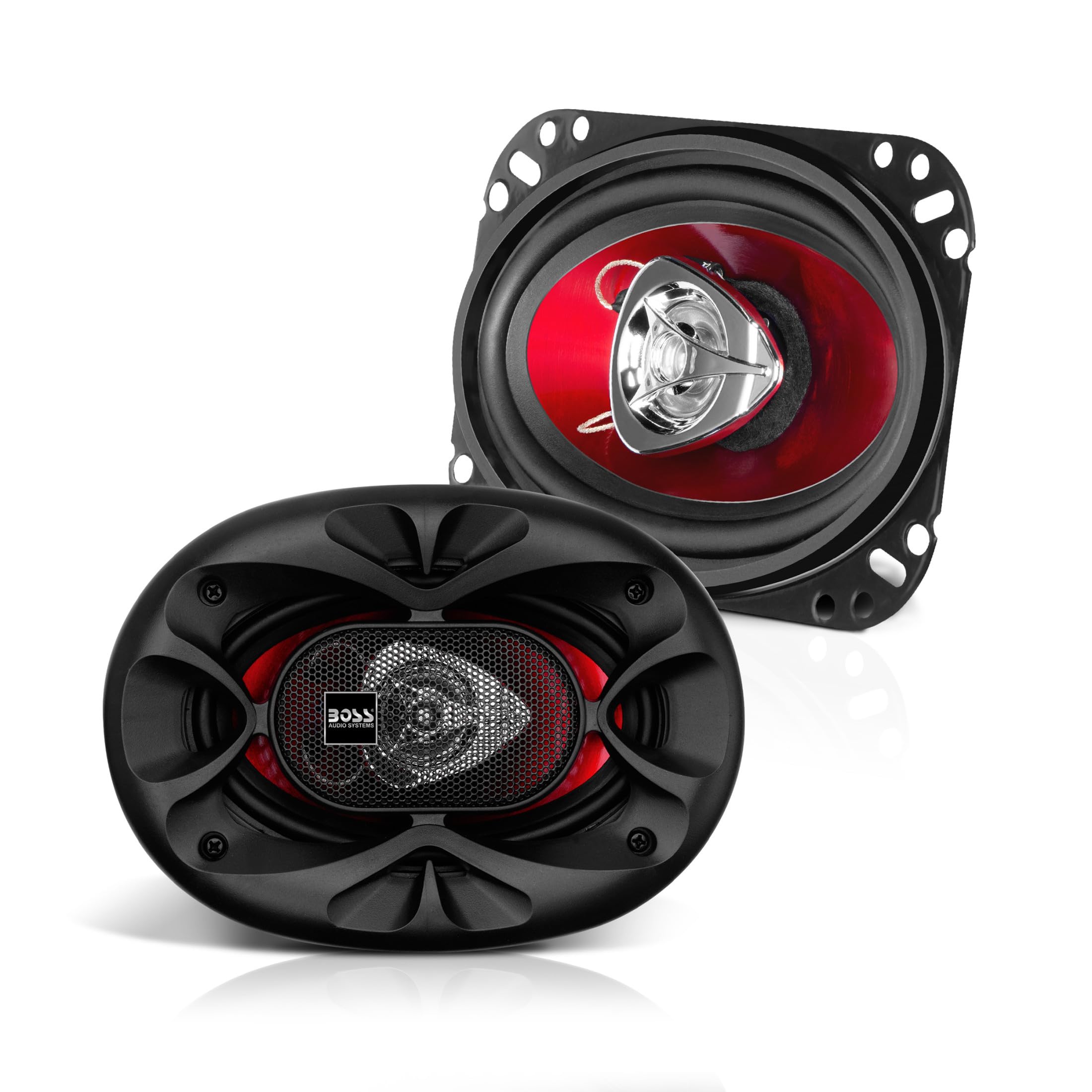

What Each Budget Level Should Deliver
Rather than chasing names, judge each price level by a short checklist. If a speaker at a given price misses items that cheaper rivals include, it is poor value no matter how impressive the box copy sounds.
Budget Level: The Non Negotiables
At the budget level, expect a basic two way design with a paper or simple poly cone and a small dome or cone tweeter. The checklist here is simple: honest RMS power figures, a sensitivity rating at or above about 88 dB, and mounting hardware in the box. Sound will be a clear step up from worn factory speakers, especially in vocal clarity. What you give up is bass weight and composure at high volume, so budget pairs suit talk radio, podcasts and moderate listening rather than loud cruising with the windows down.
Midrange Level: Where Quality Jumps
Midrange money should buy you a sturdier cone material such as treated polypropylene or a poly and mica blend, a proper rubber surround instead of foam, and a balanced dome tweeter. These details add cleaner mids, tighter low end and a surround that survives years of heat cycles inside a door or rear deck. This is the level where a pair starts to reward a modest amplifier later. If a midrange priced speaker still uses foam surrounds and vague peak power claims, keep shopping.
Premium Level: What the Extra Buys
Premium pairs spend your money on engineering you can hear: rigid lightweight cones, larger voice coils that handle heat better, and tweeters made from silk, titanium or aluminum with smoother top end response. You may also get shallower mounting options, better grilles and longer warranty cover. The gain is refinement and headroom rather than raw volume. Premium makes sense if you listen for hours, plan to add an amplifier, or want speakers that will outlast the car. It is wasted money if your source is a tired factory radio with weak output.
What Your Money Gets You at Each Price Tier
Price tiers in this size are compressed because the market is small, but the pattern is consistent. Here is how the typical pair at each level behaves once it is installed and playing real music.
Budget Tier: What to Expect
Budget pairs, usually under $50, focus on getting sound out reliably. Cones are basic, magnets are small, and the rated frequency range often flatters the real bass output. They work best as like for like replacements for failed factory speakers in cars you drive daily but do not plan to upgrade further. Expect clean enough vocals and simple treble, limited bass, and some harshness when you push the volume. For a runabout or a work vehicle, that trade is often perfectly acceptable.
Midrange Tier: The Sweet Spot for Most Buyers
Midrange pairs, roughly about $50 to $120, are where most buyers should land. You get durable surrounds, better cone control and tweeters that do not turn cymbals into a hiss. Bass reaches lower and stays composed, and the speakers handle both head unit power and a small amplifier without complaint. Because the 6x4 format limits cone area, spending into this tier buys clarity you notice on every track. If you keep your car for years, the longer service life alone justifies the step up from budget.
Premium Tier: When Spending More Pays Off
Premium pairs, often about $120 to $250 or more, pay off when the rest of your system can reveal them. With a decent head unit or amplifier, you hear smoother treble, better separation between instruments and less distortion on long drives. Build quality also improves, with corrosion resistant terminals and baskets that resist flex. The honest catch is diminishing returns: in a noisy classic car with thin door panels, road roar can mask the refinement you paid for. Treat the cabin first with sound deadening if you go premium.
Features That Matter in the Best 6x4 Speakers
Spec sheets for small oval speakers are full of numbers that sound impressive and mean little. The features below are the ones that change what you hear or how long the speaker lasts.
Sound Quality and Tuning
Sound quality in a 6x4 speaker comes mainly from cone stiffness and tweeter design, because the small cone cannot move much air. A stiff, light cone keeps vocals clear, while a balanced dome tweeter gives natural treble without the spiky edge of cheap piezo units. Look for a frequency response that reaches honestly into the 70 Hz region rather than claiming deep bass. If you want to hear how voicing differs across price levels, our guide to the best sounding speakers explains what clarity and balance actually sound like in practice.
Power Handling and Sensitivity
Two numbers decide whether a speaker matches your system. RMS watts tell you the continuous power it can handle, and sensitivity tells you how loud it plays per watt. Factory radios often deliver only about 15 to 20 watts per channel, so a high sensitivity speaker around 90 dB or more sounds fuller on low power. Amplifier owners should match RMS ratings instead. Ignore peak power figures entirely, since they describe a split second burst, not music. A speaker starved of power distorts sooner than one fed properly.
Durability and Moisture Resistance
Door mounted speakers live in a harsh place. Water runs down inside doors, and rear deck speakers bake in sun and freeze in winter. Rubber surrounds outlast foam by years, and poly cones shrug off moisture that would soften paper. For a standard car install, materials matter more than any formal rating. Choose treated cones and stainless or coated hardware.
Fit, Depth and Mounting
Fit is the feature buyers skip and regret. Measure the cutout, the mounting depth behind it and the clearance to the window mechanism or trim panel before ordering. The same oval size is often listed as 4x6, so search both ways, and confirm the actual bolt pattern and dimensions on the specification sheet. If you are replacing factory units in the same openings, our guide to the best 6x4 car speakers walks through common fitment traps for this size. A spacer ring can solve small depth issues, but it cannot fix a wrong bolt pattern.
Extras Worth Skipping
Skip paying extra for glowing trim rings, oversized magnet covers and four way designs that cram extra tiny tweeters onto a small cone. On a 6x4 frame there is little room for those extra drivers to work properly, and they often make treble harsh rather than detailed. Also skip extended protection plans on budget pairs, since a replacement pair costs little more than the plan. Spend the savings on proper speaker wire adapters and a set of foam baffles, which protect the cone from door moisture and improve midrange focus.
Long Term Costs to Factor In
The pair price is only part of the bill. Budget for harness adapters so you do not cut factory wiring, typically under $20, and consider closed cell foam tape or baffles to seal the speaker against the panel. If you pay for installation, small oval replacements are quick work, but door panel clips often break and add a few dollars. Amplifier ready speakers may tempt you into an amp later, which adds wiring kit costs. Finally, cheap foam surround speakers may need replacing in three or four years, while a rubber surround pair can last a decade, which flips the value equation over time.
Frequently Asked Questions
Are 6x4 and 4x6 speakers the same size?
Yes. Both describe an oval speaker about 6 inches by 4 inches, which most brands list as 4x6. Search under both names, and confirm the bolt pattern and mounting depth against your opening before you order.
Do I need an amplifier for 6x4 speakers?
No. A pair with sensitivity around 88 dB or higher sounds fine on factory head unit power. An amplifier helps if you want more volume and cleaner bass, and then you should match the speaker RMS rating to the amplifier output.
Are rubber surrounds better than foam?
Rubber surrounds usually last longer, because foam can crumble after several years of heat and sun inside a door or rear deck. If the speakers will live in a hot climate, rubber is the safer choice.
Can I improve bass without changing the speakers?
Often yes. Sealing the speaker to the panel with foam tape and adding sound deadening pads behind it tightens midbass and cuts rattles. A small powered subwoofer handles the deepest notes that a small oval cone cannot reproduce.
How long do car speakers last?
Quality speakers with rubber surrounds commonly last 8 to 12 years. Distortion at modest volume, buzzing on bass notes, or one side sounding dull are signs that replacement time has arrived.
Final Thoughts
Choosing well comes down to three checks: confirm the fit and depth, match sensitivity and RMS power to your head unit or amplifier, and buy the best cone and surround materials your budget allows. Most drivers will be happiest in the midrange tier, where durability and clarity both jump. Compare the product table above once you know your tier, and the best 6x4 speakers for your car will be the pair that fits, matches your power and is built to last.


