
Best 64000 Grain Water Softeners (2026): Buying Guide
Disclosure: We may earn a commission when you buy through links on this page, at no extra cost to you. As an Amazon Associate I earn from qualifying purchases. Learn more
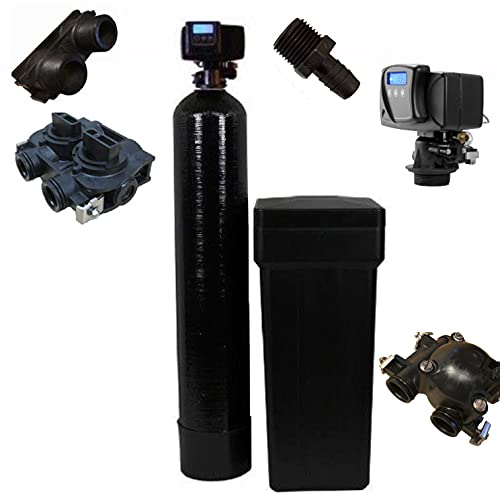
Choosing the best 64000 grain water softener? This capacity suits larger households with hard water and steady daily use.
Scale on shower doors, stiff laundry, and spots on every glass usually mean your water carries more hardness than your home can handle gracefully. Choosing the best 64000 grain water softener comes down to matching that capacity to your hardness level, your daily water use, and the space near your main line. The comparison table below sums up the main types at this size so you can see how they differ before reading the detail.
This guide explains sizing, system types, features, certifications, and installation costs for this capacity class only. If you are still weighing smaller or larger systems, our guide to the best water softener covers the full range, while the sections below stay focused on whether 64000 grains fits your household.


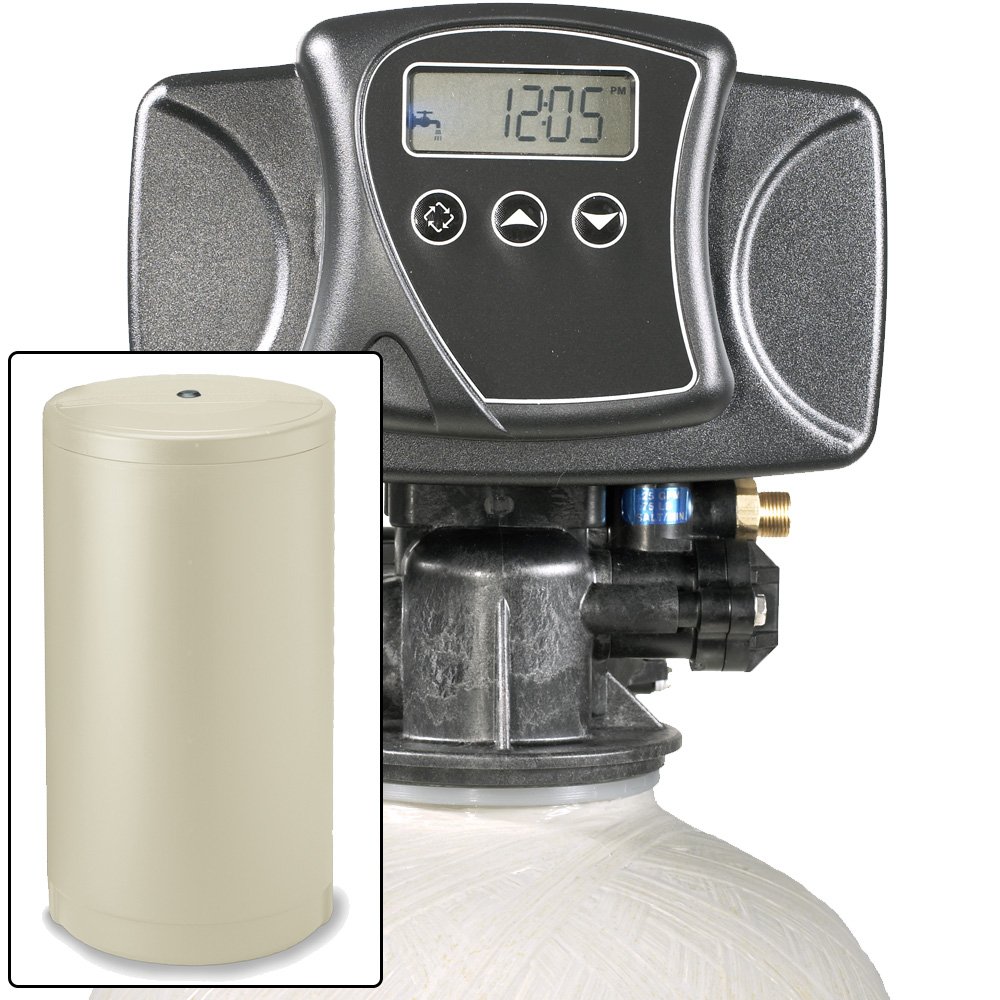


Types Compared at a Glance
Three designs dominate this capacity class, and they solve slightly different problems. All three use the same basic rating, yet the way they regenerate and the extras they bundle change daily running costs and upkeep.
- Single tank salt based systems use one resin tank and one brine tank, regenerate at night on a metered schedule, and suit most homes at this size.
- Dual tank systems alternate between two resin tanks, so soft water stays available during regeneration, which matters in homes with round the clock demand.
- Combo systems pair the resin tank with a carbon or sediment stage, adding taste and odor treatment for city water or protection from grit on private wells.
If you would rather avoid salt entirely, a conditioner only reduces scale buildup and does not remove hardness minerals, so read our guide to the best salt free water softener before assuming the two approaches give the same result. For true softening at this capacity, a salt based design remains the standard choice.
How to Evaluate a System at This Capacity
Start with the maker spec sheet rather than the marketing headline. Confirm the rated grain capacity, the resin volume behind that rating, the service flow rate in gallons per minute, and the salt use per regeneration. Two systems can share a 64000 grain label while using different amounts of salt to reach it, and the more efficient setting often delivers slightly less usable capacity between cycles.
Next, weigh build quality and warranty terms. Look for a sturdy control valve with standard plumbing fittings, a resin tank warranty that runs longer than the electronics warranty, and replacement parts you can buy without going through a dealer. Certifications, covered below, confirm that capacity and material safety claims were checked by an outside body rather than stated by the seller alone.
How to Choose the Right Water Softener
The factors below decide whether a system at this size runs efficiently in your home or wastes salt and water from the first month.
Size and form factor
A 64000 grain system normally holds about 2 cubic feet of resin, which makes its mineral tank taller and wider than a 32000 or 40000 grain unit. Measure the install spot for height clearance to remove the valve, floor space for both tanks, and room to lift a heavy salt bag over the brine tank. Homes with a low ceiling in the utility area sometimes need a cabinet model or a remote brine tank arrangement instead.
Type
Salt based ion exchange swaps calcium and magnesium for sodium and is the only common type that measurably lowers hardness. Dual tank versions add continuous supply at a higher price and a larger footprint. Magnetic units clamp onto a pipe and make scale claims that independent evidence rarely supports, so treat them as an experiment rather than a solution. If you are still deciding between softening and other treatment goals, the comparison in water softener vs water filter explains where each approach stops.
Features worth paying for
Metered regeneration is the feature that pays for itself, because the system counts gallons used and only regenerates when the resin is actually spent. A bypass valve lets you route untreated water to outdoor taps and keeps the softener online during plumbing repairs. WiFi alerts for low salt and excess water flow help in second homes. Skip extra stages your water test does not call for, since each added filter brings its own cartridge cost and pressure drop.
Measurements and compatibility with your setup
Check your main line pipe size, usually 3/4 inch or 1 inch, and match the valve connections so you avoid choking flow to upstairs showers. The unit needs a drain within a reasonable distance for backwash water, a standard electrical outlet for the control head, and incoming pressure within the range the maker states. Our walkthrough of how to install a water softener shows the plumbing layout so you can judge your space before ordering.
Certifications
For this product class, the mark that matters most is NSF/ANSI 44, which covers residential cation exchange softeners and verifies capacity and efficiency claims. NSF/ANSI 372 addresses lead content in wetted parts, a useful check on valves and fittings. WaterSense labeling applies mainly to fixtures and irrigation gear, so its absence on a softener tells you little. A system with no independent certification can still work, but you are trusting the seller for every number on the box.
Choosing between DIY and pro installation
If your home already has a softener loop with a bypass and drain in place, swapping in a new unit is a manageable weekend project for a confident homeowner. Cutting into a main line, adding a drain, or meeting a local permit rule points toward a licensed plumber. Before you decide, read the breakdown of water softener installation cost so the labor quotes you gather make sense against the price of the unit itself.
How much should you spend?
At this capacity, expect to pay about $600 to $1200 for a solid single tank metered system from a mainstream maker. Dual tank and combo designs with carbon stages commonly run about $1200 to $2000. Prices under $600 at this rating usually mean a timer controlled valve or thinner warranty coverage, both of which raise running costs later. Budget separately for fittings, a water test, and the first bags of salt so the install does not stall midway.
Is This Capacity the Right Size for You?
Run a quick calculation before you commit. Multiply the number of people in your home by about 75 gallons of daily use, then multiply that figure by your hardness in grains per gallon from a water test. A five person home with hardness of 20 grains per gallon uses roughly 7500 grains of capacity a day, so a 64000 grain system regenerates about once a week at a sensible efficiency setting, which is a healthy rhythm for resin life.
Oversizing carries its own penalty. A system that regenerates only once every few weeks in a small household can channel water through the resin bed and deliver uneven softening. Undersizing is worse, since nightly regeneration wastes salt and water. Homes on wells should add iron to the hardness figure before sizing, and our guide to the best water softener for well water explains how iron changes the math and the features you need.
Common Mistakes to Avoid
- Sizing from bathroom count alone, which ignores your actual hardness and often lands you one size too small.
- Leaving iron out of the sizing calculation, so the resin exhausts days earlier than the schedule you planned.
- Placing the unit where backwash water has no drain to reach, which makes a correct install impossible without new plumbing.
- Skipping a water test and trusting a city average, even though hardness can vary widely between neighborhoods and seasons.
- Filling the brine tank to the top, which encourages salt crusting and makes it harder to spot a falling salt level.
How to Make Your Water Softener Last Longer
Keep the brine tank about half full and check it monthly, topping up before the salt drops below the water line inside. Break up any hard salt crust that forms across the surface, because a crust can leave the resin regenerating with plain water. Use clean pellet salt if your well water carries sediment, since dirty salt leaves residue that collects in the bottom of the tank over time.
Protect the unit itself as well. Keep the install area above freezing, since a cracked valve body or tank ends the system outright. If your incoming pressure runs high, a regulator set within the maker range reduces stress on seals and the control head. After any long vacancy, run a manual regeneration before heavy use so the household draws on a fresh resin bed rather than one that sat idle for weeks.
FAQ
What is the best 64000 grain water softener?
The strongest choice is a metered salt based system whose service flow covers your peak demand and whose parts you can source locally years later. Valve service networks matter as much as the spec sheet, because a control head you cannot get seals or a motor for becomes a full replacement. Match capacity to your measured hardness first, then compare warranty length on the tank, the valve, and the electronics separately.
What size water softener do I need?
Your size comes from people, daily gallons, and measured hardness, not from home square footage. If your hardness swings between seasons, size using the higher reading so the system still keeps up during the hardest months. Homes expecting a new bathroom or an added occupant within a few years should size for that future demand now, since swapping tanks later costs far more than the small price gap between sizes today.
How long does a water softener last?
A well kept system commonly serves about 10 to 15 years, with the control valve often needing attention before the tank itself fails. Chlorine in city water slowly breaks down standard resin, so high chlorine levels can shorten resin life unless the system includes a carbon stage ahead of the resin. Rising salt use for the same softness is an early sign that resin or valve seals are wearing out.
Is a water softener worth it?
For homes with hardness above about 10 grains per gallon, most owners judge it worthwhile once scale stops building inside the water heater and on fixtures. Soft water also lets soaps and detergents work at lower doses, though you should follow the appliance maker dosing guidance rather than cutting amounts by guesswork. The honest test is your own water report: at mild hardness levels the gains shrink and a conditioner may be enough.
How do you clean a water softener?
Cleaning focuses on the brine tank. Scoop out remaining salt, lift the tank once it is empty, scrub the inside with mild soap and water, rinse well, then refill with fresh salt after reconnecting everything. Add a resin cleaner through the brine well a few times a year if your water contains iron, following the cleaner label for dose and timing. Never use bleach unless the maker manual calls for it.
What is the most reliable water softener brand?
Reliability tracks design and support more than a logo. Simple metered valves with a long production history tend to outlast feature heavy designs, and brands that sell parts directly keep systems repairable for years. Compare the fine print before you buy: tank warranties are often far longer than electronics warranties, and a seller who will not state both numbers plainly is telling you something about the support you can expect later.
Final Thoughts
A 64000 grain system suits larger households with genuinely hard water, as long as the sizing math, the drain access, and the valve features line up with your home. Use the product table above to compare the types side by side, confirm your hardness with a real test, and the best 64000 grain water softener for your household will be the one that regenerates about weekly, fits your space, and stays easy to service.


