Best 60 Inch Ceiling Fans (2026): How to Choose
Disclosure: We may earn a commission when you buy through links on this page, at no extra cost to you. As an Amazon Associate I earn from qualifying purchases. Learn more

Choosing the best 60 inch ceiling fan? A 60 inch fan cools large rooms of about 300 to 400 square feet.
A 60 inch fan looks simple on a listing page, yet the details decide whether it cools the whole room or just stirs air above the sofa. Choosing the best 60 inch ceiling fan for your space means matching blade sweep to room size, then weighing light output, motor type, mount style, and controls. This guide walks through each of those factors in plain terms.
The comparison table below gathers the main types side by side, so you can spot which style fits your ceiling height, your room, and your budget. The sections below then explain what each spec means in daily use.

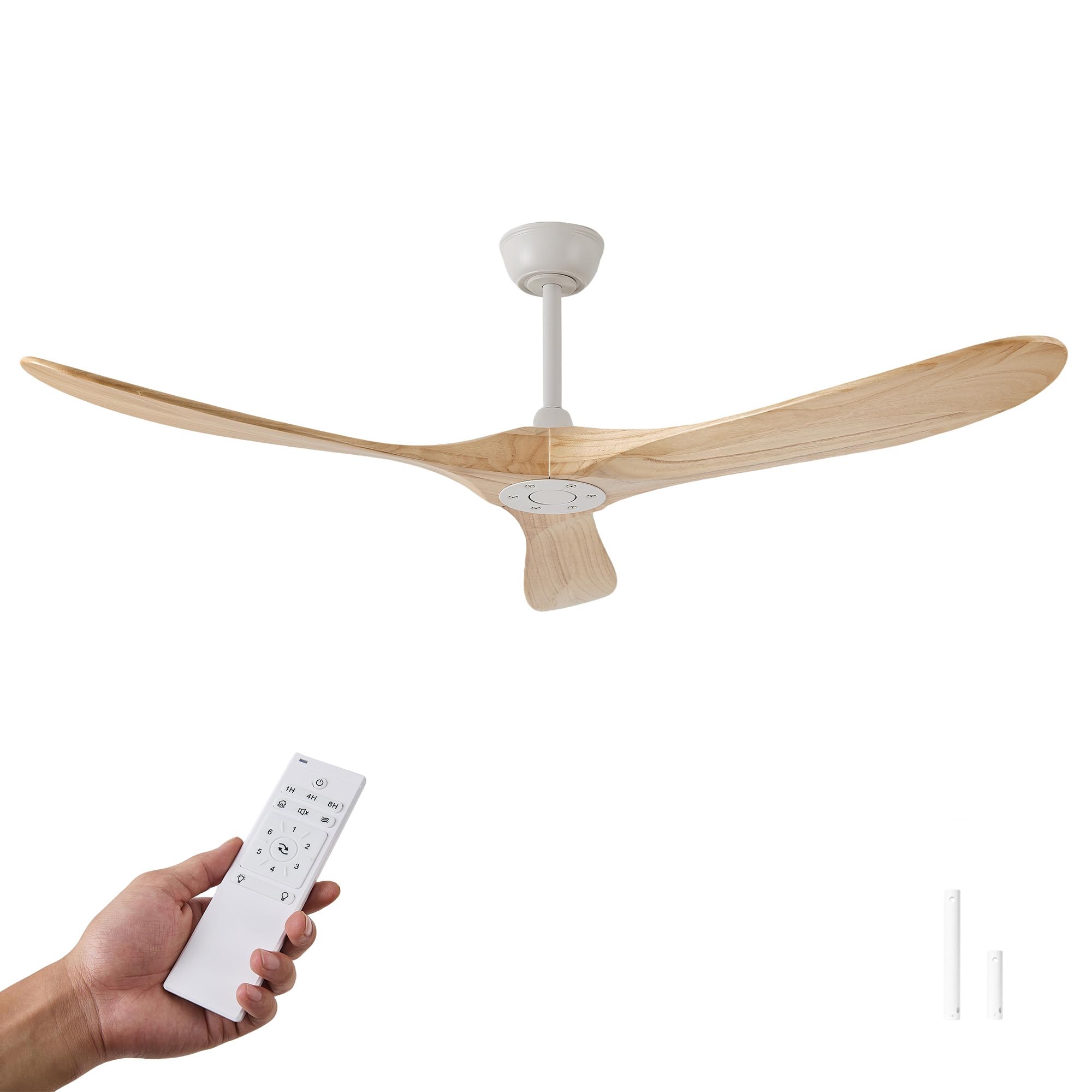

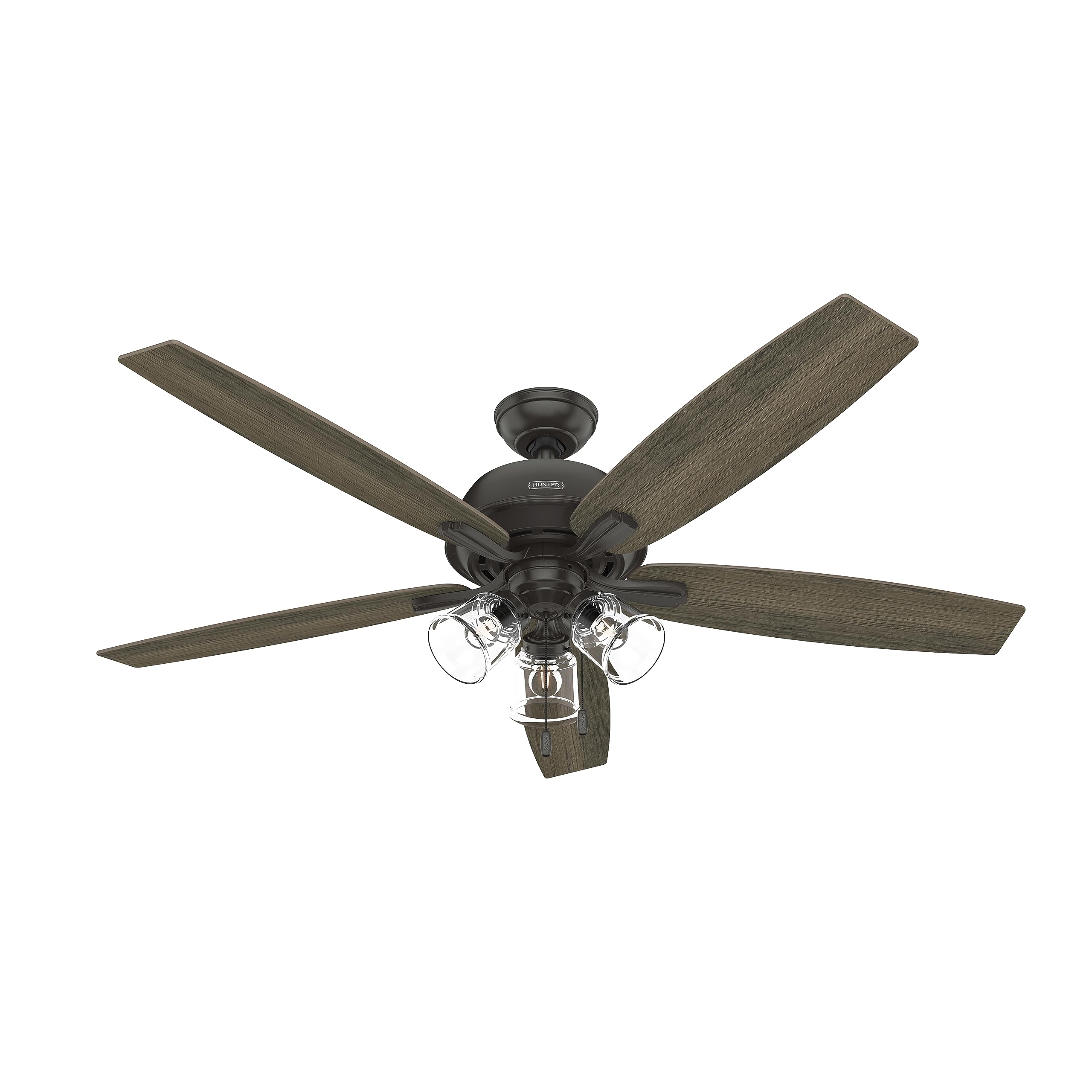


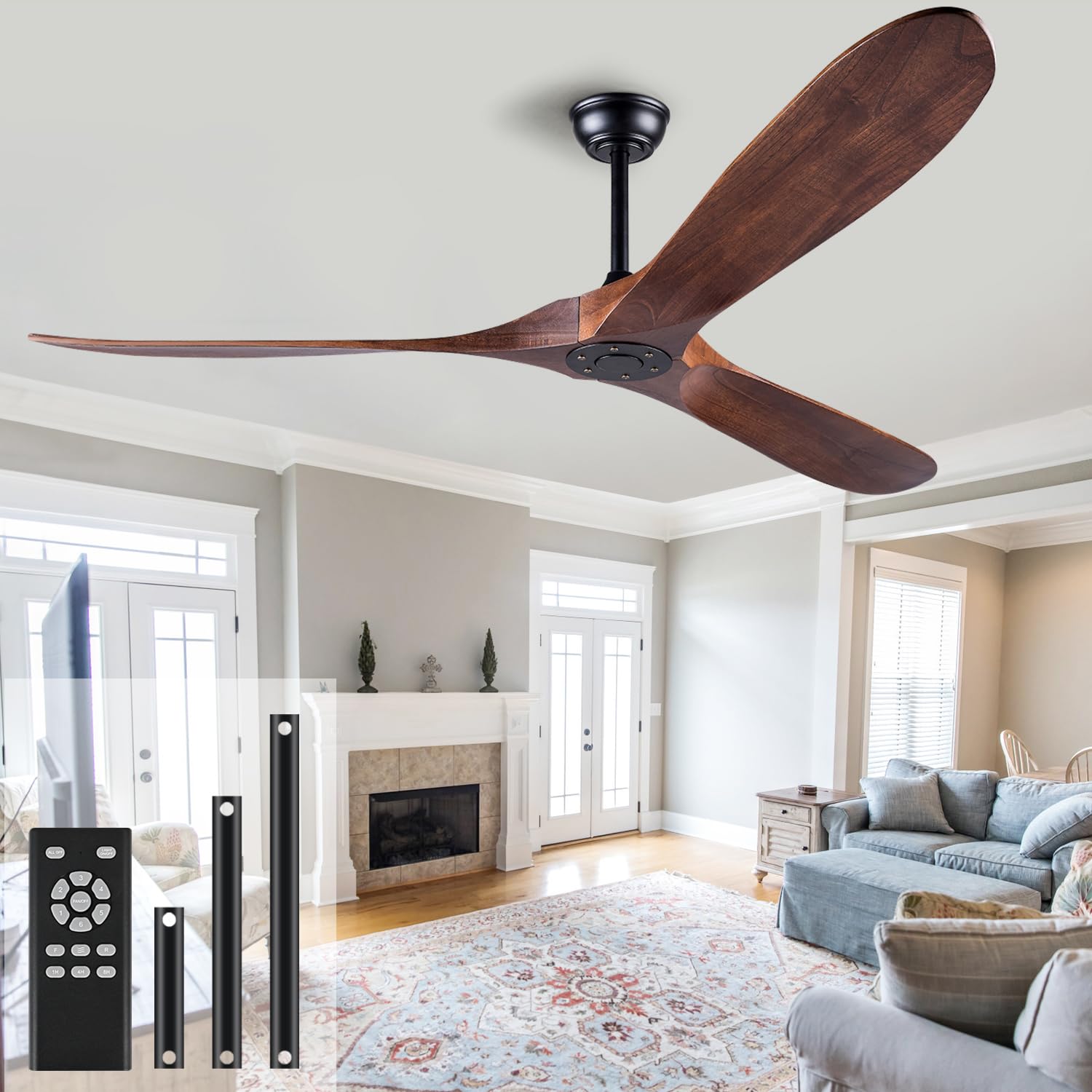
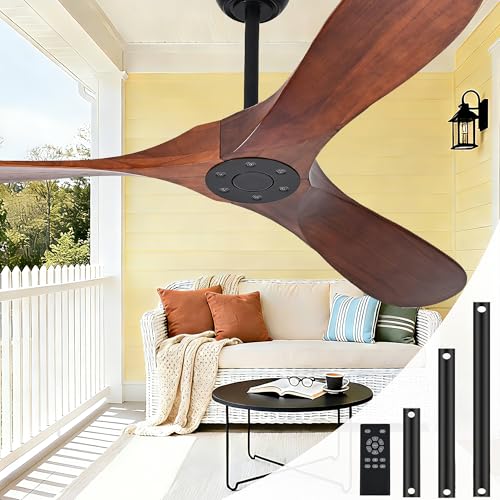

Ceiling Fan Types Compared at a Glance
Most 60 inch fans fall into a few broad types, and the type matters as much as the size. A standard downrod model suits flat ceilings around nine feet or higher. A flush mount model hugs the ceiling and suits lower rooms where headroom is tight.
Smart fans add WiFi control, app scheduling, and voice commands through Alexa or a similar assistant. Indoor models are built for dry rooms only, while damp rated and wet rated models use sealed motors and weather resistant blades for porches and patios. If outdoor use is your main goal, our guide to the best outdoor ceiling fan covers ratings in more depth. Style families such as modern, farmhouse, and industrial change the look, not the airflow.
How to Compare 60 Inch Ceiling Fans
Compare any two fans on the same short list of criteria. Start with brightness in lumens and the color temperature of the light kit, since those shape how the room feels at night. Next, look at style and finish, because a fan is a large fixture you will see daily. Then check installation needs, energy efficiency, and value.
Use the spec sheets from the maker for airflow, watt draw, and dimensions rather than marketing claims. A safety listing from UL or ETL tells you the fan meets a standard electrical safety requirement. Strong value means the motor, light, and controls match what you will actually use.
How to Choose the Right Ceiling Fan
Size and Form Factor
Blade sweep is the full circle the blades cut, measured tip to tip. Common sizes run from 42 inch and 44 inch fans for small bedrooms, through 52 inch and 54 inch fans for midsize rooms, up to 60 inch and 72 inch fans for large open areas. A 60 inch sweep suits rooms of about 300 to 400 square feet, where a 52 inch fan often leaves the corners still. Low profile designs keep blades high in rooms with limited headroom.
Type and Motor
Type describes both the mount and the setting the fan is built for. Flush mount fans serve ceilings under eight feet, standard fans serve most living spaces, and outdoor rated fans serve covered or exposed patios. AC motors are the long proven option and usually cost less, while DC motors use less power, run quieter, and often offer more speed settings and a reverse function on the remote. Read our breakdown of dc vs ac ceiling fan options if motor noise keeps you up at night.
Features Worth Paying For
A light kit, a remote, and a reversible motor earn their cost for most buyers. An integrated LED light removes the need for a separate fixture and sips power compared with older bulbs. A remote lets you change speed from the sofa or bed. WiFi and Alexa control are worth paying for only if you already run a smart home, since they add cost without adding airflow. Skip decorative extras you will never touch, such as novelty blade shapes.
Lumens and Color Temperature
Lumens measure how much light the fan gives off. A fan light that backs up lamps can sit around 800 lumens, while a fan that must light a whole large room alone should offer about 1,600 lumens or more. Color temperature, measured in kelvin, sets the tone. Ratings around 2700K to 3000K give a warm glow, 4000K looks neutral, and 5000K looks bright and cool, closer to daylight. Pick a fan with a stated lumen figure rather than a vague brightness claim.
Fixture Size and Placement
Placement rules keep a big fan safe and effective. The blades should sit at least seven feet above the floor, with eight to nine feet being the ideal height for strong airflow you can feel. Keep blade tips at least 18 inches from the nearest wall, and center the fan in the room. On ceilings above nine feet, a longer downrod brings the fan down to that ideal height. On sloped ceilings, confirm the mount accepts an angled adapter and check the maximum slope allowed.
Dimmable and Smart Options
Many LED fan lights dim, but the dimmer has to match. Some fans dim through the remote or app only, while others work with a wall dimmer the maker approves. Mixing an unapproved wall dimmer with an integrated LED can cause flicker or a faint buzz, so check the manual first. Smart models add schedules, timers, and speed changes from your phone. Those tools help if the fan cools a room you enter at set times each day, and matter far less in a room you use at random hours.
Installation
Most 60 inch fans are hardwired into a ceiling junction box rated to support a moving fan, not just a light fixture. Turn the power off at the breaker, confirm the box is firmly braced, then follow the maker sequence for the mount, motor, and blades. These models can weigh 20 to 30 pounds, so a second person makes the lift safer. Our step by step guide on how to install a ceiling fan covers wiring and balancing in detail, and a licensed electrician is the right call if your wiring looks worn.
How Much Should You Spend?
Price bands for 60 inch fans are wide. Models under $150 tend to cover the basics, with an AC motor, a simple remote, and a modest light. Spending about $150 to $300 usually adds a DC motor, a brighter dimmable LED, and a better finished look. Above about $300 to $500, you pay for smart controls, quieter operation, outdoor ratings, and premium materials. Set your band after you fix the mount and motor you need, since smart features cannot fix a fan that hangs at the wrong height.
Is a 60 Inch Ceiling Fan the Right Size for You?
Large Living Room Owners
If your main room runs about 300 to 400 square feet, a 60 inch fan moves air across the full seating area instead of cooling only the spot beneath it. Open plan rooms benefit most, since there are no walls to trap the breeze. Pair the fan with your cooling system and you can often raise the thermostat a few degrees while staying comfortable. See our guide to the best ceiling fan for living room setups for layout ideas.
Primary Bedroom Sleepers
A bedroom of this size needs quiet more than raw power. Look for a DC motor, a low speed that moves air gently, and a light you can switch off fully at night. A remote with a timer lets the fan slow down after you fall asleep. Our roundup of the best ceiling fan for bedroom comfort focuses on noise ratings and low speed feel.
Homeowners With High or Low Ceilings
Ceiling height can rule this size in or out. With ceilings of ten feet or more, a 60 inch fan on a longer downrod shines, because the blades sit at working height over a big floor area. With ceilings under eight feet, even a flush mount 60 inch fan can feel crowded. A smaller flush mount fan is often the safer fit then, and our overview of the best ceiling fan sizes explains where each sweep works best.
Common Mistakes to Avoid
- Buying by blade count alone, since airflow depends on motor power, blade pitch, and speed, not just the number of blades.
- Mounting a 60 inch fan on a standard light box, which can work loose over time because the box was never rated for a moving load.
- Choosing a downrod that leaves the blades far above nine feet, so the breeze never reaches the people below.
- Putting an indoor only fan on a covered porch, where moisture can damage the motor and warp the blades.
- Judging the light by wattage, since LED brightness is measured in lumens and two fans with the same watts can differ a lot.
- Skipping the blade clearance check, so a tip passes too close to a wall, beam, or tall cabinet.
How to Make Your Ceiling Fan Last Longer
Dust is the main enemy of smooth running. Wipe the blades with a damp cloth every few weeks during heavy use, since a dusty edge moves less air and can throw the fan slightly off balance. Never spray cleaner straight onto the motor housing. Check the blade bracket screws once or twice a year and snug any that have worked loose, a common cause of wobble and clicking.
Use the reverse switch when the seasons change. In summer the fan should spin counterclockwise to push air straight down, and in winter a slow clockwise spin sends warm air down the walls without a draft. If a wobble starts after cleaning, check that every blade sits at the same height from the ceiling before you reach for a balancing kit. A fan that hums, rocks, or smells of hot wiring needs the power off and a professional look.
FAQ
What is the best 60 inch ceiling fan?
The right answer depends on your ceiling height, room size, and whether you need the fan to light the room. A strong choice pairs a motor matched to the room, a stated lumen output, and a mount that puts the blades at working height. Shoppers who sleep under the fan should weigh low speed noise as heavily as top speed airflow.
What size ceiling fan do I need for a vaulted ceiling?
A vaulted ceiling changes the mount more than the size. You still match blade sweep to floor area, but you also need a downrod long enough to clear the slope and an adapter rated for the angle of your ceiling. Measure the peak height and the slope angle before you order, and confirm both figures against the maker limits.
How long does a 60 inch ceiling fan last?
A quality fan often runs for about ten years or more, and the motor usually outlasts the light kit and the remote. The receiver in the canopy and the LED module are the parts most likely to need service first. Keep the model number and manual with your home records, since ordering those parts years later is far easier with them.
Is a 60 inch ceiling fan worth it over a 52 inch model?
It is worth it when the room is large enough that a 52 inch fan leaves the edges still. The wider sweep reaches seating placed away from the center of the room, common in open plan layouts. In a smaller room the extra sweep adds cost and visual bulk without adding comfort.
How do you clean a 60 inch ceiling fan without making a mess?
Slide an old pillowcase over each blade and pull it back slowly, so the dust falls into the case instead of onto the furniture below. Work with the power off and a stable ladder, never a chair. Clean the light cover last with a dry cloth, since moisture left on an LED cover can spot the finish.
Which ceiling fan brand is the most reliable?
Reliability tracks the motor warranty and parts support more than the name on the box. Brands that publish clear warranty terms, sell replacement receivers and light kits, and stock parts for years make ownership easier. Check that support exists before you buy, because a fan without parts becomes a full replacement when a small component fails.
Final Thoughts
Start with the room, not the listing. Measure the floor area, note the ceiling height, and decide whether the fan must also light the space. With those facts fixed, the best 60 inch ceiling fan for your home is the model whose motor, mount, and light match them. Use the product table above to compare the types again before you order, and double check the junction box rating in your ceiling.