
Best 64 oz Water Bottles (2026): Styles and Buying Guide
Disclosure: We may earn a commission when you buy through links on this page, at no extra cost to you. As an Amazon Associate I earn from qualifying purchases. Learn more
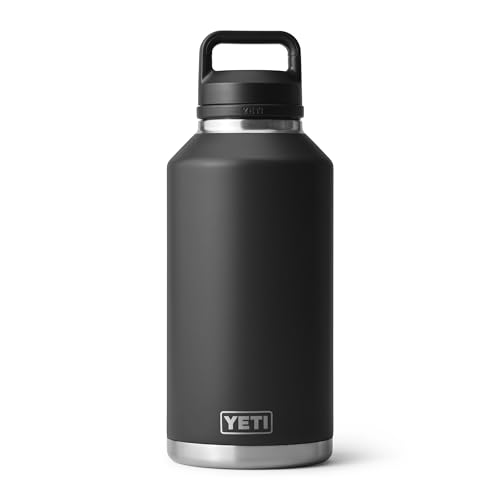
A practical guide to the best 64 oz water bottle: insulated steel, plastic and straw lid styles compared on fit, handles and care.
A full bottle on the kitchen counter can change how a household drinks water. Instead of filling small cups all day, you can pour from one large bottle at breakfast, top up glasses at lunch, and still have water ready for an evening walk. If you want that simple routine, the best 64 oz water bottle is the one that fits your fridge shelf and the way your family actually drinks.
This guide helps you choose by space, number of users, and budget rather than by looks alone. Use the comparison table below to line up the main bottle styles side by side before you decide.

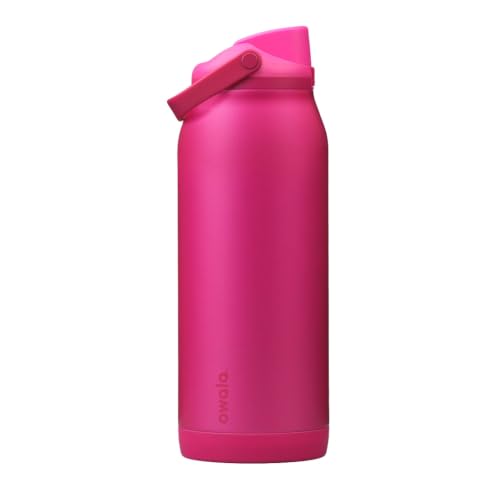

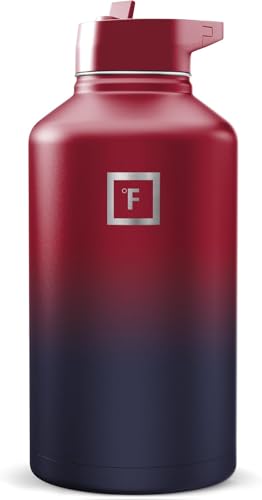
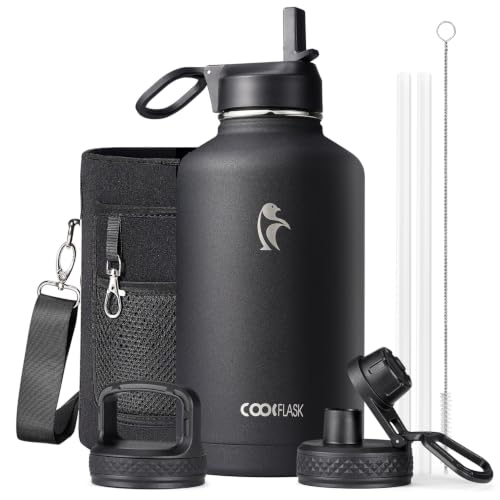

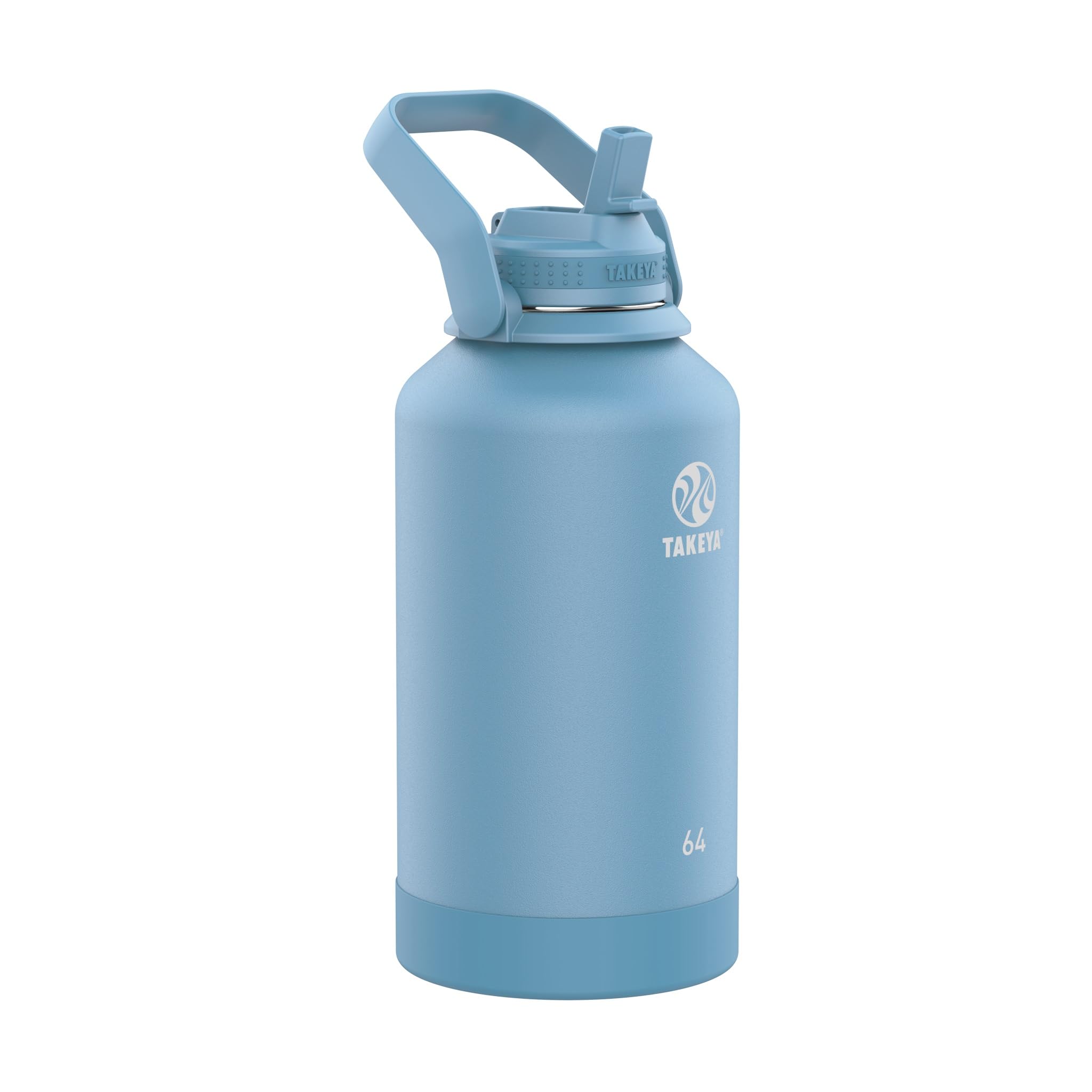


Quick Answer: Three Styles That Suit Most Homes
Most shoppers end up choosing between three styles. An insulated stainless steel bottle keeps water cold for long stretches and suits shared family use. A lightweight plastic bottle costs less, shows the water level at a glance, and works well for the gym or a desk. A bottle with a straw lid and a sturdy handle suits people who drink often in small sips, such as drivers and outdoor workers.
Before You Buy: A Quick Checklist for Choosing a Water Bottle
A 64 oz bottle holds eight cups of water, which is half a gallon and about 1.9 liters. That is a lot of water in one container, so small details like handle shape and bottle width matter more than they do on a small bottle.
Size: Match It to Your Space
Common sizes run from 16 oz and 20 oz bottles for short trips, through 24 oz, 32 oz, and 40 oz bottles for a workday, up to 64 oz and a full gallon. A 64 oz bottle is tall and wide, so measure your fridge door shelf and cabinet space before you order, and check the diameter too, because most car cup holders are too narrow for this size. If you are still weighing sizes, our overview of the best water bottle options shows how the smaller sizes compare.
Which Type Fits Your Routine
Stainless steel bottles feel solid and resist dents, and insulated versions keep drinks cold without sweating on wood tables. Glass gives a clean taste but is heavy and breakable at this size, so it suits a home counter more than a gym bag. Plastic bottles are light and low cost, and many are clear so you can see how much you have drunk. You can also find filtered, collapsible, and motivational styles with time markers. For most homes, a plain insulated or plastic bottle covers daily needs without extra parts to clean or replace.
Features Worth Paying For, and Ones to Skip
A strong carry handle is worth paying for, because a full 64 oz bottle weighs about four pounds and a weak handle makes it awkward to lift. A straw lid helps you drink while driving, while a wide mouth makes adding ice and scrubbing the inside far easier. Time markers can nudge you to drink through the day at no extra cost. Built in filters only make sense if your tap water tastes poor, and fruit infusers add parts that need washing after every use. If cold water matters most, compare the insulation claims in our guide to the best stainless steel water bottle styles before you buy.
Lead and Cadmium Safety in Coatings and Glazes
Some colored coatings, painted logos, and glazed finishes on drinkware can contain lead or cadmium, two metals you do not want leaching into water. Stainless steel and plain glass interiors avoid this concern because the water touches only the base material. With any coated bottle, look for a clear statement from the maker that the finish is free of lead and cadmium, and avoid paint or glaze on the inside surface or the lip.
Dishwasher, Microwave, and Oven Safety
Most large bottles should never go in a microwave or an oven, since metal cannot go in a microwave and plastic can warp or melt with heat. Dishwasher safety varies more. Many plastic bottles and lids are fine on the top rack, while insulated stainless steel bottles often need hand washing to protect the vacuum seal and the outer finish. Lids with straws and gaskets trap residue in small parts, so hand washing those pieces gives a better clean even when the maker allows the dishwasher.
Single Bottles, Multipacks, and Replacement Parts
Most 64 oz bottles are sold as singles, though some brands offer two packs for couples or a home and work pairing. What matters more is whether spare lids, straws, and gaskets stay available over time, because those small parts wear out first. A bottle you can keep using with a replacement lid costs less over the years than a cheaper bottle you must replace whole.
Realistic Budget Ranges
Under about $20, expect lightweight plastic bottles with a basic screw lid or straw lid and little or no insulation. In the range of about $20 to $30, you get thicker plastic, better handles, and entry level insulated steel bottles that hold ice for a workday. At about $30 to $50, insulated steel bottles get tougher coatings and sturdier lids with replacement parts that are easy to find. Paying above that range mostly buys brand name and finish choices rather than more capacity.
Three Bottle Types Compared
Instead of chasing a single winner, compare the three main types against your routine, so you can see where your money goes and what you give up.
Insulated Stainless Steel Bottles
This type suits households that want cold water from morning to night without constant refills of ice. Double wall insulation keeps drinks cold far longer than a single wall bottle, and the steel body shrugs off drops onto tile or concrete. The trade offs are weight and price, plus hand washing for many models. Choose it if the bottle will live on a counter, travel in a car, or serve several people at home.
Lightweight Plastic Bottles With a Wide Mouth
This type suits the gym, a desk job, or anyone who wants to watch the water level drop through the day. Clear plastic shows every ounce, and printed time markers turn that view into a simple drinking schedule. The wide mouth fits ice cubes and a bottle brush with no struggle. Plastic weighs far less than steel when full, but it holds no insulation, can pick up odors from flavored drinks, and may need replacing sooner if it cracks.
Straw Lid Bottles With a Carry Handle
This type suits drivers, outdoor workers, and anyone who drinks in frequent small sips rather than a few long drinks. A flip straw lets you drink with one hand without tilting a heavy bottle, and a loop handle makes the full weight manageable between the car, the job site, and the house. The trade off is cleaning, because straws and bite valves hide residue and need a thin brush.
How We Compared These Bottles
Our comparison rests on five factors that matter in a real home: material and durability, ease of cleaning, how the lid works in daily use, whether spare parts are sold, and value for the price range. We drew the details from manufacturer specifications and from patterns in verified buyer feedback, such as repeated reports of leaking lids or cracked handles. The same checklist appears in our guide to what to look for when buying a water bottle.
Is a 64 oz Water Bottle the Right Size for You?
A 64 oz bottle makes sense when one fill should cover most of your day. Many adults aim for roughly eight cups of water daily, and this bottle holds exactly that, so a single morning fill sets a clear target. It also suits households that keep one shared bottle in the fridge for meals. The full weight of about four pounds and the wide body make it a poor fit for hiking, running, or a crowded commute, though. For trips where you refill along the way, a smaller bottle from our guide to the best water bottle for travel will ride better in a bag.
Think about who will lift it, too. A full bottle can be hard for a child or an older adult to pour from, so some families keep the big bottle on the counter and pour into smaller cups. If your sink is shallow, check that the bottle fits under the faucet, because a bottle that is annoying to fill will end up forgotten in a cabinet.
Common Buying Mistakes to Avoid
- Buying the 64 oz size without measuring your fridge shelf or cabinet height, which leaves the bottle with nowhere to live.
- Assuming the bottle will fit a car cup holder, when most holders are far narrower.
- Choosing a narrow mouth, then struggling to add ice or scrub the inside.
- Paying for filter or infuser features you will not use, which adds cost and parts to wash.
- Ignoring spare parts, so one cracked lid means replacing the whole bottle.
Cost of Ownership and Care
The purchase price is only part of what a big bottle costs you. Straw lids may need new straws or gaskets over time, and a spare lid is a small cost that keeps the bottle in service. Wash the bottle daily with warm soapy water and a bottle brush, and let everything air dry with the lid off so moisture does not linger. For a deeper routine, including stubborn odors, see our steps on how to clean a water bottle. Store the bottle empty and uncapped, and keep plastic bottles out of hot cars, where heat can warp the body and age the lid seal.
Your Questions, Answered
What size water bottle do I need for a full day?
Start from how much you drink between refills rather than from a single daily target. If you are home or at a desk with a sink nearby, a 32 oz bottle with one refill may suit you better than one heavy bottle. If you work outdoors, drive long routes, or share with family at meals, 64 oz covers the stretch in one fill.
How long does a 64 oz water bottle last?
A stainless steel bottle body can serve for many years, since the steel itself rarely wears out and most owners replace it only after a hard drop damages the insulation. Plastic bottles usually have a shorter working life, since scratches, odors, and worn lid threads build up with daily use. In both cases the lid fails first, so spare lids stretch the life of either material.
Is a large reusable water bottle worth it?
For most households, yes, because one durable bottle replaces a steady stream of single use bottles and the cost per fill drops to almost nothing. The savings grow when several people pour from the same bottle at meals instead of opening individual drinks. It is less worthwhile if the size keeps it stuck in a cabinet, so the value depends on the fit with your space and routine.
Can a 64 oz water bottle go in a freezer?
Freezing a full bottle is a poor idea, because water expands as it turns to ice and that pressure can split a plastic body or break the vacuum seal of an insulated bottle. If you want very cold water, fill the bottle about three quarters full, freeze it with the lid off, then top it up before you leave. Check the maker guidance first, since some lids and coatings should not be frozen at all.
What makes one 64 oz water bottle more reliable than another?
Reliability shows up in the lid more than anywhere else. Look for thick gasket seals, smooth and even threads, and a handle molded into the lid or fixed with metal hardware rather than thin plastic tabs. Brands that publish clear care guidance and sell spare lids tend to support their bottles longer. A simple design with fewer moving parts also fails less often.
Final Thoughts
The right choice comes down to fit. Match the material to your routine, the lid to how you drink, and the size to the shelf and sink you actually have, and the product table above will confirm which style lines up with your home. For cold water all day, insulated steel earns its price, while plastic wins on light weight and low cost. Either way, the best 64 oz water bottle is the one your household reaches for every day.


