Best 6 Quart Slow Cookers (2026): Types and Buying Guide
Disclosure: We may earn a commission when you buy through links on this page, at no extra cost to you. As an Amazon Associate I earn from qualifying purchases. Learn more

A practical guide to the best 6 quart slow cooker: manual, programmable and sear capable designs compared for households of four to six.
Picture a weekday afternoon in a busy kitchen. A whole chicken, a tray of vegetables, and tomorrow lunches all need to happen, yet the counter is already crowded and the oven is spoken for. That is the moment this size earns its place. Choosing the best 6 quart slow cooker is less about chasing features and more about matching capacity, shape, and controls to your home.
This guide focuses on fit for real homes. You will compare counter space, household size, daily ease of use, and the cost of owning and caring for the cooker over time. Start with the comparison table below, then use the checklist that follows to narrow your choice with confidence.




Quick Answer: Three Types That Fit Most Homes
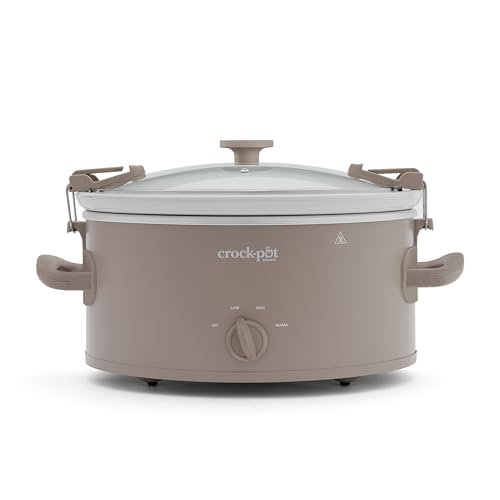
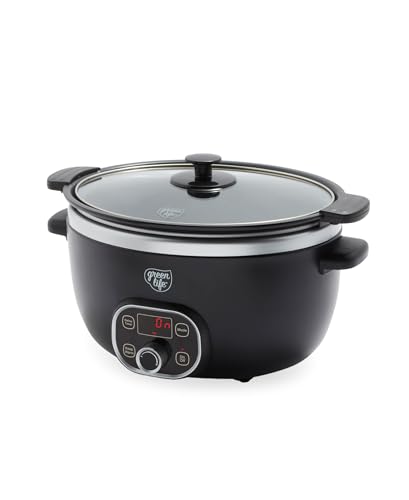
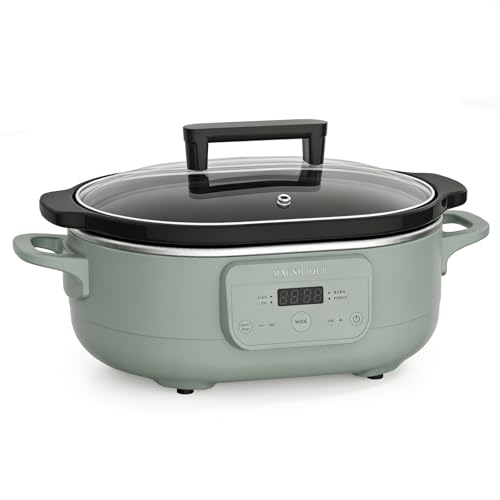
Most 6 quart models fall into three groups, and the right group depends on your routine more than on any single spec. Simple dial models suit cooks who start meals in the morning and serve them the same evening. Programmable models suit set schedules, since cooking stops on time and shifts to warm. Sear capable models suit cooks who brown meat first and want fewer pans to wash.
If you are still weighing this size against the wider market, our guide to the best slow cooker covers other capacities and formats in one place.
Before You Buy: A Quick Checklist for Choosing a Slow Cooker
Work through these points in order. Size and type come first, since they decide daily satisfaction, while features and budget only matter once the basics fit your home.
Size: Match It to Your Space
Capacity is measured in quarts, and each size serves a different household. Mini and 2 quart models handle dips and single meals, 4 quart models suit couples, and 7, 8, and 10 quart models serve crowds. A 6 quart cooker sits in the middle, holding a whole chicken or a large roast with vegetables and serving about five to seven people. For even cooking, fill the insert between one half and two thirds full, since too little food can dry out and an overfilled insert may spill as it simmers.
Which Type Fits Your Routine
Control style shapes your day more than you might expect. Manual dial models offer low, high, and warm settings and nothing to program, which suits a steady routine. Programmable and digital models add a timer and an automatic shift to warm, which suits long workdays. Shape matters too, since oval inserts fit roasts and whole poultry, while round inserts suit soups and stews. Casserole and triple models serve parties, and portable designs add lids that clamp shut. Insert material counts as well, and readers who want to avoid certain coatings and glazes can compare options in our guide to the best non toxic slow cooker.
Features Worth Paying For and Ones to Skip
A few features genuinely change daily use. A timer with an automatic warm setting protects dinner when your day runs long. A locking lid keeps food inside the insert during transport to gatherings. A temperature probe helps with large roasts, and a stovetop safe insert lets you brown meat in the same vessel. Other extras add cost with little return. Long preset menus duplicate what low and high already do, and app control rarely helps a cooker that sits in one kitchen.
Wattage, Power, and Energy Use
A 6 quart slow cooker draws modest power, often around 200 to 300 watts depending on the setting. Running one for eight hours on low uses far less electricity than heating a full size oven for the same meal. That low draw also makes the cooker gentle on older kitchen circuits, though you should still plug it directly into a wall outlet rather than a light duty extension cord.
Safety Features and Certifications
Look for a UL or ETL listing mark on the base, which shows the appliance met independent safety standards. Check that the cord is intact, the feet sit flat, and the lid rests evenly on the insert rim. Handles that stay comfortable to grip make a full, heavy insert safer to move. Keep the base away from sink splashes, and never immerse it in water, since the heating element and controls live inside it.
Counter Space and Dimensions
An oval 6 quart model often measures about 15 to 17 inches long and 10 to 12 inches wide, plus room for the lid handle above. Measure your counter depth and the clearance under upper cabinets before ordering. Then check storage, since a cooker this size may claim a full cabinet shelf.
Realistic Budget Ranges
Prices cluster into clear tiers, and each tier buys a different level of control. Use these ranges as a guide while you shop.
- About $30 to $50: manual dial models with a stoneware insert and glass lid, solid for simple daily cooking.
- About $50 to $100: programmable models with a timer, automatic warm setting, and often a locking lid.
- Over $100: sear capable inserts, probes, and heavier builds aimed at frequent cooks who want one vessel from browning to serving.
Three Types Compared: Which Design Suits Your Home
Compare the three designs below against your routine. Each one cooks the same size batch, so the decision rests on controls, cleanup, and how you serve.
Manual Dial Models for Simple Daily Cooking
A dial model gives you low, high, and warm, and that is the whole interface. There is nothing to program and very little to learn, so anyone in the household can start dinner. Cleanup is simple, and the low price leaves room in the budget for a second insert. The trade off is timing, since the cooker keeps cooking until you switch it off or move it to warm by hand.
Programmable Models for Set Schedules
A programmable model lets you set the cooking time in advance. When the time ends, it shifts to warm on its own, which protects food on days when meetings or traffic run late. This is the natural fit for pot roast dinners that start before work, and our guide to the best slow cooker for pot roast explains which cuts and shapes suit that job. The trade off is a higher price and a control panel that takes a few uses to learn.
Sear Capable Models for Fewer Dishes
A sear capable model uses a metal insert that can sit on a stovetop burner. You brown meat in the insert, add liquid and vegetables, then move the same vessel to the base for slow cooking. Browning builds deep flavor and leaves you with one pan to wash. The trade off is weight and cost, since metal inserts with this flexibility sit in the upper price tier and the handles get hot during browning.
How to Evaluate a 6 Quart Slow Cooker
Judge any model against six criteria. Capacity tells you batch size, while lid fit and even heating decide cooking performance. Ease of use covers controls you can read at a glance. Cleaning covers whether the insert and lid can go in the dishwasher. Safety covers the listing mark and cord condition, and warranty covers how long the maker stands behind the base. Weigh these factors using maker specifications and patterns in verified buyer feedback.
Is a 6 Quart Slow Cooker the Right Size for You?
This size fits households of four to six people who cook dinner plus planned leftovers. It handles a Sunday batch of soup with room to stir, and our guide to the best slow cooker for soup shows how batch size changes with broth heavy recipes. It also suits small gatherings, where it can hold a main dish while the oven handles sides.
It may not fit every kitchen. A single cook who rarely wants leftovers will use a smaller model more often, and a household that hosts large groups may prefer an 8 quart cooker instead. If you already own a heavy enameled pot and enjoy oven braising, our comparison of slow cooker vs dutch oven explains where each method shines.
Common Buying Mistakes to Avoid
- Choosing a round insert for roasts: a round shape crowds a long roast, so the meat cooks unevenly at the edges.
- Ignoring insert weight: a full stoneware insert is heavy, and sore wrists at serving time can turn a good cooker into one you avoid.
- Paying for unused programs: extra presets raise the price without changing how your food cooks on low or high.
- Skipping the lid fit check: a lid that rocks on the rim lets steam escape, so meals take longer and dry out at the surface.
- Forgetting replacement parts: if inserts and lids are not sold on their own, one dropped insert can end the life of the whole cooker.
Cost of Ownership and Care
Running costs stay low, since the modest wattage keeps electricity spending small across a long cooking day. The main ownership costs are optional liners if you use them and replacement parts over time, with a spare insert or lid often costing about $20 to $40. Store the cooker with the lid resting upside down or with a cloth between lid and insert, which protects the rim and lets air move so odors fade.
Daily care is simple. Let the insert cool before washing, soak it to loosen cooked on food, and wipe the base with a damp cloth. Our step by step guide on how to clean a slow cooker covers the full routine, including the lid and the rim where sauces collect.
Your Questions, Answered
What is the most reliable slow cooker brand?
Reliability depends more on support than on a name. Choose a maker that sells replacement inserts and lids on their own, answers support requests, and backs the base with a warranty of at least one year. Simple designs with fewer electronic parts also tend to give fewer failures over time. A brand that still stocks parts for older models signals that your cooker can be repaired rather than replaced.
How do you clean a slow cooker with stuck on food?
Fill the cooled insert with warm water and a little dish soap, then let it soak for an hour or more. For a stubborn film, make a paste of baking soda and water, spread it on the spot, and wipe with a soft sponge after it sits. Avoid steel wool, since it can scratch the glaze and make later sticking worse. Wash the lid in the sink, where a soak also loosens sauce from the rim.
Is a slow cooker worth it for a small household?
It can be, if you cook with leftovers in mind. One batch can cover dinner tonight and lunches or a freezer meal later in the week, which spreads the effort and the grocery cost across several meals. A small household that cooks a fresh single portion every night will use it less, so your freezer space and tolerance for repeat meals decide the value.
How long does a slow cooker last?
Many slow cookers serve for about five to ten years with normal home use. The insert usually outlasts the base, so watch the base for warning signs such as uneven heating, a cracked housing, or a damaged cord, and retire the cooker if any of them appear. A chipped insert glaze is a different problem, since a replacement insert alone can restore safe cooking without buying a whole new appliance.
What size slow cooker do I need for a family of four?
A family of four that wants leftovers will use a 6 quart cooker well, while a family of four that cooks exact portions can manage with a 4 quart model. Keep one detail in mind when you scale recipes down, since liquid in a slow cooker barely evaporates. Halving a recipe means halving the liquid too, or the result turns soupy. Match the cooker to the batch you cook most weeks, not to the largest meal you make once a year.
Final Thoughts
The right choice comes back to fit. A manual dial model suits simple routines, a programmable model suits long days away from home, and a sear capable model suits cooks who brown meat often. Use the product table above to compare the designs side by side against your counter space and your household size. When you choose the best 6 quart slow cooker for the way you actually cook, it becomes the appliance you reach for every week.