Best 6 Inch Smartphones: Complete Buying Guide for 2026
Disclosure: We may earn a commission when you buy through links on this page, at no extra cost to you. As an Amazon Associate I earn from qualifying purchases. Learn more

Compare the best 6 inch smartphones by display, battery, camera, updates, and carrier support, with clear guidance for every budget and use case.
Phone screens keep growing, yet many people still prefer a device they can grip securely and use with one hand. A display near six inches hits that balance, big enough for video and maps, small enough for pockets and smaller hands. This guide to the best 6 inch smartphones walks through the specs that separate a satisfying phone from a frustrating one.
You will find the three ownership paths most buyers follow, a full buying guide covering display, battery, cameras, and update support, and clear advice for tighter budgets and used purchases. Start with the comparison table below to see how current options stack up on price and core features.
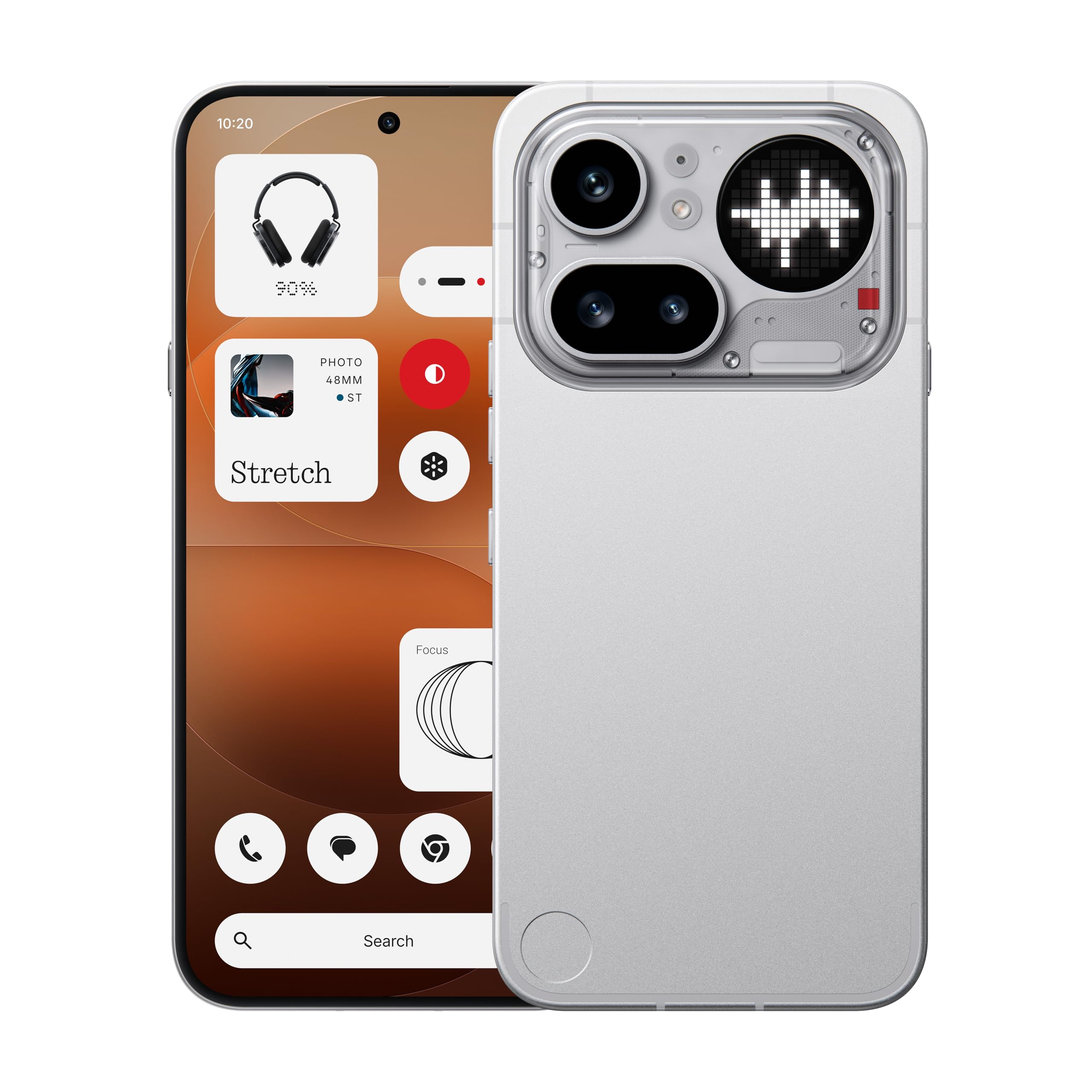

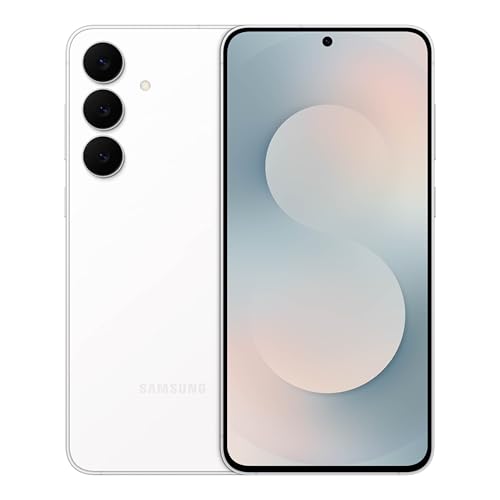

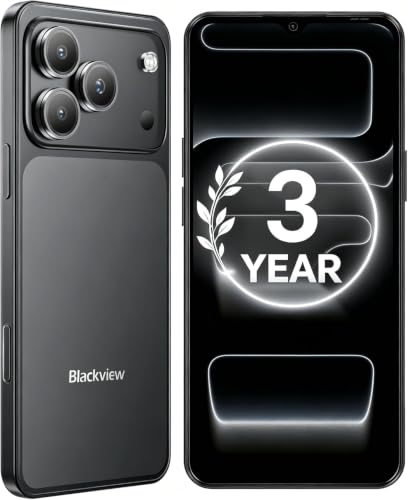
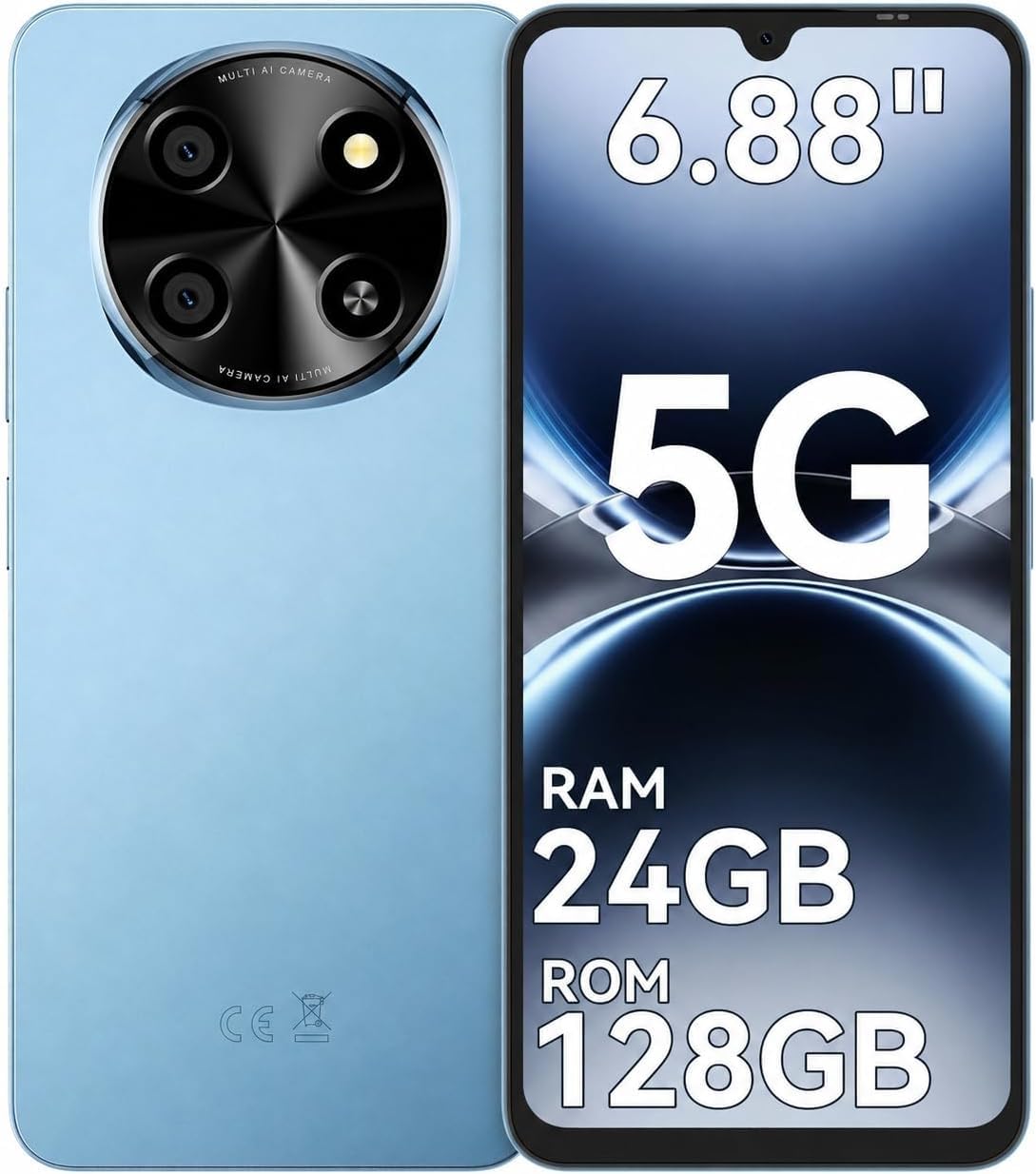
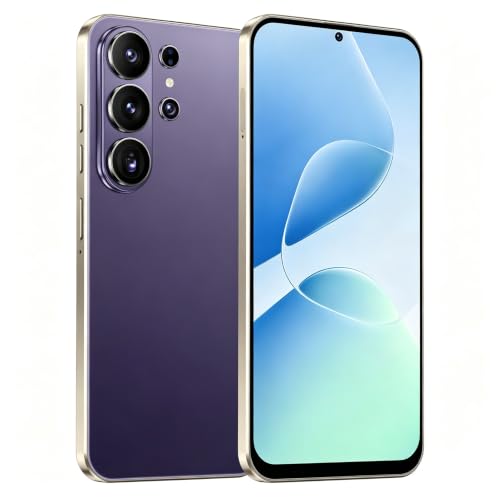

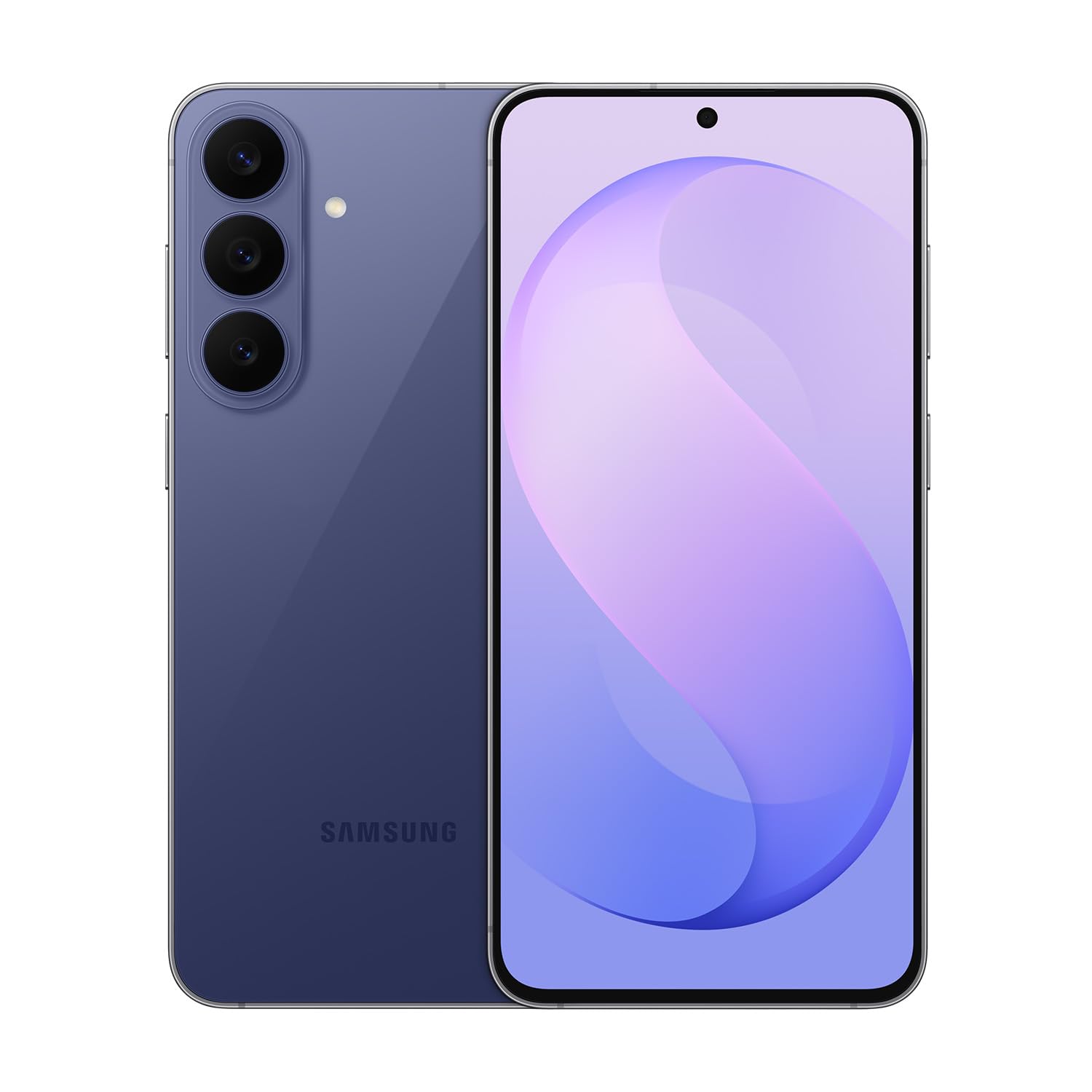
Our Top 3 Paths at a Glance
Best Overall Path
The overall path is a current midrange or entry flagship phone with an OLED display, a battery around 4,500 to 5,000 mAh, and at least four years of security updates promised. It suits most people because it balances camera quality, speed, and price without forcing compromises you feel daily. Expect to pay around $400 to $700. The limitation is that you give up the best zoom cameras and the fastest charging, which live in the premium tier.
Best Value Path
The value path targets phones around $200 to $400 that keep the essentials strong: a bright screen, a reliable main camera, and a battery that lasts a full day. Makers save money on secondary cameras, build materials, and water resistance, which are fair trades for many buyers. Students and light users who mostly message, browse, and stream will feel well served. The watch out is update support, which shrinks at this price, so check the promised years before you buy.
Best Premium Path
The premium path, usually around $700 to $1,000, buys the best cameras, the brightest displays, wireless charging, and the longest software support in the industry. It fits photographers, mobile gamers, and anyone who keeps a phone four years or more, because the extra support stretches the useful life. You also get stronger water resistance and premium materials. The honest trade off is value over time, since a midrange phone at half the price covers most daily tasks nearly as well.
How to Choose a 6 Inch Smartphone: Buying Guide
Display Size and Quality
Screen size is measured diagonally, and phones near six inches pair well with narrow bodies that stay comfortable in one hand. Prefer OLED panels for deep blacks and strong contrast, and look for a refresh rate of 90 Hz or 120 Hz, which makes scrolling and animation visibly smoother than the older 60 Hz standard. Outdoor brightness matters as much as resolution, so favor phones rated around 1,000 nits peak or higher if you read maps and messages in sunlight often.
Battery Life and Charging Speed
Capacity between about 4,300 and 5,000 mAh is typical in this size, and efficient processors often matter more than raw capacity. A full day of mixed use with screen time to spare is a reasonable expectation. Wired charging at 25 watts or faster refills most of the battery in about an hour, while wireless charging adds desk and car convenience at a slower pace. Avoid leaving any phone on a hot car dashboard while charging, because heat ages batteries faster than daily use does.
Carrier Compatibility and 5G
Buy unlocked when you can, so you can change carriers without replacing the phone. Confirm the model supports the 5G bands your carrier uses, especially if you import a variant sold for another region, because missing bands mean weaker coverage even when a phone technically connects. Shoppers comparing size classes closely may also want to review the guide to the best smartphones under 6 inch for slightly smaller options that trade screen space for grip.
Build, Durability, and Water Resistance
An IP68 rating means the phone can survive brief submersion in fresh water, while IP64 or similar ratings only promise splash protection. Modern hardened glass on the front resists keys and coins well, though grit and sand still scratch any glass. A slim case and a screen protector remain cheap insurance in every tier. Plastic frames and backs dent less dramatically than glass and weigh less, which some buyers actively prefer for a phone this size.
Software Updates and Support Window
Update promises now separate good purchases from poor ones. Leading makers offer five to seven years of security updates on premium models and around four to five years on midrange lines, while the cheapest phones may stop after two. Longer support keeps banking and health apps working and protects resale value. Check the exact promise for the exact model, because support often differs within one brand family. A phone that stops receiving security patches becomes a risk even if the hardware still feels fast.
Processor and Everyday Performance
For messaging, browsing, streaming, and photography, any recent midrange processor with 6 to 8 GB of RAM feels smooth. Gamers and heavy multitaskers benefit from flagship chips and 12 GB of RAM, mainly for sustained performance rather than peak speed. Storage speed matters too, since faster storage makes apps and large photo libraries open more quickly. Do not pay for benchmark bragging rights you will never notice, but do avoid the very cheapest chips if you plan to keep the phone beyond three years.
Camera System
Judge cameras by the main sensor and its image processing, not by lens count. A good main camera with optical stabilization handles low light and walking video well, and night mode on current phones makes indoor photos genuinely usable. Ultrawide lenses help with groups and interiors, while a true telephoto lens is mostly a premium feature at this size. Front camera quality matters for video calls, so check its resolution and autofocus if you present or teach online often.
Types of 6 Inch Smartphones
Camera Focused Phones
Camera focused models put the largest sensors, the best stabilization, and often a telephoto lens into this compact size. They suit parents, travelers, and creators who want strong photos without carrying a separate camera. The costs are higher prices and sometimes shorter battery life, because big sensors and bright screens draw power. If photography drives your purchase, this is the category to study first.
Budget Phones
Budget models under about $300 cover communication, streaming, and casual photography with surprising competence. Screens are often LCD rather than OLED, and update windows are shorter. They fit first phones, backup phones, and anyone whose use is light. Buyers cross shopping screen sizes can compare with the guide to the best 5 inch smartphones, though that smaller class is now rare and mostly older stock.
Flagship Phones
Flagships combine the fastest processors, the brightest displays, and the longest update promises in this size. They fit power users who keep phones for years and want every feature, including wireless charging and top tier water resistance. The downside is repair cost, since premium screens and glass backs are expensive to replace. Insuring or casing a flagship is close to mandatory for most owners.
Compact Phones
Compact models push below the six inch mark or trim body width aggressively for true one hand use. Fans love the pocket friendly size and light weight. The compromises are smaller batteries and, increasingly, limited choice, because few makers still build them. Shoppers in this corner should also read the guide to best smartphones 6 inch screen models to see how close the mainstream class comes to compact comfort.
Picking the Right Phone for Different Uses
Best 6 Inch Smartphones under 400
Shoppers hunting best 6 inch smartphones under 400 should protect three things: at least four years of security updates, an OLED or high quality LCD screen at 90 Hz or better, and 128 GB of storage or more. At this price those three choices shape daily satisfaction far more than a third camera lens. Charging speeds are usually decent, while wireless charging and high water resistance are the features to surrender willingly.
Best Used 6 Inch Smartphones
For best used 6 inch smartphones, remaining update life is the top criterion, so favor models that launched within the last two to three years from lines with long support promises. Check battery health in settings where the system shows it, and inspect the screen for burn in on OLED panels by displaying a plain gray image. Buy from sellers with a return window, and confirm the phone is paid off and not carrier locked before money changes hands.
How to Make Your 6 Inch Smartphone Last Longer
- Use a case and screen protector from day one, because one cracked screen often costs more than both combined many times over.
- Keep software updated promptly, since security patches protect your accounts and app updates often improve battery behavior.
- Avoid charging in extreme heat, and skip leaving the phone at full charge on a charger for days, which stresses the battery.
- Back up photos regularly to cloud or local storage, so a lost phone never means lost memories and a full storage warning never blocks a shot.
- Keep at least a few gigabytes of storage free, because nearly full phones slow down and fail updates more often.
Readers still deciding between close size classes can finish their comparison with the guide to the best smartphones under 6 inch screen, which focuses on the smallest current options.
Frequently Asked Questions
Do I need 5G on a 6 inch smartphone?
Yes for most buyers, because carriers now build their best coverage and capacity on 5G, and new phones include it at nearly every price. You do not need the fastest millimeter wave variant unless your carrier offers it in your city and you use mobile data heavily. What matters more is band support for your specific carrier. A phone missing a key low band will show weak rural coverage no matter how impressive its speed test looks downtown.
Is a midrange phone good enough?
For most people, yes, a midrange phone handles messaging, maps, streaming, banking, and everyday photography without slowdowns you will notice. The gaps show up in zoom photography, sustained gaming, and premium extras like wireless charging. Midrange buyers also trade away some years of updates at the lowest prices, so choose a line with a stated support promise. If you keep phones about three years and rarely game, midrange money is usually the smart spend.
Should I buy an unlocked smartphone?
Buying unlocked is the safer default, because the phone works on any compatible carrier, travels abroad with a local plan or travel eSIM, and sells for more later. Carrier deals can still make sense when the total cost over the contract is genuinely lower, so add up every monthly device payment before deciding. Also confirm an unlocked model supports your carrier bands, since unlocked describes the lock status, not guaranteed network compatibility.
How much storage do I need on a smartphone?
Most people should start at 128 GB, which covers apps, a large photo library, offline music, and some video without constant cleanup. Choose 256 GB if you shoot lots of 4K video, download shows for travel, or keep the phone four years or longer. Cloud storage helps photos but does not replace local space for apps and offline media. Since almost no phones in this class accept memory cards, buy the storage you will need in year three, not year one.
How many years of updates should a phone get?
Aim for at least four years of security updates, and prefer five to seven if you keep phones a long time or plan to hand the device to a family member later. Security updates matter more than feature updates, because they keep banking, email, and health apps safe to use. Check the promise for the exact model before buying, since makers vary support by line. A phone near the end of its support window should be priced like it, especially on the used market.
Wrapping Up
Decide on update support first, then display quality and battery, then cameras, because that order matches how satisfaction holds up over years of ownership. Value models serve light users well, premium models reward photographers and long term keepers, and the product table above makes the trade offs easy to compare. Whichever path you take, the best 6 inch smartphones prove you no longer have to choose between a phone that fits your hand and one that keeps up with your day.