Best 5 Inch Smartphones 2026: Compact Phone Buying Guide
Disclosure: We may earn a commission when you buy through links on this page, at no extra cost to you. As an Amazon Associate I earn from qualifying purchases. Learn more

Compare 5 inch smartphones by one hand use, screen clarity, battery life, camera, and storage, with sizing and daily use guidance for small phone fans.
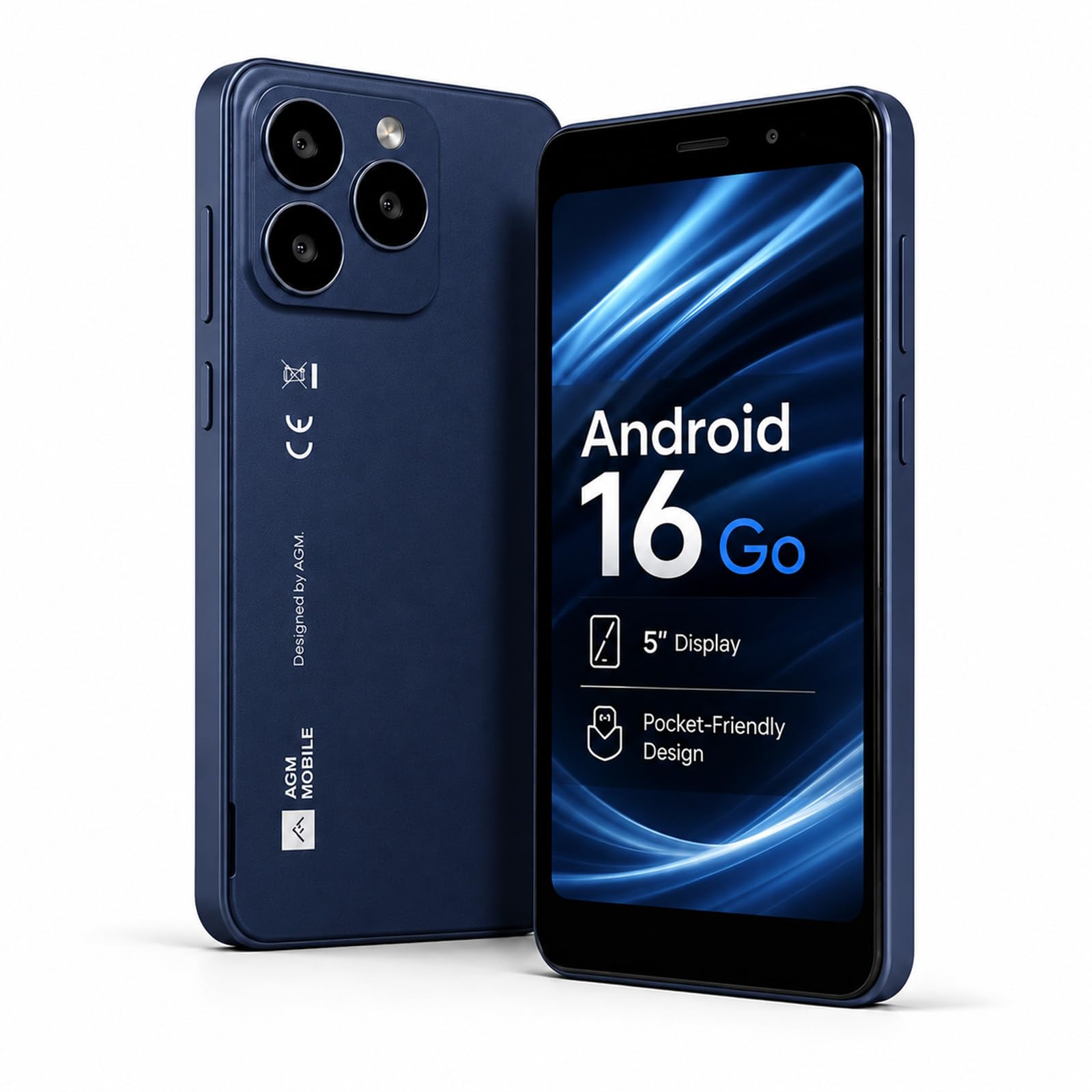
A 5 inch phone fits one hand, slides into any pocket, and still handles calls, maps, messages, and photos. This guide to the best 5 inch smartphones explains what to check on a compact phone, from screen clarity to update support, so you can choose a model that suits your hand and your budget.
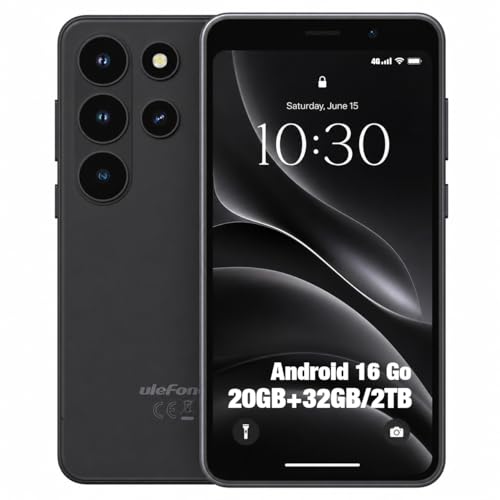
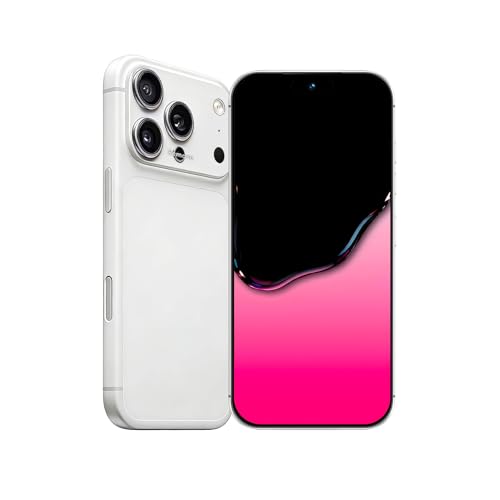
The product table below lines up the current choices. The sections that follow cover one hand use, display, battery, camera, storage, and carrier checks, plus the mistakes that make small phones frustrating.
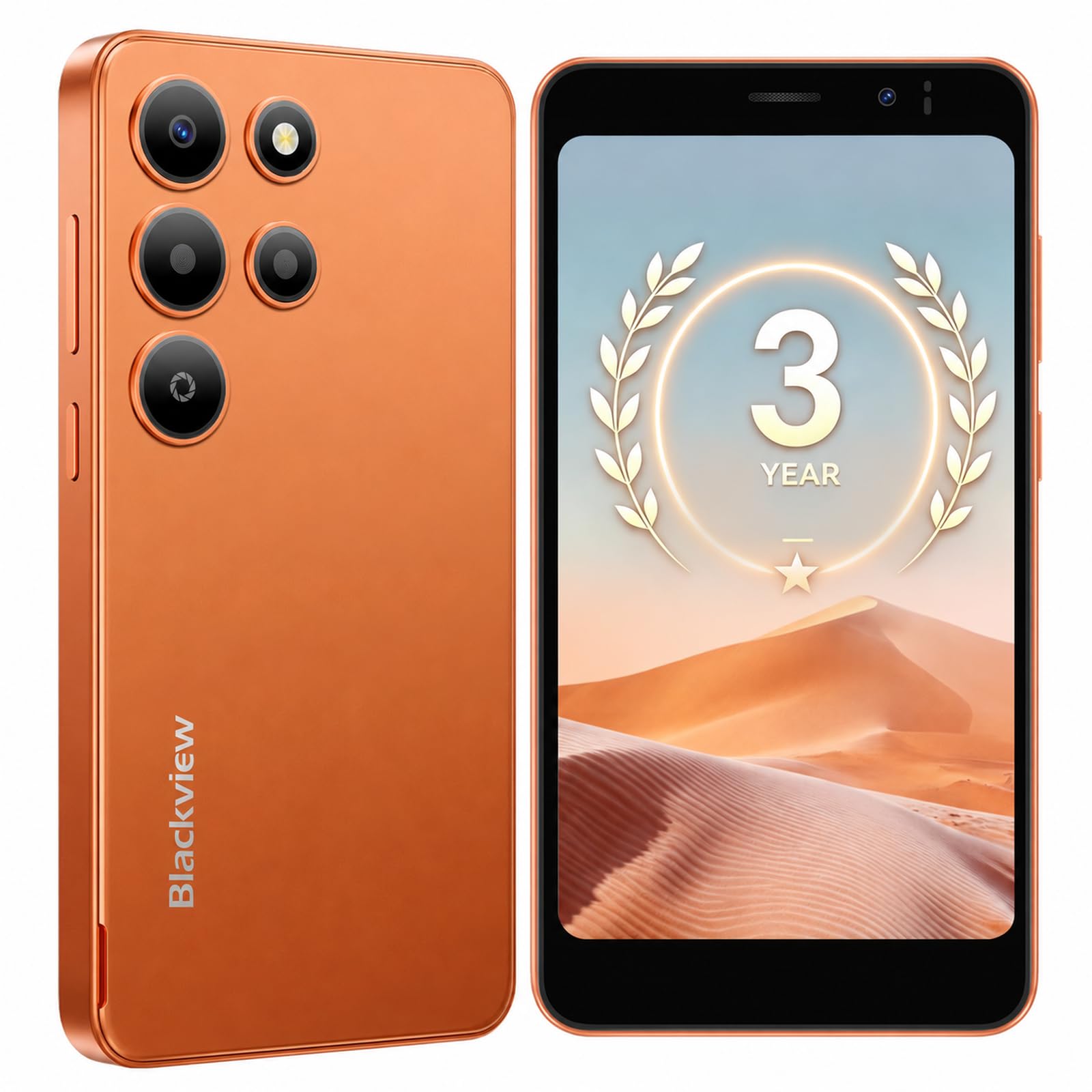


Who Should Buy a 5 Inch Smartphone
A 5 inch phone suits anyone who types with one hand, carries a phone in a front pocket, or wants a light backup device. It also suits first time buyers, seniors, and travelers who value an easy grip over a large view.
The trade off is a smaller screen for video, maps, and split screen tasks, and often a smaller battery. Few new phones use this size, and many of them are budget models, so plan around a clear priority such as hand comfort or price rather than expecting flagship performance.
Key Features to Compare
One Hand Use and Size
Screen size is measured diagonally, but body size matters more in the hand. Check the width, weight, and where the power and volume keys sit. A phone with thick bezels can be as big as a larger screen model, so look at the body dimensions in the listing.
Display Quality
Resolution around 720p is typical at this size and looks acceptable, while 1080p looks sharper. Brightness matters outdoors, and an IPS or OLED panel keeps colors steadier than a basic panel. If text feels cramped, raise the font size in settings before you decide the screen is too small.
Battery Life
Compact phones often carry batteries of about 2,500 to 4,000 mAh. Screen brightness, 4G use, and background apps decide whether the phone lasts a day. A removable battery lets you carry a spare, which some buyers value on trips.
Camera
Judge the camera by the main lens, not the lens count. Budget compact phones often have basic cameras that work well in daylight and struggle indoors. Treat extra decorative lenses as marketing, and check that the front camera is enough for video calls.
Storage and Memory
Aim for at least 32GB of storage on a basic phone, and 64GB or more if you take many photos. A microSD slot helps on budget models. Check free space after system files, because a nearly full phone slows down.
Carrier Compatibility and Updates
An unlocked phone must support the bands your carrier uses in the United States. Check the exact model number, because regional versions can differ. Also look at how many years of security updates the maker promises, since budget phones may get few updates.
Common Mistakes to Avoid
- Buying by screen size alone and ignoring bands, storage, and update support.
- Choosing the smallest storage tier, then filling it with photos within a year.
- Assuming every version of a phone works on your carrier.
- Skipping a case because the phone feels sturdy in the store.
- Expecting flagship speed and camera quality from a budget compact.
Setup and First Use
Charge the phone fully, then run system updates before moving your data. Use a case and screen protector from the first day, transfer accounts with the maker tool, and confirm photos arrived before wiping the old phone. Turn on automatic backup for photos and messages, set a strong passcode, and restart the phone every week or two.
Add your carrier account app, your bank app, and an authenticator app while your old phone is still nearby for approval codes. That order prevents the classic lockout where the new phone needs a code sent to itself.
Budget
Most new 5 inch phones fall under about $150, with a few higher priced mini phones in other sizes. Spending more on a larger phone buys better cameras and longer support, but the compact size is the point here, so judge value by hand comfort, battery life, and carrier support.
Related Guides
If you want a slightly different size, compare our guides to the best smartphones under 5 inches, the best smartphones under 5 inch screen, the best sub 5 inch smartphones, and the best small smartphones under 5 inches.
Frequently Asked Questions
Are 5 inch smartphones still worth buying?
Yes, if one hand use and pocket size matter to you. They do everything larger phones do for calls, messaging, maps, and photos, but expect a smaller screen and battery.
Do I need 5G on a compact phone?
Not for basic use. Calls, messaging, maps, and standard video run well on 4G LTE. Choose 5G only if you keep the phone for years or use it as a hotspot.
How much storage do I need?
32GB is a minimum for a basic phone, and 64GB or more suits photo takers. A microSD slot, where offered, adds cheap room for music and photos.
Should I buy an unlocked phone?
Usually yes, because it works across carriers and avoids carrier extras. Confirm the band support for your carrier before the return window closes.
How long should a small phone get updates?
Aim for at least three years of security updates. Count from the release date, and be careful with older discounted models that may have little support left.
Final Thoughts
Start with hand comfort, then check bands, storage, and update support. Use the product table above to compare your finalists, and you will find the best 5 inch smartphones for your pocket and your budget without paying for features you will not use.