
Best 6 Core Laptops: Which One Fits the Way You Use It for 2026?
Disclosure: We may earn a commission when you buy through links on this page, at no extra cost to you. As an Amazon Associate I earn from qualifying purchases. Learn more

Not all 6 core laptops fit every routine. See which best 6 core laptops match how you actually use them, what features to prioritize, and what to skip.
There is no single laptop that suits every person, and core count alone will not tell you which machine fits your day. The best 6 core laptops for a student who writes essays all week look very different from the right choice for someone who edits video or plays games at night. Six cores give you comfortable headroom for everyday multitasking, but the screen, weight, battery, and graphics matter just as much.
This guide starts with how you actually use a laptop, then walks through the features that change daily life. Use the comparison table below to compare the basics side by side, then read the sections that match your routine most closely.
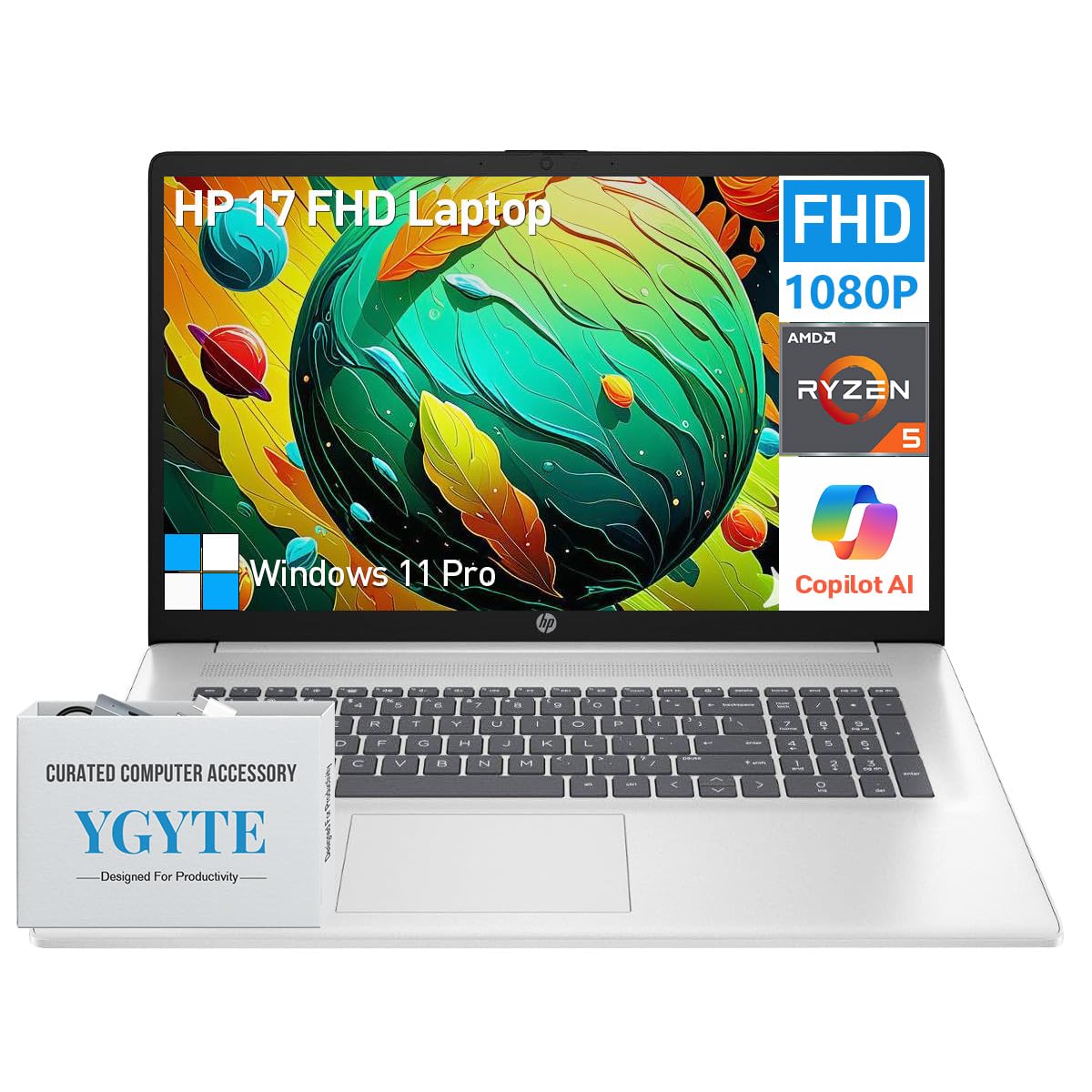

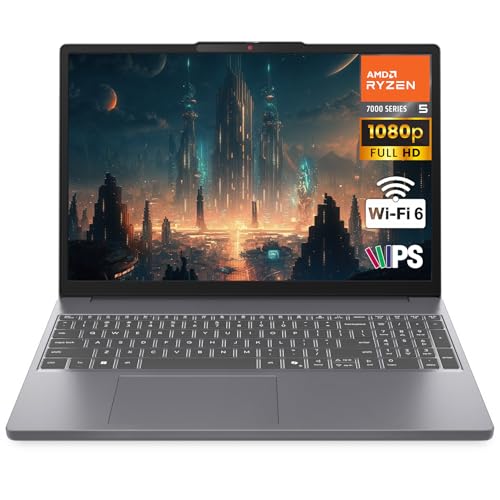
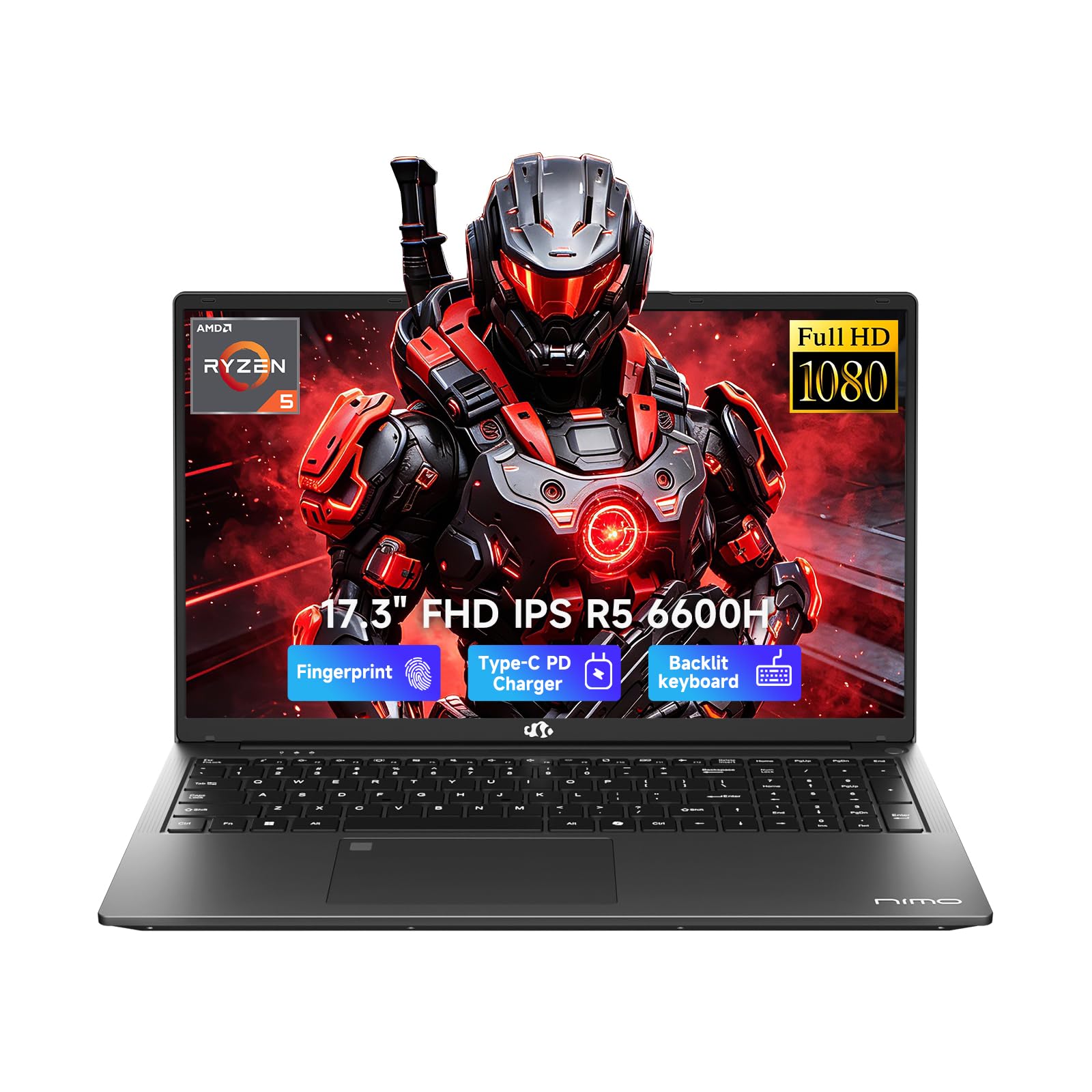
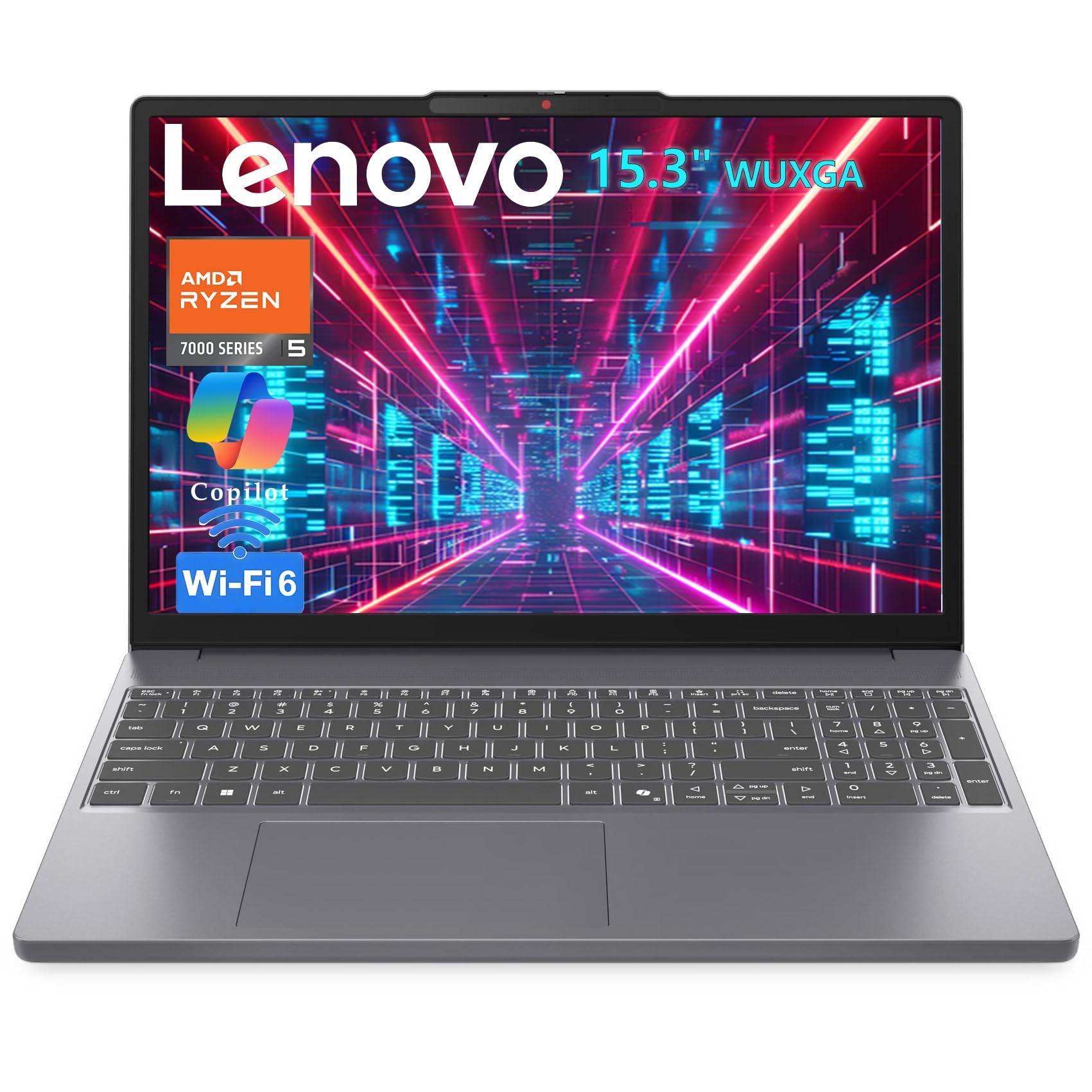
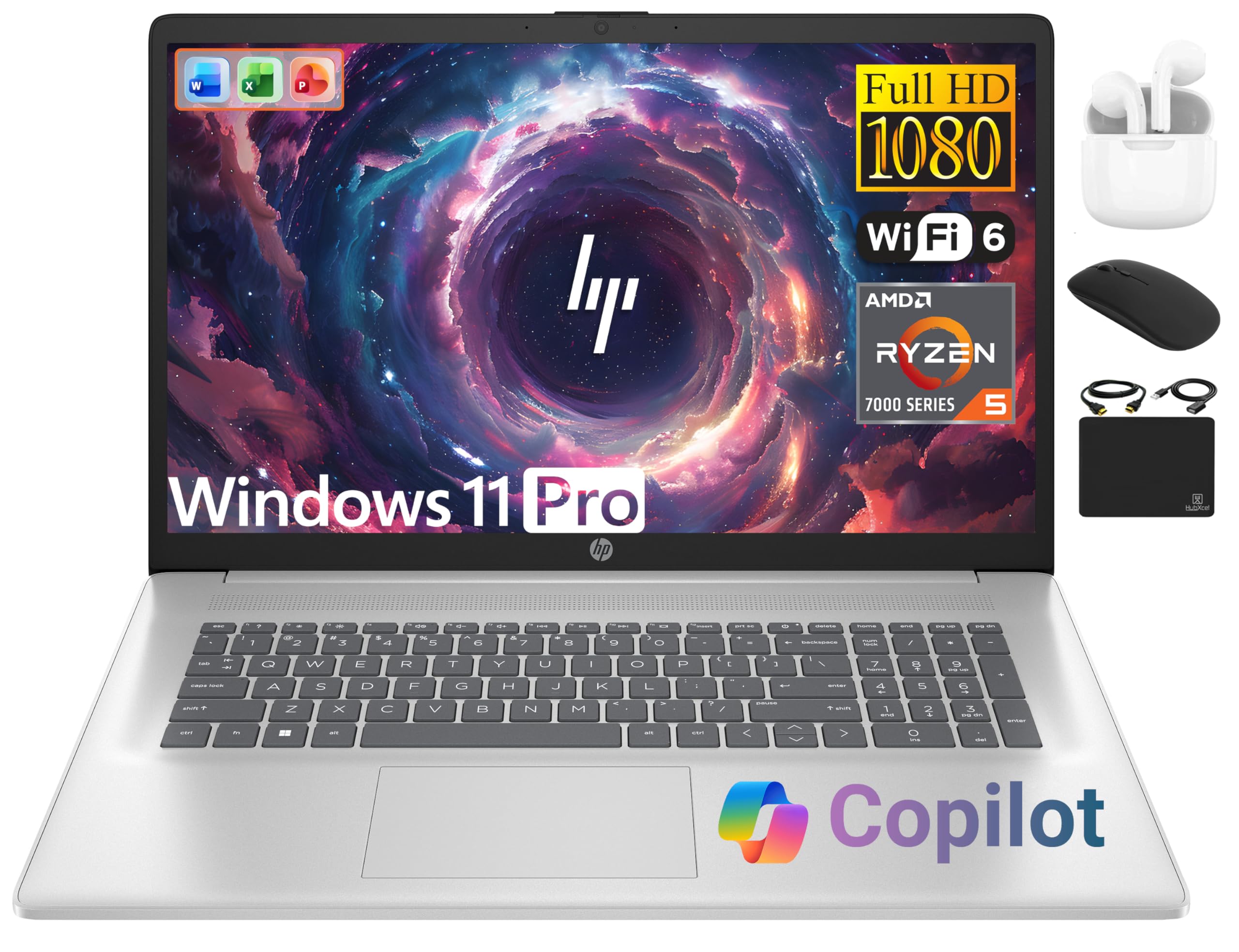
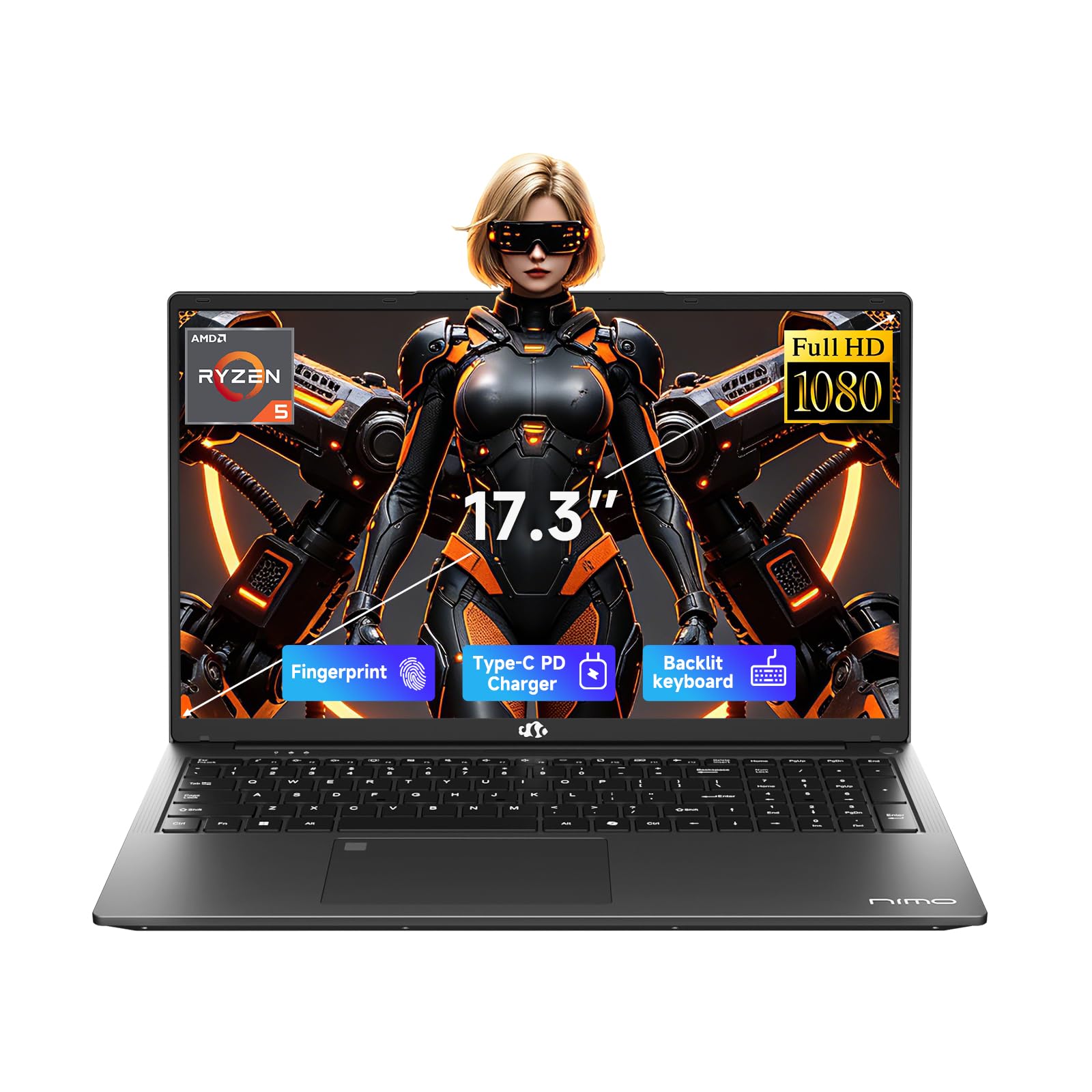
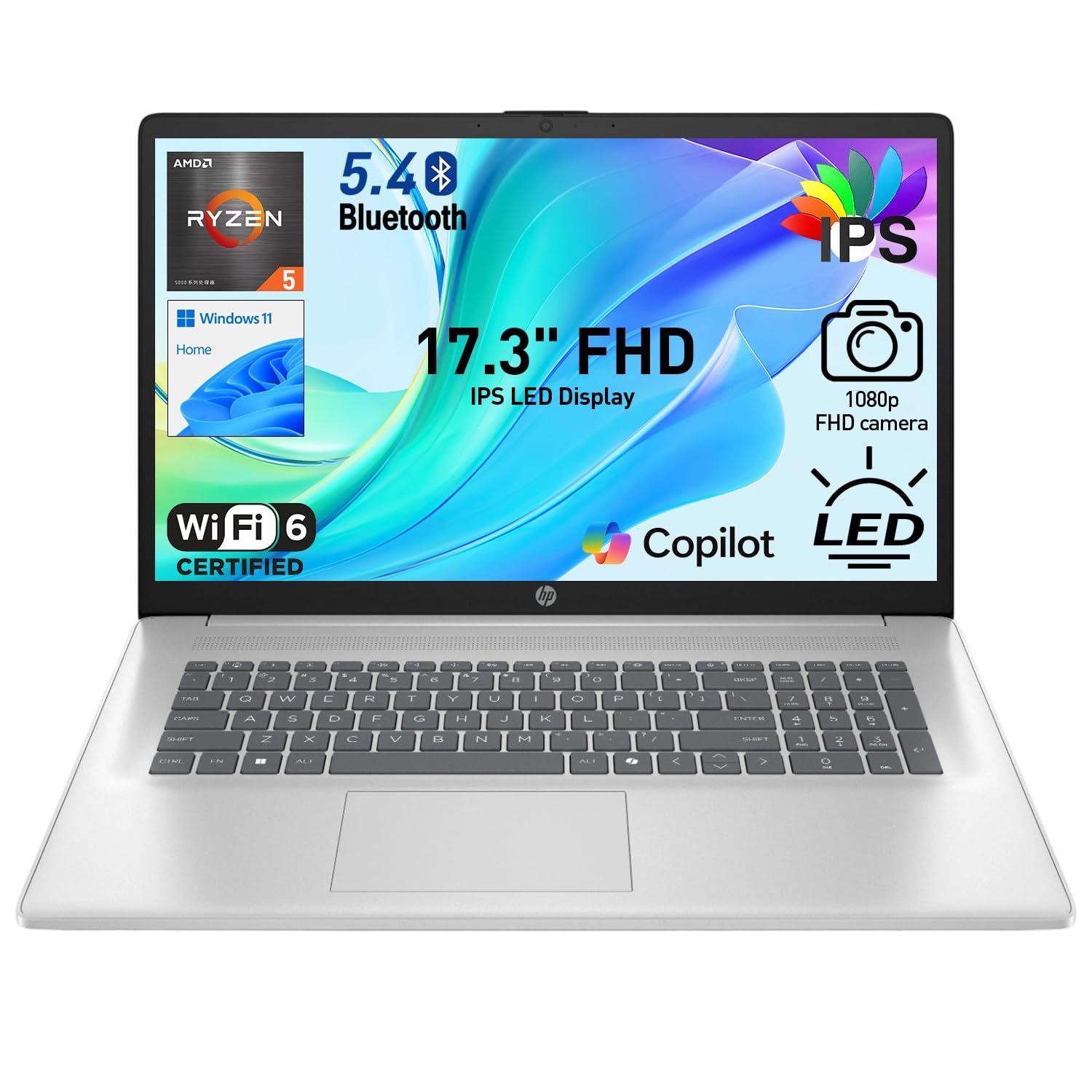
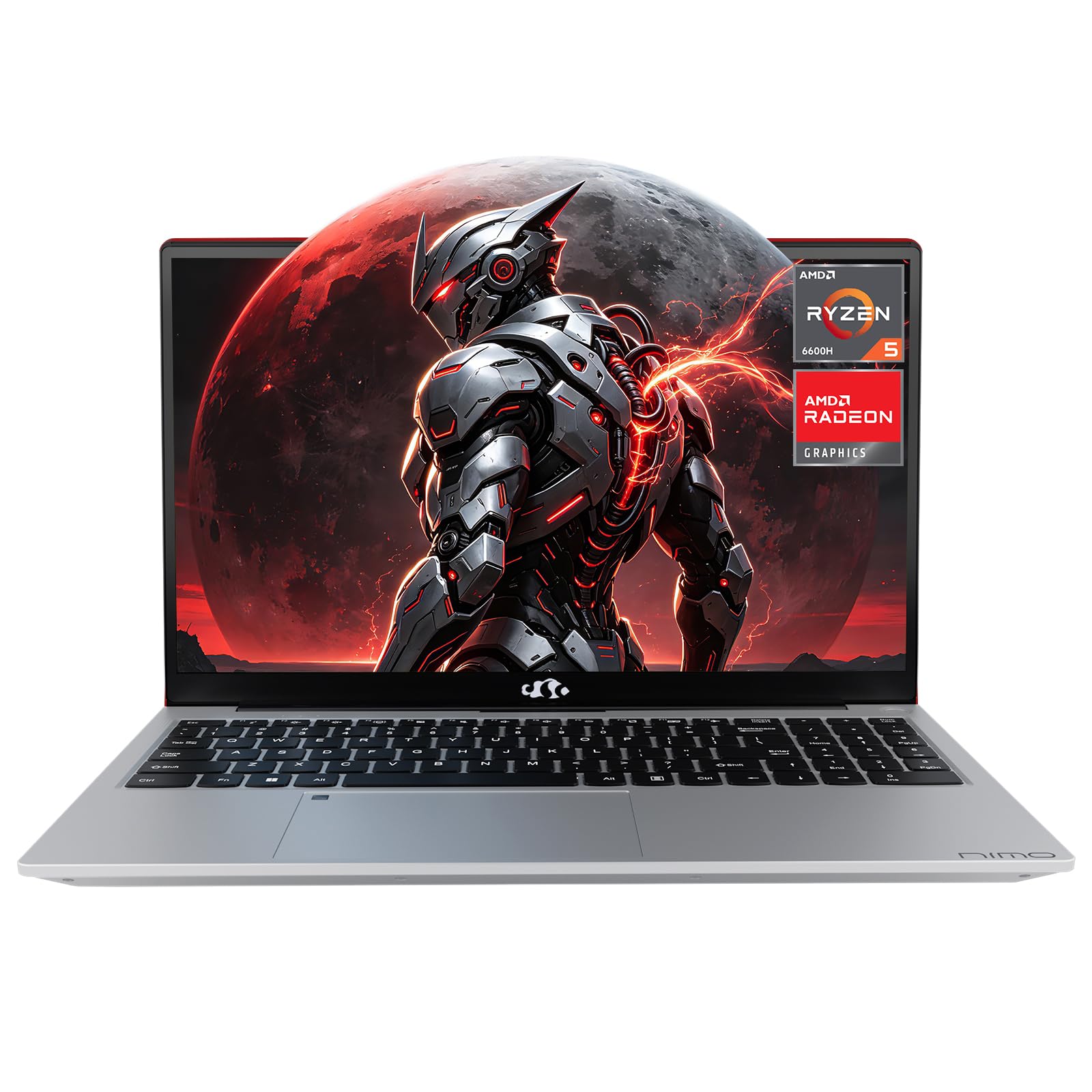
Who Should Buy Which 6 Core Laptops?
Start with your busiest normal day, not your easiest one. Think about the apps you keep open at once, where you sit, and how long you stay away from an outlet. The three groups below cover most buyers, and each one points you toward a different balance of power, portability, and price.
For Travelers and Commuters
If your laptop rides in a backpack or a tote every day, weight and battery should lead your list. Look for a machine under three pounds with a sturdy metal or reinforced plastic body that will not flex when you lift it by one corner. A bright screen helps on trains and in bright airport seating, and USB C charging means one small charger can serve your laptop and your phone. Skip a large dedicated graphics chip here, because it adds weight and drains the battery faster than most travel tasks justify.
For Gamers and Power Users
If you play games or run demanding creative software, the processor is only part of the story. You need a dedicated graphics chip, a screen with a high refresh rate for smooth motion, and cooling that can hold speed during long sessions instead of slowing down after ten minutes. Expect a heavier machine with a bigger power brick, and plan to play plugged in for the best results. Six cores handle modern games and streaming well, so spend your extra money on graphics, memory, and the display rather than on more cores.
For Remote Workers and Creators
Your priorities are a clear webcam, a good microphone, and a screen that is easy on your eyes through long calls and long documents. Look for at least 16 GB of memory if you keep many browser tabs, chat apps, and spreadsheets open together, because memory limits show up as stutter long before core limits do. Reliable WiFi, enough ports for a monitor and a headset, and a comfortable keyboard matter daily. If you edit photos or short videos, add a color accurate screen and a fast SSD to that list.
Key Features to Compare
Once your group is clear, compare features in the order they will affect you. A spec that looks minor on a product page, like keyboard travel or screen brightness, can shape every single day you own the machine. The points below translate common specs into plain decisions.
Weight and Portability
Weight decides whether your laptop goes with you or stays home. Under three pounds suits students and commuters who carry it all day, while three to four pounds is a fair trade if you gain a larger screen and better cooling. Check the charger weight too, because some power bricks add a full pound to your bag. Thickness matters for small desks and airplane trays. A practical test is to picture your full bag, with a water bottle and a book added, and ask honestly whether you would still bring the laptop along.
Display Size, Resolution, and Brightness
A 13 or 14 inch screen balances portability and working space, while 15 or 16 inch screens make spreadsheets, timelines, and split screen work far easier. For most people, resolution a step above basic full HD looks sharper without hurting battery life too much. Brightness counts outdoors and near windows, so look for about 300 nits or more. OLED panels give deep blacks and rich color for media and photo work, but they can cost more and may use more power at high brightness. Gamers should also check refresh rate, since 120 Hz or higher makes motion look much smoother.
If you are still deciding between slim everyday models, see our guide to the best notebook laptops for a closer look at portable designs and what they trade away.
Keyboard, Trackpad, and Build
You touch the keyboard and trackpad more than any other part, so give them real weight in your decision. Keys with a little travel and a firm, quiet press feel better across a long writing day than flat, mushy keys. A large trackpad with a smooth glass surface reduces your need for a mouse on the road. For build, aluminum bodies resist flex and dents, while good plastic can be lighter and cheaper. Check that the hinge opens smoothly, that the lid does not wobble, and that the ports sit firmly in the frame.
Processor and Performance Tier
All six core chips are not equal, because generation and power limits change real speed a lot. A newer chip in a slim laptop can beat an older chip with the same core count, and chips allowed more power in larger bodies run faster for longer. Office work, browsing, and classes need only the mainstream tier. Photo editing, coding with large projects, and light video work benefit from the stronger tier and from 16 GB of memory. If you are comparing core families, our guide to the best intel core for laptops explains how the tiers differ in plain language.
Readers who want a step up in heavy multitasking can also see our guide to the best i7 core laptops, while lighter budgets may fit our guide to the best i5 core laptops just as well for everyday work.
Battery Life in Real World Use
Claimed battery figures usually come from gentle video playback at modest brightness, so your real day of browsing, calls, and documents will be shorter. Treat maker claims as a comparison tool, not a promise. A machine rated for ten hours often gives seven or eight in mixed use, which still covers a school or work day. Fast charging over USB C is genuinely useful, since a short stop at an outlet can add hours. To protect battery health, avoid keeping the laptop at full charge and high heat for weeks at a time when a battery limit setting is available.
Common Mistakes to Avoid When Buying 6 Core Laptops
- Choosing on price alone. The cheapest option often saves money on the screen, keyboard, and battery, which are the parts you notice most.
- Ignoring weight and size. A powerful machine you leave at home helps less than a lighter one you actually carry.
- Buying far more power than you need. Extra performance you never use still costs money, weight, and battery life.
- Buying too little memory or storage. Memory is soldered in many slim models, so 8 GB today can become a limit you cannot fix later.
- Skipping warranty and return terms. Read the return window and the warranty length before you buy, especially for refurbished machines.
Setup and Care Tips
On your first day, run system updates and firmware updates, then remove trial apps you will never open. Turn on automatic backups to an external drive or a cloud service before you move your real files over, not after a problem. Keep vents clear on soft bedding, and use a padded sleeve when you commute so corners survive small drops. Clean the screen with a soft microfiber cloth and no harsh sprays. Every few months, check your storage, because a nearly full SSD can slow the whole system down.
If you want to understand how core counts and generations affect value over time, our guide to the best core processors for laptops is a helpful next read.
Frequently Asked Questions
Is a dedicated GPU worth it on a 6 core laptop?
It depends on your software. Games, 3D work, and many video editing effects rely on the graphics chip far more than on the processor, so a dedicated GPU is worth it for those tasks. For writing, browsing, classes, and office apps, integrated graphics are enough, and skipping the extra chip saves money, weight, and battery. One middle path is to check whether your main editing app uses GPU acceleration, since that answer settles the question quickly.
How much RAM do I need in a 6 core laptop?
Most buyers should choose 16 GB. That amount handles many tabs, office apps, chat tools, and light creative work without slowdowns, and it extends the useful life of the machine. Eight GB can work for simple school use on a tight budget, but it leaves little headroom. Choose 32 GB only if you edit large video projects, run virtual machines, or work with big data sets, because beyond your real workload extra memory adds cost without visible benefit.
How long should a 6 core laptop last?
A well chosen model should serve four to six years for everyday work. The battery usually ages first, often holding noticeably less charge after three or four years, and replacement cost is worth checking before you buy. Memory and storage choices shape lifespan more than cores do, since six cores will stay adequate for office and school tasks for a long time. Gentle handling, software updates, and a battery replacement when needed can add another useful year or two.
Is a Chromebook enough for school instead of a 6 core laptop?
For younger students whose work lives in a browser, a Chromebook can be enough and often costs less. It falls short when a class needs specific Windows or Mac software, offline tools, or local storage for media projects. Check the school software list before you decide, because one required desktop app can rule out a browser only machine. Older students in science, design, or engineering courses usually need a full laptop instead.
Should I buy a laptop or a tablet instead?
Choose a laptop if you type long documents, manage files, or run full desktop apps, because a real keyboard, trackpad, and file system make that work far easier. A tablet suits reading, drawing, media, and short notes, and it can pair with a keyboard for light writing. Many people find a midrange laptop plus an older tablet covers both jobs better than one costly convertible that compromises on each. Your longest weekly task should decide which device gets the bigger share of your budget.
Our Verdict
Match the machine to your routine first, then compare weight, screen quality, and memory before you look at small speed differences. Travelers should protect portability and battery, gamers should fund graphics and cooling, and remote workers should fund the screen, camera, and keyboard. Chosen that way, the best 6 core laptops give you years of comfortable use without paying for power you never touch. Look back at the product table above and shortlist two or three models that fit your group, then decide on price and warranty.


