Best 6 1/2 Inch Circular Saw: Buying Guide (2026)
Disclosure: We may earn a commission when you buy through links on this page, at no extra cost to you. As an Amazon Associate I earn from qualifying purchases. Learn more

Brushless, brushed or compact: how to match a 6 1/2 inch circular saw to your cuts, battery platform and arm.
A 6 1/2 inch circular saw sits in a sweet spot. It is light enough to control with confidence on a ladder or at the end of a sheet of plywood, yet it still cuts framing lumber in a single pass. The hard part is that models in this size vary a lot in motor power, battery runtime, and balance, so the best 6 1/2 inch circular saw for you depends on the work you actually do.
This guide compares the main types in this size by power and performance, battery platform and runtime, and ergonomics and weight. Use the comparison table below for a quick overview, then read on for the details. If you are still deciding between sizes, our guide to the best circular saw covers the full range.

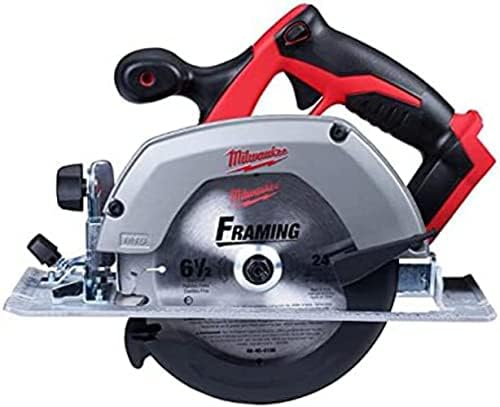


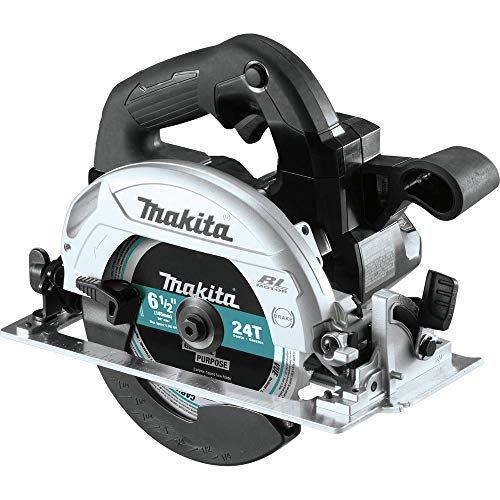
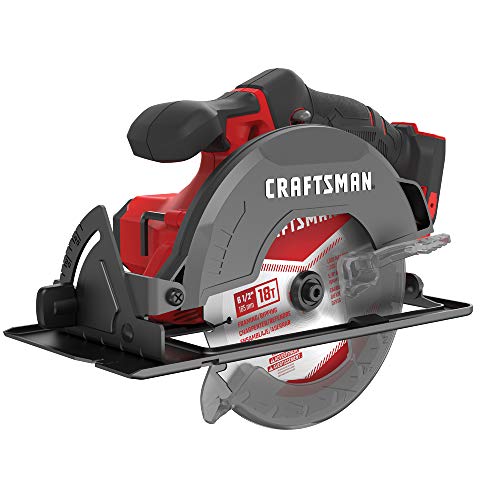


Types of 6 1/2 Inch Circular Saws Compared
Instead of chasing individual models, it helps to sort this size class into three broad types. The differences show up in weight, runtime, and price more than in raw cutting ability.
Cordless Brushless Models
Brushless motors deliver more torque per charge and hold blade speed better when a cut gets demanding, which matters in wet lumber or stacked sheet goods. These saws are the strongest option in this size and the best fit if the saw will see regular use on remodels or decks. Expect to pay more, and expect the best results when you pair the saw with a larger capacity battery from the same platform.
Cordless Brushed and Corded Models
Brushed cordless models cost less and handle trim work, shelving, and occasional framing cuts without trouble, though they drain batteries faster under load. Corded models in this size are less common, but they give you steady power with no charging breaks, which suits a fixed workshop. If endless runtime matters more than portability, see our roundup of the best corded circular saw options in the larger sizes too.
Compact Models for Tight Spaces
Some 6 1/2 inch saws are built extra compact, with shorter shoes and lighter bodies meant for working inside cabinets, between studs, or overhead. They trade a little depth and power for control in awkward spots. If most of your cutting happens in confined areas, look at the best mini circular saw category too, which shrinks the format even further.
Key Features to Compare
Cutting Depth and Bevel Capacity
A 6 1/2 inch blade typically cuts about 2 1/8 inches deep at 90 degrees, which clears standard framing lumber, at 1 1/2 inches thick, with room to spare. Bevel capacity matters just as much if you cut roof rafters, stair stringers, or mitered trim ends. Most saws in this class bevel to about 45 to 50 degrees, and a positive stop at 45 degrees speeds up repeat cuts. Check the depth at bevel too, because it drops as the blade tilts, and confirm the saw you want still clears your stock at the angles you use most.
Power and Blade Speed
Cordless saws in this size usually spin the blade at about 4,500 to 5,800 rpm, and higher speed generally means cleaner cuts and less bogging down in dense material. Power ratings are hard to compare across brands, so treat rpm and motor type as rough guides rather than exact rankings. What you feel in use is how well the saw holds speed when the cut gets long or the wood gets wet. A saw that slows and strains leaves rougher edges and wears blades faster, so steady speed under load is worth more than a big number on the box.
Weight and Ergonomics
Most bare tools in this class weigh about 6 to 8 pounds, and the battery adds more, so total working weight is what your arm actually feels. Balance matters as much as weight. A saw that carries its weight over the shoe feels steadier than one that pulls toward the motor. Grip shape, a reachable blade lock, and depth and bevel levers you can adjust without tools all reduce fuss on a job. If you cut sheet goods on sawhorses all day, a lighter saw with a comfortable grip will leave you fresher than a heavier saw with slightly more power.
Battery Platform and Runtime
With cordless models, the platform decision often matters more than the saw itself, because the batteries and charger are a shared investment across your tools. A compact 2.0 amp hour battery keeps weight down but runs short in framing lumber, while a 5.0 amp hour pack cuts far longer and adds noticeable heft. If you already own tools on one 18 or 20 volt platform, staying with it saves real money. Buyers starting fresh should weigh how many other tools they plan to add, since the saw is rarely the last purchase.
Blade and Arbor Compatibility
Nearly every saw in this size uses a 5/8 inch arbor, so blades are easy to find, but always confirm the arbor size before ordering spares. Blade choice shapes cut quality more than most buyers expect. A general purpose blade around 24 teeth handles framing and rough plywood, while higher tooth counts leave cleaner edges in finish work. Thin kerf blades suit cordless saws well because they remove less material and ask less of the motor. Keep one spare blade on hand, since a dull blade makes any saw feel weak.
Safety and Sight Line Features
An electric brake that stops the blade quickly after you release the trigger is worth having, especially when you make repeated cuts and set the saw down often. A clear view of the cut line matters too. Many cordless models in this size place the blade on the left, which gives right handed users a direct sight line along the cut. A working dust port that fits a shop vacuum helps indoors, and a sturdy lower guard that retracts smoothly and snaps back fully is a basic safety check on any saw you consider.
How to Choose the Right 6 1/2 Inch Circular Saw
Start with the material you cut most. If your work is plywood, trim, flooring underlayment, and the odd framing repair, this size covers it comfortably. If you regularly rip thick hardwood or cut engineered beams, step up to a 7 1/4 inch saw, which adds depth and power at the cost of weight. For heavy timber cuts, our look at the best worm drive circular saw explains when that layout earns its keep.
Next, decide how the saw fits the rest of your cutting tools. A circular saw and a miter saw overlap less than many buyers think, and our comparison of circular saw vs miter saw walks through which cuts each tool owns. In short, the circular saw travels to the work and handles sheet goods, while the miter saw stays in one place for precise crosscuts.
On price, most cordless bare tools in this size run about $80 to $180, and kits with a battery and charger run about $150 to $300. The lower end suits light DIY use a few weekends a year. The upper end buys a brushless motor, better runtime, and a longer warranty, which pays off if the saw earns money or anchors a growing tool collection. Corded options, where you can find them in this size, usually cost about $60 to $120.
Common Mistakes to Avoid
- Buying a bare tool without checking battery cost, so the saw ends up costing more than a full kit.
- Using a small compact battery for framing cuts, then blaming the saw when runtime and power fall short.
- Forcing a dull blade through cuts, which strains the motor, burns the wood, and raises the risk of kickback.
- Cutting without supporting both sides of the sheet, so the offcut drops, pinches the blade, and spoils the cut.
- Ignoring the bevel depth rating, then finding the saw cannot finish an angled cut in thick stock.
- Storing the saw with the blade guard wedged open, which leaves the blade exposed in the toolbox.
Care and Maintenance
Good care for this saw is mostly blade care and housekeeping. Brush or blow dust out of the motor vents after dusty work, and wipe resin and pitch off the blade, since buildup adds friction and heat. Check the lower guard often; it should move freely and cover the blade fully when the saw is off the wood. Inspect the shoe for bends after any drop, because a bent shoe makes straight cuts nearly impossible.
Store the saw dry, with a blade cover or in its case, and remove the battery for long storage. If your cordless saw starts to feel weak, check the blade first and the battery health second before assuming the motor is failing. Corded owners should inspect the cord for nicks near the plug and the strain relief. Stop using the saw and have it serviced if the guard sticks, the blade wobbles, or you see sparks and smell burning from the motor vents, as those signs point to faults that need a professional.
FAQ
Can a 6 1/2 inch circular saw cut a 2x4 in one pass?
Yes, at 90 degrees it can, because the cut depth of about 2 1/8 inches clears the 1 1/2 inch thickness of a standard 2x4 easily. The useful detail is what happens at a 45 degree bevel, where depth drops. On most models the beveled depth still just clears a 2x4, but it leaves no margin, so a slightly deeper blade setting and a steady feed matter. For doubled up framing members, flip the board and finish from the other side.
What blade tooth count is best for plywood on a 6 1/2 inch circular saw?
For plywood you plan to show, choose a blade with about 40 to 60 teeth, which shears the veneer more gently than a coarse framing blade. A practical approach is to keep two blades, a 24 tooth blade for framing and rough work and a finer blade you swap in for sheet goods and trim. Swapping takes a minute with the spindle lock, and it saves you from sanding out chipped edges later.
How do I reduce splintering when cutting plywood with a circular saw?
Cut with the good face down. A circular saw blade enters from below and exits at the top, so splintering happens on the top face, and placing the show side down keeps it clean. Scoring the cut line with a utility knife first also helps on stubborn veneers. Support the sheet fully on foam board or a flat bench so it cannot sag and bind as the cut finishes, and let the blade reach full speed before it touches the wood.
How long does a 6 1/2 inch circular saw last?
The saw body usually outlasts several blades and, on cordless models, at least one set of batteries. Brushed motors eventually need new brushes, which are cheap and often user replaceable, while brushless motors remove that chore. The parts that actually wear out in normal use are the blade, the battery packs, and sometimes the lower guard spring. Treat the saw as a long term tool, keep it clean and dry, and it should serve through many years of weekend projects.
Is a 6 1/2 inch circular saw worth it if I already own a 7 1/4 inch saw?
It can be, because the smaller saw earns its place on jobs where weight and reach matter more than depth. Cutting subfloor in place, trimming deck boards, or working from a ladder all feel easier with a lighter tool. Many carpenters keep both sizes for exactly this reason. If your bigger saw already feels comfortable on every job you do, though, the smaller saw adds convenience rather than new capability.
How do I pick the best 6 1/2 inch circular saw for my projects?
Match the saw to your most common material, your battery platform and the weight you can handle comfortably. Then add a good blade, since the blade shapes cut quality as much as the motor.
Final Thoughts
The right choice comes down to matching the saw to your material, your battery platform, and the weight your arm can manage happily. Cordless brushless models suit regular and demanding work, brushed and corded options keep costs down, and compact bodies shine in tight spaces. Check your shortlist against the product table above, and before cutting, read our guide on how to use a circular saw for safe setup and technique. Chosen well, the best 6 1/2 inch circular saw becomes the saw you reach for first, because it is the easiest to grab and control.