
Best 5x7 Speakers 2026: Car, Marine and Bike Uses
Disclosure: We may earn a commission when you buy through links on this page, at no extra cost to you. As an Amazon Associate I earn from qualifying purchases. Learn more

5x7 speakers appear in cars, boats and motorcycles. Learn how use case changes the choice of materials, sealing, power and mounting. Read before you buy.
The same oval size serves very different jobs, from car doors to boat cockpits and motorcycle fairings. The best 5x7 speakers for one use may be a poor choice for another, because moisture, vibration, and mounting depth change what matters. Choosing by use case, rather than by specification alone, leads to a longer lasting result.
The comparison table below shows the main options side by side. This guide compares car, marine, and motorcycle uses, explains sealing and material choices, and covers power matching for each setting.


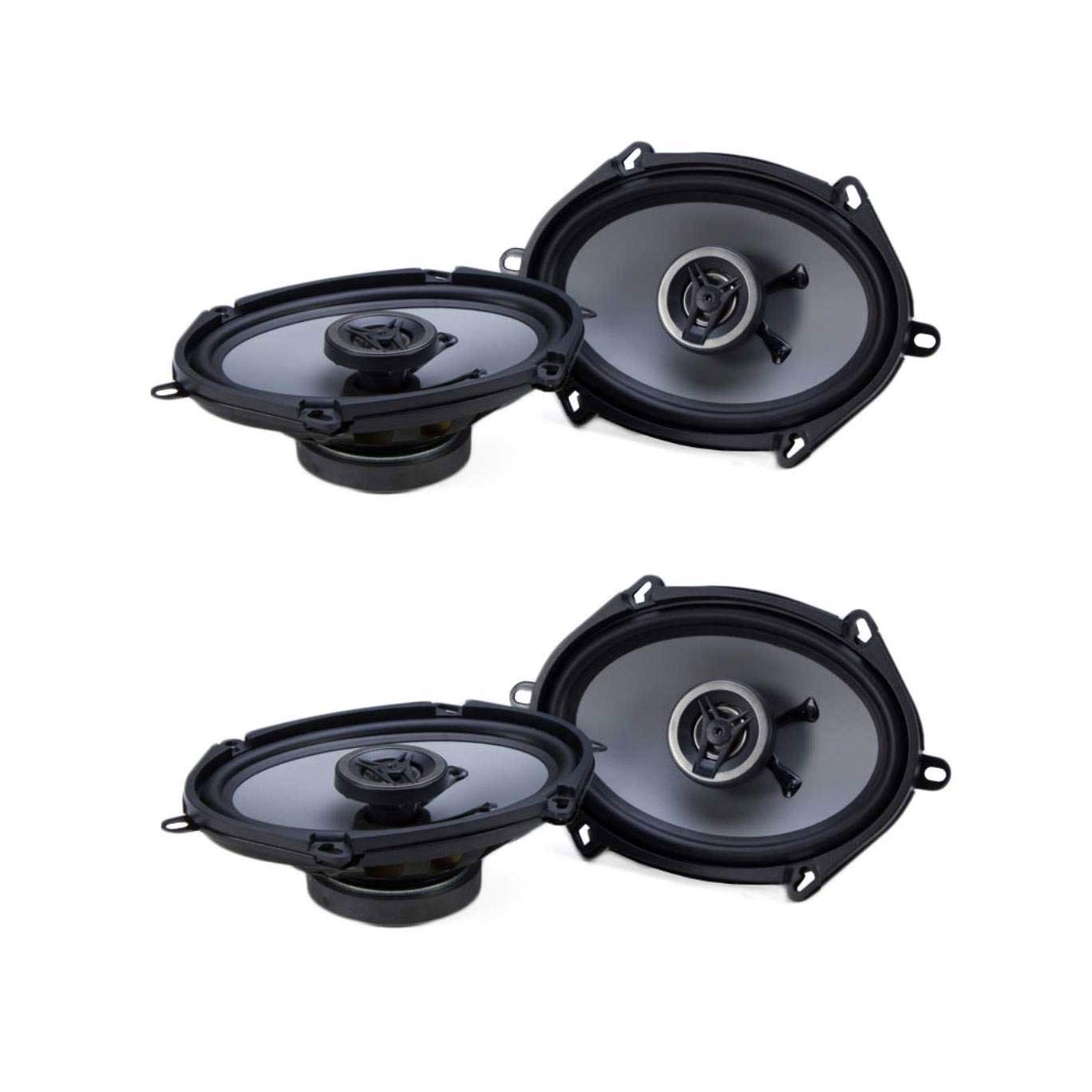
Car Doors: The Standard Use
In car doors, the priorities are fit, sensitivity, and balanced sound. A sensitive coaxial speaker usually gives the best result on a factory head unit, while a component set suits a fuller amplified system. Door sealing and damping matter as much as speaker choice, since the door cavity is the enclosure.
Check mounting depth against window tracks and door braces, and confirm that the grille clears the cone at full excursion. A speaker that fits well and is powered sensibly will outperform a more expensive speaker that is forced into place or starved of power.
Car focused buyers should start with best 5x7 car speakers, which covers factory fit and head unit matching in detail.
For bass expectations, best 5x7 speakers for bass explains what oval speakers can do for low end and when a subwoofer is needed.
Motorcycle riders can compare best 5x7 speakers for harley, which focuses on fairing fit, wind noise, and vibration.
Boat owners should see best 5x7 marine speakers for sealing, materials, and corrosion resistance in wet environments.
Marine Use: Moisture and Sun Resistance
Marine speakers face spray, humidity, and strong sun, so materials matter more than in a car. Look for sealed motors, water resistant cones, and grilles that resist corrosion. Stainless or coated hardware lasts longer in salt air than plain steel, and wiring should be tinned and protected from moisture.
Mounting location also matters on a boat. Speakers facing direct spray need better sealing than those under a canopy. Rinse salt residue gently when possible, and check connections each season, since corrosion can creep in quietly and dull the sound before it causes a failure.
Motorcycle Fairings: Vibration and Wind
Motorcycle speakers work against wind noise and constant vibration, so efficiency and secure mounting matter most. A sensitive speaker that plays loudly on limited power is more useful than a power hungry design that needs a large amplifier. Fairing depth is often tight, so shallow designs have a real advantage.
Weather resistance helps here too, since fairing speakers meet rain and road spray. Secure fasteners with care, protect wiring from vibration, and test at riding speed if possible, because a speaker that sounds good parked may disappear under wind noise on the road.
Component Versus Coaxial Across Uses
Coaxial speakers suit most car and motorcycle installs, where simplicity and compact size matter. Component sets suit car systems where tweeter placement can be optimised and an amplifier is available. Marine component sets exist too, but the extra wiring needs careful sealing in a wet environment.
The choice should follow the install, not fashion. A well sealed coaxial speaker beats a poorly sealed component set in a boat, while a component set in a well built car system can image better than a coaxial design. Match the design to the vehicle and the effort available.
Power, Protection and Maintenance
Use a high pass filter to protect oval speakers from deep bass they cannot reproduce, and keep amplifier gain conservative. In marine and motorcycle use, add a fuse close to the power source and protect all connections from moisture and vibration. A little protection work early prevents most failures later.
Inspect speakers seasonally in marine use and after long rough rides on a motorcycle. Look for cracked surrounds, corroded terminals, and loose mounts. Clean grilles gently, avoid pressure washers aimed directly at speakers, and replace worn surrounds before they tear and damage the cone.
Related Guides Worth Reading
Readers comparing options may also find best 5x7 component speakers useful, since it covers a closely related choice in the same category.
A Closer Look Before You Order
Before ordering, name the vehicle and the environment clearly: car door, boat cockpit, or motorcycle fairing, plus exposure to water, sun, and vibration. That single decision narrows materials, sealing, and mounting choices far better than comparing specifications across categories. A speaker chosen for the wrong environment fails early, however good it sounds new.
Also check the power source honestly. A motorcycle or boat electrical system may limit amplifier size, which makes sensitivity more important than peak power handling. A sensitive speaker on a modest system will sound better and last longer than a power hungry speaker starved of clean power.
Finally, plan maintenance into the choice. Marine speakers need seasonal inspection, motorcycle speakers need fastener checks after rough roads, and car speakers need occasional trim checks. A speaker whose maintenance fits the owner routine will last years longer than one whose care is neglected.
Mistakes Across Car, Boat and Bike Fits
One common mistake is buying a car speaker for a boat cockpit, where spray and salt air corrode standard parts quickly. Marine speakers use sealed motors and resistant materials for a reason, and the extra cost pays back in seasons of reliable use. Environment should decide construction, not price alone.
Another mistake on motorcycles is choosing a power hungry speaker for a small electrical system. Wind noise and limited amplifier power make sensitivity more valuable than peak handling, and a sensitive speaker that plays loudly on modest power will satisfy far more than a demanding design.
A third mistake is ignoring mounting depth in fairings and doors. A speaker that is a fraction too deep hits window tracks or fairing braces, and forcing it causes buzzing or damage. Depth checks before ordering prevent the most common fit failure across all three uses.
Finally, neglecting protection causes early failure: unsealed connections in boats, unprotected wiring on bikes, and missing fuses on added amplifiers. A little sealing, routing, and fusing work during install prevents most breakdowns later.
Choosing With Confidence
A final practical test is to listen to the same familiar tracks in each use case that matters, whether that is a car door, a boat cockpit, or a motorcycle fairing. The same speaker can sound balanced in one setting and thin or harsh in another, because acoustics, noise, and mounting all change the result. Testing in the real environment, even briefly, beats any specification comparison.
Also confirm parts and support before ordering, including replacement grilles, mounting hardware, and warranty terms for the environment planned. A speaker used on a boat or a motorcycle faces harsher conditions than one in a car, and support for that use is part of the value, not an afterthought to discover after a failure.
One last check costs nothing and prevents most regrets: confirm the exact mounting depth, the connector type, and the power available, then compare those three figures with the speaker specification before ordering. A speaker that passes all three checks in the real vehicle, not just on a generic fit chart, is very likely to satisfy for years.
Frequently Asked Questions
Can car speakers be used on a boat?
Standard car speakers can work in a dry, covered boat cabin, but they corrode faster in spray and salt air. Marine speakers use sealed motors, resistant materials, and coated hardware for that environment. For open cockpits, marine rated speakers are the safer and longer lasting choice.
Why do motorcycle speakers need high sensitivity?
Wind noise at speed competes with the music, and motorcycle amplifiers are often small. A sensitive speaker plays louder on limited power, which matters more than peak power handling on a bike. Secure mounting and weather resistance matter just as much as sensitivity.
What is the difference between marine and car speakers?
Marine speakers are built for moisture, sun, and corrosion, with sealed parts and resistant materials. Car speakers assume a dry cabin and focus on sound balance and fit. The sound goals are similar, but the construction differs to survive the environment.
Do 5x7 speakers work well without an amplifier?
Many do, especially sensitive coaxial designs on a decent head unit. An amplifier helps for clean highway volume or for power hungry component sets. Match the speaker to the real power source and use a high pass filter to keep the sound clean.
How do I protect speakers from moisture?
Choose sealed designs for wet locations, use tinned wiring and sealed connections, and avoid aiming pressure washers at speakers. Inspect terminals each season and dry the area after heavy spray. Small maintenance habits extend speaker life far more than any single specification.
Final Thoughts
Use case should drive the choice: car doors reward sensitivity and fit, boats reward sealing and corrosion resistance, and motorcycles reward efficiency and secure mounting. The product table above can help compare the main options side by side.
Across all uses, the best 5x7 speakers are the ones built for their environment, fitted well, and powered sensibly. A speaker chosen for its real job will outlast and outperform a generic choice, however good its headline figures look.


