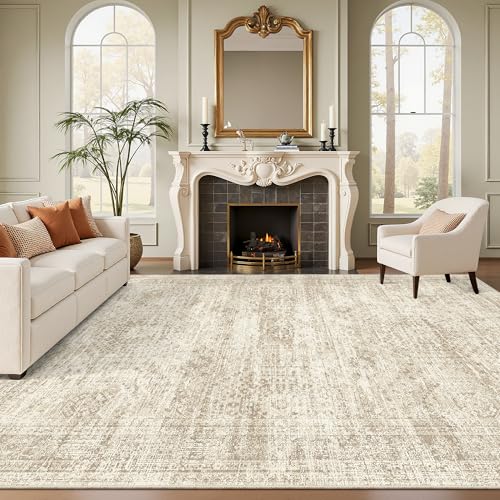
Best 5x7 Area Rugs Made Simple: A Clear Buying Guide for 2026
Disclosure: We may earn a commission when you buy through links on this page, at no extra cost to you. As an Amazon Associate I earn from qualifying purchases. Learn more
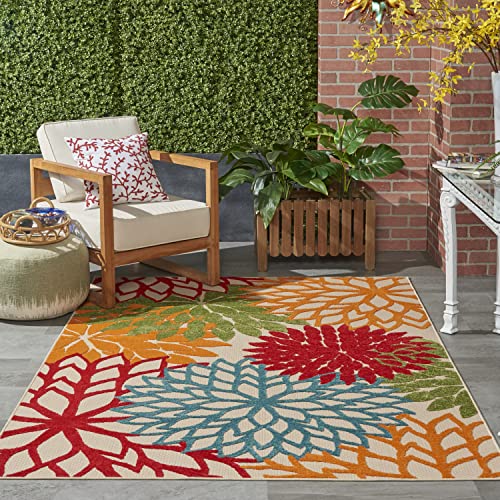
A plain English guide to the best 5x7 area rugs: fiber, pile height, backing, pads and care for first time buyers.
A rug looks like one of the simplest things you can buy for a room, yet the listings throw around words like pile, weave, and fiber blends that nobody explains. This guide walks you through the best 5x7 area rugs step by step, starting with what the size really covers and ending with simple care habits. You will learn how fiber and construction change comfort, cleaning, and lifespan, so the rug you choose still looks good years from now.
Read the basics first, then check the comparison table below to see how the main rug types differ. By the end, you will know which questions matter for your room, your floor, and the people and pets who will walk on it.
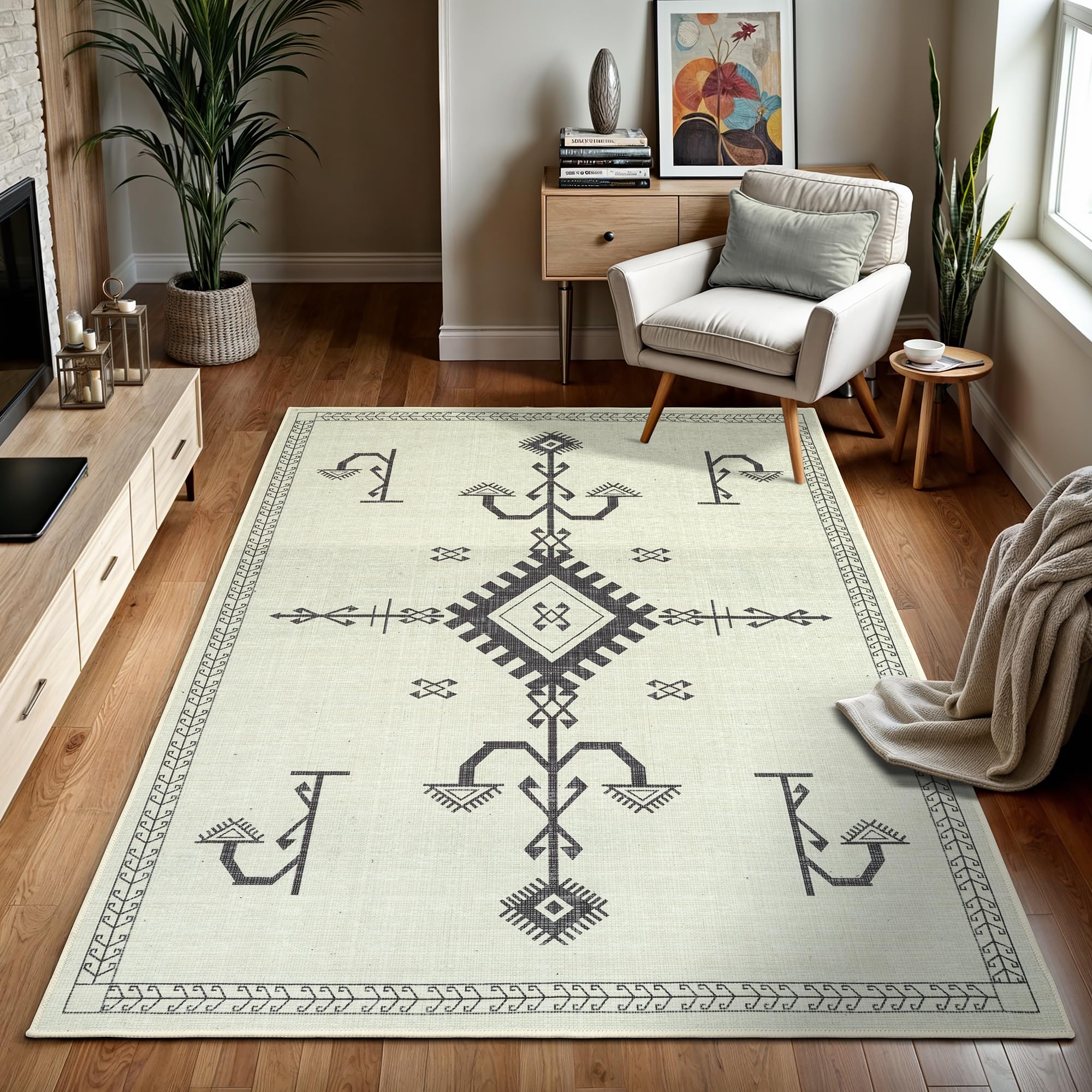

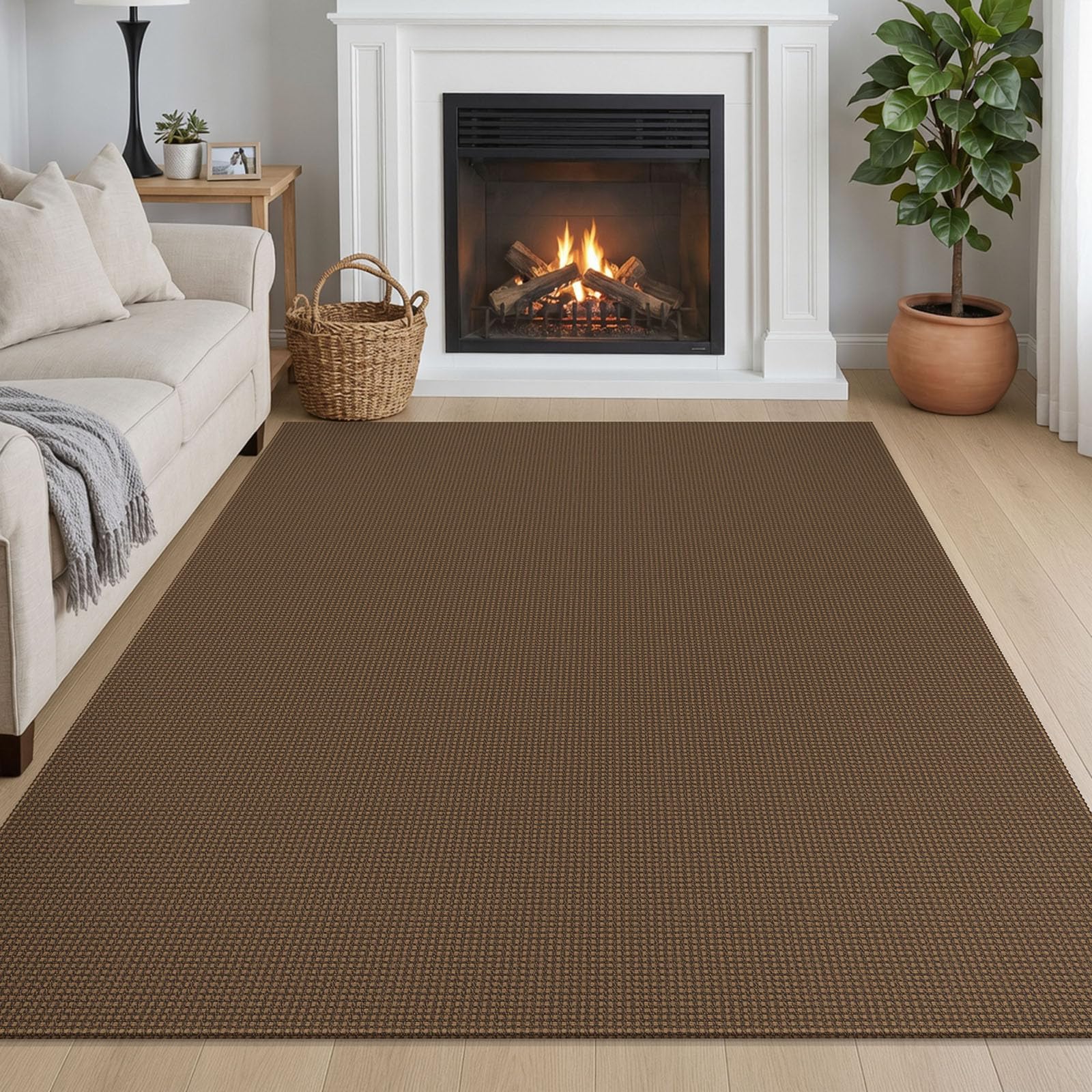
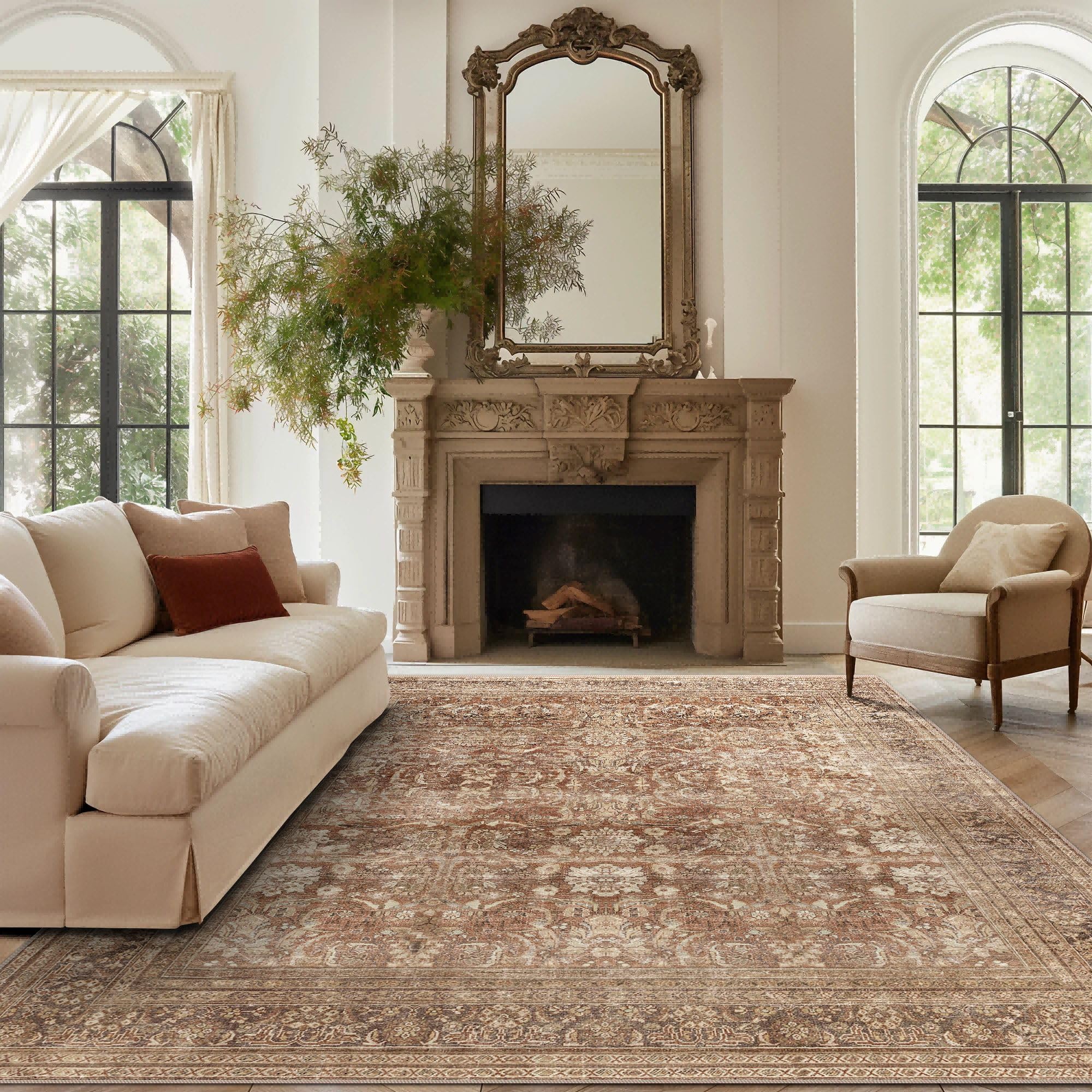
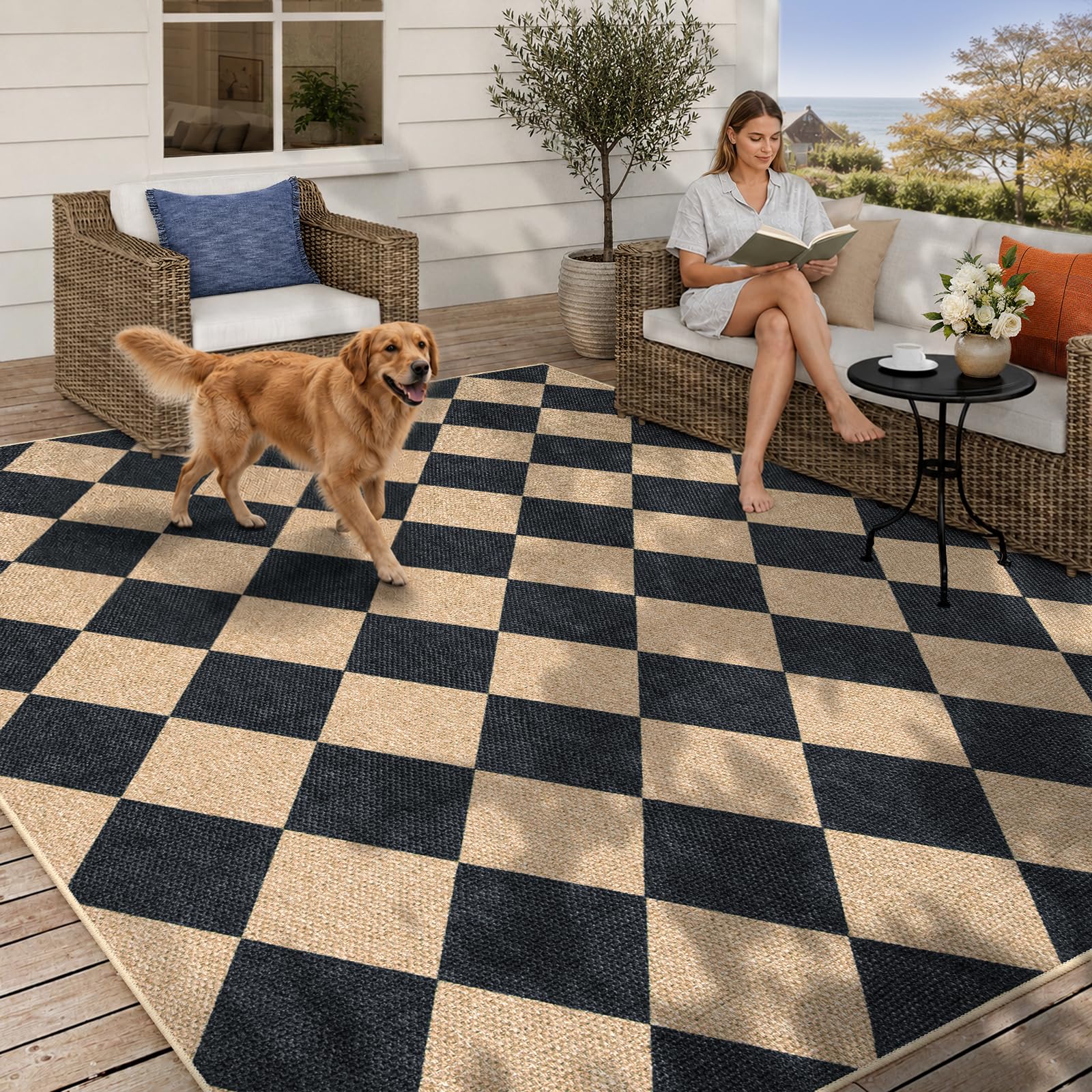
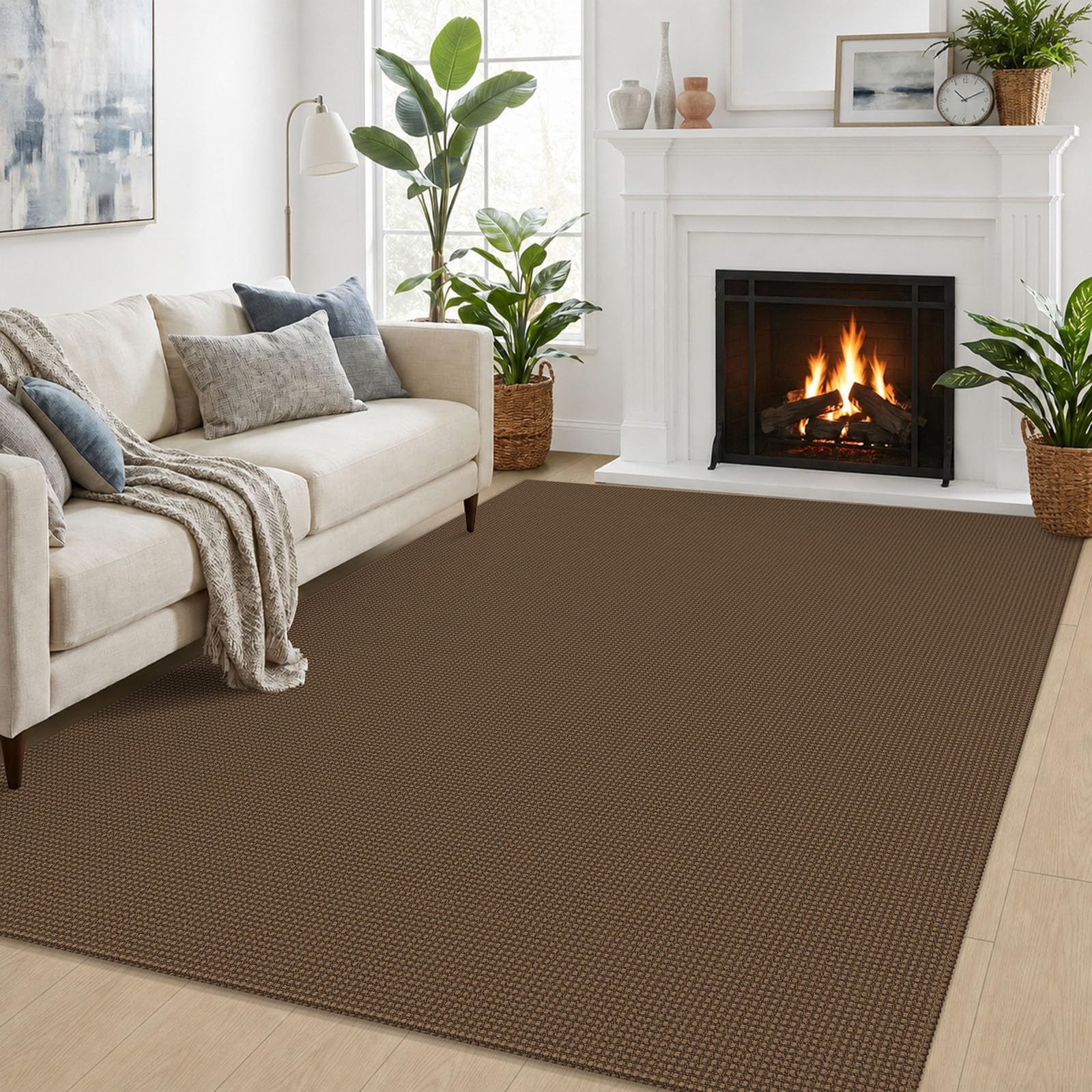
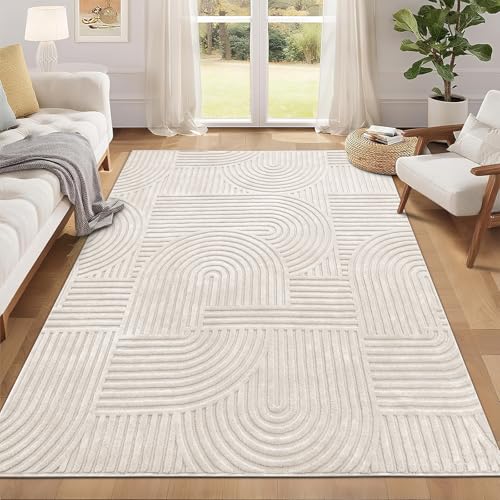
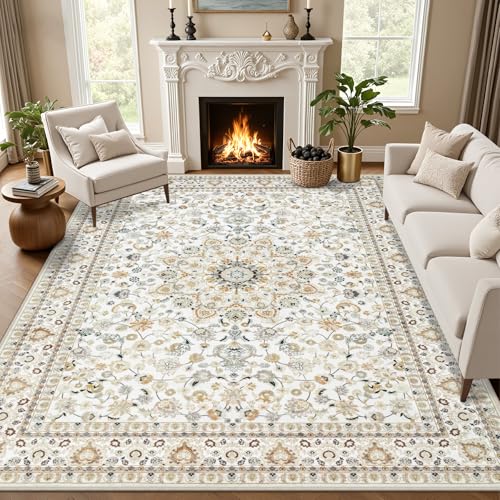
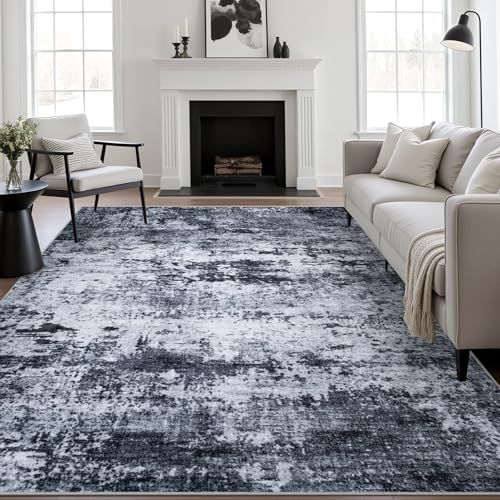
5x7 Area Rugs 101: The Basics
A 5x7 area rug measures about 5 feet wide by 7 feet long, which makes it the most flexible mid size rug for apartments and average rooms. It anchors a small living room seating group, sits under the lower two thirds of a queen bed, or defines a dining spot for four. Because it covers the central floor without touching every wall, it leaves a border of bare floor that makes the room feel larger and keeps the rug clear of doors and vents.
Rugs are described by three basics. Fiber is what the yarn is made of, such as wool or polyester. Construction is how the yarn is attached, by hand knotting, tufting, weaving on a loom, or printing a pattern onto a low base. Pile is the visible surface, and its height and density decide how the rug feels underfoot and how hard it is to clean. Once you understand those three words, every product listing becomes much easier to read.
One more basic is worth knowing. A rug changes how a room sounds and feels, softening echoes and warming hard floors, and it protects the floor beneath from chair legs and daily wear. That is why choosing the right build matters more than choosing the right pattern.
Key Specs Explained in Plain English
Material and Fiber
Wool is the classic rug fiber because it resists stains naturally, springs back after furniture dents it, and can last decades, though it costs the most and sheds lightly at first. Synthetic fibers such as polyester and polypropylene are cheaper, shrug off spills, and hold bright color well, which makes them practical for busy homes. Polypropylene is especially good where moisture appears, since it does not absorb water. Cotton rugs are soft and often washable but wear faster in heavy traffic. Jute and other plant fibers add texture and suit casual rooms, yet they are hard to deep clean and dislike soaking, so keep them away from dining spills.
Pile Height and Density
Pile height is how tall the yarn stands, measured from the backing to the tip. Low pile, under about a quarter inch, lets doors swing over the rug, lets chairs roll, and vacuums clean easily, so it suits dining rooms and entryways. Medium pile feels softer and still cleans well, a good middle ground for living rooms. High pile and shag styles feel plush in bedrooms but trap crumbs and flatten in walkways. Density matters as much as height, because a dense rug with many yarns packed close together resists wear far longer than a lofty but sparse one. Press your fingers into the surface, and if you can easily feel the backing, the rug will thin quickly.
Weave and Construction
Hand knotted rugs are the most durable and the most expensive, since each knot is tied by hand and the pattern goes all the way through. Machine woven rugs copy that structure at a lower price and give crisp patterns with consistent quality. Tufted rugs push yarn through a backing and glue it in place, which is faster and cheaper, though the glue layer can break down over many years. Flatweave rugs have no pile at all, so they sit thin, clean easily, and work well under dining tables. Printed rugs apply the design to the surface of a low base, which keeps prices low and allows detailed patterns that would cost far more if woven.
Backing and Rug Pads
The backing is the underside that holds the rug together, and it decides whether you need a pad. A rug pad is not an optional extra in most rooms. It stops the rug sliding on hard floors, adds cushion, reduces wear on both the rug and the floor, and makes vacuuming more effective. Choose a felt and rubber pad for hard floors, since plain rubber can sometimes react with certain floor finishes, and a thinner grip pad under a dining rug so chairs still slide. Cut the pad about an inch smaller than the rug on every side so it stays hidden. On carpet, use a pad made to grip carpet, or the rug will slowly creep and bunch.
Stain Resistance and Certifications
Some rugs carry treatments that help spills bead on the surface so you can blot them before they soak in, which buys you time rather than making the rug stain proof. If low chemical emissions matter in your home, look for labels such as OEKO TEX Standard 100, which tests the finished textile for harmful substances. New rugs often have a mild factory smell that fades after a few days of airing in a ventilated room. For nurseries and bedrooms, choose low pile and a washable or easily cleaned build, and skip loose fringe that small children can pull.
Size and Fit
A nominal 5x7 rug is rarely exactly 60 by 84 inches, so check the true listed dimensions before ordering, since a few inches change how furniture sits. In a living room, aim for at least the front legs of your sofa and chairs to rest on the rug, which ties the seating together. Under a queen bed, a 5x7 placed sideways covers the lower portion and gives your feet a soft landing on both sides. In a dining room, be careful, because a 5x7 usually leaves pulled out chairs half off the rug, and our guide to the best rugs for dining area explains why larger sizes often work better there.
Rookie Mistakes to Avoid
- Skipping the rug pad. Without one the rug slides, wears faster, and can scratch the floor it was meant to protect.
- Choosing shag for a dining room. Tall pile traps food and makes chairs drag, so save plush rugs for bedrooms and quiet corners.
- Judging color from a phone screen alone. Order a swatch or the smallest size first when the color must match, because screens shift tones.
- Ignoring the door swing. Measure the gap under doors before choosing a thick rug, or you will be trimming doors or returning rugs.
- Buying on pattern only. Fiber and construction decide how the rug ages, a point our guide to the best quality area rugs covers in more depth.
Getting Started: Setup and First Use
When your rug arrives, unroll it in the room and let it relax for a day, since shipping rolls leave curled edges and creases. Heavy books on the corners and a day of foot traffic help it lie flat, and a pad underneath speeds the process. Vacuum both sides once before use to lift loose fibers from manufacturing, using suction without a spinning beater bar on delicate or looped piles.
Set a simple care rhythm from the start. Vacuum traffic lanes once or twice a week, blot spills immediately with a clean cloth and plain water before reaching for any cleaner, and rotate the rug 180 degrees every few months so sunlight and foot traffic wear it evenly. If easy washing is a top priority for you, compare your options with the best washable area rugs before you settle on a style that needs professional cleaning. For day to day upkeep, the right vacuum settings matter, which is why many owners check the best vacuum for area rugs guidance for their pile type.
5x7 Area Rugs: Your Questions Answered
Is a higher pile always more comfortable in a 5x7 area rug?
No, comfort comes from density and the pad beneath as much as from height. A dense medium pile on a good felt pad feels softer to walk on than a tall, sparse shag, and it stays comfortable longer because the yarns support each other. High pile also hides dirt well but holds it deep, so comfort today can mean harder cleaning later.
Are washable 5x7 area rugs worth it for busy homes?
Yes, for homes with kids, pets, or frequent spills, a washable rug removes the stress from accidents because the whole rug goes in a large machine. The trade off is a thinner, lighter feel underfoot and patterns that are printed rather than woven. Add a pad for cushion, and check your washer capacity first, since a wet 5x7 rug is heavy.
What fiber is best for a 5x7 area rug with pets?
Low pile synthetic fibers such as polyester or polypropylene are usually best, because claws do not snag them easily and accidents clean up without special products. Avoid looped piles, which a single claw can pull into a long run. Our dedicated guide to the best area rugs with pets explains backing choices that resist moisture soaking through to the floor.
How often should I replace my 5x7 area rug?
Replace it when the pile stays flat and dull after cleaning, the backing cracks or sheds grit, or edges curl despite a pad, because those signs mean the structure is worn out. A good wool or dense woven rug can serve 10 years or more, while a thin printed rug in a busy hallway may tire in 3 to 5 years. Rotating the rug regularly stretches any lifespan.
How do I wash 5x7 area rugs safely?
Check the care label first, because wool and jute should never go in a machine. For washable synthetic rugs, shake off loose dirt outside, wash cold on a gentle cycle with mild detergent, and air dry flat to prevent the backing from cracking in dryer heat. Spot clean non washable rugs with a small amount of diluted rug shampoo, test in a hidden corner first, and blot rather than scrub.
Wrapping Up
Keep three checks at the top of your list: fiber that matches your household traffic, pile height that fits the room job, and a proper pad cut to size. Measure your furniture layout before ordering, and be honest about how much cleaning you will really do. Compare your finalists against the product table above, and the best 5x7 area rugs choice for your room becomes the one that still looks fresh after a year of real life, not just on delivery day.