
Best 5K Shoes: Buying Guide for 2026
Disclosure: We may earn a commission when you buy through links on this page, at no extra cost to you. As an Amazon Associate I earn from qualifying purchases. Learn more
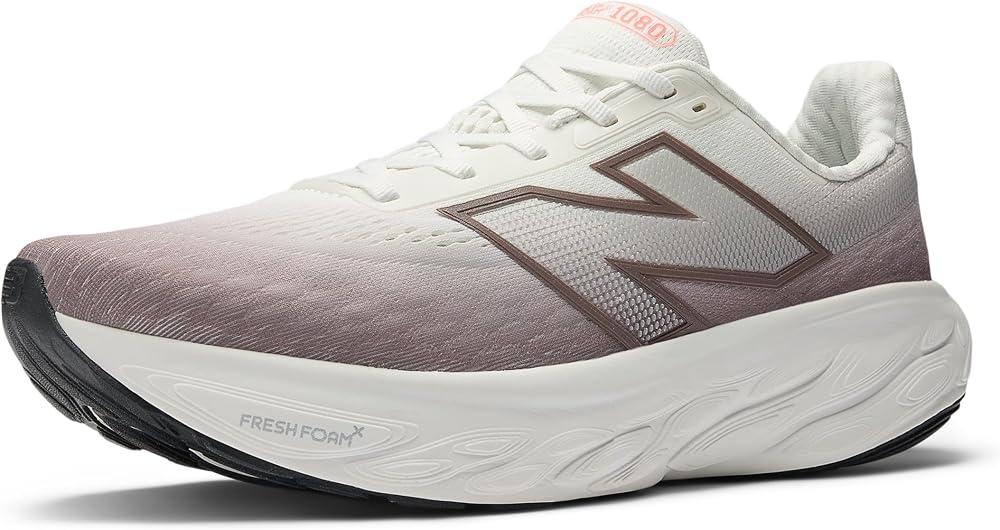
Match 5k shoes to how you actually run, whether race day only, mixed training and racing, or walk run events, with guidance on fit and durability.
Choosing best 5k shoes depends less on the distance itself and more on how you will use them: race day only, daily training, or a mix of both. The comparison table below sorts 5k shoes by use case, so you can see which balance of cushioning, weight and durability fits your routine. A shoe that is perfect for a fast race may be a poor daily trainer, and vice versa, so use case should lead your choice.
This guide matches shoe types to real use cases, explains the features that matter for each, and sets out what to expect at each price level. It also covers fitting, rotation and care, so one purchase does not have to do every job badly.


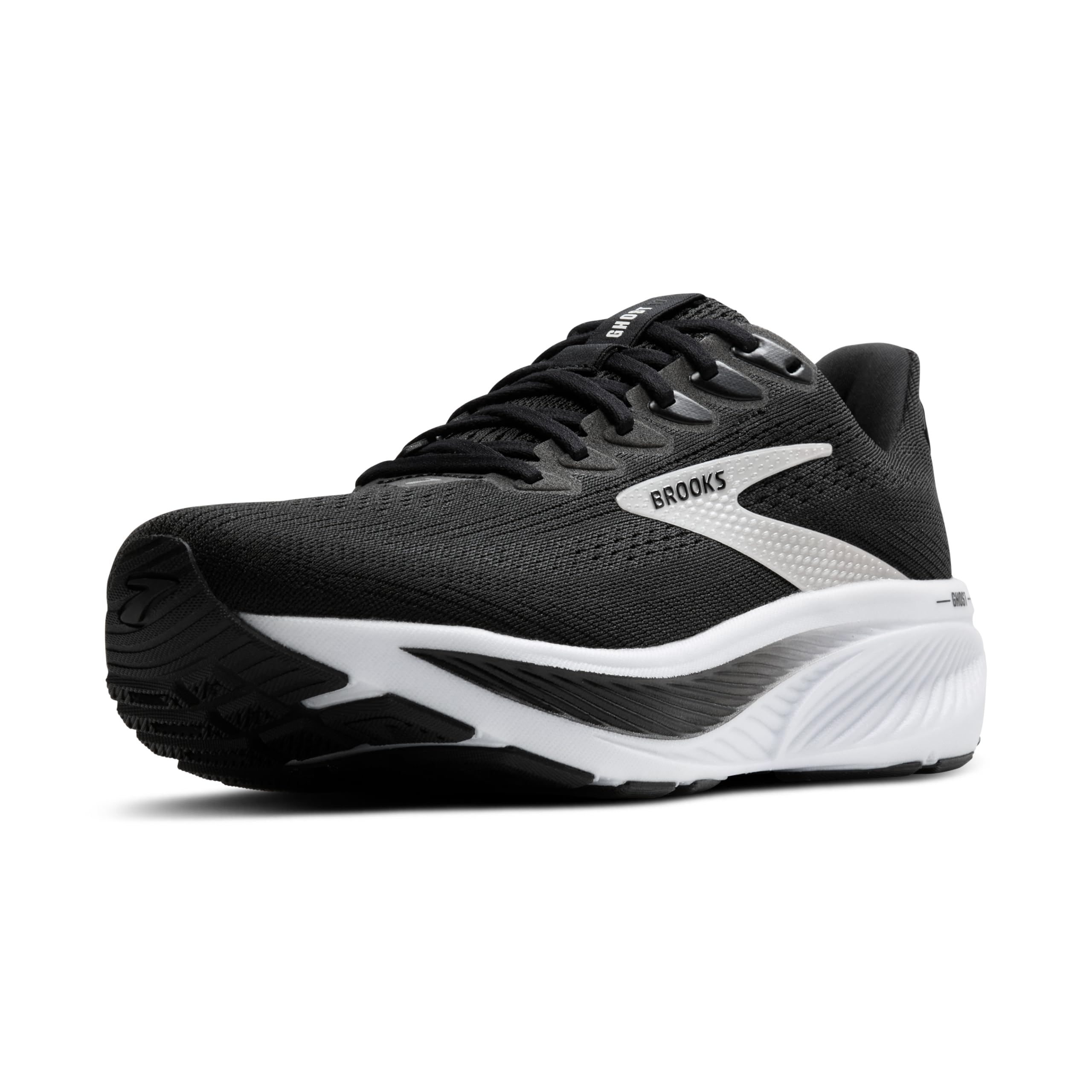


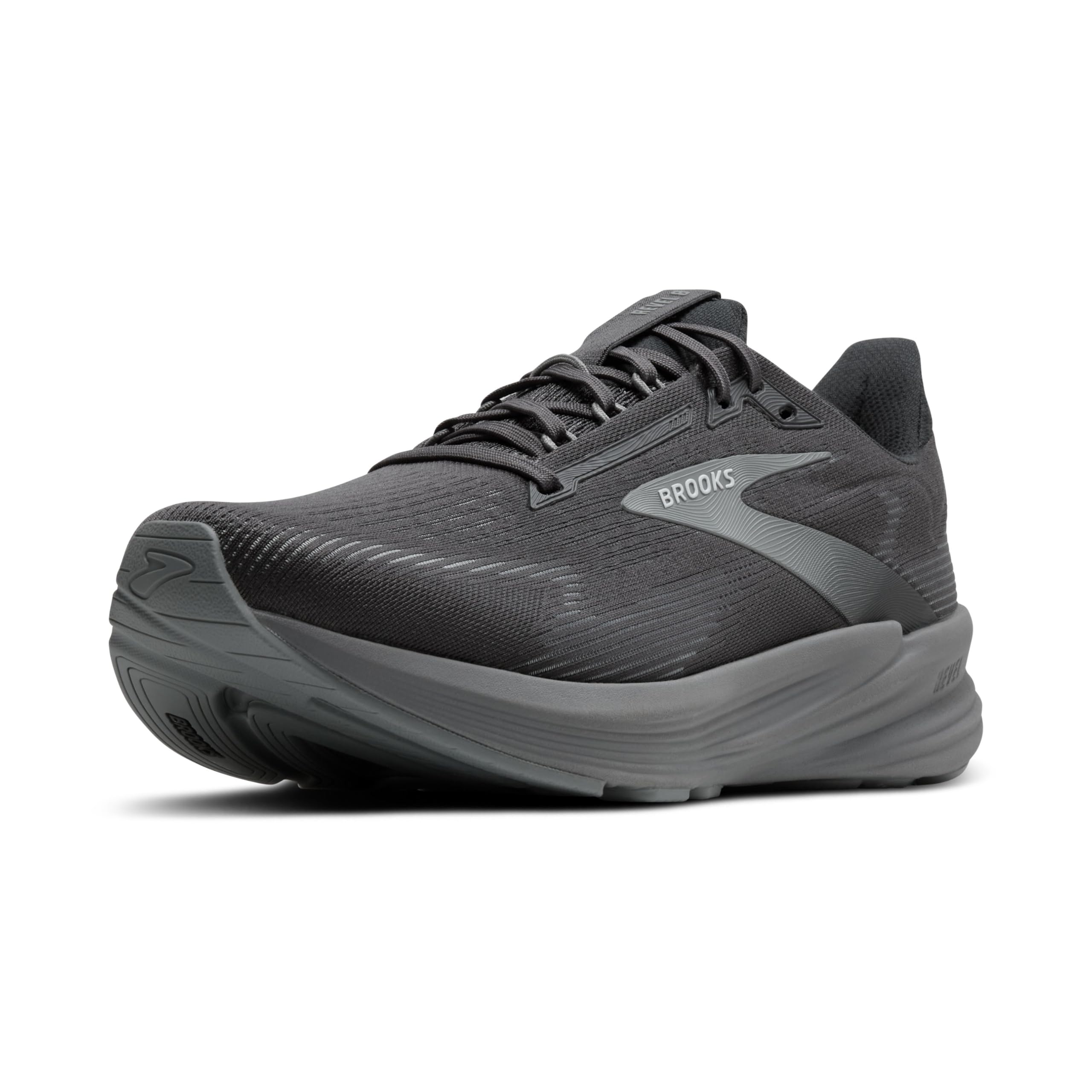
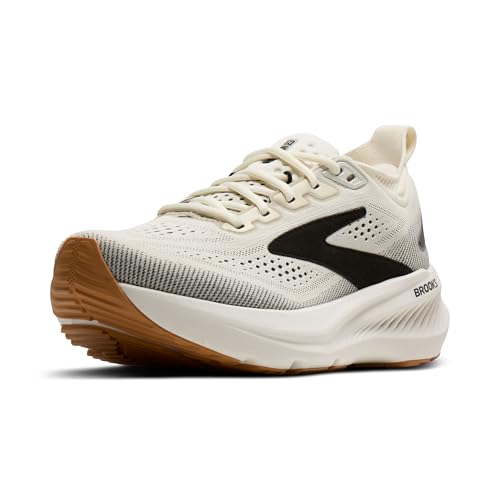
Who Should Buy 5k Shoes for the Way You Use Them
For Race Day Only Users
Race day users want the lightest, most responsive shoe they can handle for a single fast effort. Cushioning can be firmer and durability less important, since the shoe covers few miles. This approach suits experienced racers with strong legs who already train in a separate cushioned pair.
For Daily Training Plus Racing
Most runners need a shoe that handles easy miles, tempo runs and race day in one pair. A lightweight trainer with responsive foam and decent durability suits this use best, balancing speed against longevity. It will not be the fastest race shoe available, but it will be the most practical single purchase.
For Walk Run and Beginner 5k Users
Walk run and beginner users need comfort, cushioning and forgiveness above racing speed. A versatile road shoe that feels good walking and running suits couch to 5k programs and charity events. Finishing comfortably matters more than finishing fast, so prioritize fit and cushioning over weight.
Key Features to Compare
Matching Cushioning to Use
Race day shoes use firmer, more responsive cushioning for speed, while daily trainers use softer, more protective cushioning for mileage. A mixed use shoe sits between, offering lively foam with enough protection for regular training. If your legs ache after speed work, favor cushioning; if you feel sluggish at pace, favor responsiveness.
Durability Versus Lightness
Lighter shoes sacrifice outsole rubber and upper durability for speed, which suits race day but not daily mileage. Heavier trainers last longer and protect better, which suits high mileage runners. Estimate your weekly mileage honestly: high mileage runners should favor durability, while low mileage racers can favor lightness.
Fit Across Different Paces
A shoe must fit at easy pace and at race pace, since feet swell and slide differently under effort. A secure midfoot and a roomy toe box matter across paces, while lacing should hold without cutting circulation. Test candidates with a mix of easy jogging and short fast bursts before deciding.
Surface and Weather Versatility
Most 5k events run on roads, but training may include paths, tracks and wet mornings. A road shoe with decent wet grip suits most users, while trail runners need lugs for grip and protection. If you train in varied weather, favor a shoe with reliable wet grip over the lightest dry weather option.
What Your Budget Gets You
Budget 5k shoes, about $60 to $100, suit beginners and mixed use runners, offering a versatile road shoe for training and racing alike. They may lack the snap of pricier racing shoes, but for a first event or occasional races they are the sensible spend. A good budget trainer often outperforms a cheap racing shoe for most users.
Midrange 5k shoes, roughly $100 to $160, add lighter foams and better fit for runners who race regularly or want one quality pair for everything. Premium racing shoes above that range suit experienced racers chasing personal bests, but only as a second pair alongside a trainer. For a single pair purchase, midrange versatility usually wins.
Care, Fit Checks and Common Mistakes
Rotate shoes by use: keep racing shoes for speed and race day, and use a trainer for easy miles, to extend the life of both. Air shoes after wet sessions and track mileage by use, since racing foam fades faster than trainer foam. Replace a pair when cushioning feels flat or grip wears, not just when it looks tired.
A common mistake is buying a race day shoe as your only pair, then wearing it out on easy miles before race day arrives. Another is racing in an untried pair, which risks blisters at the worst moment. Break any race shoe in over speed sessions, and keep a trusted trainer for the bulk of your mileage.
Related Guides Worth Comparing
If you are still narrowing the field, the guides on best 5k running shoes cover nearby options that share size, surface or use case questions with this guide, so compare them before you settle on a final choice.
If you are still narrowing the field, the guides on best running shoes for 5k and 10k cover nearby options that share size, surface or use case questions with this guide, so compare them before you settle on a final choice.
Before You Buy: A Quick Checklist
Before you buy, write down your primary use in one sentence, such as race day only, mixed training and racing, or walk run events, and let that sentence rule out shoes built for other uses. Test candidates at both easy pace and race pace, since a shoe that feels fine jogging can slip or pinch during a finishing kick. Also estimate weekly mileage honestly, since high mileage runners should favor durability while low mileage racers can favor lightness.
After buying, assign each pair a role and stick to it: racing shoes for speed and race day, trainers for easy miles. Track mileage by role, and retire racing shoes from race use when responsiveness fades, even if they still look fine. Keep a trusted pair for event day itself, and never race in a pair you have not tested at pace, since race day is the worst time to discover a fit problem.
Tracking your running over time helps you choose shoes more wisely than any single review, since your own data reveals what works for your body. Log weekly mileage, the shoes worn for each run and how your legs felt afterwards, and patterns emerge within a month or two. You may find that a particular pair suits tempo runs but aches on long runs, or that a shoe feels great for a few weeks then fades as foam compresses. Use that log when shopping, since it turns vague preferences into concrete needs around cushioning, weight and fit. Also note weather and surfaces, since a shoe that excels on dry roads may disappoint on wet paths. Personal data beats marketing claims, and it costs nothing but a few minutes after each run.
Frequently Asked Questions
Should I buy one pair or two pairs for 5k training?
Two pairs suit regular racers: a cushioned trainer for easy miles and a lighter shoe for speed and race day. One versatile pair suits beginners and occasional racers, who gain more from comfort and simplicity. Start with one good trainer, then add a racing pair once racing becomes regular.
Are 5k shoes different from marathon shoes?
Yes, 5k shoes tend to be lighter and more responsive with less cushioning, since the distance is short and pace is faster. Marathon shoes prioritize protection over many miles, which feels heavy for a 5k. For a single pair that must do both, a lightweight trainer balances the two needs.
Can I walk a 5k in running shoes?
Yes, running shoes cushion and support walking well, especially over 5k distances. Choose a comfortable, well cushioned pair with good fit, and break them in before event day. Walking shoes also work, but running shoes handle mixed walk run pacing better.
How do I choose between a racing shoe and a trainer?
Choose a racing shoe if you race regularly, have strong legs and already own a trainer for easy miles. Choose a trainer if you want one pair for everything, are new to racing, or run high mileage. Comfort and injury free running should outweigh small speed gains for most runners.
When should I replace 5k shoes?
Replace trainers after about 300 to 500 miles and racing shoes after about 200 to 300 miles, depending on weight and surfaces. Watch for flattened cushioning, worn outsoles and new aches during runs. If a shoe feels dead during speed sessions, it is time to retire it from racing use.
Final Thoughts
The smartest way to choose best 5k shoes is to start with your use case: race day only, mixed training and racing, or walk run and beginner events. Match cushioning, weight and durability to that use, then check fit at both easy and race paces. A shoe chosen for how you actually run will always beat a faster shoe chosen for how you wish you ran.
Use the product table above to shortlist two or three of the best 5k shoes for your use, then check fit, return terms and care needs before you buy.


