Best 5K Running Shoes: Buying Guide for 2026
Disclosure: We may earn a commission when you buy through links on this page, at no extra cost to you. As an Amazon Associate I earn from qualifying purchases. Learn more

The best 5k running shoes for race day and training, compared by weight, responsiveness and cushioning.
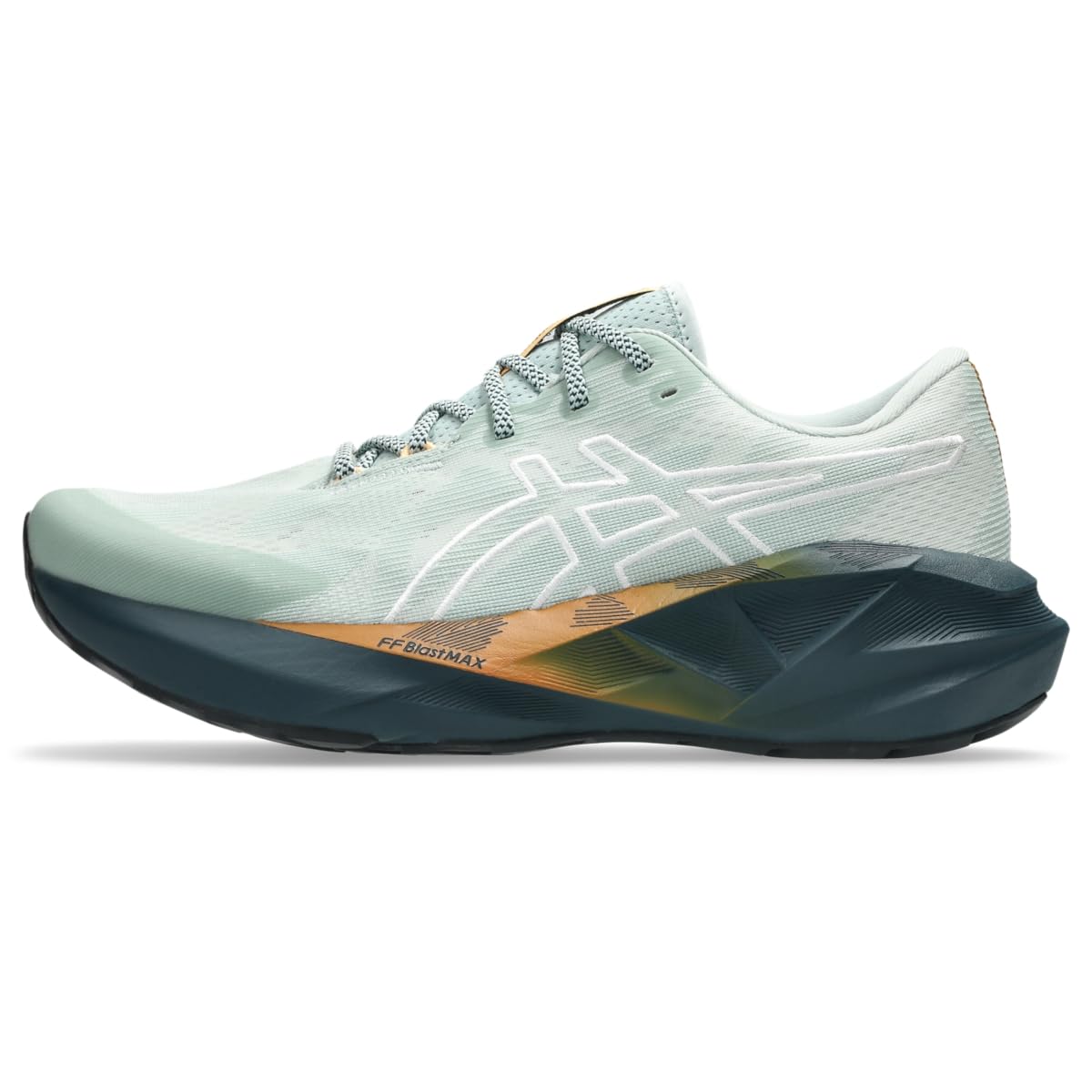
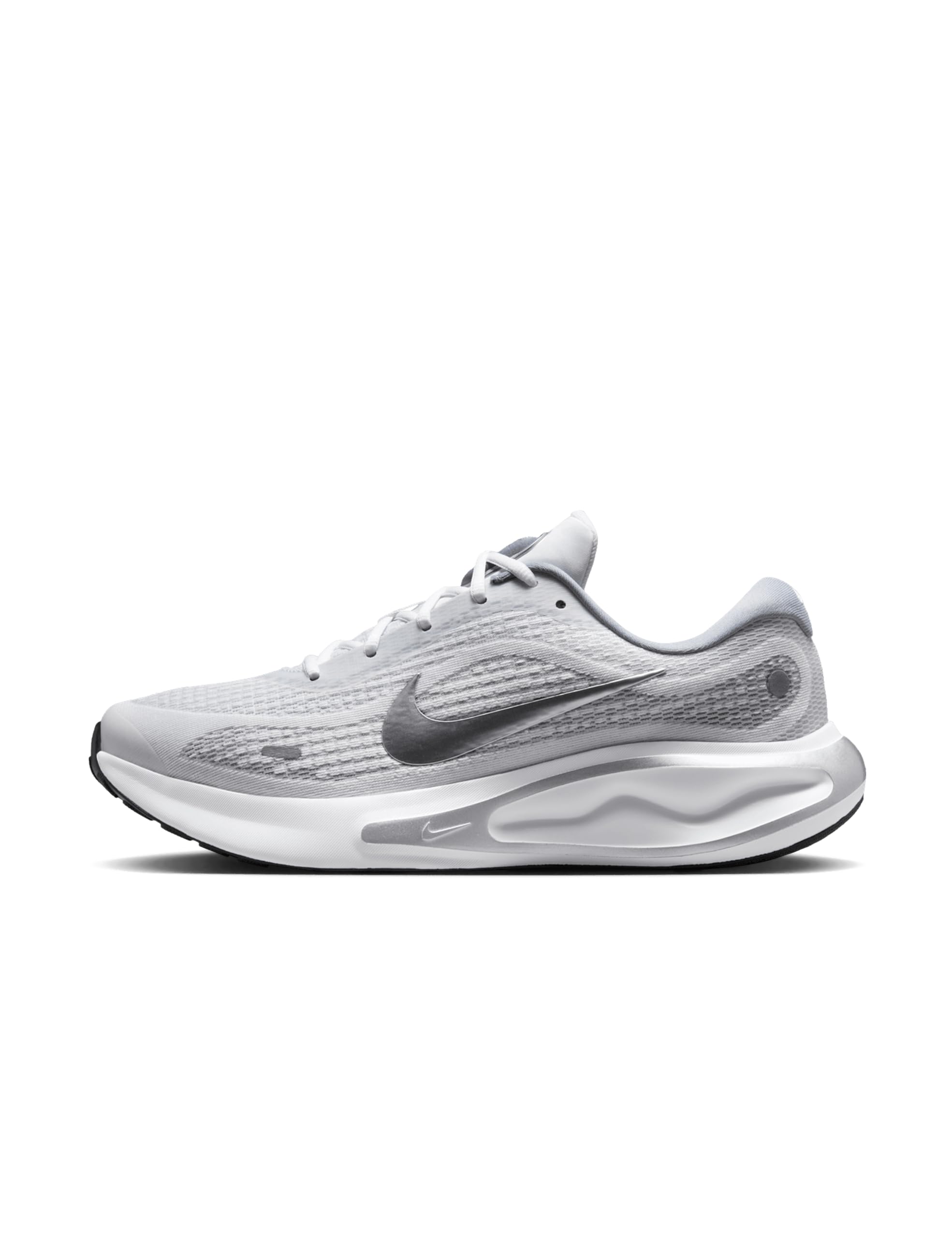
Training for a 5k, whether your first or your fiftieth, deserves best 5k running shoes tuned for speed over a short, sharp distance rather than marathon cushioning. The comparison table below compares 5k shoe types by weight, cushioning and responsiveness, so you can match a pair to race day, training or both. A good 5k shoe feels light and lively without beating up your legs over the final stretch.
This guide covers who benefits from dedicated 5k shoes, the features that matter at this distance, and what each budget tier offers. It also covers fitting, race day choices and common mistakes, so you can run your fastest comfortable 5k.

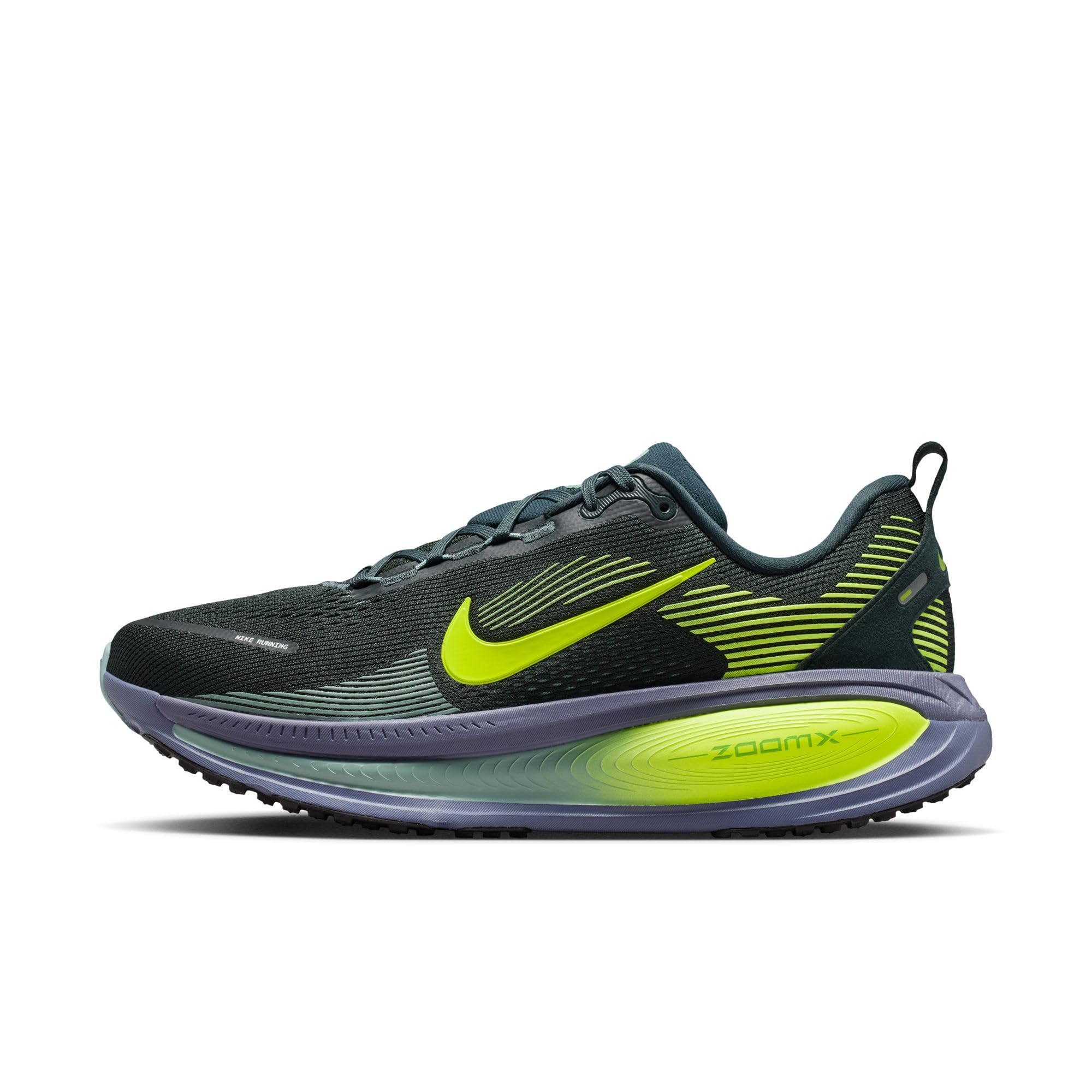
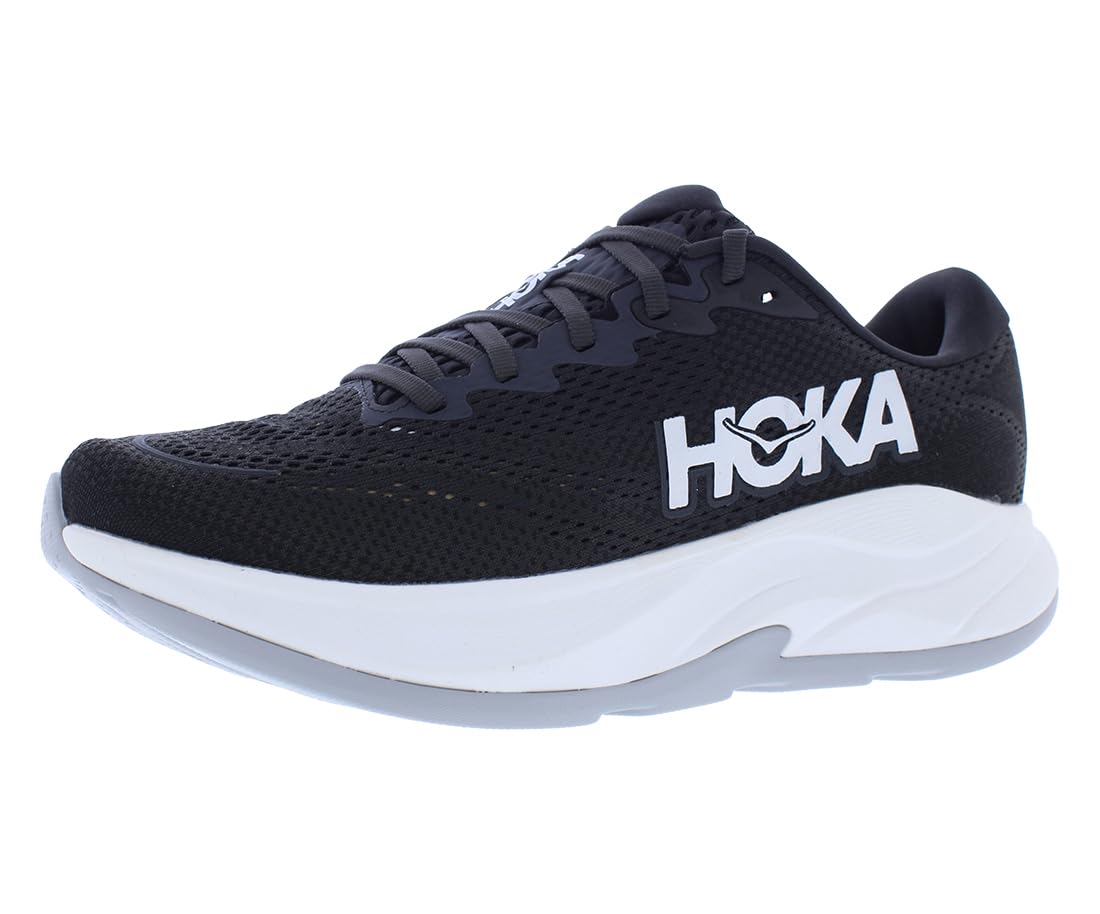


Who Should Buy 5k Running Shoes
For First Time 5k Runners
First timers need a comfortable, forgiving shoe that supports a run walk or steady pace without fuss. Cushioning and fit matter more than racing lightness, since finishing comfortably builds confidence for the next event. A versatile road shoe that also serves daily training is the smartest first 5k choice.
For Regular Racers Chasing Times
Regular racers want a lighter, more responsive shoe that rewards faster paces and efficient form. A snappier foam and a lower weight help over 5k, where every second counts, though less cushioning demands stronger legs. Use racing shoes for speed sessions and race day, and a cushioned pair for easy miles.
For Training Plus Race Day Runners
Runners who want one pair for training and racing need a balance of cushioning, responsiveness and durability. A lightweight trainer with lively foam suits tempo runs, intervals and race day alike, without wearing out too quickly. Versatility matters here, since a single pair must handle varied sessions.
Key Features to Compare
Weight and Responsiveness
Weight matters more at 5k pace than at easy pace, since lighter shoes feel quicker and reduce fatigue over a short race. Responsive foam returns energy with each stride, but very firm, snappy shoes can feel harsh for heavier runners. Balance lightness against cushioning for your weight and pace, rather than chasing the lightest shoe available.
Cushioning for Short Distance Speed
5k shoes need less cushioning than marathon shoes, but still need enough to protect legs at faster paces. A moderate stack with responsive foam suits most racers, while minimal shoes suit experienced runners with strong feet. If your legs feel beaten after speed sessions, add cushioning before adding mileage.
Fit, Lockdown and Race Day Comfort
A secure midfoot lockdown prevents slipping during surges and kicks, while a roomy toe box lets toes spread at speed. Try shoes with race socks and test at 5k pace, not just jogging, since fit changes under effort. Laces should stay tied and even under pressure, so check the lacing system during intervals.
Outsole Grip and Road Feel
A grippy outsole matters for wet race mornings, sharp turns and finishing kicks on varied surfaces. Road 5k shoes use rubber coverage balanced against weight, while trail 5k shoes need lugs for grip. Check outsole wear after speed sessions, since racing shoes often sacrifice rubber for lightness.
What Your Budget Gets You
Budget 5k shoes, about $70 to $110, suit first timers and occasional racers, offering decent cushioning and a lively feel for the distance. They may be heavier and less responsive than pricier options, but for a first race or occasional events they are excellent value. A versatile road trainer often serves this role well.
Midrange 5k shoes, roughly $110 to $170, add lighter builds, better foams and refined fit, which regular racers notice in the final stretch. Premium racing shoes above that range use advanced foams and plates for maximum speed, but suit experienced racers with strong legs. For most runners, a midrange lightweight trainer is the best race day balance.
Care, Fit Checks and Common Mistakes
Rotate racing shoes with a cushioned trainer for easy miles, since racing foam wears faster under daily mileage. Keep 5k shoes for speed sessions and races to preserve their responsiveness, and track mileage roughly. Air them after wet races and avoid machine washing, which degrades foam and glues.
A common mistake is racing in brand new shoes, which risks blisters and unexpected fit issues; break racing shoes in over a few speed sessions first. Another is choosing a minimal racing shoe before legs are ready, which causes soreness. Build speed gradually, and stop if sharp pain persists, seeking advice promptly.
Related Guides Worth Comparing
If you are still narrowing the field, the guides on best running shoes and best tennis shoes for running and best male running shoes cover nearby options that share size, surface or use case questions with this guide, so compare them before you settle on a final choice.
If you are still narrowing the field, the guides on best ladies running shoes and best running shoes for 5k and 10k cover nearby options that share size, surface or use case questions with this guide, so compare them before you settle on a final choice.
Before You Buy: A Quick Checklist
Before you buy, be honest about your pace, mileage and whether the shoe is for race day, training or both, since that use decides weight versus cushioning. Try candidates at 5k pace, not just easy jogging, checking lockdown during surges and toe room when feet swell. If you already own a cushioned trainer, a lighter racing shoe makes sense as a second pair; if not, a versatile lightweight trainer is the smarter single purchase.
After buying, break racing shoes in over speed sessions before race day, and keep the receipt until you have tried them at pace. Track mileage separately for racing shoes, since their foam fades faster than trainer foam, and rotate them with a cushioned pair for easy miles. If calves or Achilles tendons complain after switching to a lighter shoe, ease back and build gradually rather than pushing through soreness.
Race day preparation goes beyond shoes, since sleep, pacing and fueling shape your 5k far more than a few grams of shoe weight. Arrive early enough to warm up properly with easy jogging and dynamic stretches, and start conservatively rather than sprinting the first mile, since early overexertion ruins most 5k races. Plan water and nutrition around the race distance: most runners need little during a 5k itself, but a light meal a few hours before and water on arrival help. After the race, cool down with easy walking and gentle stretching, and note how your shoes felt at race pace, since that feedback guides your next purchase. A well prepared runner in a good trainer often beats a poorly prepared runner in the fastest racing shoe available.
Try race shoes on a track or measured loop before race day, so you learn how they feel at sustained pace rather than guessing. A short tempo session in them reveals fit, lockdown and calf response far better than a shop jog, and leaves time to switch back to trainers if needed.
Frequently Asked Questions
Do I need special shoes for a 5k?
You do not need a dedicated racing shoe for a first 5k, since a comfortable road running shoe works well. Dedicated 5k shoes help regular racers chasing times, thanks to lighter weight and responsive foam. Start with a versatile road shoe, then consider a racing pair once you race regularly.
Are racing shoes good for training?
Racing shoes suit speed sessions and races, but they wear faster and cushion less than trainers, so they are poor daily trainers. Use them for intervals, tempo runs and race day, and a cushioned trainer for easy miles. Rotating pairs keeps both fresher and reduces injury risk from worn foam.
How should 5k racing shoes fit?
They should feel snug through the midfoot with a thumb width of toe room, and heels should stay put during surges. Try them with race socks at 5k pace if possible, since fit under effort differs from jogging. A shoe that slips during a kick will cost time and cause blisters.
Can beginners wear carbon plated racing shoes?
Beginners can, but they rarely need them, and the firm, snappy feel can strain calves and Achilles tendons unprepared for it. Build speed and strength in a regular trainer first, then try plated shoes gradually if racing becomes regular. Comfort and injury free running matter more than shoe technology early on.
How long do 5k racing shoes last?
Racing shoes often last fewer miles than trainers, roughly 200 to 300 miles depending on foam and use, since lightweight materials wear faster. Track race and speed session mileage separately, and replace them when responsiveness fades or the outsole wears through. Easy miles in trainers extend racing shoe life.
Final Thoughts
For most runners, best 5k running shoes should balance light weight, responsive cushioning and a secure fit for race pace efforts. Use a versatile trainer for a first 5k, and a lighter racing shoe once you chase times regularly. Break racing shoes in over speed sessions, rotate with a cushioned trainer, and your legs will feel fresher when the final stretch arrives.
Use the product table above to shortlist two or three options, then check fit, return terms and care needs before you buy.