
Best 500 Pound Laptops Made Simple: A Clear Buying Guide for 2026
Disclosure: We may earn a commission when you buy through links on this page, at no extra cost to you. As an Amazon Associate I earn from qualifying purchases. Learn more

Shopping for the best 500 pound laptops for the first time? Learn the terms, compare options, and avoid rookie mistakes with this easy guide.
Around $500 to $650 is the price where laptops stop feeling like a compromise and start handling real work with ease. It is also the price where spec sheets get confusing fast, with similar looking models hiding very different processors, screens, and memory. This guide explains each term in plain English so you can judge a listing in minutes.
A 500 pound budget is roughly $650 in US dollars, so this guide covers laptops from about $500 to $650. If you are hunting for the best 500 pound laptops, your goal is balance rather than one headline feature. A sensible processor, enough RAM, and a fast SSD matter far more than a flashy extra. Use the comparison table below to compare models side by side once you know what each spec means for you.

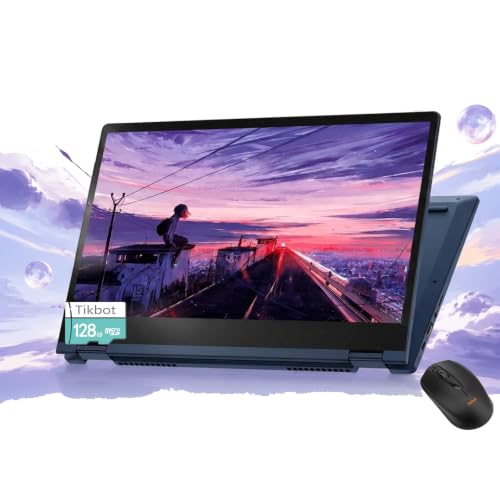
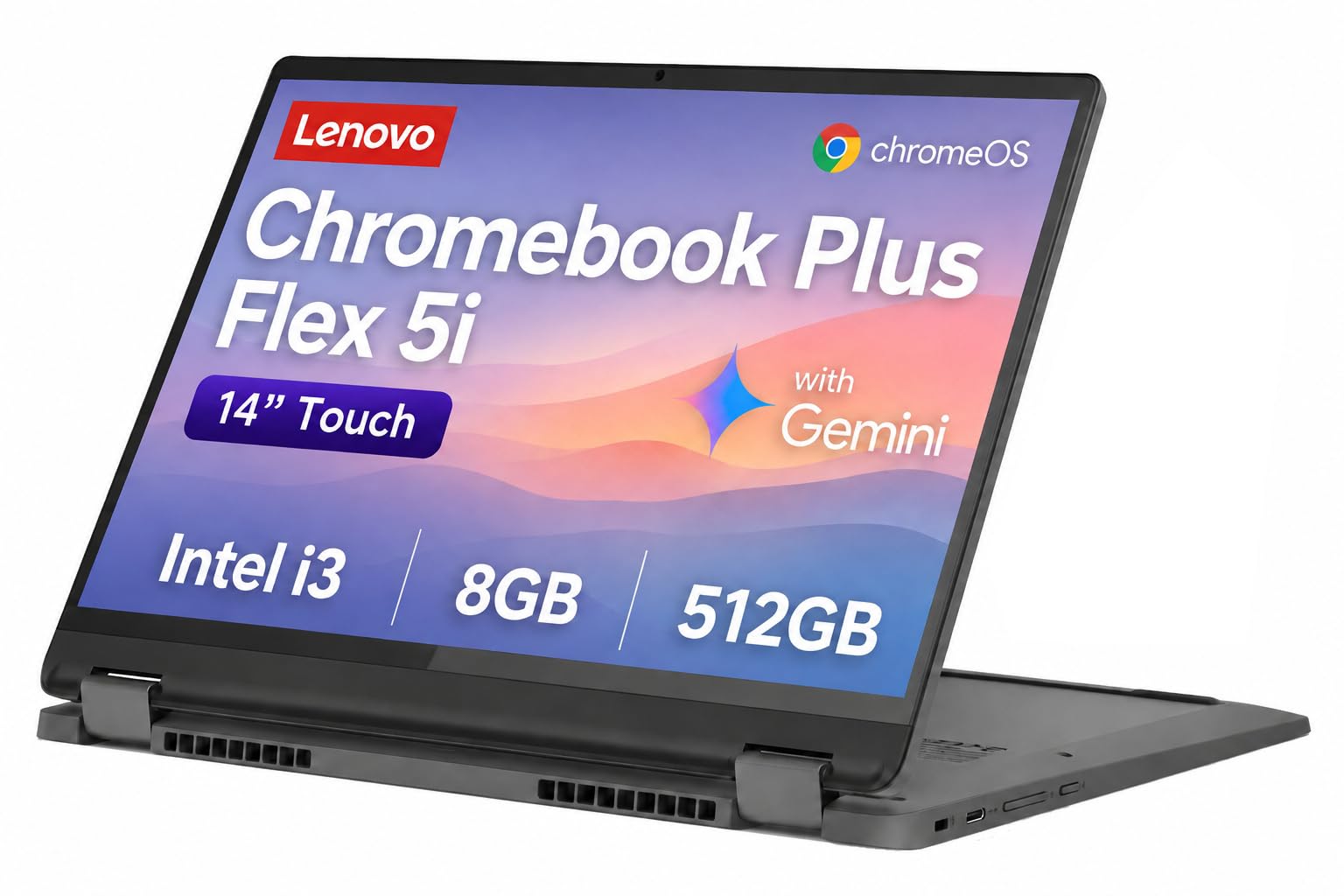
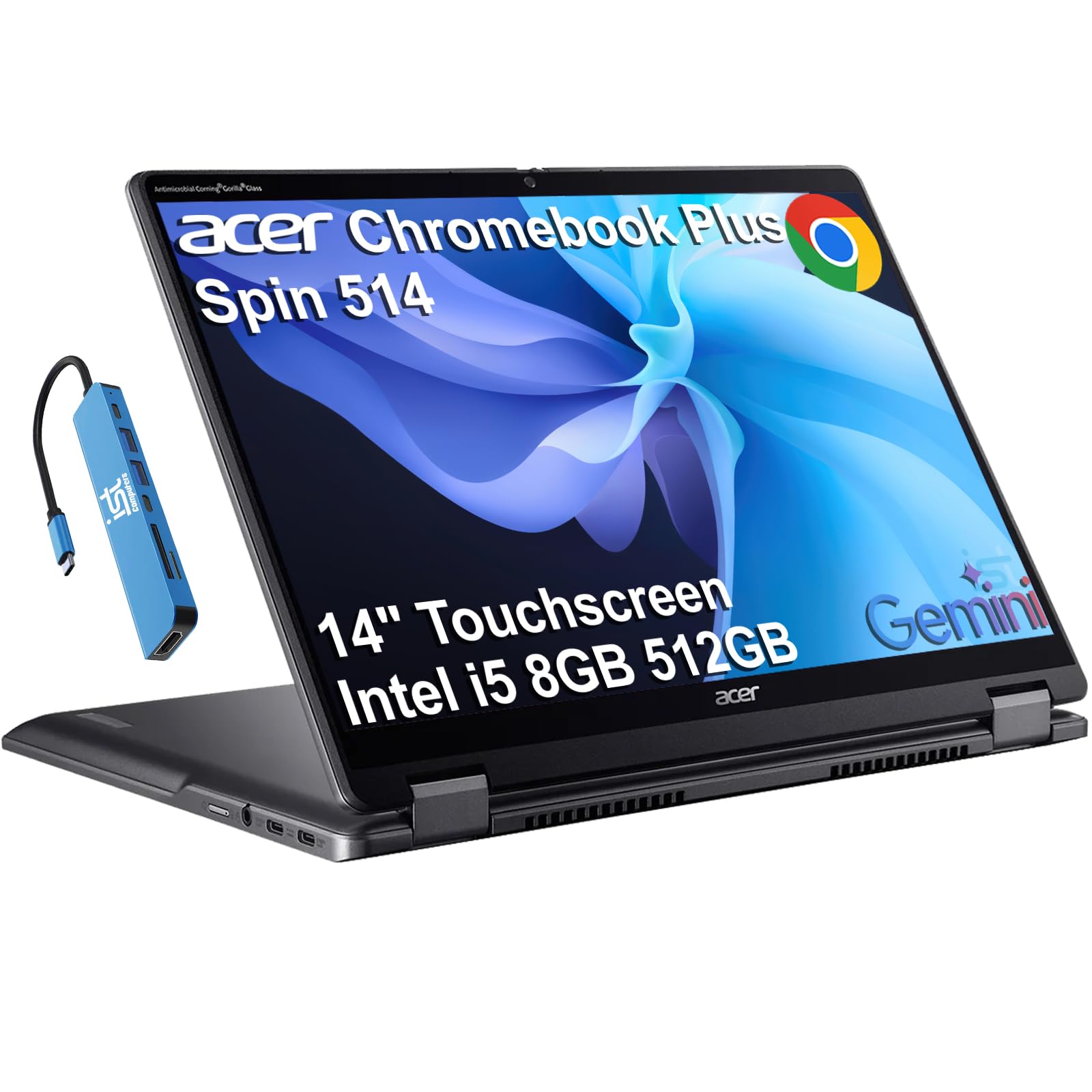
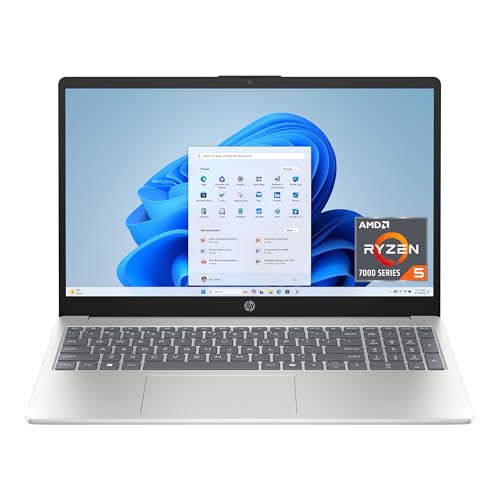

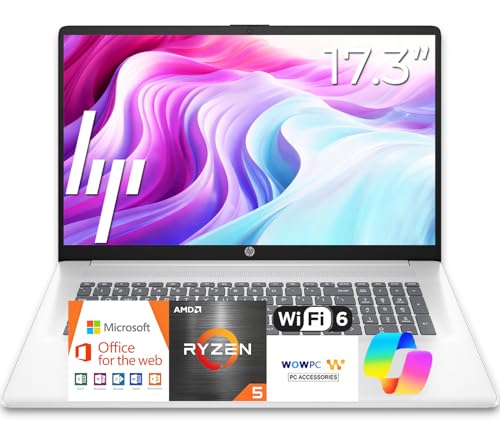
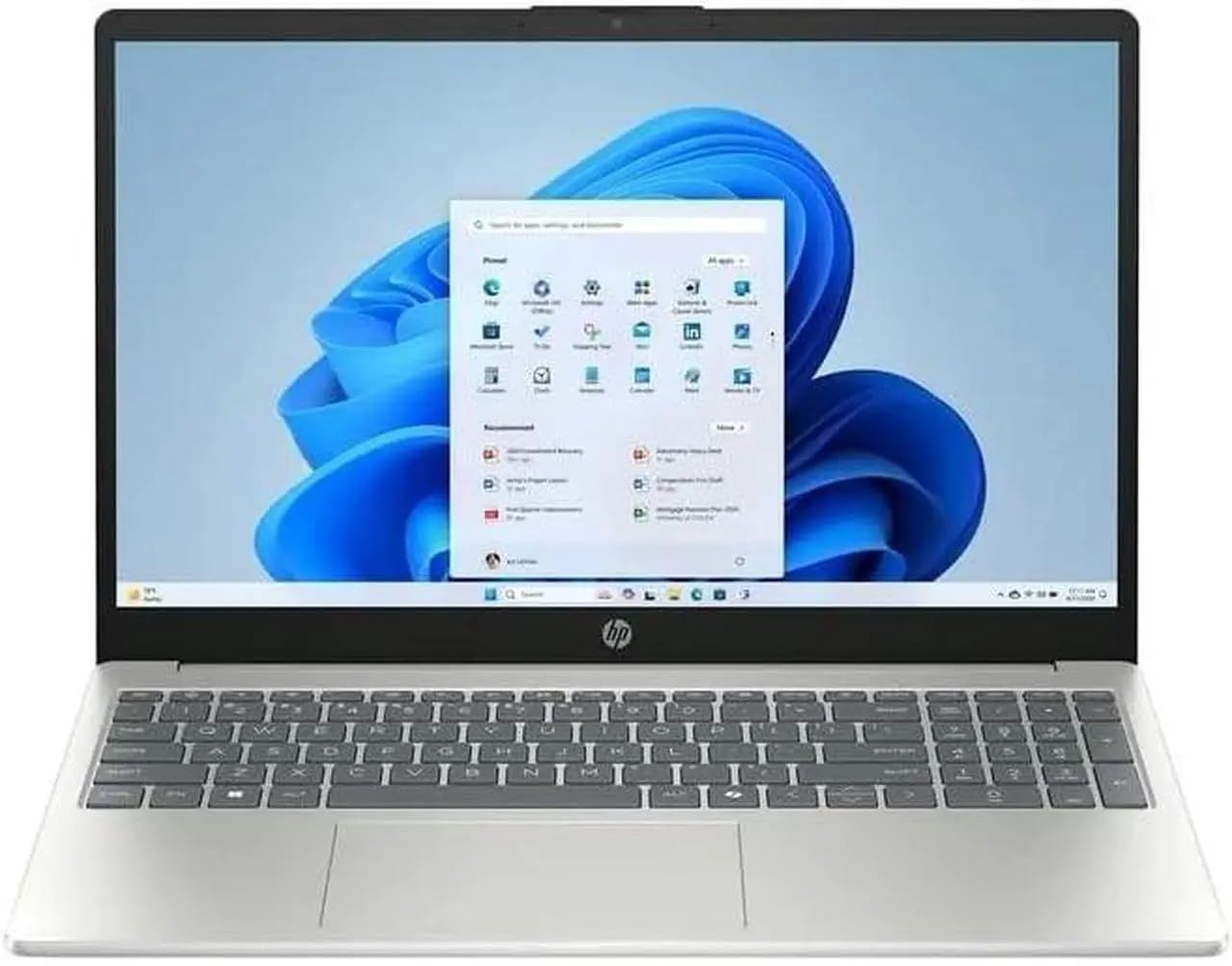

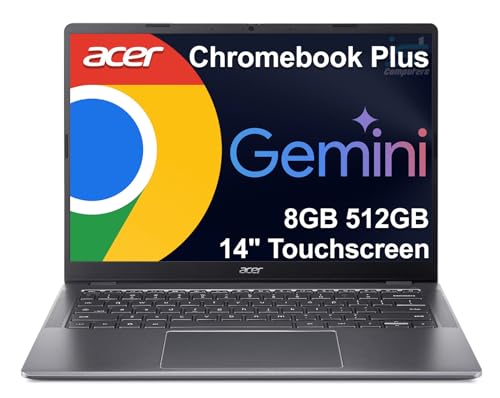

500 Pound Laptops 101: The Basics
A laptop at this price is a full computer in a portable shell: a processor that does the thinking, RAM that holds what you are working on, storage that keeps your files, and a battery that frees you from the wall socket. Around this price you move past the slowest entry level chips and dim screens that define the cheapest machines. Most models here run Windows, a good number run ChromeOS, and a few refurbished or older generation options run macOS.
Screen size shapes the whole experience. A 14 inch display keeps weight low for carrying to class or work, while a 15.6 inch display gives more room for spreadsheets and split screen work at the cost of a heavier bag. Weight ranges from about 2.6 lb for slim 14 inch models to about 4.4 lb for larger ones. Battery life claims vary widely, so treat maker numbers as best case figures and look for at least 8 hours quoted if you work away from a charger.
Two form factors appear at this price. A standard clamshell laptop opens like a book and suits most people, while 2 in 1 convertibles fold back into a tablet shape with a touch screen, which helps for handwritten notes and casual drawing. Neither is better in general; the right pick depends on whether touch input solves a real problem for you.
Key Specs Explained in Plain English
Processor and Performance Tier
The processor, or CPU, sets the speed ceiling of the whole machine. At around $500 to $650, look for a recent Intel Core i5 or Core Ultra 5, or an AMD Ryzen 5, because these handle office work, browsing with many tabs, and light photo editing without strain. Core i3 and Ryzen 3 chips are fine for simple tasks but feel slower sooner. Apple M series chips are superb, yet new Mac models sit above this budget, so they appear here mainly as refurbished buys. Match the chip to your hardest regular task, not your easiest one.
RAM and Storage
RAM is short term memory, and 8GB is the minimum you should accept, while 16GB is the smarter buy if you keep many tabs open or use heavier apps. More RAM is the single best way to keep a laptop feeling fast in year three. For storage, insist on an SSD rather than an old spinning hard drive, because an SSD makes the machine start, load, and search far faster. Aim for 256GB as a floor and 512GB if you store photos, games, or large work files locally. Check whether RAM can be upgraded later, since soldered memory locks you into your first choice.
Ports and Connectivity
Ports decide how much extra gear you need to carry. Look for at least one USB C port, ideally with charging and display output, plus two standard USB A ports for older accessories. An HDMI port lets you plug into a monitor or TV without an adapter. WiFi 6 or 6E gives faster, steadier connections on modern routers, and Bluetooth 5 covers wireless mice and headphones. A microSD or SD card slot is a small bonus that photographers and students use more than they expect. If a slim model drops ports you need, price in a hub at around $30 to $60.
Keyboard, Trackpad, and Build
You touch the keyboard and trackpad more than any other part, so they deserve attention. Keys should have a clear, firm feel with enough travel that your fingers do not jar on each press, and a backlight helps in dim rooms and evening study. A large, smooth trackpad with accurate clicks reduces the need to carry a mouse. For build, an aluminum lid or chassis feels sturdier and flexes less than thin plastic, which matters if the laptop rides in a bag daily. Check the hinge as well, since a screen that wobbles on a train table gets annoying fast.
Operating System (Windows, macOS, ChromeOS, Android, iPadOS)
Windows is the safe default at this price because it runs the widest range of software, from office suites to most games and specialist work tools. ChromeOS is simpler and very secure, and Chromebooks at this price often give better screens and battery life for the money, but they rely on web apps and Android apps rather than full desktop programs. macOS suits people already using an iPhone who value that link, though new models cost more than this budget. Android and iPadOS belong to tablets with keyboard add ons, which can work for light writing but limit file handling and multitasking compared with a true laptop.
Rookie Mistakes to Avoid
- Paying for a touch screen you will not use. Touch adds cost and weight, so only choose it if you plan to fold the laptop into tablet mode or annotate by hand.
- Accepting a dim, low resolution screen. Insist on a Full HD display with decent brightness, because the screen is the part you look at all day.
- Buying 4GB of RAM to save money. It feels fine in the shop and sluggish within months, and on many models it cannot be upgraded.
- Ignoring weight for a daily carry. A heavy 15.6 inch model plus its charger becomes a burden on a long commute. If you want a slimmer carry, our guide to the best notebook laptops focuses on that portable end of the market.
- Forgetting the total cost. Add a case, a mouse, and any software you need to the price before you compare models. Shoppers comparing nearby terms may also find our guide to the best laptops under 500 pounds useful for the same budget framed slightly differently.
Getting Started: Setup and First Use
Start by plugging the laptop in and running the setup prompts, which cover your account, WiFi, and privacy choices. Read each privacy toggle rather than accepting every default, and turn off the options that share data you do not want shared. Then run updates right away: open the system update page, install what it offers, and restart, because new machines often ship several updates behind. Update the firmware through the maker support app as well, since those fixes improve battery behavior and fan noise.
Next, uninstall trial software you will not buy, set up the fingerprint reader or PIN if offered, and turn on device encryption and find my device tracking. Create a backup habit in the first week, even if it is just syncing your main folders to cloud storage. For battery health, avoid running at 100 percent charge all the time if your laptop lives on a desk; many models have a setting that caps charging at about 80 percent for exactly this case.
500 Pound Laptops: Your Questions Answered
Should I buy a laptop or a tablet?
Buy a laptop if you type a lot, manage files, or run full desktop programs. A laptop gives you a real keyboard, a precise trackpad, and several ports without add ons. A tablet wins for reading, video, and drawing with a pen, and it is lighter for travel. Many people who choose a tablet for study end up adding a keyboard and a stand, which closes the price gap quickly. If your main work is documents and browsing across many tabs, the laptop is the safer single device.
Is a dedicated GPU worth it in a 500 pound laptop?
Usually not at this price. A dedicated graphics card, or GPU, helps gaming and video editing, but at around $500 it often comes paired with an older processor or a weak screen to hit the price. Modern integrated graphics from Intel and AMD handle casual games, streaming, and light creative work well. If gaming is your main goal, you will get better results saving toward a higher tier. Our guide to the best laptops for 500 looks at the same budget with gaming trade offs in mind.
How much RAM do I need in a laptop?
For most people, 16GB is the comfortable amount and 8GB is the workable minimum. With 8GB you can write, browse, and stream, but heavy tab use and big spreadsheets will slow things down. Students running virtual labs, anyone editing photos, and future proofing buyers should treat 16GB as the target. RAM matters more than a small step up in processor for everyday smoothness. If a model offers 16GB for around $50 more, it is usually the best value upgrade in the whole listing.
Is a Chromebook enough for school?
Yes, for most school work a Chromebook is enough. It handles documents, research, video calls, and learning platforms through the browser, starts quickly, and tends to last a full school day on a charge. The limits appear if a course requires specific Windows software, offline desktop apps, or serious gaming. Check your school list before buying, because some exam and science tools remain Windows only. Families comparing the lightest options can also browse our guide to the best sub 500 laptops for models that come in under this budget.
How long should a 500 pound laptop last?
A well chosen laptop at this price should last about 4 to 6 years. The battery will lose some capacity over that span, and it is often the first part to feel old. Choosing 16GB of RAM and a 512GB SSD extends useful life more than any other decision, because memory and storage limits are what push people to replace machines. Keep vents dust free, avoid running the laptop on soft bedding that blocks airflow, and replace the battery rather than the whole machine if performance still feels fine.
Final Thoughts
Put your money in this order: a recent Core i5 or Ryzen 5 class processor, 16GB of RAM if you can reach it, a fast SSD of at least 256GB, and a bright Full HD screen. Ports, keyboard feel, and weight then decide between models that tie on specs. The comparison table above lets you weigh those points across the best 500 pound laptops without wading through marketing claims, so pick the balance that fits your daily routine and carry it with confidence.


