
Best 50 Amp Generators: What Actually Matters Before You Buy for 2026
Disclosure: We may earn a commission when you buy through links on this page, at no extra cost to you. As an Amazon Associate I earn from qualifying purchases. Learn more
Compare the best 50 amp generators by running watts, fuel type, outlets and noise, and learn how to size one for an RV or home backup.
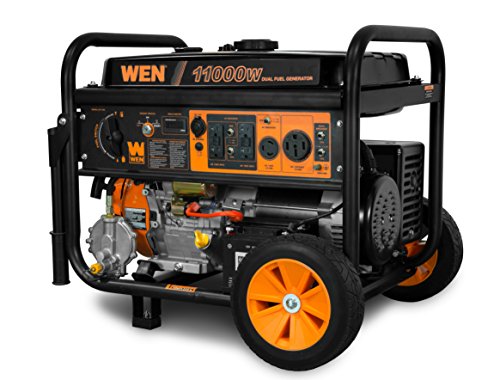
A 50 amp generator has a 120/240V outlet rated for 50 amps, the kind used for RV hookups, home transfer switches, and heavy tools. This guide to the best 50 amp generators explains what the rating means, which features matter, and how to size one before you order.
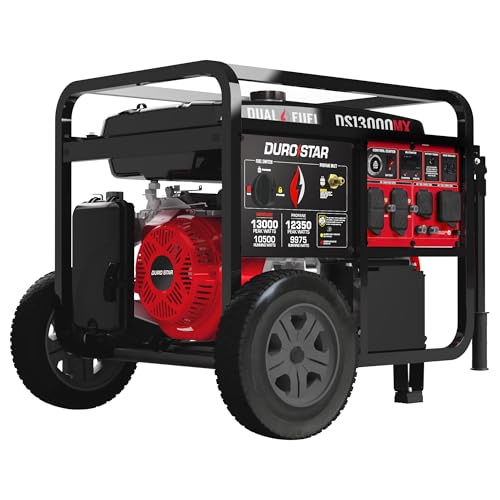
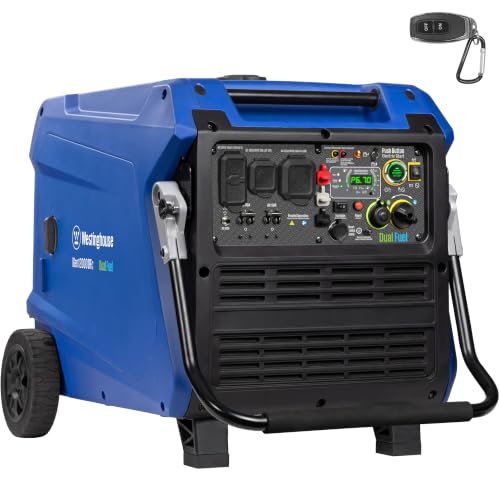
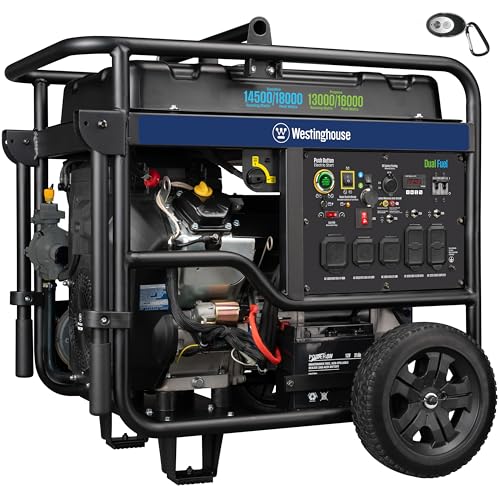
The product table below lines up the main choices side by side. The sections that follow cover power, fuel, noise, connections, and safe use, so you can match a generator to your RV, your home backup plan, or your job site.



What a 50 Amp Outlet Means
A 50 amp, 120/240V outlet (often a NEMA 14-50R) can deliver up to about 12,000 watts at 240V, or 6,000 watts on each 120V leg. Most portable generators with this outlet are rated from about 7,500 to 13,000 watts, which is enough for a 50 amp RV, a transfer switch feeding a home panel, or several large appliances at once.
The outlet only helps if the generator can supply the load. Check running watts, not just starting watts, and add up the appliances you want to power at the same time.
Who Should Buy a 50 Amp Generator
This type suits owners of 50 amp RVs who camp without hookups, homeowners who want whole house backup through a transfer switch or a generator inlet, and contractors who run big tools on site. If you only need a few lights, a fridge, and a phone charger, a smaller generator is cheaper to buy and run. For related options, see our guides to the best generators for 50 amp RV, the best household generators, and the best backup generators.
Types Compared
| Type | Best For | Watch For |
|---|---|---|
| Dual fuel or tri fuel open frame | Home backup, flexible fuel | Noise and weight |
| Inverter generator | RVs, quiet camping, sensitive electronics | Higher price per watt |
| Gas only open frame | Job sites, low upfront cost | Loud, single fuel |
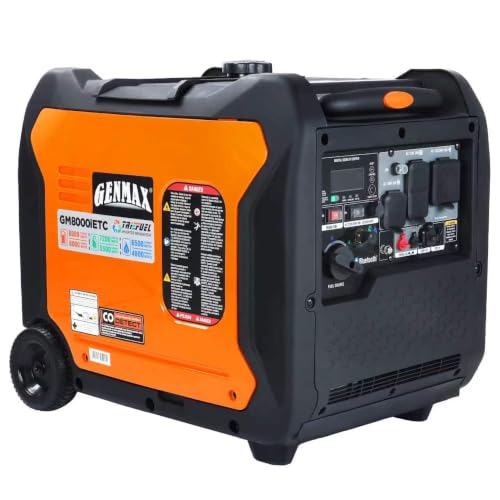
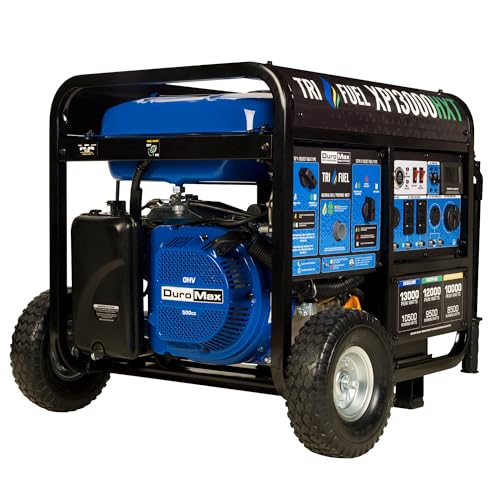
Dual and tri fuel models run on gasoline and propane, and some also on natural gas, which makes long outages easier to manage. Inverter models produce cleaner power for laptops and appliances, and they run quieter.
Key Features to Compare
Running Watts and Fuel Runtime
Compare running watts at full load and the runtime on a tank. A larger tank and an efficient engine mean fewer refills during a long outage.
Outlets and Connections
Look for a 14-50R outlet, a 30 amp twist lock outlet, and standard 120V outlets. For home use, confirm the generator works with a transfer switch or an inlet box, and use proper cords rated for the load.
Starting and Controls
Electric start with a key fob or remote saves effort on large engines. Low oil shutoff, a carbon monoxide shutoff, and a fuel gauge are useful safety and convenience features.
Noise and Portability
Large generators are heavy and loud. Check the weight, wheel kit, and decibel rating, and think about where you can run it at a safe distance from your home or camp.
Safety Basics
Run a generator outdoors only, well away from doors, windows, and vents, because exhaust contains carbon monoxide. Never connect a generator to a home panel without a transfer switch or interlock installed by a qualified electrician. Store fuel safely, let the engine cool before refueling, and follow the manufacturer's instructions.
Budget
Generators with a 50 amp outlet typically cost from about $700 to $2,500, depending on wattage, inverter technology, and fuel options. Spending more buys quieter operation, tri fuel flexibility, and stronger support. Add the cost of cords, a transfer switch or inlet box, and fuel storage to the total.
Common Mistakes to Avoid
- Sizing by starting watts instead of running watts.
- Skipping the transfer switch or interlock for home use.
- Choosing a model without the outlet type your RV or panel needs.
- Ignoring noise rules at campgrounds or in your neighborhood.
- Forgetting fuel storage and routine maintenance.
Related Guides
For automatic and emergency setups, see our guides to the best automatic generators and the best emergency generator.
Frequently Asked Questions
How many watts is a 50 amp generator?
A 50 amp 240V outlet can supply up to about 12,000 watts, but the generator itself may be rated lower. Always check the running watts in the specifications.
Can I use a 50 amp generator for my RV?
Yes, if it has a 14-50R outlet and enough running watts for your air conditioners and appliances. Many RV owners prefer inverter models for quieter camping.
Do I need a transfer switch?
For home backup, yes. A transfer switch or interlock installed by a qualified electrician keeps your home safe and protects utility workers.
Is dual fuel worth it?
Often, because propane stores longer than gasoline and burns cleaner. Tri fuel models add natural gas for outages that last days.
How much fuel does it use?
It depends on load. Check the runtime at half load in the listing, and plan for more fuel than you expect.
Final Thoughts
Size by running watts, confirm the outlet and connection you need, and choose the fuel and noise level that suit your use. Compare your shortlist in the product table above, and you will find the best 50 amp generators for your RV, home, or work site.


