Best 5 Inch Santoku Knife: Buying Guide (2026)
Disclosure: We may earn a commission when you buy through links on this page, at no extra cost to you. As an Amazon Associate I earn from qualifying purchases. Learn more

Japanese, German or hollow edge: how to match a compact 5 inch santoku knife to your board, grip and sharpening habits.
Picture a weeknight in a small kitchen. Counter space is tight, the board sits close to the stove, and dinner is a pile of onions, peppers, and chicken. A long chef knife feels clumsy there, yet a paring knife slows every cut. That middle ground is where the best 5 inch santoku knife earns its place, a real working blade that turns easily in a crowded kitchen.
This guide helps you choose by what matters at home, including counter space, how many people you cook for, and what you can spend. The comparison table below sums up the main styles at a glance. For the broader picture, see our guide to the best santoku knife before you narrow down to this size.

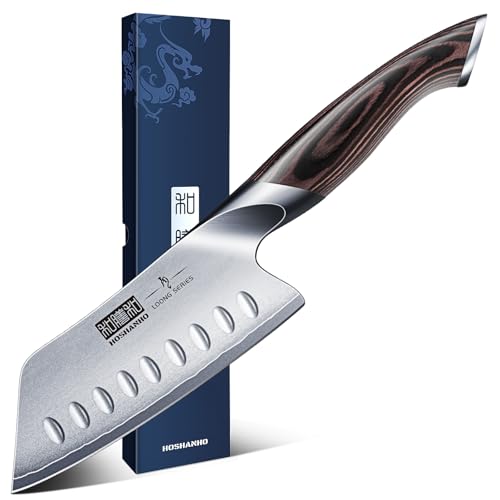
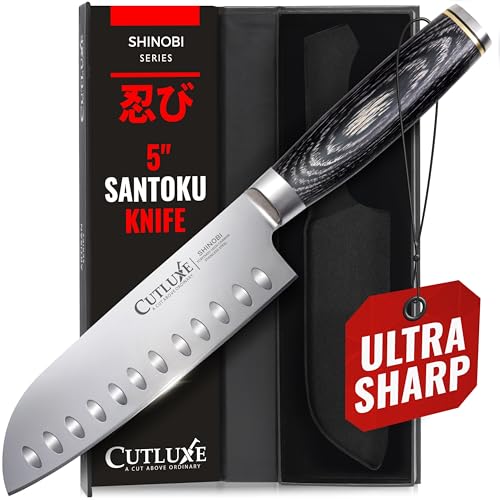


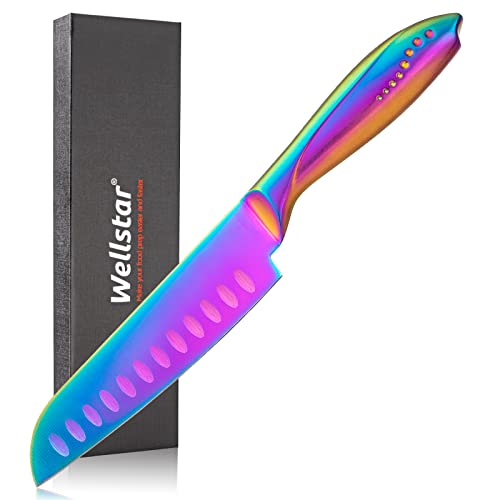
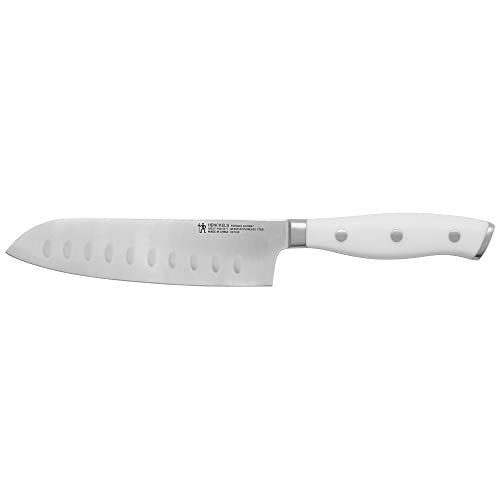

Quick Answer: Which Style Fits Your Home in 30 Seconds
Most buyers land in one of three camps. Pick yours, then use the sections below to check steel, handle fit, and price.
- Thin Japanese style: light, very keen on produce, and happiest with gentle cutting and careful storage.
- Sturdier German style: more weight and forgiveness, suited to mixed family prep.
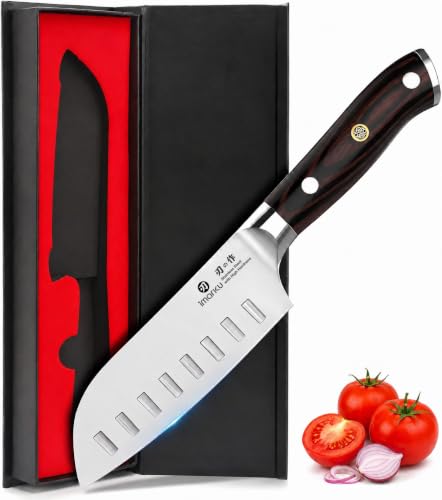
- Hollow edge style: shallow dimples help slices of cheese, potato, and cucumber release instead of clinging.
Before You Buy: A Quick Checklist for Choosing a Santoku Knife
A santoku is a general purpose knife with a flatter edge than most chef knives, so it suits push cutting and straight chopping more than rocking. At 5 inches the shape stays the same, but choices such as steel and handle matter more because you will reach for this knife often.
Size: Match It to Your Space
Blade length is measured along the edge, and the common steps are 5 inch, 5.5 inch, 6 inch, and 7 inch. A 5 inch blade pairs well with a small board, leaves room beside the stove, and stores in a shallow drawer. Knuckle clearance is lower than on a tall chef knife, so large hands may feel close to the board. If you often halve big squash or melons, compare this size with the best 7 inch santoku knife first.
Which Type Fits Your Routine
Japanese style models tend to be thinner and lighter, with harder steel and clean cuts through vegetables and boneless protein. German style models carry more weight, use softer steel, and tolerate a busier family routine. A hollow edge adds dimples that suit sticky foods. Damascus describes a patterned layered steel look rather than a cutting method. Carbon steel takes a fine edge but needs drying after use, while stainless steel shrugs off moisture and suits cooks who want the least fuss.
Steel Type and Hardness
Hardness is listed as HRC on the Rockwell scale, and it shapes daily use more than most shoppers expect. Japanese blades often sit near 60 to 63 HRC, which helps the edge stay keen through lots of produce, but a harder edge can chip if it twists against bone or a frozen item. German blades often sit near 56 to 58 HRC, so the edge rolls rather than chips and refreshes quickly on a honing rod. Match hardness to your habits and how willing you are to sharpen.
Blade Geometry: Japanese and German Profiles
Geometry is the shape of the blade in cross section and along its edge. A thin Japanese grind moves through dense carrots and onions with less wedging, so slices fall away cleanly. A thicker German grind feels calmer when you portion a whole chicken or cut firm cheese. The santoku tip curves down toward the edge, which keeps the point safe near your guiding hand but limits fine tip work. For how this profile differs from a curved chef style blade, read our santoku vs gyuto comparison.
Handle, Bolster and Balance
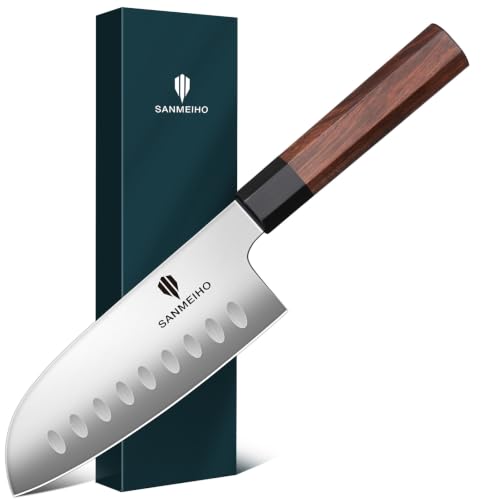
Handles come in two broad families. A Japanese wa handle is usually a simple round or octagonal piece of wood or composite, light and easy to rotate in a pinch grip. A Western handle is shaped and riveted, filling the palm for a full grip. Some German style models add a bolster, a thick guard between blade and handle, which adds weight and shortens the usable edge near the heel. Balance should sit near the pinch point, where thumb and finger hold the blade.
Realistic Budget Ranges
Under $30 usually buys a stainless blade with a basic handle, fine for a first compact santoku. About $30 to $50 improves fit and finish, with smoother handles and more even grinds. About $50 to $100 is where harder Japanese steel, better balance, and cleaner edges become common, and our guide to the best santoku knife under 100 maps that band in depth. About $100 to $200 adds refined handles and layered steel rather than a leap in cutting ability.
Types Compared: Three Routes to the Same Short Blade
Shopping by type is smarter than shopping by name. When you look for the best 5 inch santoku knife by type, you compare steel, grind, and handle against your routine, and the three routes below cover nearly every listing you will see. They differ in feel, upkeep, and forgiveness on a busy night.
Thin Japanese Style for Precise Produce Work
Choose this route if your board is mostly vegetables, fruit, herbs, and boneless fish or chicken. The thin grind and hard steel reward a straight push cut, and the light build keeps your wrist fresh through a big tray of onions. Small hands often prefer this style because the slim handle asks for guidance rather than force. The trade off is care. Store the blade in a guard, keep it off bones and frozen food, and plan on a whetstone for sharpening. Our guide to the best japanese santoku knife goes deeper here.
Sturdier German Style for Mixed Family Prep
Choose this route if one knife must handle school lunches, stir fry prep, cheese for snacks, and firm root vegetables in the same hour. Extra weight helps the blade move through dense food with less push from you, and the softer steel tolerates small twists that happen when several people share a kitchen. A shaped Western handle also suits a full grip if a pinch grip feels new. The trade off is keenness. This style needs honing more often, though each session takes only a minute.
Hollow Edge Style for Sticky Foods
Choose this route if you slice a lot of potatoes, cucumbers, apples, or cheese and dislike slices sticking to the blade. Shallow dimples along the side break the smooth contact that makes wet slices cling, so pieces release more often as you cut. The benefit is real but modest, and it fades near the heel where the dimples stop. This feature appears on both Japanese and German style blades, so treat it as a bonus, not a reason to buy.
Criteria Worth Checking on Any Listing
The types above follow five plain criteria any buyer can check on a product page. They are steel and edge retention, balance and ergonomics, sharpness as supplied by the maker, ease of maintenance, and value for the price band. The facts come from maker specifications and patterns in verified buyer reviews, so use the criteria as a way to read listings with clear eyes.
Is a 5 Inch Santoku Knife the Right Size for You?
For many small homes, the best 5 inch santoku knife is not a compromise at all. It covers the daily core of home cooking, including onions, peppers, carrots, cucumbers, boneless chicken, tofu, and cheese, while staying easy to wash and put away. In a one or two person household it can be the main knife, and in a larger home it works well as the second knife beside a longer chef knife.
Size up instead if your cooking leans on volume. A short blade needs two passes through a big cabbage, struggles to span a large melon, and gives your guiding knuckles less clearance during fast chopping. Cooks with large hands sometimes find the shorter handles cramped as well. This blade was drawn for control in tight spaces.
Common Buying Mistakes to Avoid
- Buying a short blade for large squash and melons: the edge cannot span the food, so cuts stall halfway and feel unsafe.
- Choosing very hard steel with no sharpening plan: the edge dulls over months and then feels like a failed purchase.
- Storing the knife loose in a crowded drawer: contact with other tools nicks and dulls the edge.
- Putting the knife in a dishwasher: heat, detergent, and rattling damage both edge and handle.
- Judging only by blade photos: a handle that is too small or slick will bother you on every cut.
Cost of Ownership and Care
The purchase price is only part of the cost. A honing rod or whetstone runs about $20 to $40, and an edge guard costs about $10. A wood or plastic board is kind to the edge, while glass and stone boards dull any knife quickly, so one decent board protects your spending.
Daily care is short. Wash the blade by hand in warm water, dry it at once, and store it in a block, on a magnetic strip, or in its guard. Hone lightly when the edge drags on tomato skin, and sharpen on a stone when honing stops helping. If the method is new to you, our guide on how to sharpen a santoku knife walks through angles and grit choices. Carbon steel needs a quick wipe during prep with acidic foods.
Your Questions, Answered
How do you clean a santoku knife after cutting raw chicken?
Wash the blade by hand right away with hot water and dish soap, keeping your fingers on the spine side so the edge faces away from you. Dry it fully before storage. Wash the board and your hands next, and keep the knife out of a sink full of soapy water where nobody can see the edge. That hidden blade in cloudy water is a common cause of kitchen cuts.
Is a santoku knife worth it if you already own a chef knife?
It can be, if your chef knife feels long for your board or if two people cook at once and need a second capable blade. The santoku shape also gives you a flatter edge, which some cooks prefer for vegetables. It is harder to justify if your chef knife already covers every task, because the two tools overlap a lot. In that case, spend on a better board or a sharpening stone instead.
How long does a 5 inch santoku knife last in daily home use?
The blade itself can serve for many years, because sharpening removes only a small amount of steel each time. What usually ends a knife life at home is damage, such as a chipped edge from a bone or a cracked handle after a fall. Check the handle now and then for looseness, and check the edge under good light for bright nicks. Small nicks sharpen out. A loose handle is a safety problem, and that knife should stop being used.
What size santoku knife does a family of four need?
Think about batch size rather than head count. A 5 inch blade handles family dinner fine when ingredients are cut in a few batches, which suits most weeknight meals. If you regularly break down a whole large cabbage or a pile of sweet potatoes, longer sizes clear the food in fewer strokes. Many families use the compact knife daily and the longer one only on weekends.
What matters more than brand when buying a santoku knife?
Fit, steel, and return terms matter more than the name stamped on the blade. Read the stated hardness, handle material, and care instructions, then check that the seller allows returns if the handle feels wrong in your hand. A clear warranty against defects is worth more than a famous logo, because this is a tool you will hold daily. If two options look equal on paper, pick the one whose handle shape matches how you already grip your current knife.
Final Thoughts
A compact santoku rewards the home it was chosen for. Match the length to your board and drawer, pick the steel that fits your willingness to sharpen, and let the handle have the final say. Do that, and the best 5 inch santoku knife for your kitchen stops being a guess and becomes a daily habit. Look back at the product table above before you order.